Department of Management, Society and Communication
A transdisciplinary hub for studies of business in society

About the department (Panel content)
Who we are
M anagement
S ociety
C ommunication
News and events at MSC


What we do
Scroll down to read more about MSC
- our staff and management
- our strategy and history
- our outside collaboration and societal impact

At the Department of Management, Society and Communication, we
- explore the conditions and practices of responsible management, organisation and governance in a globalised world characterised by both deep interdependencies and growing tensions
- focus on how companies and other organisations engage with issues related to sustainability, digitalisation, inequality and global developments
- teach across a wide range of study programmes, translating and disseminating our research and expertise to different audiences
- engage with companies and other organisations, communicating findings and co-creating new insights with practitioners in business and society
About us
Our MSC environment
MSC brings together more than 100 full-time staff engaged in cutting-edge research and teaching, alongside around 100 part-time lecturers who enrich the classroom with valuable professional experience. A dynamic PhD community continuously feed into the research environment, as new projects begin and graduates move on to new opportunities. Our 12 dedicated administrative staff ensure smooth daily operations and provide essential support to both faculty and students.
MSC has a vibrant research and teaching environment and is characterized by collaboration across CBS as well as nationally and internationally, with visiting researchers from all over the world regularly hosted by the department. Externally funded projects enhance the exploration and dissemination of new research ideas, and collaboration with external stakeholders ensures channels for its impact in society.
MSC Leadership
MSC’s Leadership Group as per 1 December 2025 consists of
- Head of Department Dorte Salskov-Iversen
- Head of Secretariat Annika Dilling
- Vice Head of Department Professor Hans Krause Hansen
- VIP Teaching Coordinator Associate Professor Rasmus Koss Hartmann
- External Funding Coordinator Professor Janine Leschke
- PhD Coordinator Associate Professor Thilde Langevang
The Leadership Group regularly consults with the MSC Department Forum which consists of representatives of the various position categories in the department.
Our history
Today’s Department of Management, Society and Communication is the result of the merger, in 2017, of the then Department of Intercultural Communication and Management and the Department of International Business Communication.
Both these departments had, in very different ways, roots in CBS’ early efforts in the 1980s and 1990s at embracing interdisciplinarity, establishing environments that were tasked with adopting a more problem oriented approach to research and teaching, leveraging the potential of bringing on board perspectives from the broader social sciences and humanities to explore business in society.
Academic organisation and approach
Multi- and interdisciplinary by design, our research and teaching are informed by management and business studies as well as the broader social sciences and humanities.
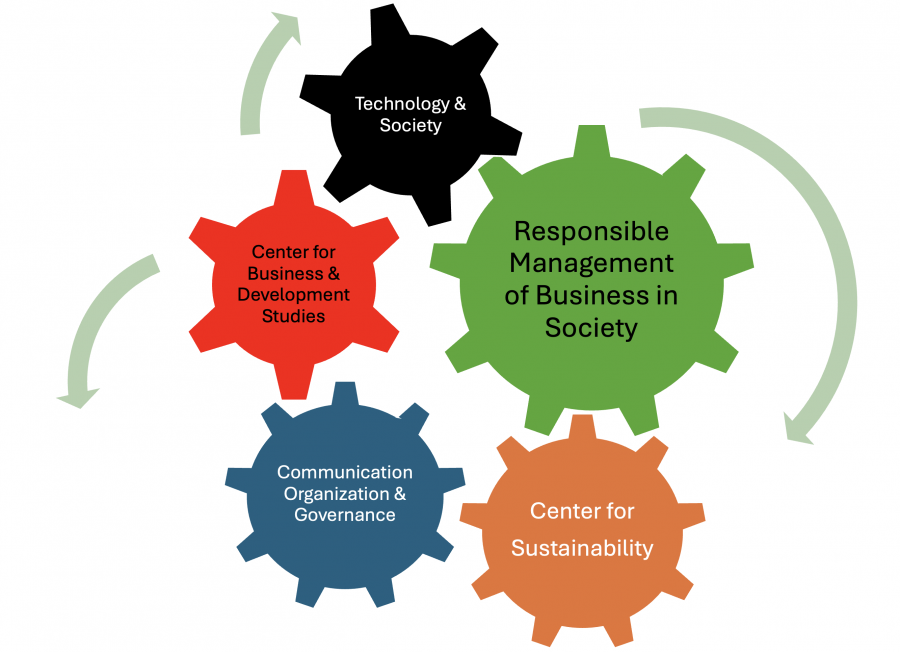
Our researchers are affiliated with at least one of four research environments (two centres and two clusters with a number of subgroups). The environments constitute the primary internal anchorages for our researchers and their projects, addressing responsible management of business in society:
MSC strategy
It is MSC’s mission to generate novel and impactful research on the dynamic relations between business and society and the responsible management thereof.
Moving forward, we aim to further develop and demonstrate the (trans)formative potential of operating in precisely this space, being the one department that explores it, research and teaching wise, at the interface between sustainability, digitalisation, inequality and global developments.
Information for part-time teachers
Collaboration and outreach
MSC collaboration
MSC faculty are engaged in multiple forms of national and international collaboration with institutions and organisations, the work of which has a strong focus on pushing societal agendas and impact.
MSC teaching cases
MSC faculty regularly publish impactful teaching cases that reach students from around the world.
MSC service to the wider society
MSC faculty are regularly recruited to serve on boards, committees, and other bodies, offering advice and research-based expertise.
MSC's societal impact
Research environments at MSC
There are four main research environments at MSC: our two centres, Centre for Sustainability and Centre for the Study of Business and Development Studies, and our two research clusters, the Communication, Organisation and Governance (COG) cluster, and Technology and Society (TechSoc). Click on them below to go directly to their webpages.
Centre for Sustainability
Centre for Business and Development Studies (CBDS)
Communication, Organisation and Governance (COG) cluster
Technology and Society cluster
Research and publications (Panel content)
Our research
Our research critically explores the roles of business and societal actors in addressing global challenges. We examine how companies and other organisations engage with issues such as sustainability, digitalization, inequality, and global development - investigating practices, responsibilities, constraints, and opportunities to create outcomes of mutual benefit.
Our work challenges conventional business thinking by interrogating power relations, culture, communication, and sustainability practices across diverse global and local contexts. Conceptually informed and empirically grounded, we apply both qualitative and quantitative methods. Our interdisciplinary research is collaborative in nature, spanning CBS and international academic networks.
Our research environments
The Centre for Business and Development Studies (CBDS)
Investigates challenges arising from the shift toward business- and market-led development, focusing on strategic changes linked to developing countries’ integration into the global economy, the geopolitics of this integration, and the move toward private sector–driven development and international partnerships.
The Communication, Organisation and Governance (COG) cluster
Examines organizational dynamics, management, governance, and communication practices in private, public and civil society organisations, focusing on how these intersect within diverse social, cultural, economic, and political forces and contexts.
The Centre for Sustainability
Critically explores business-in-society issues integrating the sustainability perspective into business and governance theory, practice, and the CBS curriculum. Working across disciplinary boundaries, the Centre provides an innovative space for dialogue and reflection between academia and business, both in Denmark and internationally.
The Technology & Society cluster
Explores technologies and digital transformations, focusing on their implications for organizational and societal development. It particularly addresses how emerging technologies interact with both new and established organizations, markets, and society in local and global contexts.
Other MSC initiatives
The BHRights Initiative
The BHRights Initiative promotes teaching and research on Business and Human Rights (BHR) across law, management, and other social science disciplines within academic institutions, and extends beyond academia to engage with business entities and other stakeholders.
CogLab
CogLab is MSC’s main facility for experimental research. It functions both as a laboratory for conducting experimental studies on the cognitive processes of users and consumers, and a centre for research methods which offers courses and consultations on how to use quantitative methods and statistical analyses.
Critical Digital Methods Lab
Critical Digital Methods Lab explores, develops, and assesses digital methods for academic research and learning, with a focus on experimentation, interdisciplinarity, and blended teaching practices.
Externally funded projects
Ripple - (Un)sustainable Tipping Points
The project:
How do sustainable behaviours spread - and when do they trigger resistance rather than wider adoption?
(Un)sustainable Tipping Points (Ripple) investigates the social mechanisms that can turn individual green choices into large-scale behavioural change. The project focuses on social contagion and behavioural thresholds: how people respond to others’ actions, how many adopters are needed before behaviour shifts, and when small changes develop into self-reinforcing social tipping points.
The project also examines the counter-dynamics that can slow, reverse or hinder sustainable change, including resistance associated with values and identity, moralization and perceived social norms. Using large-scale behavioural data from digital platforms alongside experiments and surveys, the project studies sustainable choices.
By integrating insights from social psychology, behavioural economics and sustainability science, the project aims to develop empirically grounded models of social tipping dynamics and identify when sustainable behaviours spread - or fail to spread. The findings will provide insights relevant to climate action and policies seeking to accelerate durable collective behavioural change.
Project team:
Kristian Roed Nielsen, Associate Professor, Department of Management, Society and Communication, Copenhagen Business School
Alice Pizzo, Assistant Professor, Department of Management, Society and Communication, Copenhagen Business School.
The grant:
The project is funded by the Independent Research Fund Denmark (DFF) under the thematic programme Green Research. The grant amounts to DKK 6,868,065 and runs from 2025 to 2030.
For more information, please contact Kristian Roed Nielsen, Associate Professor, Department of Management, Society and Communication, Copenhagen Business School, krn.msc@cbs.dk
Africa, Business and Society (ABS)
The project:
The Africa, Business and Society (ABS) programme is a partnership between Copenhagen Business School (CBS), Denmark, and three leading African universities: the University of Ghana Business School, the University of Nairobi (Kenya), and the University of Johannesburg (South Africa). The project aims to transform how business education engages with the Global South by integrating African perspectives into business curricula, strengthening South-South and North-South academic collaboration, and promoting research-based teaching. The programme addresses the gap between dominant business theories developed in the Global North and the realities of African economies, where businesses play a key role in innovation, digitalization, renewable energy, and social development. Through faculty exchanges, joint teaching, curriculum development, student mobility, scholarships, and collaborative research, ABS seeks to educate a new generation of ethical entrepreneurs, critical thinkers, and responsible leaders. The programme also supports Master’s students from partner universities to study in the Business and the Global South MSc programme at CBS, fostering intercultural learning and long-term institutional partnerships.
Project team:
Department of Management, Society and Communication (MSC), Copenhagen Business School. Core CBS team includes Lindsay Whitfield, Lisa Ann Richey, Stefano Ponte, Mogens Kamp Justesen, Stine Haakonsson, Thilde Langevang, and Søren Jeppesen
Collaborative partners:
University of Ghana Business School (Ghana), University of Nairobi (Kenya), University of Johannesburg (South Africa)
The grant:
Funded by the Danida Fellowship Centre (DFC) under the Knowledge and Innovation Programme (KIP). Project period: 2026–2030 (1 January 2026 to 31 December 2030).
For more information, please contact Professor Lindsay Whitfield (Project Lead) lwh.msc@cbs.dk
D-CORE: Dark Side of Corporate Responsibility
The project: DCORE investigates content moderation work, the different forms it takes, and the mechanisms through which it affects human workers. Content moderation is essential to the social responsibility of digital platforms: moderators (human and human-trained AI models) remove harmful, violent, abusive, and otherwise objectionable material to make online environments safer. Yet this responsibility creates significant negative spillovers for those tasked with performing it. In particular, content moderation exposes workers to a distinctive form of emotional and psychological work generated through sustained engagement with disturbing digital content.
Conceptualizing this phenomenon as a governance challenge at the dark side of corporate social responsibility, DCORE asks how organizations can fulfil their responsibilities toward platform users without transferring disproportionate costs to workers operating behind the interface. Empirically, the study will draw on in-depth interviews with content moderators and governance actors within platform companies around the world.
Project team: MSC:
Tanusree Jain, PI
Dan Karreman, Team Member
Gianlorenzo Meggio, Post Doctoral Fellow
Archana Raghavan, Post Doctoral Fellow
Noa Celestini, Research Assistant
The grant: Carlsberg: Semper Ardens: Accelerate
2026 - 2029
For more information, please contact PI Professor Tanusree Jain, tja.msc@cbs.d
BELOOP ‘From awareness to action: evidence-based pathways to accelerate Europe’s transition to a circular consumption’
Across Europe, most consumption patterns remain linear, with limited evidence on how to shift behaviours toward a circular economy. BELOOP tackles this challenge by combining social science, technology, and real-world pilots to turn awareness into practical action. The project begins by mapping barriers, attitudes, misconceptions, and motivations shaping consumer behaviour and readiness for change. Building on these insights, consumers, economic actors, and researchers co-create interventions, supported by actionable evidence from Life Cycle Sustainability Assessment (LCSA). An AI-powered tool forecasts the impact of proposed measures, ensuring only the most promising strategies move to real-world testing. These are evaluated through experimental and quasi-experimental designs across four high-impact domains: electronics, packaging, mobility and textiles. Those results are translated into replication toolkits, training programmes, and governance playbooks aligned with EU policies. BELOOP delivers governance, policy, and business pathways that empower consumers, civil society organisations, public authorities and businesses to drive Europe’s transition to a circular economy. Supported by a comprehensive communication, engagement, and replication strategy, operationalised through dedicated hubs, BELOOP maximises impact and ensures EU-wide uptake of successful solutions, enabling large-scale and lasting adoption.
Project team: MSC
Collaborative partners:
- DRAXIS RESEARCH VENTURES ASTIKI MI KERDOSKOPIKI ET... (Coordinator) – Greece
- Copenhagen Business School – Denmark
- The Chancellor Masters and Scholars of the University of Cambridge – United Kingdom
- ASSOCIATION OF CITIES AND REGIONS FOR SUSTAINABLE RESOURCE MANAGEMENT – Belgium
- Circular Innovation Lab ApS – Denmark
- GreenDelta GmbH – Germany
- Fundacio Eurecat – Spain
- Bspoke Solutions Private Company – Greece
- CX-Brussels vzw/asbl – Belgium
- Ethical & Legal Plus SL – Spain
- Closing the Loop BV – Netherlands
- MMSRG – Germany
- NUEVAS TECNOLOGIAS PARA EL DESARROLLO DE PACKAGING Y PRODUCTOS AGROALIMENTARIOS CON COMPONENTE PLASTICA SL – Spain
- Eroski Scoop – Spain
- Fruselva Global SAU – Spain
- OCRE – Spain
- Anthology Ventures JSC – Bulgaria
- Caroo Mobility Services P.C. – Greece
- Munster Technological University – Ireland
- Kilkenny County Council – Ireland
- County Kilkenny Leader Partnership CLG – Ireland
The grant: European Commission, Horizon Europe, Topic: HORIZON-CL6-2025-01-CIRCBIO-05, 2026-2029
For more information, please contact Efthymios Altsitsiadis, ea.msc@cbs.dk
Decolonial cyberwarfare -- Ukrainian digital sovereignty and corporate power
The project:
Ukraine has been historically targeted by some of the most destructive state-sponsored cyberattacks on record, and since the Russian full-scale invasion on 24 February 2022 has received considerable technological support from powerful foreign corporations. However, most research on the topic focuses on these (mostly American) actors, rather than on Ukraine's own efforts to assert its own sovereignty through the digital sphere, in a context of Russian imperialistic war (both kinetic and cyber) and critical dependency on foreign technology businesses.
This project investigates how Ukrainian policymakers, technology practitioners, and private companies construct and conceptualise Ukraine's digital sovereignty -- a term not officially used yet informally widely discussed -- as supporting the country's territorial integrity, institutional values, and decolonisation efforts. The project is conducted through a year-long fieldwork period in Ukraine and contributes to new understandings of digital sovereignty, a recent cornerstone of EU policy that will likely be influenced by Ukrainian experiences, as well to broader knowledge about cyber operations in wartime and the Russo-Ukrainian war.
Project team:
MSC and TechSoc cluster
Collaborative partners:
Institute of International Relations National Taras Shevchenko University of Kyiv
The grant:
DFF (2026-2028)
For more information, please contact Vic Castro vc.msc@cbs.dk
The Crisis of Migration Discourse
The project:
A participatory approach for a new lexicon of migration.
The Crisis of Migration Discourse (CMD) is a HERA/CHANSE (HORIZON 2020) funded European project. CMD engages with the impact of discourses and policies that construct migration through the lens of crises on people using unauthorised routes to enter the EU and the UK and are as a result illegalised. To do so, CMD posits illegalised migrants as agents of change working with them to impact the current narratives on migration and related practices and to enhance intercultural exchanges.
The project is carried out across five European countries (Italy, France, Denmark, Spain and the United Kingdom), working with migrants, NGOs, local communities, journalists and policy stakeholders.
Project team:
PI Anne Vestergaard, MSC
Postdoc Ludmila Bogdan, MSC
Practice Researcher Elena Horton, MSC
International Project Lead: Roza Tsagarourianou, University of Westminster
The grant:
HERA/CHANCE (HORIZON 2020), 2025-2028
For more information, please contact Anne Vestergaard. Av.msc@cbs.dk
https://thecrisisofmigrationdiscourse.co.uk
Rethinking Finance: Can Democracy Enhance Sustainable Investments?
The green transition of contemporary capitalism is in dire straits: while a swift transition from fossil fuels to green energy is urgently needed, shaky geopolitics instead spurs uncertainty and defense investments. To navigate how sustainable investments can be encouraged and legitimized, the literature lacks studies on divestment (fossil fuel dis-investment) decision determinants, democratic voice in institutional investment choices, and influential civil society divestment campaigns. At the center of today’s financialized economy are pension funds, as they are the largest asset owner group and active owners, historically. Containing significant internal variances, the comparatively advanced climate-related investment choices and member democratic structures of Danish pension funds, along with the relatively impactful Danish divestment campaign, constitute a unique laboratory for filling these gaps. Therefore, this project explores: To what extent have the funds’ climate-related investment decisions been shaped by their type and degree of democracy, the divestment campaign’s strategies and pension member organization, fund-specific member groups and individuals, and prevalent financial frameworks? This is examined through a mixture of interviews with trustees, administrators, regulators, and NGOs, discourse analysis of reports and media statements, and comparisons of decisions, strategies, and actual investments at different historical stages.
Project team:
Collaborative partners:
Linda Soneryd (SCORE, Stockholm University)
Fossil Free Futures: Divestment Across the Nordic Countries (Research project) (project description: https://futurenordics.org/projects/fossil-free-futures-divestment-across-nordic-countries)
Kristian Bondo Hansen (MSC, CBS)
The grant:
Carlsbergfondet, Internationalisation Fellowship
Project start and end: 2025-2028
For more information, please contact Johannes Lundberg: jol.msc@cbs.dk
Link to Carlsberg’s project description: https://www.carlsbergfondet.dk/det-har-vi-stoettet/cf25-0471/
Cir4Fun
The project:
The European furniture industry is transitioning towards sustainability and circular practices, driven by the need for regulatory alignment and standardisation. The EU-funded Cir4Fun project will enhance furniture sustainability by introducing digital product passports (DPP) and promoting eco-labelling. It will create a circular economy roadmap, develop eco-design guidelines and establish innovative business models. The project will also devise new methodologies for assessing maintenance, reparability, refurbishment, remanufacturing and recyclability. These insights will be integrated into an interoperable furniture assessment system (FAS), featuring a sustainable index system, developed with the support of life cycle assessment, life cycle costing and social life cycle assessment under a Furniture Data Space. Cir4Fun will actively engage stakeholders to foster sustainable behaviours, advancing the industry’s shift to circularity.
Project team:
Isabel Froes and Sebastian Olsson
Collaborative partners:
• INSTITUTO TECNOLOGICO METALMECANICO, MUEBLE, MADERA, EMBALAJE Y AFINES-AIDIMME
• ETHNIKO KENTRO EREVNAS KAI TECHNOLOGIKIS ANAPTYXIS
• UNINOVA-INSTITUTO DE DESENVOLVIMENTO DE NOVAS TECNOLOGIAS-ASSOCIACAO
• POLITECNICO DI MILANO
• FRAUNHOFER GESELLSCHAFT ZUR FORDERUNG DER ANGEWANDTEN FORSCHUNG EV
• COMMISSARIAT A L ENERGIE ATOMIQUE ET AUX ENERGIES ALTERNATIVES
• XGILITY LIMITED
• F6S EU TECH INNOVATION NETWORK DESIGNATED ACTIVITY COMPANY
• F6S NETWORK LIMITED
• KENTRO IKANOTITON GIA TIN VIOMICHANIA 4.0 APO TO SCHEDIASMO STIN YLOPOIISI IDIOTIKI KEFALAIOUCHIKI ETAIREIA
• SONAE ARAUCO PORTUGAL SA
• MICUNA FAMILY BRANDS S.L.U.
• Kave Home SL
• OPENDOT SRL
• CENTRO PARA A VALORIZACAO DE RESIDUOS ASSOCIACAO
• Pozzi Arturo S.p.A. TESSITURA JACQUARD
• ELLINIKI DIAHEIRISI APPRIMATON ANONYMI ETAIRIA - ELDIA
• MUNICIPIO DE GUIMARAES
• FEDERACION EMPRESARIAL DE LA MADERAY MUEBLE DE LA COMUNIDAD VALENCIANA - (FEVAMA)
• ENOSI KATANALOTON POIOTITA TIS ZOIS
• SARA SA
• SCUOLA UNIVERSITARIA PROFESSIONALE DELLA SVIZZERA ITALIANA
The grant:
EU, Grant agreement ID: 101182081. Start date: 1. January. 2025. End date: 31. December 2027.
For more information, please contact Sebastian Olsson at seo.msc@cbs.dk
Vision4Food
The project:
The VISION4FOOD project is envisioning an integrated quadruple helix and RRI framework for food system transformation and regional innovation ecosystem enhancement. It brings together 13 partners from 8 countries, united by a shared mission: to transform and strengthen the sustainability and resilience of EU food systems.
The project is collaborating across 5 diverse regions - Finland, Spain, Italy, Greece, and Poland - to develop innovative governance models that empower local food systems. By uniting Quadruple Helix stakeholders, we're enabling the creation of Food Innovation Platforms (FIPs) designed to scale innovations and drive transformative change in food systems.
Vision4Food approach focuses on co-creating research and innovation strategies, promoting open science, and ensuring Responsible Research Innovation (RRI). Each region will receive tailored support for knowledge exchange, networking, and priority setting, accelerating the transition to more inclusive, innovative, and sustainable food systems.
MSC project team:
Isabel Froes, Albina Dioba
The grant:
The European Research Executive Agency (REA) under grant agreement No° 101183145. Funded by the European Union, 01.01.2025 - 31.12.2027.
For more information, please visit the project's website.
The seizmic Doctoral Network
The project:
The seizmic Doctoral Network is a project funded by the Marie Skłodowska-Curie Actions (MSCA) with the aim of advancing the understanding and practice of scaling social entrepreneurship.
To address this challenge, seizmic integrates research and practitioner expertise in impact investing, business models, education, and Digital Ecosystems and AI, bringing together universities and industry partners to train a new generation of scholars.
MSC project team:
Kai Hockerts (Principal Investigator), Ricky Celenta (Project Manager), Esben Rahbek Gjerdrum Pedersen, Liana Razmerita, Kristian Roed Nielsen and Anne-Karen Hüske.
Collaborative partners:
The beneficiaries of the seizmic Doctoral Network include Aalborg University, ESCP Business School Berlin, Karazin University, Université Paris-Est Créteil (UPEC), University Federico II Naples, University of Iceland, University of Innsbruck, and University Rovira i Virgili in Catalonia.
The network also includes several associate partners, such as Aurora, Babele, Den Sociale Kapitalfond, Eranos, the Executive Committee of Boiarka City Council, the Iceland Ministry of Education, Impact Hub Berlin, KLAK, Ship2B, and the Società per l’Innovazione, la Cooperazione e l’Internazionalizzazione (SPICI srl).
The grant:
This project has received funding from the European Union’s Horizon 2020 research and innovation programme under the Marie Skłodowska-Curie grant agreement No 101169098.
Project duration:
October 2024 - October 2028
For more information, please contact rc.msc@cbs.dk
SENSOPAD
The project:
The SENSOPAD project aims to transform women’s health by tackling the challenges of early Endometriosis (ED) detection, a condition often underdiagnosed. By introducing innovative, user-friendly devices that monitor ED indicators during the menstrual cycle, SENSOPAD offers a seamless combination of at-home convenience and clinical accuracy. Through a mobile app and AI-enhanced cloud platform, the project aims to reduce the typical ED diagnosis time from years to days, enabling earlier treatment and improving women’s health outcomes. This initiative promotes proactive, informed, and accessible healthcare for women worldwide.
As a task leader, CBS will guide the qualitative research process, conducting interviews with clinicians and menstruators and gathering user stories. CBS will also lead a large-scale European study to identify drivers and barriers to product adoption, ensuring the product meets the needs and preferences of diverse user groups.
MSC project team:
Angelos Stamos, Isabel Froes, and Amalia Giannakopoulou.
The grant:
The project is funded by the EU Horizon Europe Research and Innovation Program with a total budget of €6.8 million. It started in September 2024 and will run until August 2028.
Grant agreement ID: 101130516
For more information, please contact Angelos Stamos (asta.msc@cbs.dk)
FRONTIERS: Frontiers of natural resource and sustainability governance for a just energy transition
The project:
Advancing knowledge for a just transition involving and respecting those at risk or in practice adversely affected by transition minerals mining, the FRONTIERS project explores practices in the mining industry and how institutional investors can shape that industry and its impact. Looking at land-based and potential deep-sea mining (DSM), we focus on effects and synergy of risk-based due diligence demands and Rights of Nature claims.
With the aim of developing knowledge that can serve towards a just and fair transition, FRONTIERS aims at developing novel insights into good practices that may serve as inspiration or guidance for various types of actors and stakeholders (human individuals and communities, organisations, and ‘more-than-human’ stakeholders, such as the environment and nature). As part of this, we explore how due diligence and forms of engagement in diverse organizational, normative and regulatory settings can contribute to giving a voice to affected stakeholders, whether human or ‘more-than-human’.
For more details, please see https://frontiers.cbs.dk/
Project team:
PI: Professor Karin Buhmann
Jakob Lutz, PhD candidate
Helga Askgaard Estrup, PhD candidate
Raphael Deberdt, Postdoc
Postdoc: currently being recruited.
Collaborative partners:
VISITING SCHOLARS
FRONTIERS will involve collaboration with several visiting scholars. These include Dr. Samantha Goethals, SKEMA Business School, France, and expert in risk-based due diligence; Professor Kristina Siig, University of Southern Denmark, an expert in maritime and private law; and Dr Kevin Lo, an expert in Environmental Politics, Environmental Governance, Political Geography, Urban Geography, China;
ACADEMIC ADVISORY BOARD
FRONTIERS will benefit from the expertise and suggestions from an interdisciplinary Academic Advisory Board:
Prof. Björn Fasterling, Professor in Law and Business Ethics, EDHEC Business School, France. Expertise in corporate sustainability due diligence in soft and hard law, business governance, and business ethics.
Dr. Claire Bright, Associate Professor, founder and director of the Centre for Business, Human Rights and the Environment (BHRE) at NOVA University, Lisbon. Expertise in EU law on corporate sustainability due diligence, just transitions, legal method including doctrinal studies.
Prof. Ola Mestad is Professor in public law and Director of the Scandinavian Institute of Maritime Law, University of Oslo. Expertise in international law including Law of the Sea; energy and natural resource extraction law; sustainable investing; Indigenous and community rights.
Prof. Mark Stoddart, Professor in Sociology, Memorial University, Canada. Expertise in
eco-politics, social movements, and environmental governance in relation to climate change and energy, including methodology for field work and interdisciplinary research.
OTHER PARTNERS
The FRONTIERS research team will collaborate closely with several national and international partners. These include:
AkademikerPension, a Danish pension fund which is globally leading in sustainable finance.
Professor Claudia Marconi, is a political scientist and international relations scholar and lead of the Jean Monnet Centre of Excellence on Business and Human Rights at FECAP Business School, Sao Paolo, Brazil. Established in 2023 with funding from the European Commission, the centre is the first-ever Centre of Excellence on Business and Human Rights.
Dr. Alberto Fonseca, Associate Professor at the Federal University of Ouro Preto, Brazil. Fonseca is an expert in environmental and social impact assessment, with a back-ground in engineering and planning and a social science methods leaning, and a former president and scientific director of the Brazilian Association for Impact Assessment.
Project start and end year, and funding sources:
The project runs April 2024-March 2029. The project budget of DKK 9,996,438 is funded by the Semper Ardens Accomplish modality (Carlsberg Foundation). The Office of the CBS Dean of Research contributes another 10 % of that amount towards internal administrative costs etc.
For more information, please contact the PI, Professor Karin Buhmann (kbu.msc@cbs.dk) and visit https://frontiers.cbs.dk/en/
EURIDICE: EURopean Inclusive Education for Digital Society, Social Innovation and Global CitizEnship
The project:
EURIDICE is a European initiative co-funded by the EU’s Digital Europe Program, dedicated to fostering inclusive education in advanced digital skills.
Its overall objective is to educate and build in an interdisciplinary way the coming generation of social innovators with advanced digital technologies, with an emphasis on the highly societally influential sectors of Education, Communication and Culture.
The project supports multidisciplinary learning, bridging the gap between technology and humanities, and offers a European Joint Master’s degree, teacher training, and professional lifelong learning programs. Through its Collaboratorium for Blended International Hybrid Learning, EURIDICE integrates cutting-edge digital infrastructure for an innovative and collaborative educational experience.
With a strong focus on digital inclusion, ethical innovation, and human-centered technology, EURIDICE builds sustainable partnerships with academia, institutes, and SMEs, contributing to Europe’s digital sovereignty and the EU’s vision of a just and democratic digital society.
Project team:
Liana Razmerita, Daniel Hardt, Kai Hockerts, Rasmus Johnsen
Collaborative partners:
11 research-intensive universities across Europe, 2 independent digital research centers of excellence, 6 SMEs, and 4 associated HEI partners esp. from the Global South.
The grant:
EU’s Digital Europe Program
For more information, please contact Liana Razmerita at lra.msc@cbs.dk
Sustainable Engaging and Creative Tourism as a driver for a better future in rural and remote areas (SECreTour)
The project:
The Horizon Europe project SECreTour focuses on cultural tourism in the European peripheries. In the project, Tourism is conceived as a tool to complement and diversify the income of the territories, a way of giving visibility and recognition to rural areas and their inhabitants, and a means to promote services that are beneficial both for the local communities and for the visitors. In this light, SECreTour will primarily focus on the local communities’ needs, perceptions, and expectations.
Tourism is more than travelling and consuming, and it has a great potential for sustainable development when it focuses on culture, nature, knowledge, and experiences. By developing a fair, creative and sustainable tourism approach together with the heritage communities, the SECreTour consortium aims to assess different local contexts, needs, and types of cultural heritage.
Specific goals are taken into account by the project while testing and experimenting with new forms of tourism development, namely: to avoid touristification, to promote alternative business models, to enable governance and citizen engagement not only for touristic-economic planning, but also for community building and cultural heritage management and protection.
Through eight pilot cases, the project aims to demonstrate how cultural heritage can be used as a real driver for sustainable and fair development, promoting at the same time its conservation. Pilots have been carefully chosen to represent a full range of European territories, communities, and heritage, including not only rural and agrarian landscapes, but also memory places of local identities, minorities, and conflictive dark heritage. The pilots represent the focus for every part of the research as they enable the testing of general ideas and observations in local detail and in specific governance contexts, and facilitate effective communication, cooperation and problem-solving through an interdisciplinary and trans-sectoral approach.
MSC project team:
The MSC SECreTour team consists of Associate Professor Carsten Humlebæk (local PI), Professor Esben Rahbek Gjerdrum Pedersen, and Associate Professor Viktor Smith. The CBS team is responsible for Work Package 2 on Innovative and alternative business models and digital tools in rural and remote tourism destinations.
Project organization:
Associate professor José María Martín Civantos from the University of Granada, Spain, is the coordinator of SECreTour, which has eleven partner institutions from ten EU and non-EU countries. The project has received funding from the European Union’s Horizon Europe research and innovation program under the grant agreement No. 101132584. It started in March 2024 and will run for 36 months.
A kick-off Consortium Meeting was held in Banska Bystrica in June 2024 where all partners visited one of the pilot projects and discussed the approach and next steps. The next project meeting will be held at the French pilot in Bibracte in April 2025.
For more information on the role of CBS in the project, please contact Carsten at cjh.msc@cbs.dk. Read more about the project at secretourproject.eu/ or see the explainer video at www.youtube.com/watch?v=4o5K-aBFagk
Aurora 2030: Advancing Societal Impact through Research and Education
The project:
Aurora universities is a collaborative initiative among research-intensive European universities aimed at aligning academic excellence with societal relevance. Building upon the foundation of the European Universities Initiative, the Aurora 2030 project focuses on four strategic priorities: teaching and learning for societal impact, excellent challenge-based research and innovation, collaboration and engagement through inclusive communities, and sustainability pioneers.
These priorities are addressed through ten work packages and 33 task teams, encompassing areas such as Social Entrepreneurship & Innovation, Digital Society & Global Citizenship, Health & Wellbeing, and Culture: Diversities & Identities. The project aims to develop innovative pedagogies, joint educational programs, and research initiatives that contribute to the Sustainable Development Goals (SDGs).
Project team at CBS:
As member of Aurora universities CBS plays a key role in the Aurora 2030 project, leading work package on social entrepreneurship and stakeholder engagement. The main goal of this work package is to promote teaching and learning for societal impact, with a special emphasis on developing entrepreneurial skills and mindsets. This involves preparing them to engage with and contribute to society by utilizing innovative pedagogies. Central to this work package are the seizmic activities, e.g., the application of the seizmic SURVEY, an evaluation tool which provides quantitative measures for twelve competencies to create societal impact.
The Aurora team at CBS consists of Anne-Karen Hueske (Institutional Coordinator, Academic co-lead), Kai Hockerts (academic lead), Catherine Layolle Busch (International Programme Manager), Wilbert van der Meer (Head of the International Office), Morten Irgens (Vice Dean of Innovation and Impact) and Mareike Buss (RDM Senior Advisor).
Collaborative partners:
Aurora 2030 brings together a consortium of European universities committed to societal impact through education and research: University of Iceland, University Duisburg-Essen, University Federico II of Naples, Universitat Rovira i Virgili, Universität Innsbruck, Palacký University Olomouc, Vrije Universiteit Amsterdam, Université Paris-Est Créteil , and Copenhagen Business.
The grant:
• Grant: Erasmus+
• Project duration: November 1, 2023 – October 31, 2027
• Total funding: €14,399,840
• Project number: 101124312
• Acronym: Aurora 2030
For more information, please contact:
Institutional coordinator and academic co-lead for social entrepreneurship and innovation: Anne-Karen Hueske, ahu.msc@cbs.dk,
Websites: https://aurora-universities.eu/; https://www.seizmic.eu/
Making Oceans Count II (MOC2)
The project:
"Making Oceans Count II " (MOC2) will develop much-needed blue indicators and metrics for measuring impacts and dependencies from human activities on nature. Ocean assets metrics are parameters or measurements used to assess the health, productivity, and sustainability of ocean resources. Through a systematic data-driven process, MOC2 will address the needs from future regulatory frameworks and ESG standards geared specifically towards the finance sector. With a primary focus on Denmark and the Nordics, the program is poised to generate insights with global relevance for a well-supported, sustainable blue economy.
The project consortium has outlined five strategic work packages to pursue a healthier marine environment in Danish and European waters. The work packages will address the needs of the sustainable blue economy and finance actors, expand the use of asset-level data for ocean activities, unlock scientific marine and environmental data, research key platforms for sharing metrics, and ensure that ESG and finance professionals are equipped to prioritize ocean health.
The long-term objective of the project is to harness the potential of ocean-related data to develop insightful blue metrics for investors and industries affected by ocean conditions. These metrics aim to produce positive impacts on the marine environment and assist these stakeholders in adapting to changes in environmental conditions and regulatory frameworks. The project seeks to bridge the current divide between environmental and climate data, public data platforms, regulatory developments, and the actual practices of the financial and private sectors. This integration is intended to enhance the effective use of data in financing a sustainable blue economy and maintaining healthy marine ecosystems.
Collaborative partners and MSC team:
This is a collaborative project between the Green Digital Finance Alliance (GDFA), HUB Ocean, and CBS.
Associate Professor Kristjan Jespersen and Postdoctoral Researcher Kedar Uttam, both from MSC, represent CBS. Building on their previous involvement in MOC1, the researchers will focus on scoping and addressing the needs of the sustainable blue economy and finance. Their goal is to ensure that environmental, social, and governance (ESG) professionals, as well as those in the financial sector, are well-prepared to integrate ocean health considerations into financial services and blue economy activities.
The grant:
The project is funded by the Velux Foundation and will run from 2024 - 2026
For more information, contact GDFA at ocean@gdfalliance.org or Kristjan Jespersen at kj.msc@cbs.dk.
PlantTip - Modelling societal transitions and tipping points for the green transition of food consumption
The project:
The PlantTip project aims to investigate societal tipping points in consumer behaviour in Denmark, with a focus on accelerating the green transition towards a sustainable food system.
The aim of PlantTip is to experiment and predict how policy instruments, marketing measures, consumer-oriented innovations, and social dynamics can be combined to trigger societal tipping points. The project employs an innovative approach of developing (a) agent-based models based on (b) social-behavioural experimentation data.
Large-scale and accelerated dietary change could crucially contribute to GHG emission reduction in Denmark. However, the current rate of change towards more sustainable diets is far too slow and restricted to niches. Societal tipping points must be reached to accelerate the needed changes, but we lack knowledge on how to predict and foster large scale behaviour change.
Current approaches overemphasise solutions that change food, but not the food-eaters. We argue that a complex systems change is necessary, which this project initiates, by identifying actionable insights about instruments, innovations and social dynamics that can trigger societal tipping points.
Collaborative partners:
PlantTip is a joint project of Copenhagen Business School, Aarhus University and Democracy X, and collaborates with, amongst others, the Stockholm Resilience Centre and the chair of International Political Economy and Environmental Politics, ETH Zurich.
MSC project team:
The project team at MSC consists of Associate Professor Meike Janssen and the postdoctoral researchers Alice Pizzo and Giulia Priolo.
The grant:
The project is funded by the Novo Nordisk Foundation (9.8 mio DKK), and runs from April 2025 – June 2028
For further information, please contact Meike Janssen, mj.msc@cbs.dk.
Publications
See all publicationsDecember 2026
Midstream Geopolitics: Processing Power in Critical Mineral Supply Chains
In: Political Geography. 131, 0962-6298, 14 p.
Journal article
December 2026
Reuse of Mining Wastes or Recycling?: Socioecological Perspectives of Manganese Reprocessing in the Czech Republic
In: The Extractive Industries and Society. 28, 2214-790X, 15 p.
Journal article
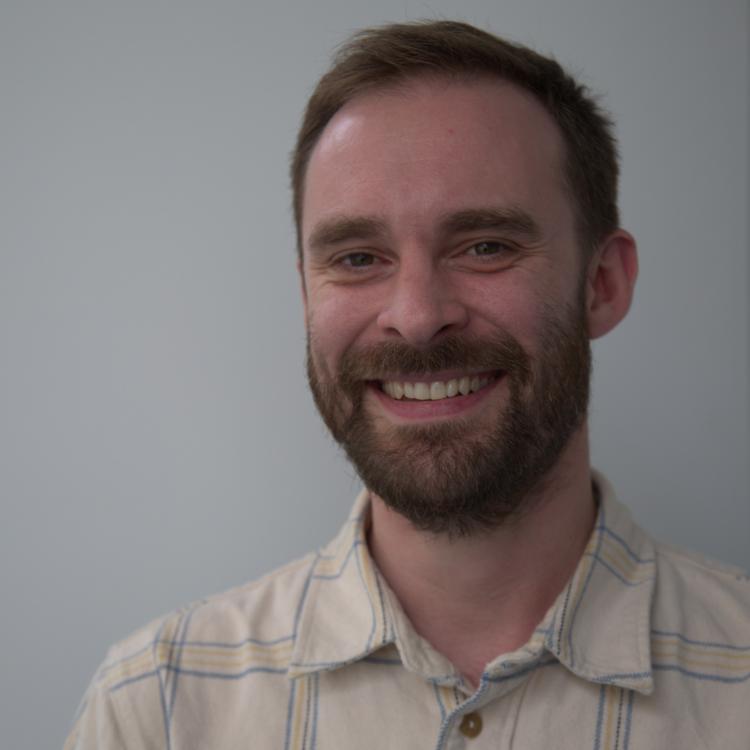
Raphael Deberdt, Postdoc
Zuzana Krulichová
December 2026
Human-AI Collaboration in Higher Education: Exploring the Impact of Technology Expectations and Distrust
In: Computers and Education: Artificial Intelligence. 11, 2666-920X, 14 p.
Journal article
Education (Panel content)
Our contribution to programmes and courses
MSC contributes to programmes across CBS, with an emphasis on management, sustainability, communication, technology, and international business. Much of our teaching emphasises responsible management, organisation, and governance in a world transformed by globalisation, technology, and environmental degradation.
We bring to our classrooms a particular concern with culture, communication and context to understand and critically reflect on the interaction and interdependencies of business and society. MSC staff are at the forefront of developing new and innovative teaching formats, especially in light of the possibilities and challenges of online teaching, artificial intelligence, and digital media.
While MSC contributes to courses across programmes at the bachelor, Master and Executive level, our research environments are particularly strongly represented in some particular programs.
At the bachelor level, our faculty play large roles in CBS’ BSc. in Corporate Communication, the BSc. in Market and Cultural Analysis, the BSc. in Business administration and Psychology, the BSc. in Business, Language and Culture, and the BSc. in Digital Management.
At the master’s level, we contribute extensively to the MSc. in Strategy, Organization and Leadership and the MSc. Sustainability minor and the MSc. Environmental, Social, Governance minor.
Looking for information about our PhD environment?
Scroll down and find it further down this page!
Bachelor programmes
Bachelor programmes to which MSC contributes
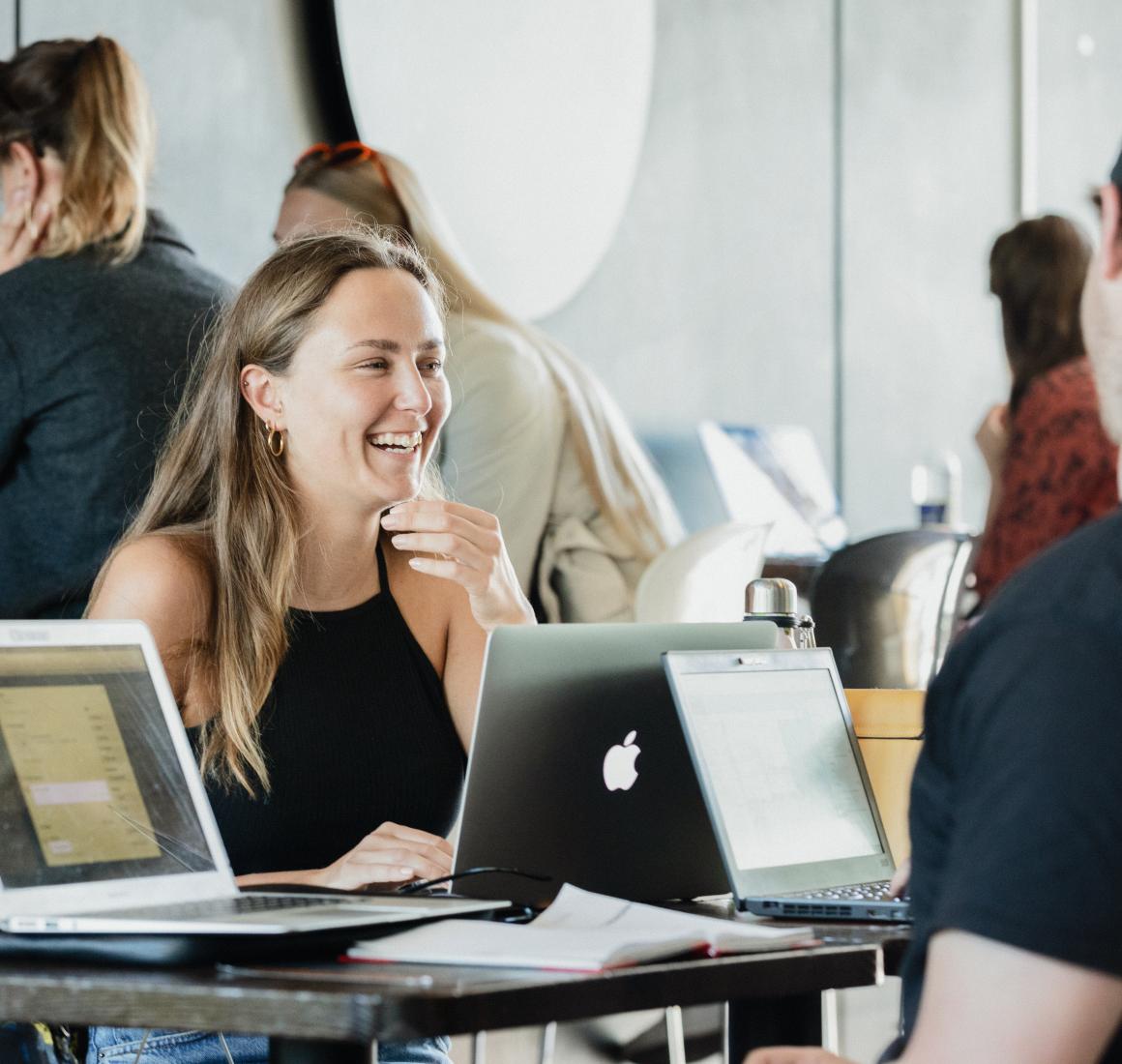
BSc in Business Administration and Digital Management
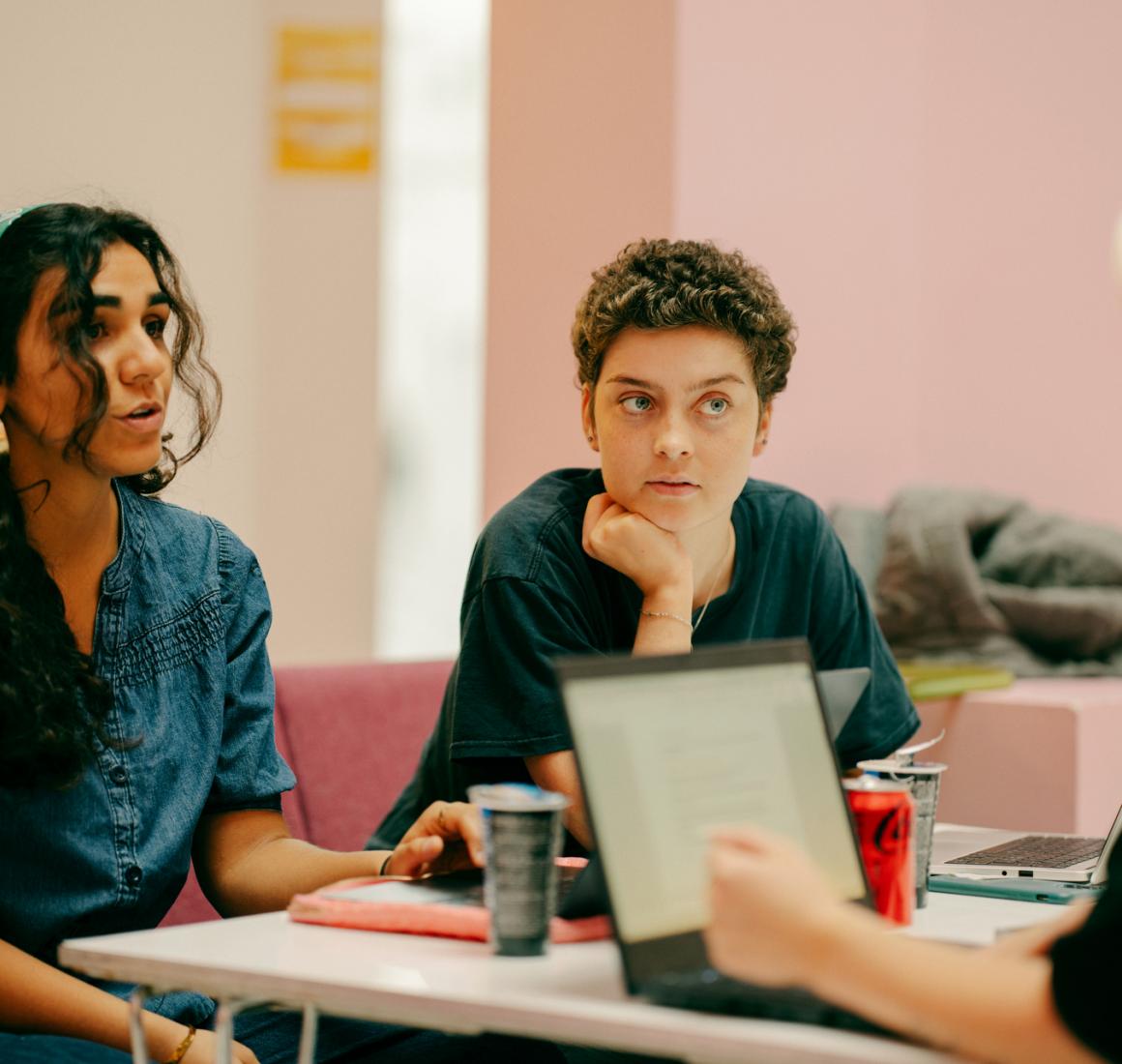
HA i markeds- og kulturanalyse

HA(kom.) - erhvervsøkonomi og virksomhedskommunikation
BSc in International Business and Politics
HA i erhvervsøkonomi
HA(mat.) - erhvervsøkonomi og matematik

HA i projektledelse
HA(psyk.) - erhvervsøkonomi og psykologi
HA(it.) - erhvervsøkonomi og informationsteknologi
Master programmes
Master programmes to which MSC contributes.
Cand.merc.(kom.) – erhvervsøkonomi og virksomhedskommunikation

MSc in Business, Language and Culture - Business and the Global South (Business and Development Studies)
MSc in International Business and Politics

MSc in Economics and Business Administration in Strategy, Organisation and Leadership

MSc in Economics and Business Administration in General Management and Analytics
Cand.merc.(psyk.) - erhvervsøkonomi og psykologi
Executive master programmes
Executive master programmes to which MSC contributes
CEMS - Master in International Management MIM
Our PhD programmes
The MSC PhD environment
At MSC, PhD students join a vibrant, international and interdisciplinary research community exploring the complex interplay between business and society. We host 20–30 PhD students, supervised by leading scholars across management, communication, sustainability, technology, development studies, and governance.
Through our portfolio of PhD courses, PhD students advance their knowledge of theories and methods tailored to their projects. MSC’s strong interdisciplinary orientation ensures both academic depth and breadth, preparing PhD candidates to address the pressing challenges of business and society.
MSC offers a supportive and collegial culture that integrates PhD students into all aspects of academic life. All PhD candidates are affiliated with one of the department’s research centers or clusters and take part in two work-in-progress seminars with expert discussants, annual PhD days, and regular research seminars.
Informal activities such as lunches, peer gatherings and social events foster community spirit and create space for exchange.
MSC predominantly recruits PhD students on a 3-year scheme, funded through CBS, external research grants, industrial PhD collaborations, or partnerships with other academic institutions.
Being a PhD Student at MSC
Being a PhD student at MSC means joining a vibrant interdisciplinary community where mentorship extends well beyond your supervisors. Seminars, peer feedback, and informal exchanges create a culture of openness. From early abstract ideas to full manuscripts, there is always someone ready to listen, support, and push you forward. Our doctoral community ensures that you never feel alone in this journey.
Ahaana Mahanti, MSC PhD student

Career paths for our Ph.D. students
Our department provides a stimulating environment that equips PhD candidates to pursue successful national and international academic careers. Through seminars, expert supervision, and an active and collegial PhD community, our candidates acquire the skills to produce cutting-edge scholarship as well as the soft skills needed to navigate academic labour markets with confidence.
The department’s strong position in the fields of sustainability, business & development studies, communication, governance, and digital transformation further opens doors to international networks and collaborations at an early stage.
Beyond academia, our PhD alumni also apply their expertise in a wide range of professional contexts. Our alumni have taken positions in government ministries, development agencies, NGOs, and private-sector firms, where they use their research to inform policy, drive organizational change, and shape sustainable business practices.
As such, our PhDs not only contribute to advancing knowledge but also create impact in society by bridging academic insights with real-world challenges.
Interested in a PhD with us?
Find information about entry requirements, enrollment, the CBS PhD School, PhD courses at CBS and more right here.
Employees (Panel content)
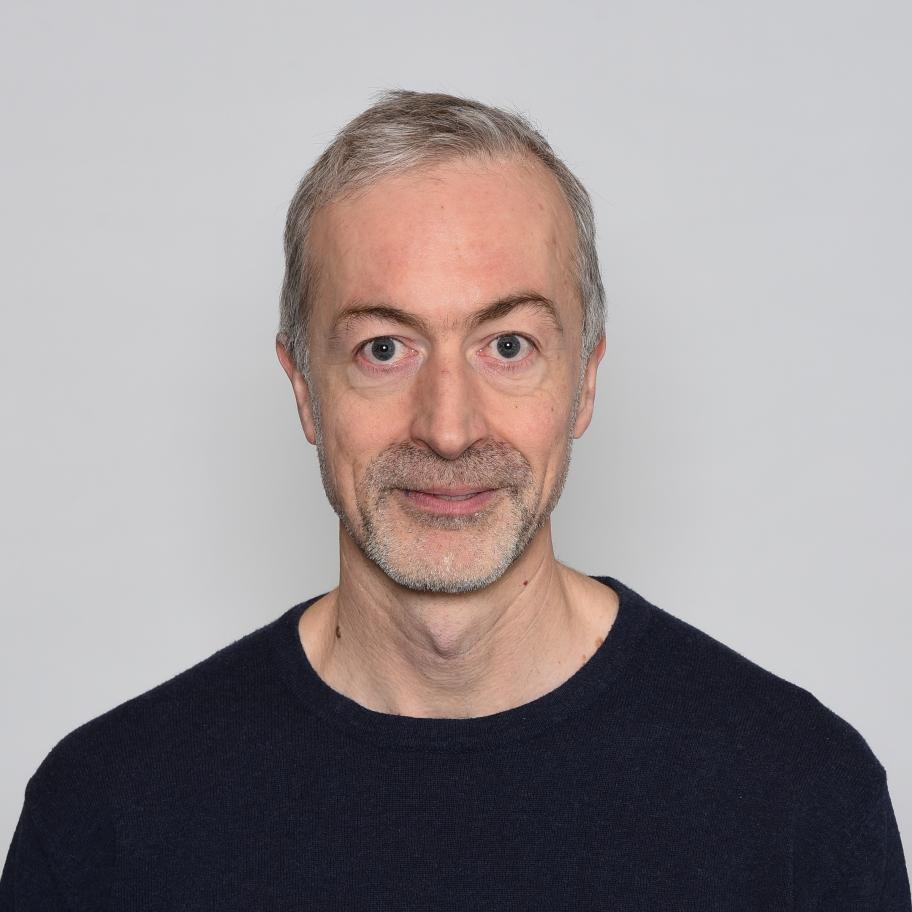
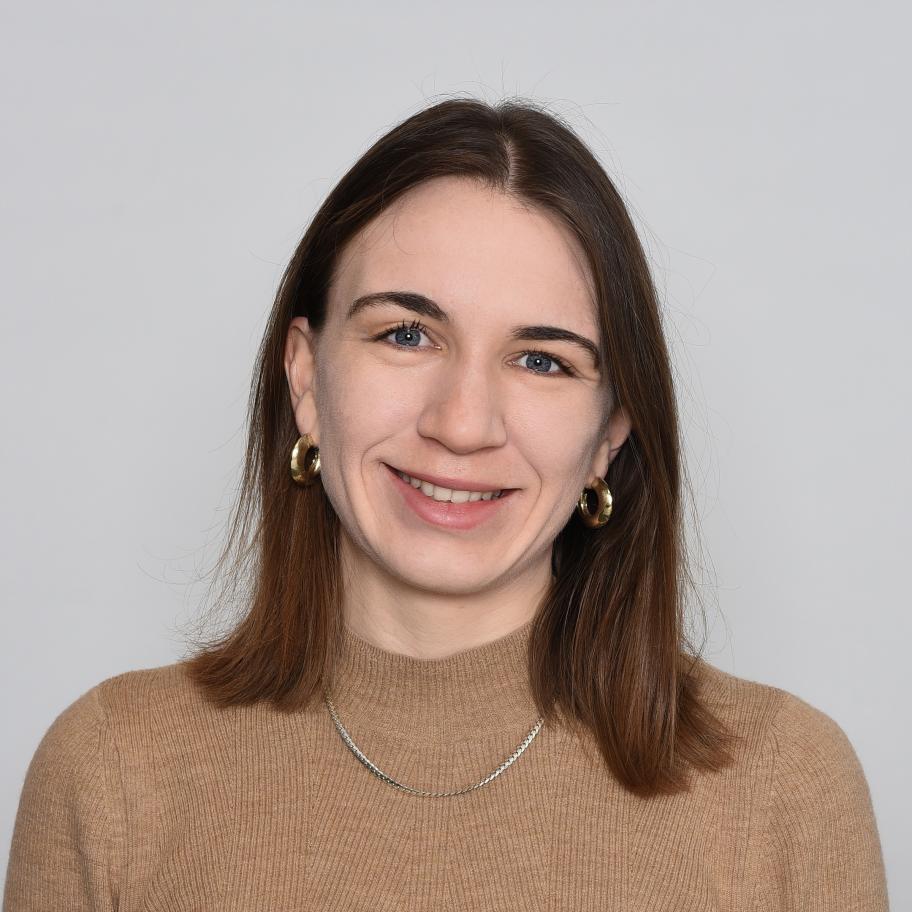
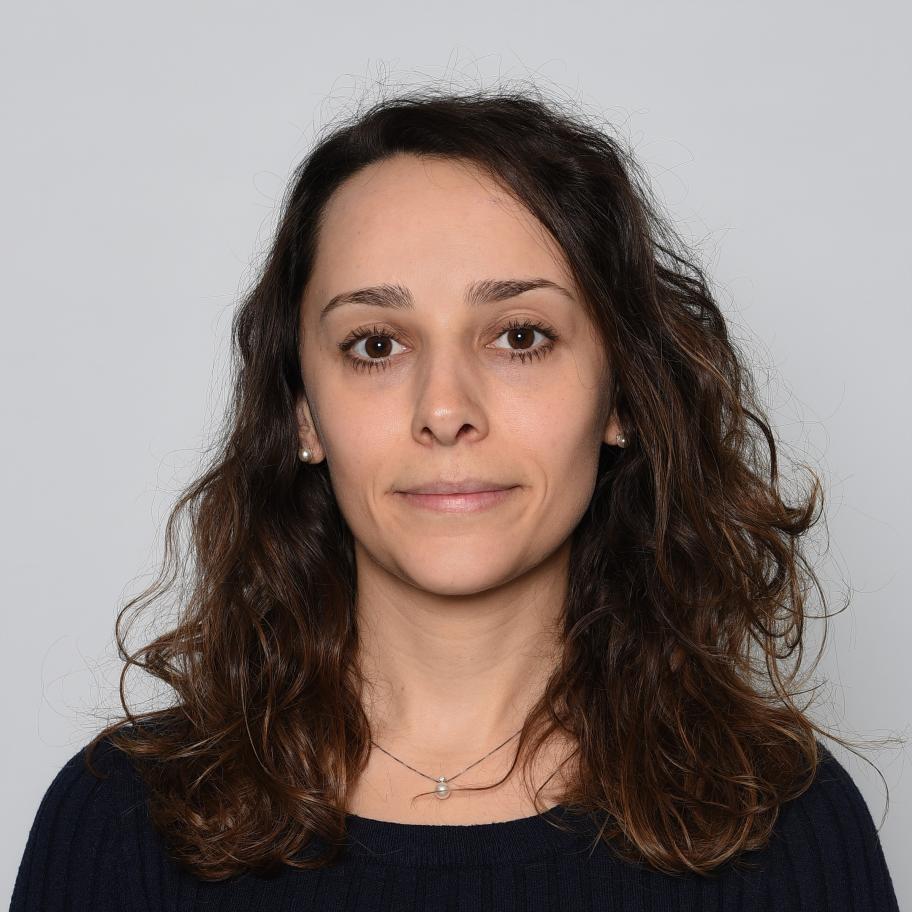
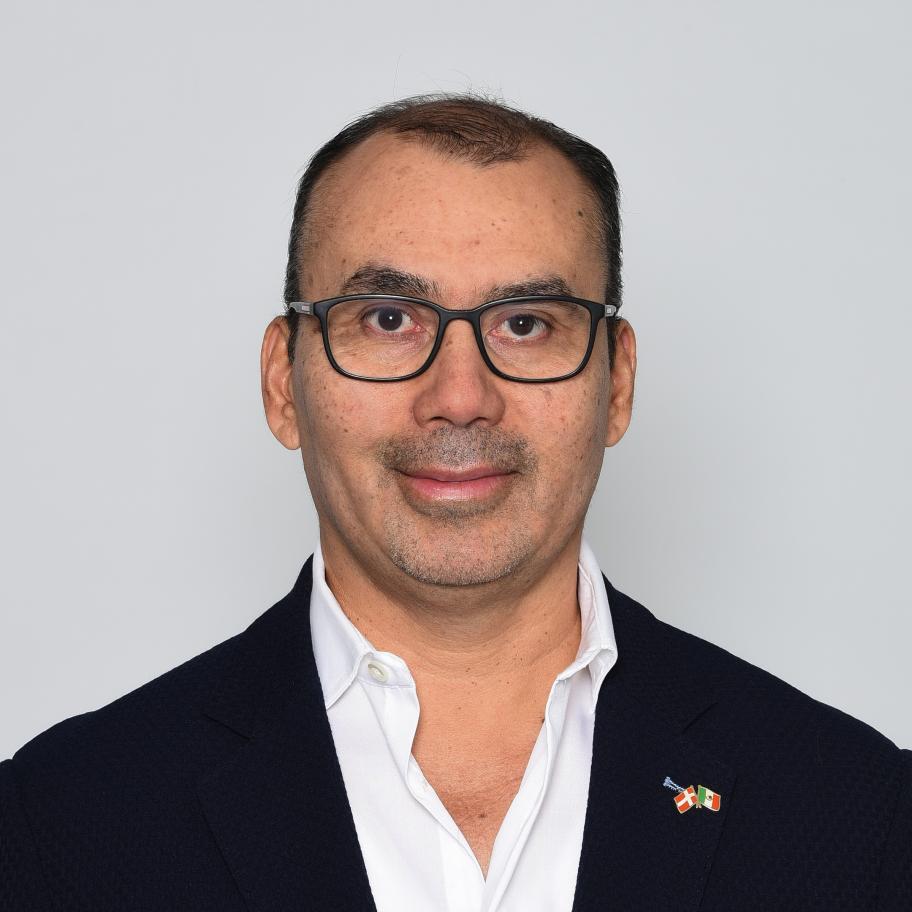
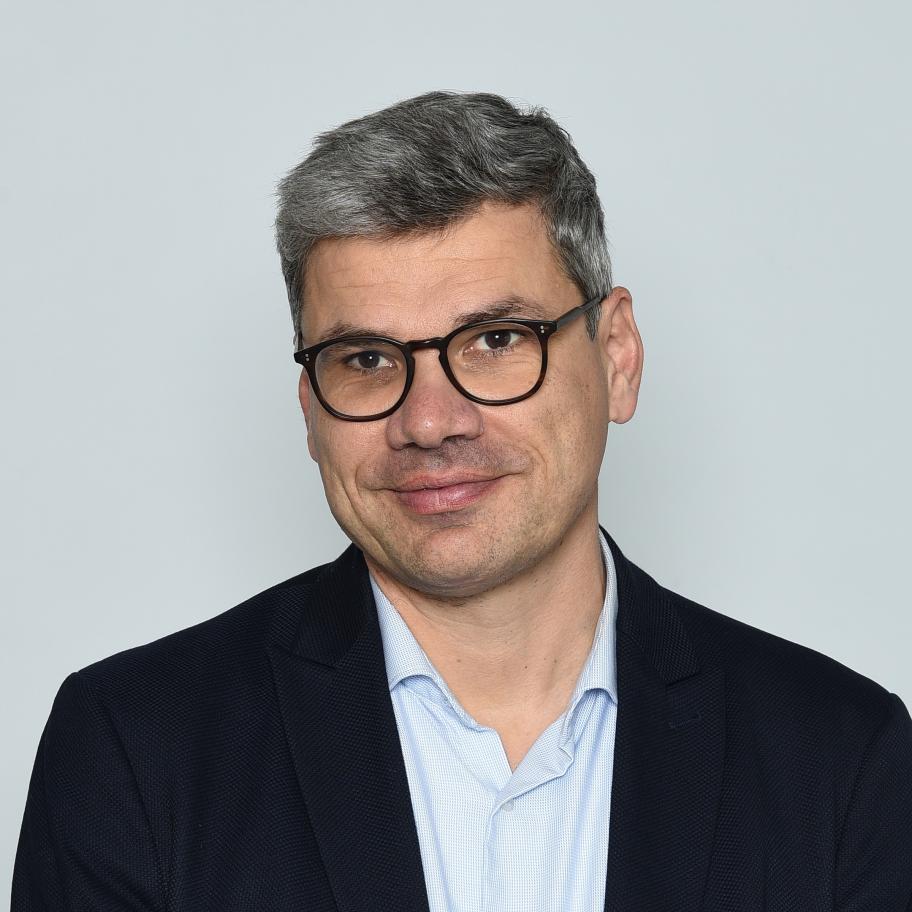
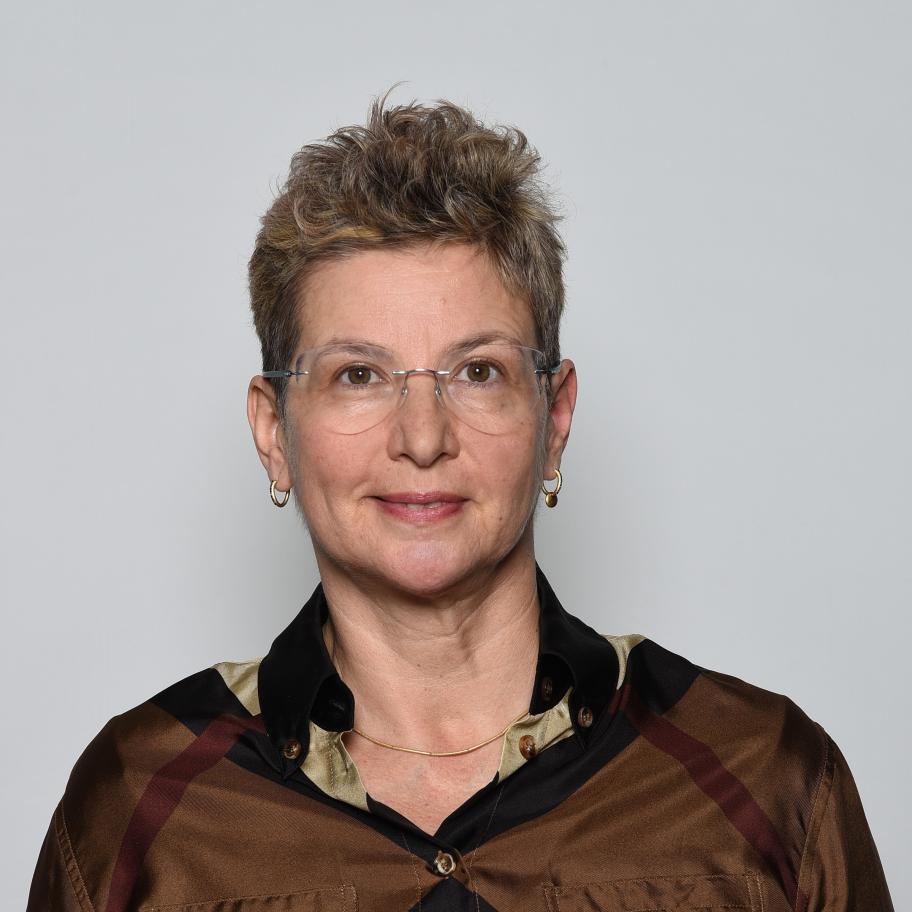
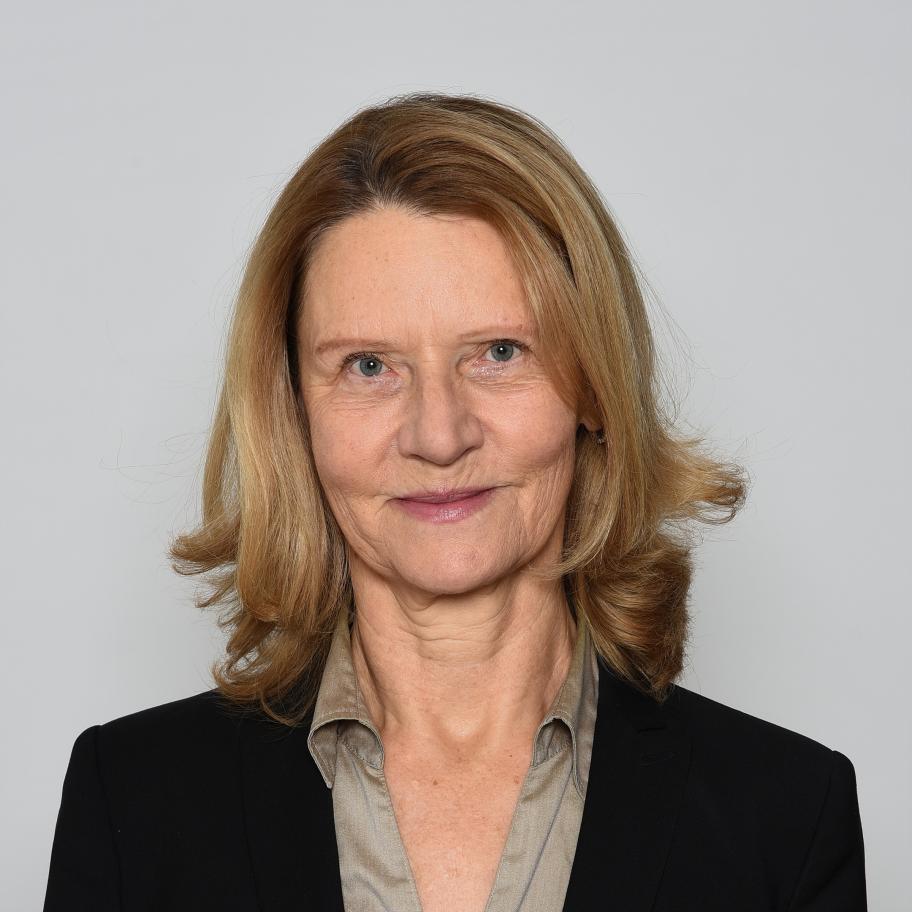
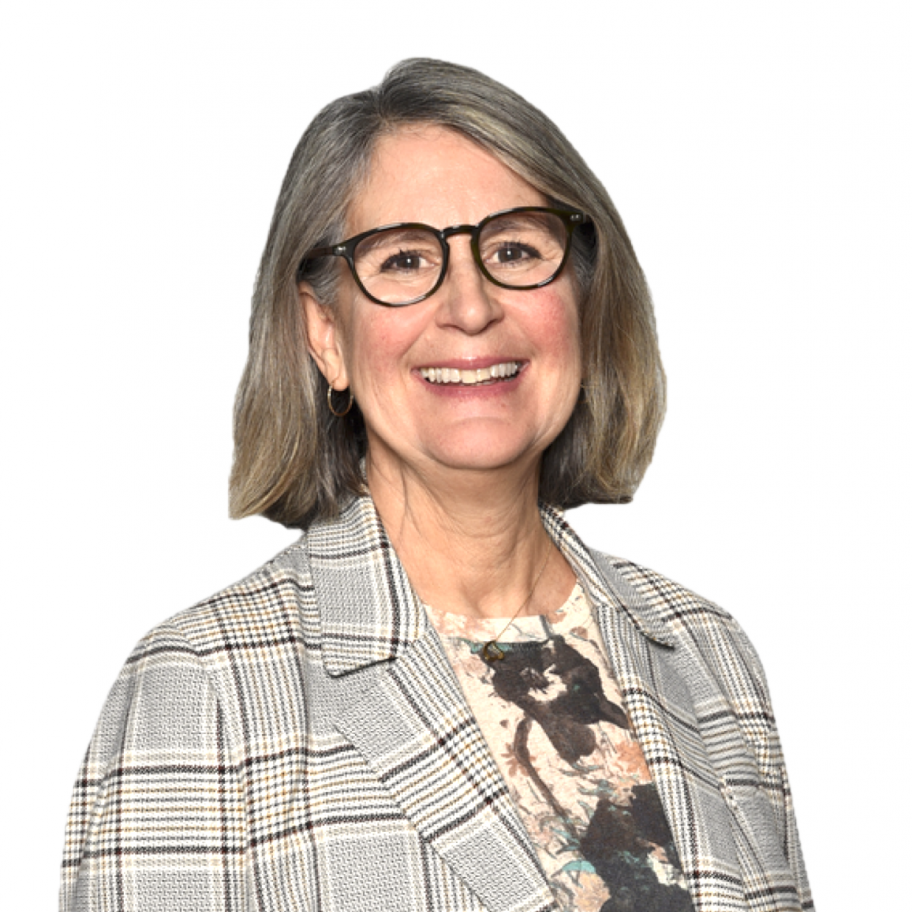
Our Employees


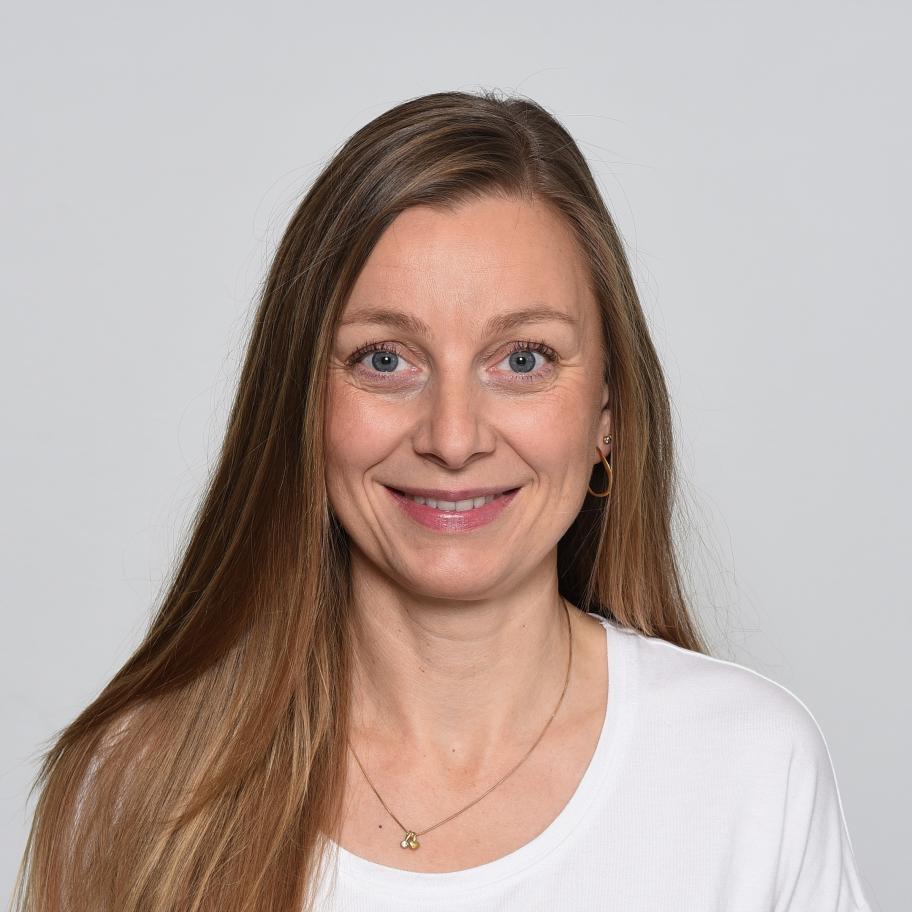
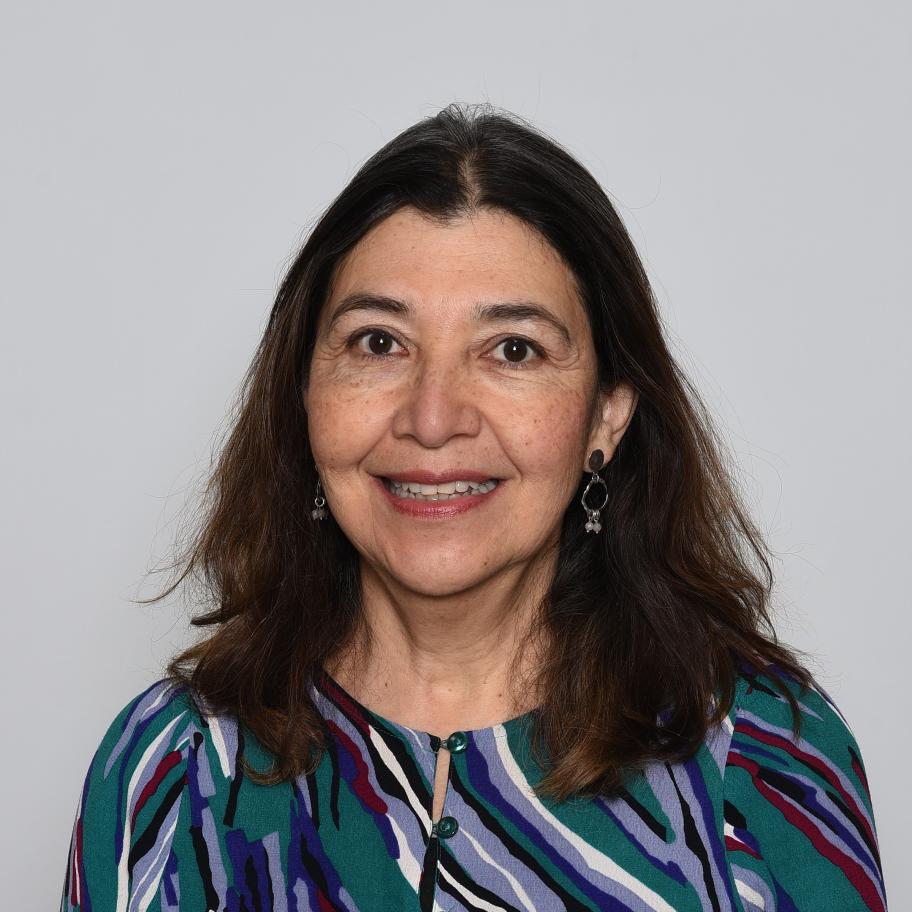
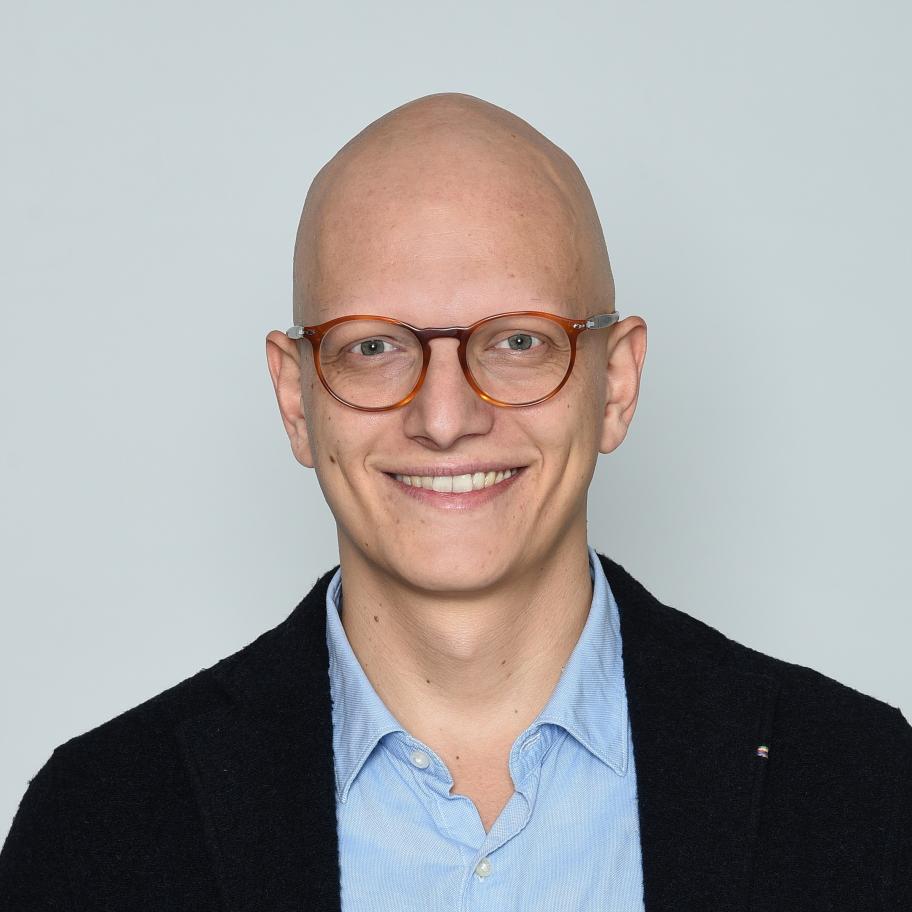












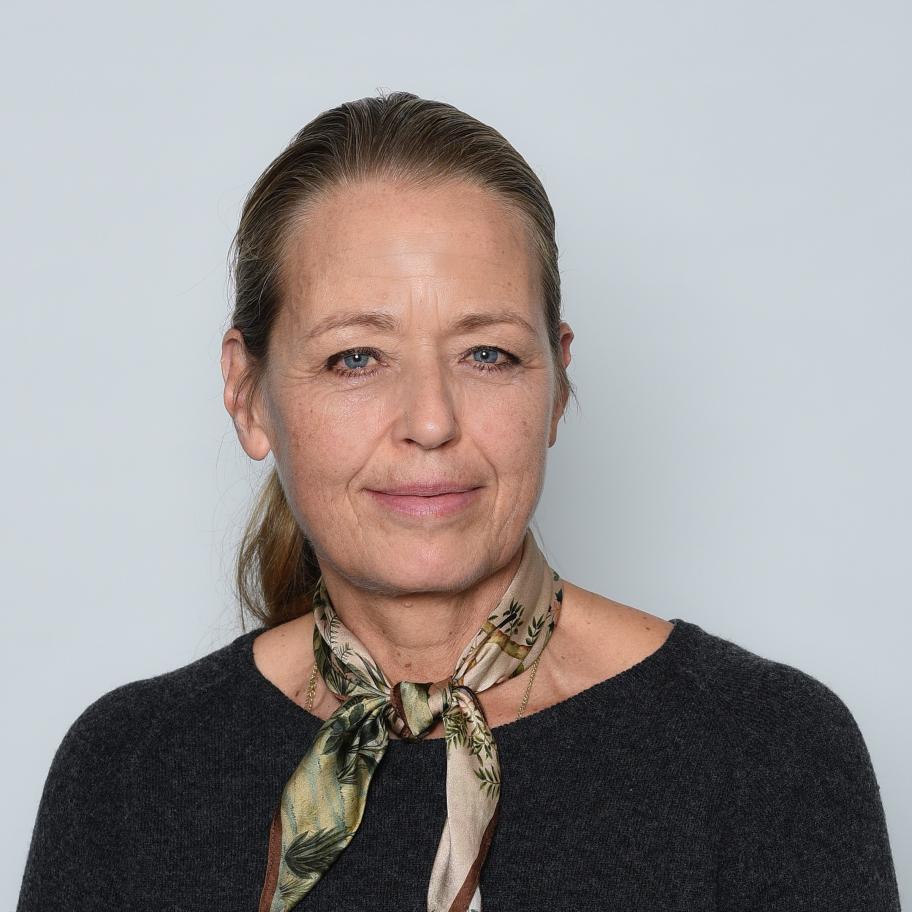
The MSC Support Team
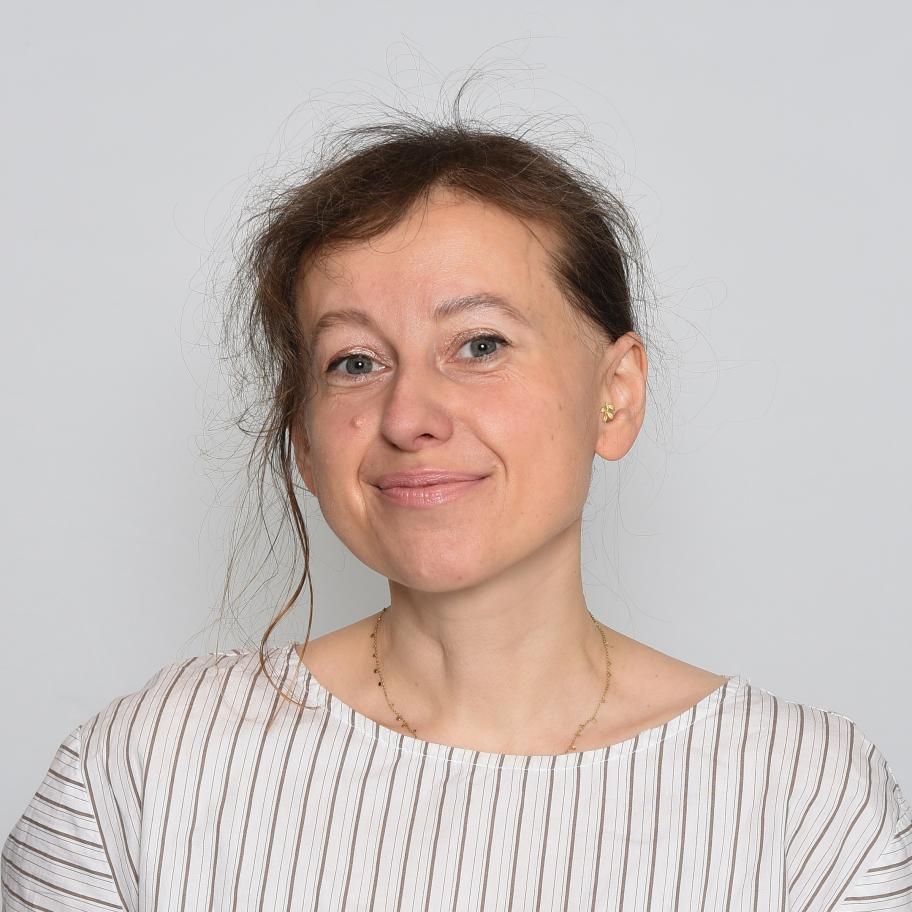
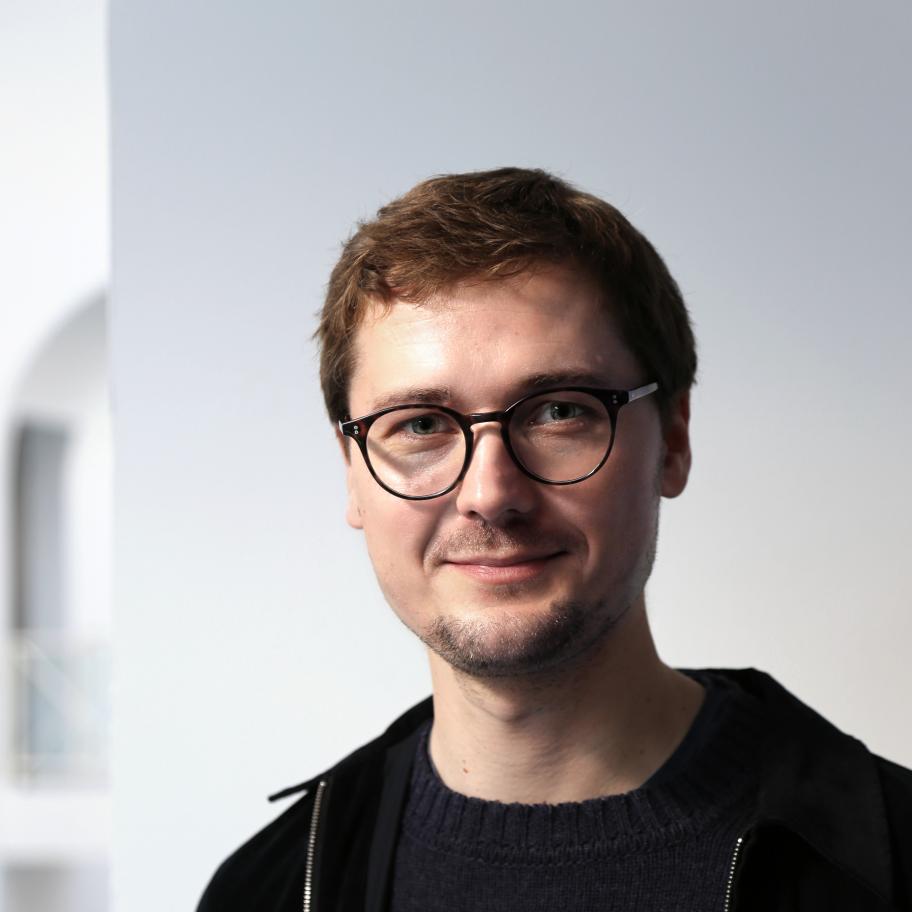
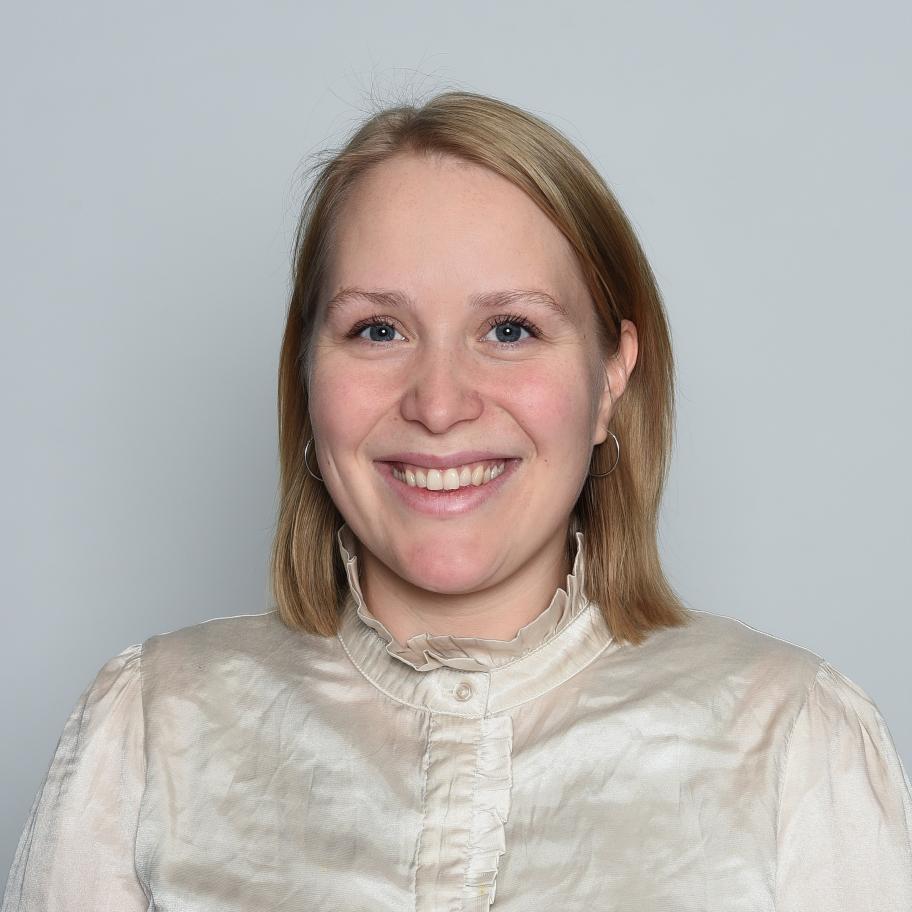
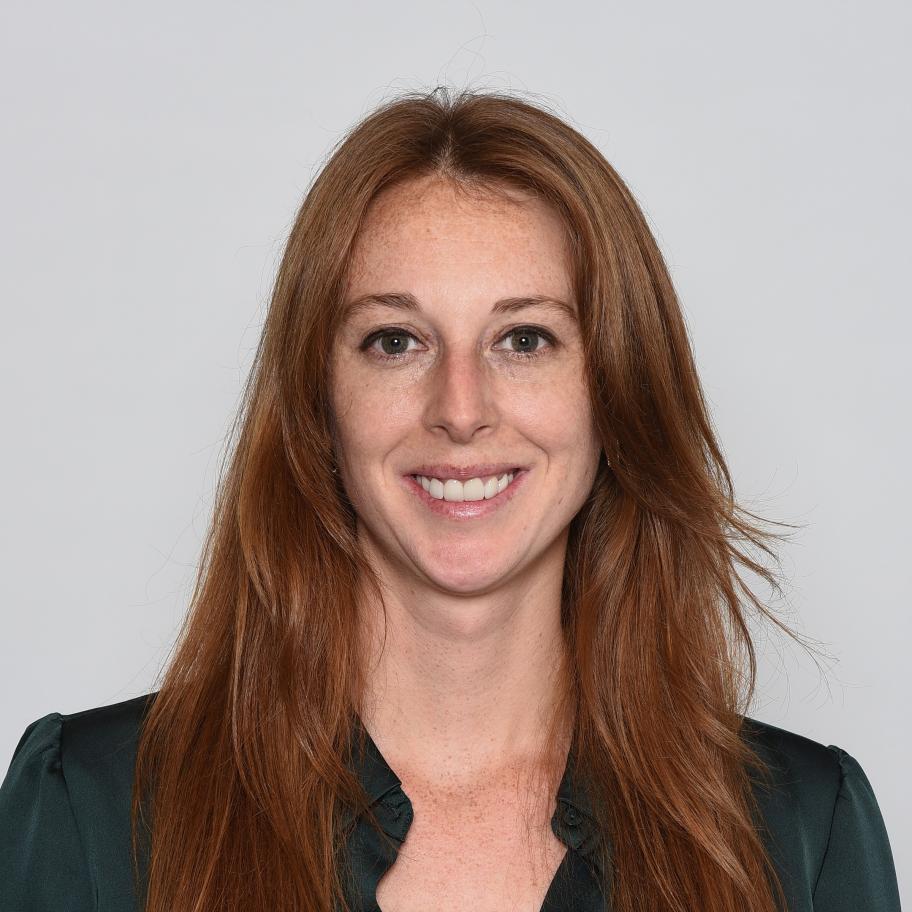
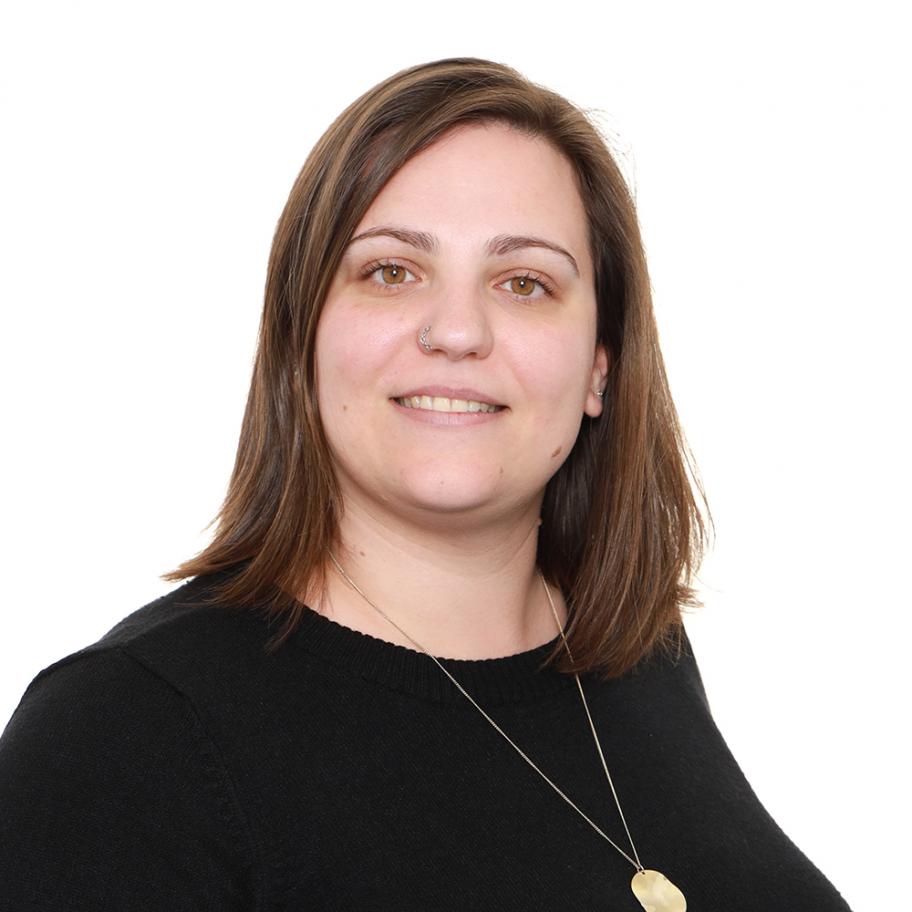
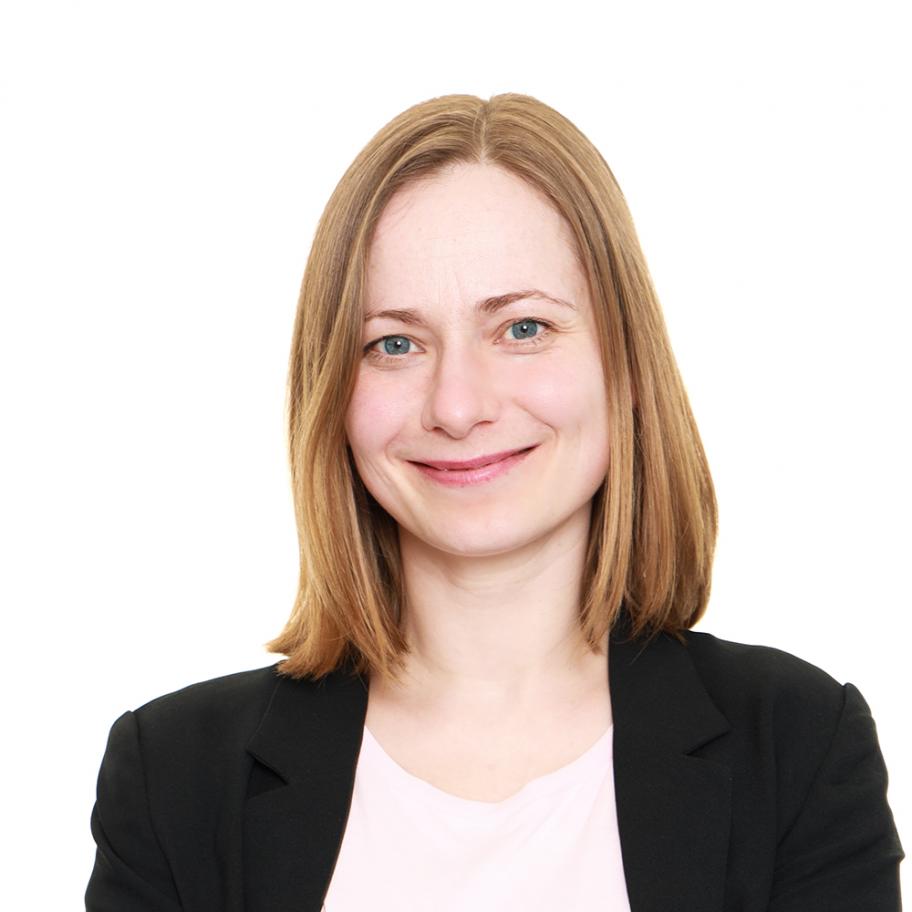
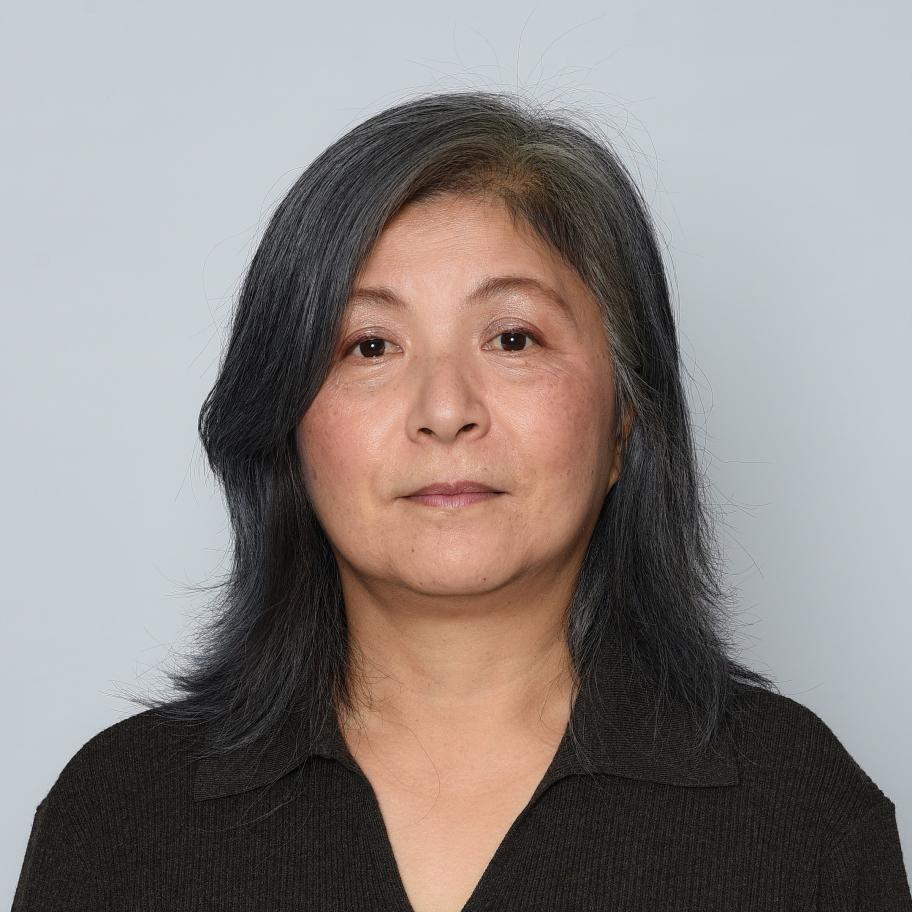
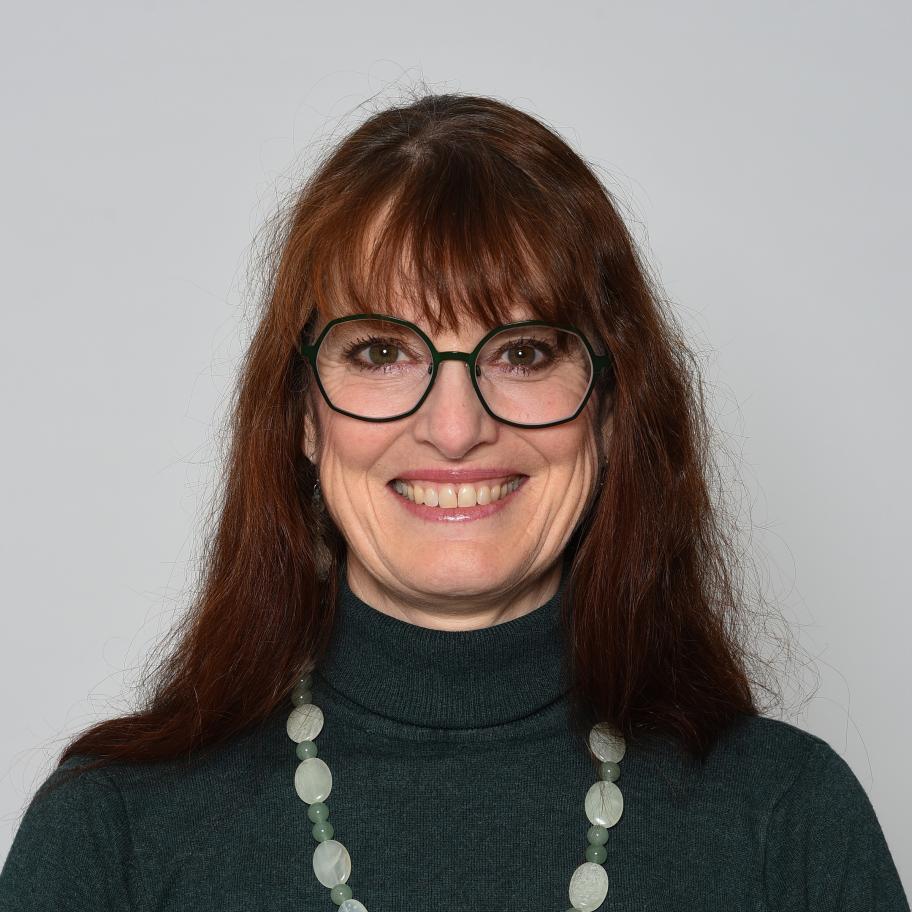
The MSC administrative team supports research and teaching through key services in finance, project and HR coordination, teaching administration, logistics, procurement, conference support, and communication.
Our mission is to support MSC and CBS strategies by equipping department leadership with a solid foundation for informed decisions and promoting effective solutions across disciplines, projects, and budgets.
We believe in a value-creating and productive working culture in an excellent working environment where confidence and responsibility are key factors.
