Geopolitics is a core task for businesses – not an afterthought
Trade policy is used as a power instrument, alliances are shifting, and conflicts hit supply chains and markets. That’s why geopolitics is a core task for top executives. According to a CBS researcher, future winners will be those who understand this. But there’s a clear gap between Danish companies that have reacted and those that haven’t yet.
Imagine your most important supplier disappearing overnight because a trade conflict erupts between several countries. Or a security crisis escalates, making your largest export market inaccessible – not just temporarily, but indefinitely.
These may sound like extreme scenarios, but they’re no longer confined to risk assessments or worst-case strategic analyses. This is a new reality that many organisations are already facing.
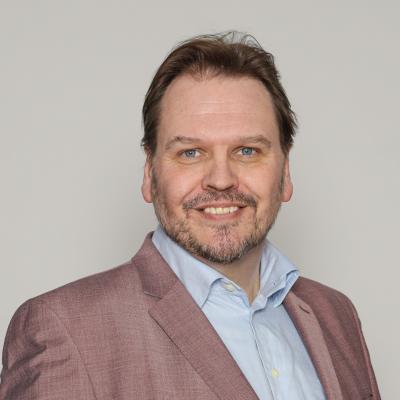
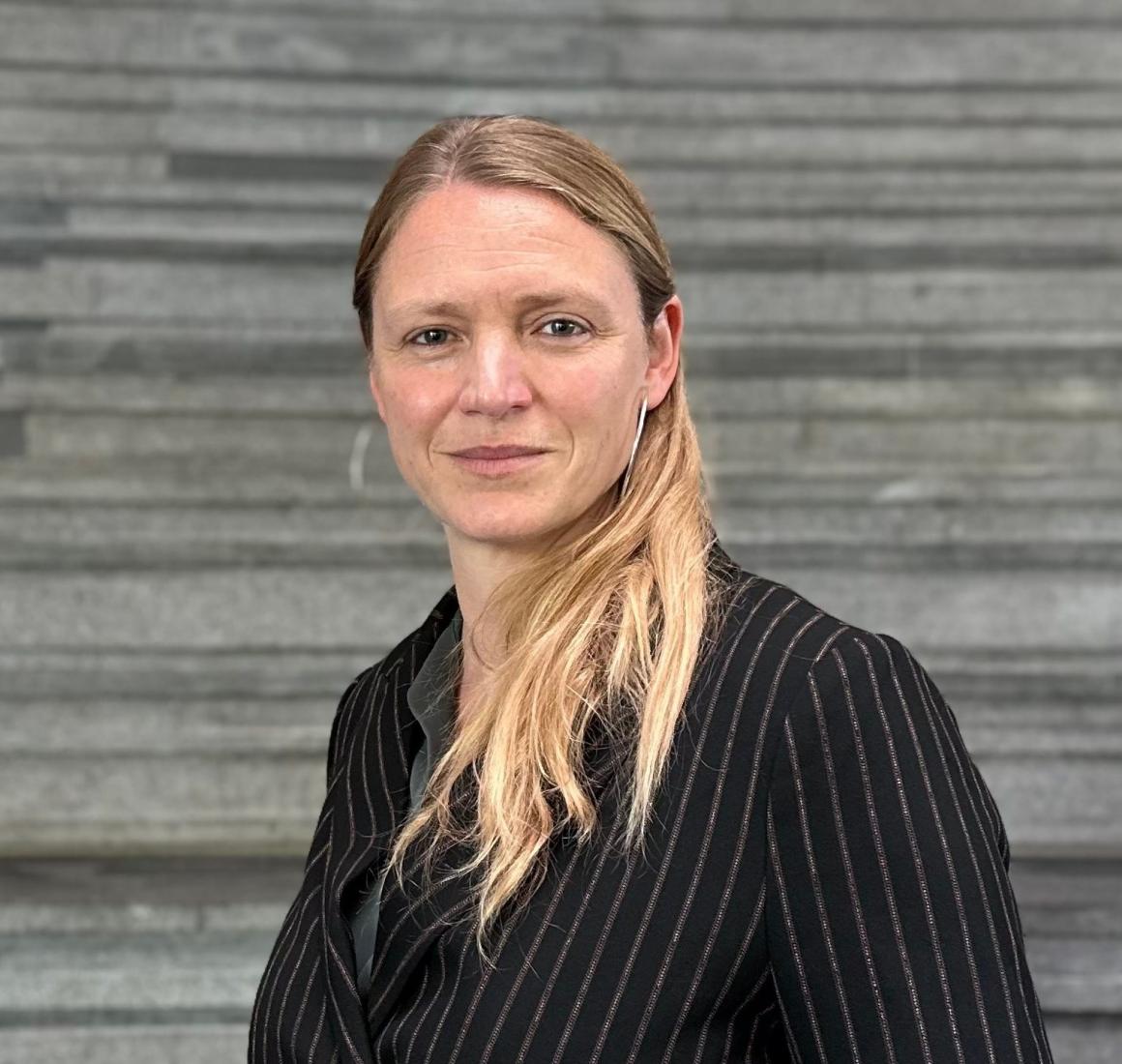
Geopolitics is no longer something that only belongs in the foreign ministry. It has become a task for top management, and the winners of the future will be those who make geopolitics a core responsibility, says Unnar Theódórsson, postdoc at CBS and researcher in strategic HR and risk management.
“Globalisation and internationalisation have made the world smaller, so when there’s war or conflict, a pandemic, or pirates somewhere in the world, it directly affects Danish companies and their ability to perform. Trade policy is also used as a power instrument, alliances shift, and conflicts can suddenly hit both supply chains and markets,” he explains.
“You can’t predict the next crisis point, but you can train the organisation to respond wisely when it happens. It’s not just about risk diversification; it’s about building decision-making capability under uncertainty.” Unnar Theódórsson
post.doc. at CBS
Ask yourself some tough questions
Unnar Theódórsson urges companies not to treat geopolitics merely as a risk management exercise, but rather as a strategic one.
“Companies need to integrate geopolitics into their strategy. The classic approach for many has been to make a Plan A and then a risk assessment. Now companies must accept that three or four alternatives are needed to safeguard against geopolitical developments.”
Making geopolitics a strategic exercise also requires top management to ask themselves some uncomfortable questions:
- How resilient is our economy if the world suddenly changes?
- Can our business model survive periods of low growth and high uncertainty?
- Do we have the competencies to act quickly and wisely when the situation becomes unpredictable?
- And do we even have access to the knowledge we need?
Building resilience requires far more than contingency plans, says Theódórsson:
“Supply chains must be mapped in detail, risks modeled and simulated, and business systems stress-tested to see where they break under pressure. You can’t predict the next crisis point, but you can train the organisation to respond wisely when it happens. It’s not just about risk diversification; it’s about building decision-making capability under uncertainty. The best leaders think in scenarios—not to guess the future, but to act faster when it changes.”
How to integrate geopolitics into leadership work
Four things are particularly important in the process, explains Unnar Theódórsson:
- Rethink the strategy so new opportunities can be seized.
- Adapt operations to be both efficient and resilient.
- Build the organisation with the right competencies for a geostrategic reality.
- Keep the company’s purpose as a guiding star when stakeholders pull in different directions.
A gap between large and smaller companies
When asked whether Danish companies understand what it takes to protect their business against geopolitical uncertainty, Unnar Theódórsson responds:
“There’s a gap. The C25 companies are aware of it and act accordingly. But where we see less reaction to global developments is among smaller and traditional manufacturing firms.”
According to Theódórsson, this could change if smaller companies also recognise that the world is no longer as stable as in the 1990s. And they must make geopolitics a core task rather than an afterthought.
“The difference is whether you’re reactive or proactive. It’s necessary to stay ahead—not to be pessimistic, but to be realistic.”
Several international companies - including in Denmark - are now seeking knowledge to proactively prepare for geopolitical uncertainty, he notes:
“They’re bringing former diplomats and international policy experts onto boards. Others are creating specialised roles like Chief Geopolitics Officer. This isn’t window dressing; it’s essential,” he concludes.
He explains that Denmark is among the world’s most globally integrated economies and therefore also among the most vulnerable when the world order shifts.
“Trade and know-how are Denmark’s strengths. We don’t have many natural resources, but we excel at design, production, and connecting the dots. Because we interact so much with others, the demands on us are high. We need to be frontrunners in understanding and navigating geopolitics.”
About the researcher
Unnar Theódórsson is a postdoc at CBS. For about ten years, he worked as a mid-level manager in the financial sector, focusing on risk management, including during the financial crisis. He has taught at CBS for several years, written a Ph.D. on talent management in the financial sector, and for the past five years has researched strategic HR and risk management.
“As someone who has stood in the trenches myself, I’ve gained insights for my research that I could never have learned from books,” he says.
Keep reading

FIFA World Cup: Who will be the financial winners and losers?
We can learn from China

The fight against fake news: know the difference between information and intention
Is Your Strategic Toolbox Up to Date?
How much critical thinking can we outsource?
Your gateway to more knowledge
Did you find this content interesting? Sign up for our newsletter and gain access to more of our research findings and events.
With the world’s grand challenges awaiting us, we need to continuously evolve, gain new knowledge and insights, and upskill.
Dive into a world of knowledge by signing up below. You will get:
- Personal event invitations
- Pertinent research-based insights on business and society
- Information about the next intakes of our Executive Education programmes and courses
Keep learning
Strategy & Geopolitics

Green shipping and Port Management

Master of Business Development

Executive MBA