When economic thinking becomes too narrow to explain the real world
When economics is reduced to a single dominant way of thinking, we lose sight of the reality the discipline is meant to explain. A broader, historically grounded and more pluralist perspective is essential if we are to understand the forces shaping firms, societies and global shifts in power.

Economics is still widely taught and applied as if there were only one legitimate way of understanding how the economy works. That way of thinking is rooted in neoclassical economics, with its emphasis on formal models, equilibrium and mathematical optimisation.
As the economist Ha-Joon Chang has argued, this dominance has fostered the idea that “there is no alternative”. What is striking is how little this has changed despite major economic disruptions, not least the global financial crisis of 2007–08. In its aftermath, students across Europe – including in Denmark – mobilised under the banner of the Rethinking Economics movement, questioning curricula that seemed increasingly detached from economic reality.
Over time, economics teaching has become more focused on models and mathematical techniques, often at the expense of economic history, institutional analysis and competing schools of thought. This marks a significant departure from how economics was taught until the 1980s, when Keynesian, Austrian, Marxian, developmentalist and institutional perspectives coexisted within the discipline, and historical context was seen as essential rather than optional.
Why pluralism matters
Societies need people who understand how real economies function in all their complexity – and how economic systems differ across regions and countries with different economic structures, level of economic complexity and degree of industrialisation. This requires an understanding that markets are not always efficient, and that the more relevant question is often: efficient for what purposes, and for whom?
Pluralist economic thinking equips students and practitioners to engage critically with competing explanations of economic phenomena, rather than treating one framework as universally applicable. It also develops the independent judgement required to draw selectively from different schools of thought when addressing concrete problems.
These capabilities are increasingly important for understanding and debating issues such as the greening of capitalism, geoeconomics and geopolitical rivalry, and the rise of anti-democratic movements linked to long-term economic decline and widening inequality.
What firm-level reality tells us
My own firm-level and industry-level research across markets in Asia, Africa and Europe further underscores the limits of overly abstract economic models. In practice, firms rarely behave in the way neoclassical theory would predict. Decision-making does not typically involve optimising a production function under clearly defined constraints.
Instead, firms operate within historically shaped institutional environments and are embedded in social, political and organisational contexts that shape both what they can do and why they pursue certain strategies. Ignoring these dynamics makes it difficult to explain real-world outcomes – from uneven patterns of industrial development to persistent productivity gaps.
About the researcher
- Lindsay Whitfield is Professor of Business and Development at the Department of Management, Society and Communication, Copenhagen Business School.
- Her research focuses on how economic development unfolds in a changing global economy, especially through industrial policy, capability building and firm behaviour across Africa, Asia and Europe.
- She combines historical insight with comparative analysis to understand real-world economic dynamics and their implications for policy and practice.

Understanding industrial policy, technology and trade
Without a broader and more historically grounded approach to economics, it becomes hard to grasp why industrial policy has repeatedly played a central role when countries have fallen behind the technological frontier. There is no single model of industrial policy; its forms and mechanisms have varied widely across time and place.
Similarly, understanding why some European start-ups struggle to learn how to produce new technologies profitably – such as electric vehicle batteries – requires attention to learning processes, state support and institutional structures, not just market signals. The same applies to international trade, which has always been shaped by geopolitical rivalry and geoeconomic competition, rather than by comparative advantage alone.
Rethinking what economic understanding requires
If economics is to help future leaders, policymakers and entrepreneurs navigate today’s challenges, it must move beyond a narrow focus on abstract models. A pluralist, historically informed and empirically grounded approach is not a rejection of rigour, but a recognition that economic reality is more complex than any single framework can capture.
The question, then, is not whether economics should be rethought in light of real-world complexity – but how economic thinking can better reflect the diversity of economic experiences and the structural forces that shape them.
Keep reading

If Knowledge Is a Matter of Trust, Who Decides What Is True?
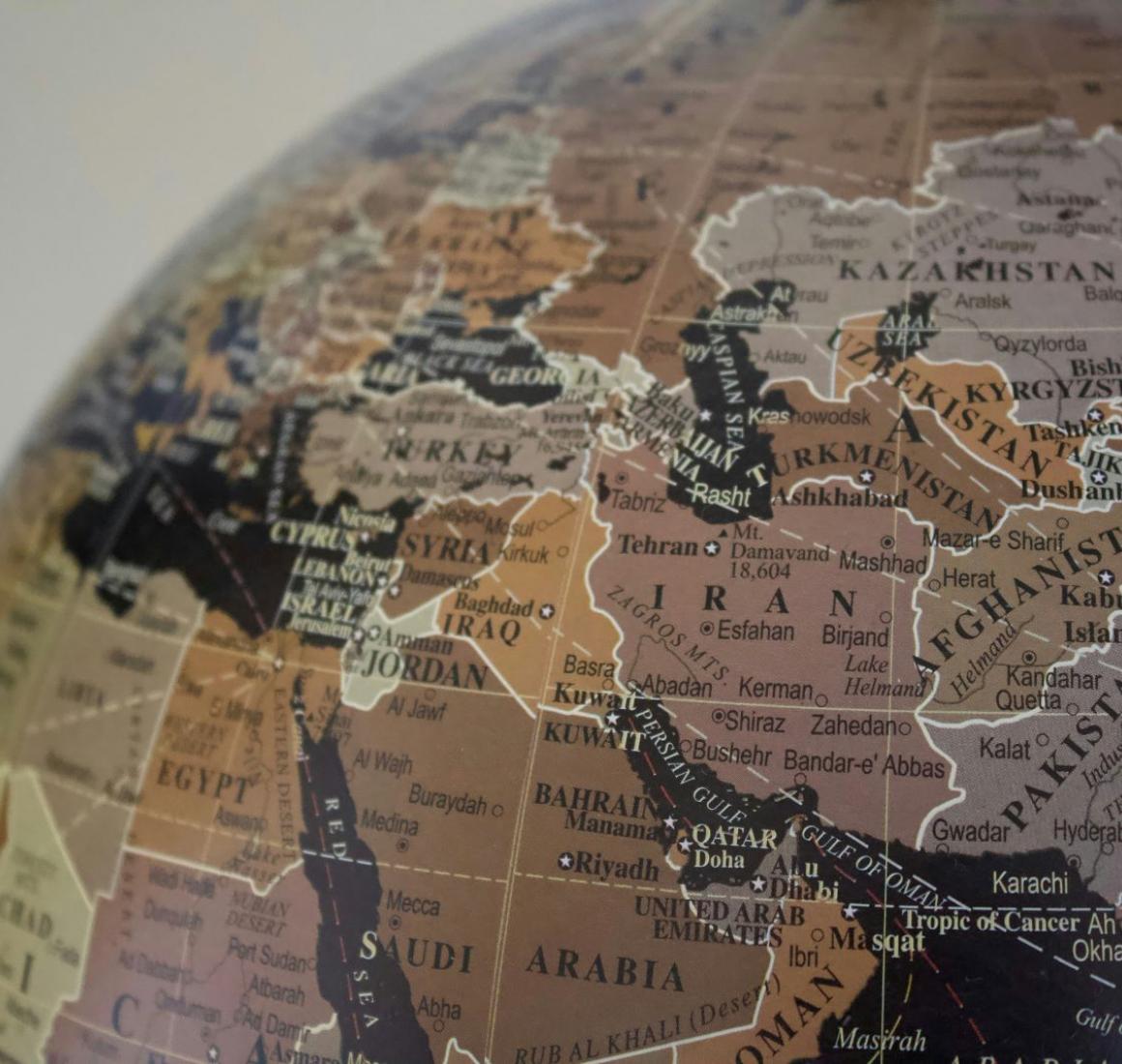
Geopolitics is a core task for businesses – not an afterthought

Podcast: Escaping the Logic of Extraction

Bridging the Gender Gap in Financial Behaviour: A New Research Initiative
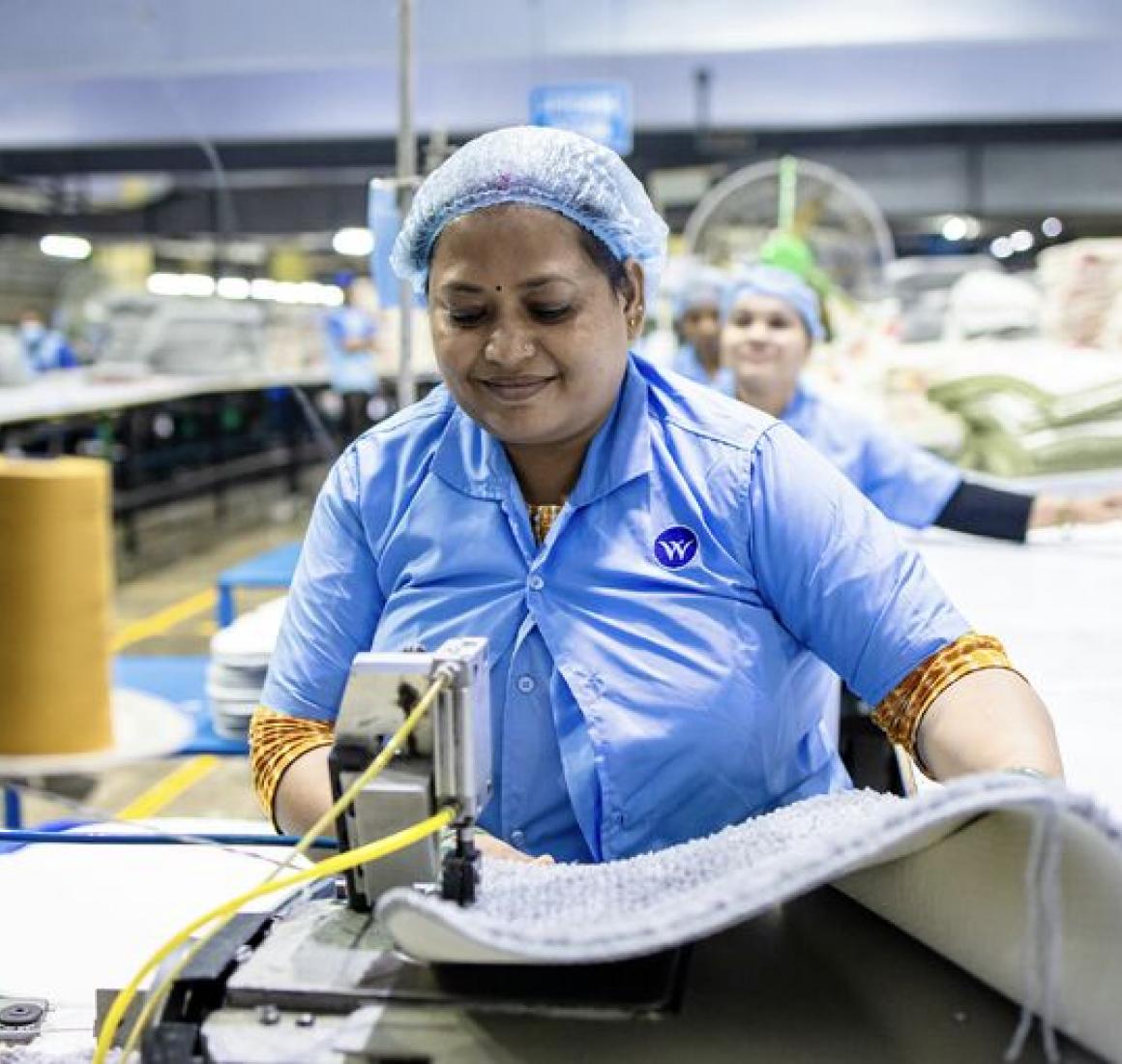
Immigrants earn less and have limited access to high-paying jobs

Being laid off affects women more severely than men
Your gateway to more knowledge
Did you find this content interesting? Sign up for our newsletter and gain access to more of our research findings and events.
With the world’s grand challenges awaiting us, we need to continuously evolve, gain new knowledge and insights, and upskill.
Dive into a world of knowledge by signing up below. You will get:
- Personal event invitations
- Pertinent research-based insights on business and society
- Information about the next intakes of our Executive Education programmes and courses
Keep learning

Master of Business Development

Executive MBA

Erhvervsøkonomi og forretningsforståelse

Business Development