If Knowledge Is a Matter of Trust, Who Decides What Is True?
Do you get your news from traditional media, social media, or research publications? As information sources multiply, shared understandings of reality are fading. So what is knowledge today, and can society function without a common understanding? Three experts discuss the state of knowledge in Denmark today.
Every day, stories spread across social media that millions of people encounter long before journalists, researchers, or public authorities have a chance to fact-check them. In short, truth is constantly up for debate today.
These same trends are also changing our understanding of knowledge. Although the Danish Dictionary defines knowledge, among other things, as “everything that has been learned in a society,” an editor-in-chief, a researcher, and a social media expert each take a slightly different view of what defines knowledge today.
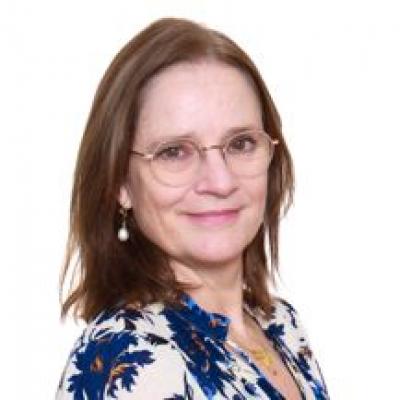
“To me, knowledge is the best possible interpretation at a given point in time,” says Nanna Mik-Meyer, Professor at Copenhagen Business School. Her research focuses on power dynamics in organisations and the formation of identity. She is also a member of the Danish Power Inquiry 'Magtudredningen', an initiative that produces research-based knowledge about the state of democracy and shifts in power in the 21st century.
“Therefore, I do not subscribe to the idea that there is one ultimate truth. We can try to move closer to it, and that is precisely what researchers do.”
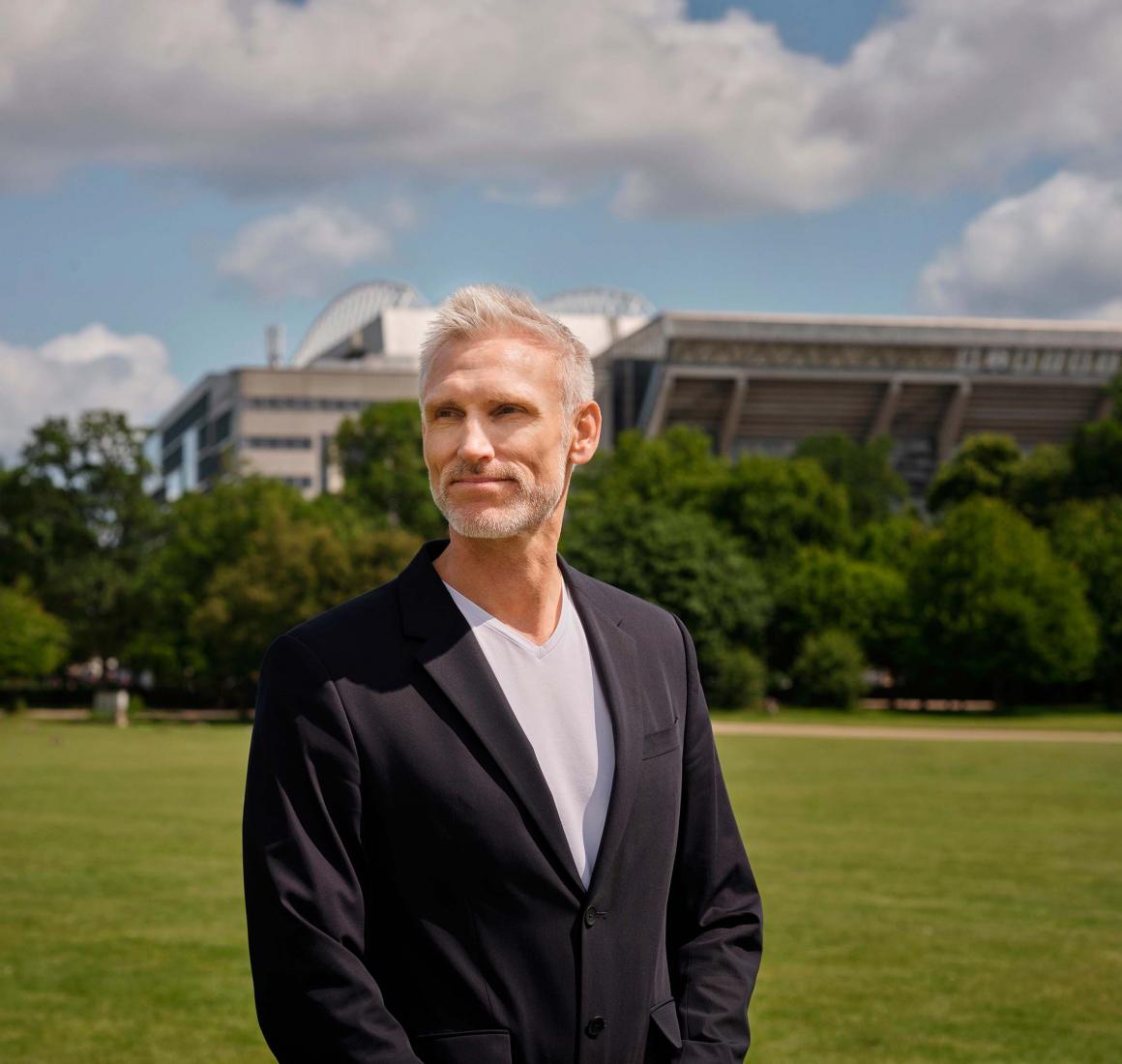
“How can we, as a society, public authorities, newspapers, researchers, and private companies, create voices that people trust, even when they are not like ourselves? To me, the communication of knowledge and the rebuilding of trust are the greatest challenges.” Eske Vinther-Jensen
Founding Partner at Common Consultancy

Eske Vinther-Jensen is a partner at Common Consultancy, where he works with social media, political campaigns, and the formation of public opinion. He agrees with Nanna’s definition, but also believes that knowledge depends on a broader consensus about the best possible interpretation.
“To me, a good example is when I go to a hospital as a patient. The doctor treats me based on the consensus shared by the doctor and their colleagues, but as a patient I also accept the treatment and trust that it is grounded in a form of consensus-based knowledge.”
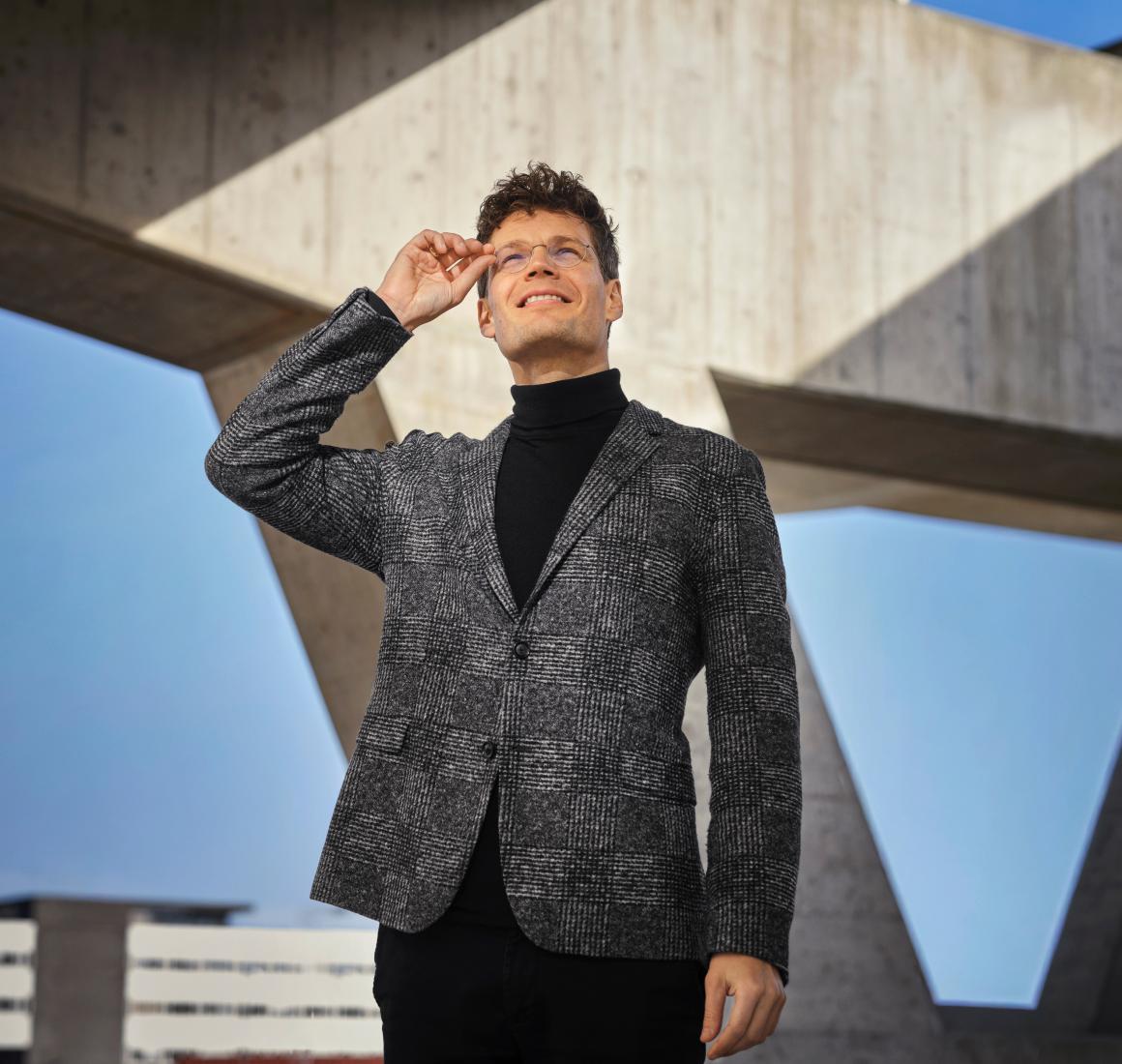
Christian Jensen, Editor-in-Chief of the Danish newspaper Politiken, also rejects the idea of absolute knowledge, but argues that knowledge must, by definition, be substantiated.
“There must be an evidentiary basis and a level of source criticism that can be presented to the average citizen. For me, that transparency is what brings us closer to something that can be described as knowledge.”
The Femern blunder and the battle for communication
A changing understanding of knowledge also brings with it a new understanding of truth. Christian believes that the conditions for receiving knowledge have changed. Where people once tended to trust the information they were given, the prevailing assumption today is that everything is false until proven otherwise.
And what is the antidote to such a culture of distrust? Trust, according to the experts. For Christian, trust in the traditional media is built through transparency – also regarding mistakes.
“Since 1884, Politiken has claimed to provide the highest level of public enlightenment, and from time to time we do get a little carried away by that. One example was when we wrote that the Femern connection would finally connect Denmark by land to continental Europe. When discussing what can be considered knowledge and what cannot, that was unquestionably a mistake.”
According to Christian, mistakes like these are inevitable and represent a breach of the trust that gives the media its legitimacy. But that trust can be rebuilt through accountability, openness, and a willingness to apologise.
“The more open we are about our mistakes, the more credibility we gain. And the most important thing we can do is explain the assumptions behind the knowledge we present – what supports it, what argues against it, what we know, and what we do not know. In fact, when presenting knowledge, it is just as important to explain what we do not know.”
“Today, knowledge is placed within a hierarchy. Those who have easier access to politicians and other powerful actors also find it easier to have their interpretation of the facts recognised as knowledge. What we tend to forget is that people who are lower down in society and relate to the same facts may have a different understanding.” Nanna Mik-Meyer
CBS Professor

For Eske, it is no longer enough simply to put the facts on the table. The struggle to build consensus around knowledge has become the most important challenge.
“How can we, as a society, public authorities, newspapers, researchers, and private companies, create voices that people trust, even when they are not like ourselves? To me, the communication of knowledge and the rebuilding of trust are the greatest challenges.”
According to Nanna, we also face a challenge when it comes to who gets to define and interpret knowledge.
“Today, knowledge is placed within a hierarchy. Those who have easier access to politicians and other powerful actors also find it easier to have their interpretation of the facts recognised as knowledge. What we tend to forget is that people who are lower in society and relate to the same facts may have a different understanding. But that understanding has more difficulty gaining access, and that is why, in a democracy, it is incredibly important that we pay attention to those who do not have direct access.”
Who can we trust?
In Denmark, 58% of young people aged 18 to 24 use social media as a source of news. These online platforms have therefore become the place where many members of the younger generation find the knowledge on which they base their understanding of the world. Nanna believes that social media can impair our acquisition of knowledge. She has deleted all of her social media accounts except LinkedIn.
“I feel that the time that has been freed up to actually read things and read books simply increases my knowledge enormously compared with all that scrolling.”
“There is still a shared understanding of a great many things. But it is our responsibility to critically demand evidence behind any piece of information. We have moved far too far away from critical thinking.” Christian Jensen
Editor-in-Chief of Politiken

However, according to Eske, it can be dangerous to dismiss social media as a source of knowledge and to frame the debate as a generational issue. Research also shows that the older generation frequently shares misinformation.
“We need to be careful not to criticise it so much that we leave the playing field to those who know how to use it well and are eager to promote forms of knowledge that we would rather not see become dominant.”
And when it comes to the future rules of knowledge communication, regardless of the platform on which it takes place, Christian Jensen believes there is reason for optimism about our shared foundation of public knowledge.
“We should not stand here and claim that nothing has changed. It certainly has. But neither should we claim that we all live in our own separate realities, each confined to our own screen. There is still a shared understanding of a great many things. But it is our responsibility to critically demand evidence behind any piece of information. We have moved far too far away from critical thinking.”
The other experts share this view on source criticism.
“Knowledge is linked to credibility, and we have to practise source criticism. If something pops up, or someone shows me something, I have to ask: Where does it come from? And if that is not clear, then I cannot trust it,” says Nanna.
Keep reading
How much critical thinking can we outsource?
The fight against fake news: know the difference between information and intention
Your gateway to more knowledge
Did you find this content interesting? Sign up for our newsletter and gain access to more of our research findings and events.
With the world’s grand challenges awaiting us, we need to continuously evolve, gain new knowledge and insights, and upskill.
Dive into a world of knowledge by signing up below. You will get:
- Personal event invitations
- Pertinent research-based insights on business and society
- Information about the next intakes of our Executive Education programmes and courses
Keep learning
Master of Management Development
Maritime Digitalization
Digital suverænitet
Samfundsvidenskabelig metode