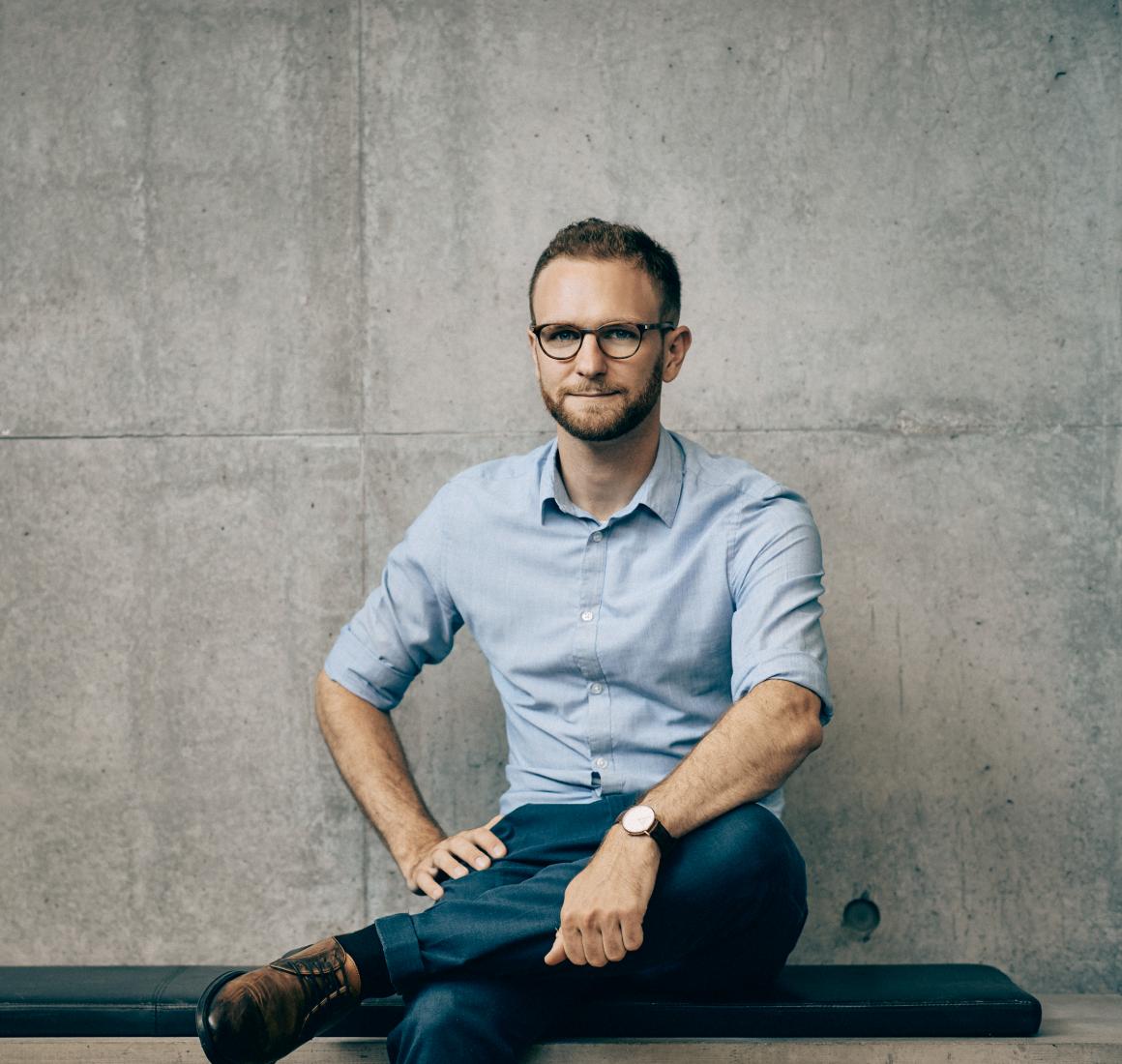
Diversity wins: turn differences into an advantage
Leading a team of diverse employees towards inclusion and psychological safety is difficult, it takes time and can be frustrating. But it also yields far better results. Become aware of your own biases and strengthen your leadership.
It is not leadership at all to "just" lead a team of people who look like yourself.
Professor Sara Louise Muhr makes this perhaps provocative statement as she has to describe why managing diversity and inclusion is crucial for public sector leaders.
Leading a team of diverse employees towards inclusion and psychological safety is difficult, it takes longer and it can be frustrating. But it also yields far better results because your opinions, ideas and decisions as a leader are put into perspective, twisted and turned in a completely different way than if you lead a group of people similar to yourself, explains Sara Louise Muhr.
"People have an automatic urge to surround themselves with people who are similar to themselves. Because it's easier, there's less conflict and decisions are made faster. I've met several managers at MPG who struggle with having to stop and get their employees on board. It can be tempting to go for the quicker solution of doing it yourself or with those who think like you do. On the other hand, it makes for better decisions when the way things are done is questioned," she says, stressing that if your organization wants to be an attractive workplace, also for young people and future generations, diversity is a necessity alongside sustainability.
And diversity and inclusion are inextricably linked: "It's super easy to be inclusive if everyone looks the same," she points out.
“You don't become less biased by saying: Now I'm going to be less biased. You have to craft your way out of it. You can't think your way into it. Because if you have a brain, you're biased.” Sara Louise Muhr
Professor at the Department of Business Humanities and Law, CBS
Diversity is leadership development
Sara Louise Muhr offers a challenge:
"Diversity and inclusion is not just about the other person. It's about my own mindset. Of course it takes longer to include. Of course it takes longer to delegate, but most people burn out if they don't manage to involve people who don't look like themselves. It's about feeling comfortable hiring people who are different and trusting that something good will come out of it."
Diversity is a source of leadership development, she emphasises.
"It's leadership development in itself to want inclusion and diversity, because you become a better leader by standing in an uncertain space. If we do what we usually do, there won't be conflicts, but you and your organisation won't get better either."
This fall, she will be teaching the new MPG course "Managing Diversity and Inclusion" (the course is taught in Danish 🇩🇰). Participants will work on:
- Identify and understand their own and their organisation's biases
- Design strategies to block bias
- Better understand and reflect on the importance of inclusion and psychological safety
"You will become better at ensuring diverse representation in management and professional groups, and you will gain tools to manage diversity in a way that requires an inclusive work culture with room to unfold the individual's unique competencies," says Sara Louise.
Take the course Managing Diversity and Inclusion
The course is taught in Danish 🇩🇰
Improve your ability to ensure diverse representation in leadership and professional groups, and gain practical tools for leading diversity in ways that foster an inclusive workplace culture where individuals can develop and apply their unique strengths.

Out-smarting the brain
A large part of our thinking draws on automaticity and learned patterns, and they are influenced by gender and other diversity dimensions, explains Sara Louise.
"So it's not just about us becoming more aware of what we are biased by and then we don't discriminate anymore. We need to out-smart our own brains, and it's about everything from job postings to the way we hold meetings and eat lunch," she says.
If you want to start out-smarting your brain, Sara Louise recommends that you follow two tracks: a procedural track, which is about recruitment and retention of employees. For example, don't ask candidates for a photo when they send their application. And then there's a track of inclusive everyday actions. This can be about the conversation at the coffee machine and the meeting culture.
"It's always the same people who speak first. How do you break that dynamic? Social events are also a great place to start. Ask yourself: What are we doing and why are we doing it?"
Sara Louise makes one final suggestion: "Remember: You don't become less biased by saying: Now I'm going to be less biased. You have to design your way out of it. You can't think your way into it. Because if you have a brain, you're biased."

Keep reading
Diversity is nothing without inclusion
We are not as inclusive as we think we are.. but we can be

You need to be less of a manager and more of a human being

When CEOs cry – Psychological safety and emotional leadership
Your gateway to more knowledge
Did you find this content interesting? Sign up for our newsletter and gain access to more of our research findings and events.
With the world’s grand challenges awaiting us, we need to continuously evolve, gain new knowledge and insights, and upskill.
Dive into a world of knowledge by signing up below. You will get:
- Personal event invitations
- Pertinent research-based insights on business and society
- Information about the next intakes of our Executive Education programmes and courses
Keep learning

Master of Public Governance
Executive MBA

Ledelse af diversitet og inklusion

Full-time MBA