When CEOs cry – Psychological safety and emotional leadership
Emotions have taken over working life, and CEOs today must take into account the vulnerability of employees. But research shows that the requirement to be compassionate and at the same time decisive also creates challenges for CEOs.

Once a month, researchers at Copenhagen Business School write a column in Børsen, where they give readers a current and research-based perspective on the challenges managers face.
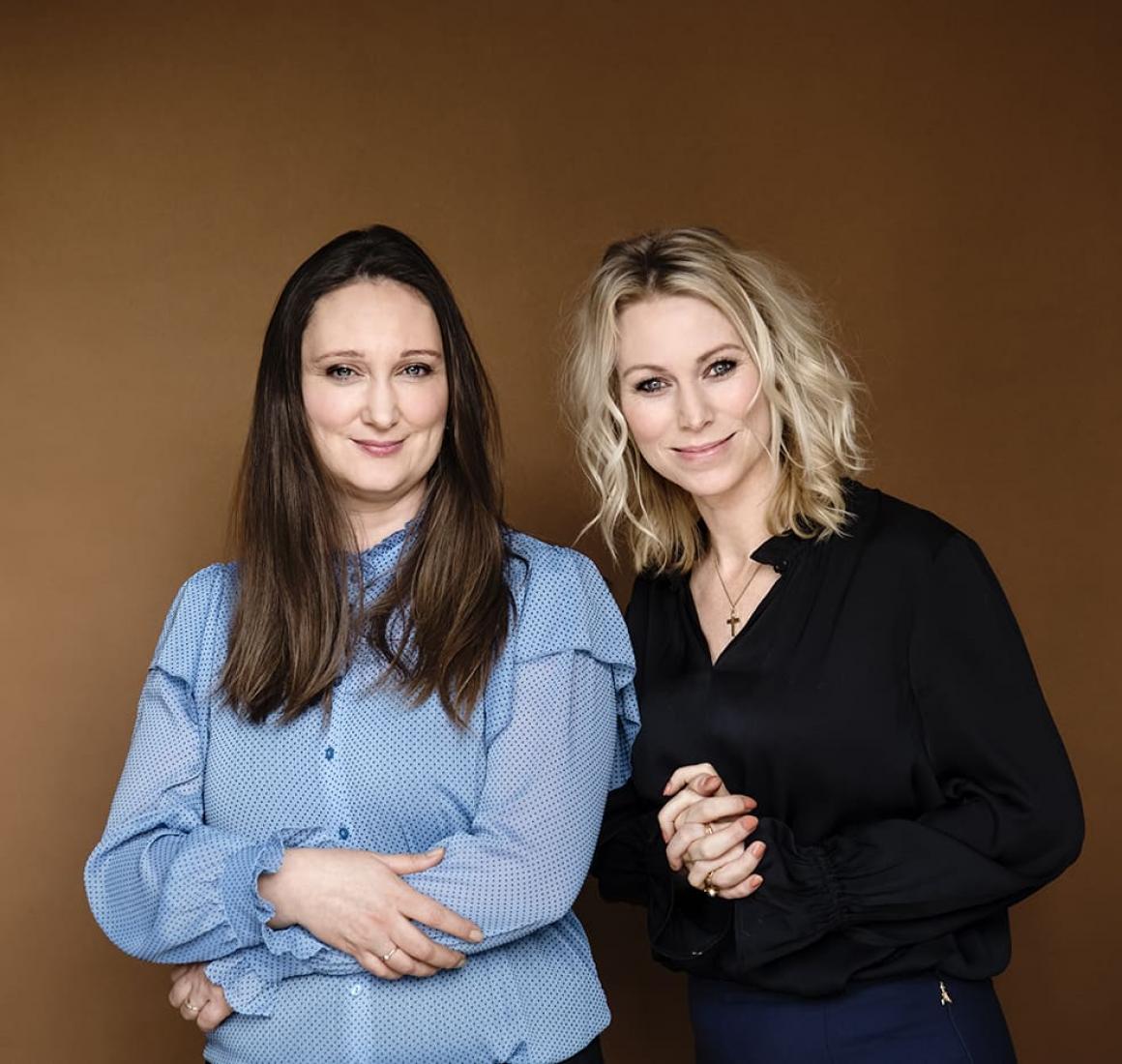
In this column, two researchers from CBS, Assistant Professor Pernille Steen Pedersen and PhD fellow Jonathan Harmat, together with two students, Klara Helene Rubæk Klinggaard and Nicklas Lilleskov Falk, focus on what the commitment to vulnerability means for the CEO. The column is based on the two students' qualitative interviews with a number of top executives about handling work-related loads.
Emotions are on the rise in the Danish management landscape. Jakob Ellemann-Jensen's (Deputy Prime Minister of Denmark) recent announcement about his stress course and the interest it triggered clearly show that emotions, including those of top managers, have become a public matter.
At the same time, the need for "psychological safety" has gained ground in Danish workplaces. According to the originator of the term, Harvard professor Amy Edmondson, it's about creating a culture where employees feel confident that they can be themselves and won't be belittled or humiliated if they raise ideas, questions, concerns, or point out mistakes.
With the concept come expectations that the individual employee and manager must dare to show and give more of themselves in their relations with others – but does this also apply to top managers, who are traditionally praised for showing decisiveness and control?
What attention should top executives pay to psychological safety?
And what does the requirement of vulnerability mean for CEOs handling emotions in work contexts?
At CBS, we have investigated what the commitment to emotional involvement means for CEOs by interviewing 7 top executives about their handling of work-related loads.
Challenged CEOs
Top managers play a crucial role when it comes to creating a foundation for psychological safety in the organisation. But the CEO's mandate to create growth and be decisive is challenged by increased demands to show care in working relationships, our research shows.
This is because psychological safety sets the stage for a management understanding that emphasises personal and interpersonal relationships. At the forefront are leadership ideals such as sensitivity, equality, empathy, care and vulnerability – qualities that are often socially attributed to the feminine. This contrasts with the qualities traditionally associated with leadership, such as control, the ability to suppress emotions, and drive, which are culturally considered masculine.
“Top executives also need to feel psychologically safe” Pernille Steen Pedersen & Jonathan Harmat
One of the top executives we interviewed explains: "If the ship is sinking, it doesn't help if the captain also sits down and cries. Then you may have to pack your own feelings away a little."
This top executive then points to two consequences of the requirement for emotional involvement.
First, that too much "Social Democratic voters' association", i.e. a significant involvement of employees, can mean that no one takes responsibility for the tasks: "Because then suddenly it becomes everyone's responsibility and nobody's responsibility that we succeed."
Secondly, that it can be difficult for top managers to make the right decisions: "If you become too good friends with your employees, then you have a hard time drawing the line in the sand, and you also have a hard time making the difficult decisions. Because we all have to make them at some point. When it all goes South, someone has to leave."
These quotes are examples of a tendency that is repeated in our interview, namely that top executives consciously try to draw a line between the emotional and the professional. They try to distance themselves from the private issues of middle managers and employees in order to deal with efficiency requirements and ensure the survival of the company.
It is all about relationships
Recent studies on emotions in organisations and management indicate that emotions should not just be seen as personal matters, but that they are relationships we create together. If there are relationships at work that make employees stressed or ashamed, it is hard for everyone to achieve the common goals. And just as emotions can create conflict and noise in the workplace, they can also be motivating, provide a sense of community and, not least, job satisfaction.
As a top manager, you would therefore do well to reflect on how to communicate and manage the need for distancing in an empathetic way, and how to promote a climate where middle managers and employees actually dare to express their opinion.
As the philosopher Spinoza pointed out nearly 350 years ago in his Political Treaty, the best decisions for the community are made by leaders listening, discussing, and seeking advice from everyone involved. It requires psychological safety to dare to stand up and speak your mind. Here, it is crucial that top executives understand their crucial role.
Benefits for the bottom line
Organisations' work for psychological safety requires energetic and committed top managers who dare to challenge the sharp separation between qualities such as authority and strength on the one hand and vulnerability, empathy and orientation towards the common on the other. This makes it possible to see that willpower and vulnerability are not opposites, but rather prerequisites for a common direction.
The moral-philosophical question of whether top executives should show vulnerability is therefore replaced by the practical insight that psychological safety is central to decision-making. Because top managers depend on the support of employees – a connection that is fostered by empathy and humanity in the management attitude.
Psychological safety is thus a management approach that must be strategically anchored in organisations. Furthermore, top managers also need to feel psychologically safe, and this psychological safety does not imply an either-or approach to emotional involvement. It requires an organisation-wide acknowledgement that anyone can find themselves in a situation where emotional distancing is actually needed.
When top executives succeed in finding the balance between care and decisiveness, they help create a compassionate work culture. This creates well-being, and well-being benefits the bottom line. And all this can easily be made possible without the CEO crying.
LEADERSHIP IN FOCUS
KEEP READING
How to share leadership in practice - Lessons from an organisation in transition

Becoming a responsible leader

How do field experts become competent leaders?
Future leadership is calling for These Competencies
Your gateway to more knowledge
Did you find this content interesting? Sign up for our newsletter and gain access to more of our research findings and events.
With the world’s grand challenges awaiting us, we need to continuously evolve, gain new knowledge and insights, and upskill.
Dive into a world of knowledge by signing up below. You will get:
- Personal event invitations
- Pertinent research-based insights on business and society
- Information about the next intakes of our Executive Education programmes and courses
KEEP LEARNING

Negotiation & Relationship Management

Executive Master Programmes

Executive MBA

Leading Strategic Transformation