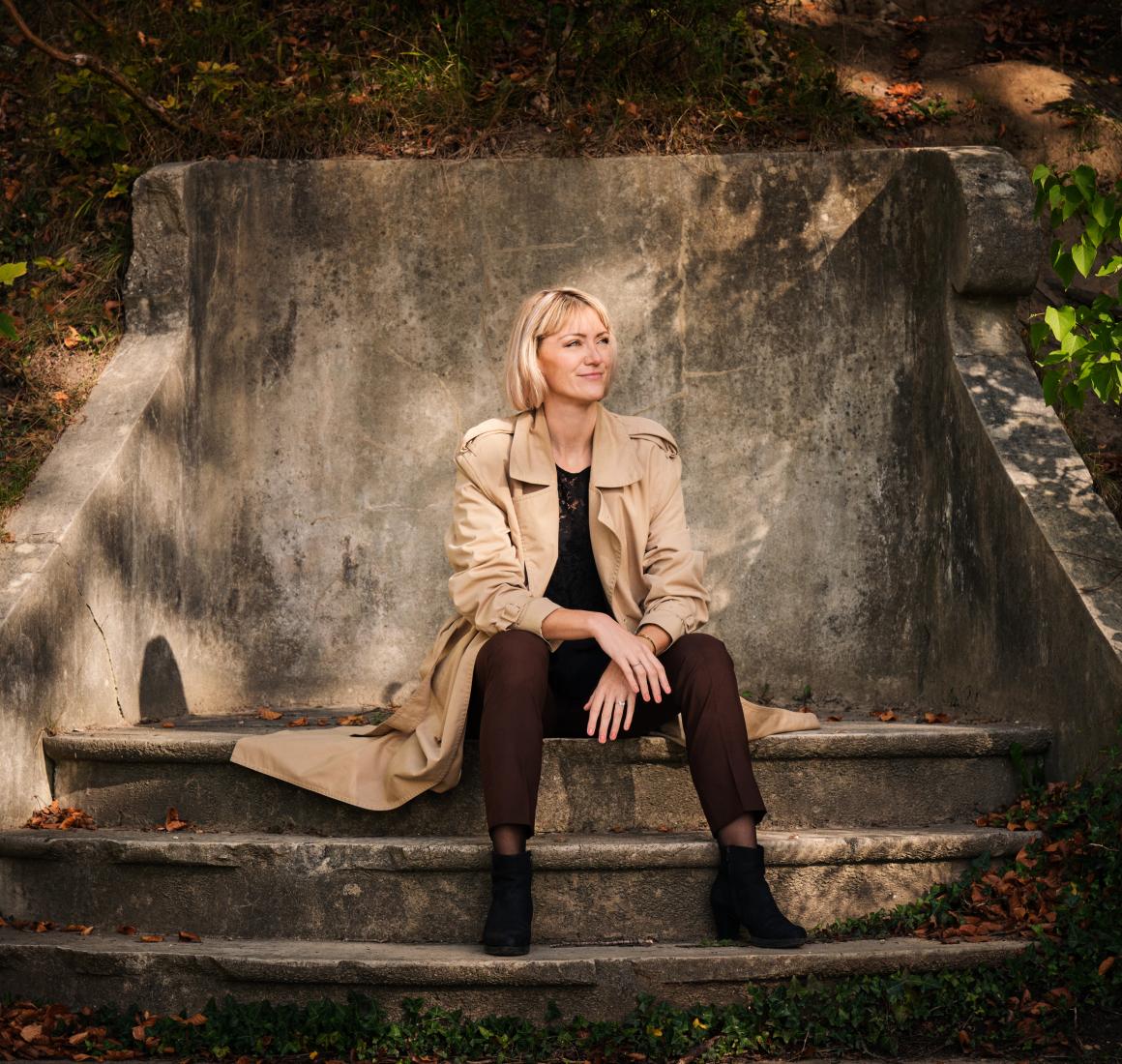
The hierarchy is too slow: Why companies are distributing power
With traditional hierarchies showing their limits, researchers from CBS and RUC call for bolder organisational models. They urge Danish companies to decentralise power, strengthen employees’ agency, and share direction, structure, and responsibility more widely across the organisation.
Once a month, researchers at Copenhagen Business School provide Børsen's readers with a current, research‑based perspective on the challenges faced by leaders.
In this piece Michael Pedersen, Helge Hvid og Tobias Berggren Jensen describe how self‑managing organisations represent a break with the traditional leadership hierarchy by decentralising power and responsibility throughout the organisation.
Michael Pedersen is an Associate Professor at CBS, Department of Business Humanities and Law. Helge Hvid is Professor Emeritus at RUC. Tobias Berggren Jensen is a PhD and Postdoc at CBS, Department of Organisation.
The hierarchy has dominated organisations for more than 100 years. It creates clear roles, coordination and predictability.
But it is also slow.
That is why we are now seeing a radical break with hierarchy emerge. Self-managing organisations, sociocracy and teal. What they share is a fundamental decentralisation of managerial authority.
In the Danish medtech company MGS Design & Development, employees choose their own leader and anyone can run for the role.
At JAC in Gentofte Municipality, around 90% of decisions are made in self-managing teams that both hire and manage budgets.
At Clever, the formal management hierarchy has been abolished. Instead, the organisation’s 500 employees are guided by a so-called purpose hierarchy. Teams do not report to a manager, but to each other and to the company’s overarching purpose.
“Self-managing organisations are not without structure. On the contrary, they require greater clarity and more leadership – simply distributed differently.” Michael Pedersen, Helge Hvid & Tobias Berggren Jensen
It may sound like chaos, but it is not.
Self-managing organisations are not without structure. On the contrary, they require greater clarity and more leadership – simply distributed differently. At Clever, MGS Design & Development and JAC, there are clear frameworks for coordination, decision-making and shared direction.
To understand the difference, we can take a closer look at what the classic hierarchy is actually built on.
At the core of the hierarchical model is the relationship between manager and employee. It is typically based on the manager as the decision-making authority. The manager holds the formal right to make the final decision and replace employees if disagreements arise.
According to researchers Amy Edmondson and Michael Lee, self-managing organisations represent a genuine break with the hierarchical model. Here, decision-making authority is radically and systematically decentralised throughout the organisation.
In practice, this takes place under labels such as teal, sociocracy and dynamic shared ownership – concepts that are gaining ground in Danish and international workplaces, as we showed in the book "Less hierarchy, more leadership". In our research project "www.selvledendeorganisationer.dk", we have explored the dynamics of these new organisational forms and examined how self-managing organisations unfolds in practice.
The research shows, among other things, that hierarchy does not disappear on its own. According to Casper Kirketerp Møller, it paradoxically requires existing power to be used actively to dismantle hierarchy and redistribute power. The research consistently points out that self-managing organisations do not evolve through roundtable discussions alone, but require clear direction and framing from management.
Freedom with responsibility is not the same as free play.
In organisations such as Clever and Børns Vilkår, there are fixed meeting structures with clear rules for decision-making processes and systematic check-ins. In our research project, one employee explained that after just one week at Clever, he knew his team better than some of the management groups he had worked with for years in hierarchical organisations – precisely because of the formalised meeting culture.
At present, only a few companies are ready to abolish hierarchy entirely. But what can we learn from those who have gone the furthest?
“Organisations must be clear about why they want greater self-management in the first place. Without a clear purpose, the self-managing organisation risks becoming irrelevant.” Michael Pedersen, Helge Hvid & Tobias Berggren Jensen
The key lessons from self-managing organisations
Experiences from Clever, Børns Vilkår, JAC and MGS Design & Development point to four key lessons:
The role of the manager must shift from decision-maker to facilitator of decisions in order to enhance employee agency.
Meetings can be rethought through concrete methods that ensure all relevant parties are heard.
Decentralised decision making requires clear frameworks to create psychological safety and prevent the strongest and most dominant individuals from taking over the entire decision space.
And difficult conversations should be practised in open forums so that interpersonal conflicts become both constructive and productive.
Most importantly, organisations must be clear about why they want greater self-management in the first place. Without a clear purpose, the self-managing organisation risks becoming irrelevant.
LEADERSHIP IN FOCUS
KEEP READING
Leadership Can Be Painful – But Are We Allowed to Talk About It?
When companies adopt robots, they often grow and hire more people

Create safety through clarity: Co‑leadership requires courage and structure
The hidden drivers of the gender career gap
Has Leadership Fallen for the Entrepreneurial Hype?
"Your network is your net worth"
Networks play a key role in CEO pay and wage inequality within companies
Your gateway to more knowledge
Did you find this content interesting? Sign up for our newsletter and gain access to more of our research findings and events.
With the world’s grand challenges awaiting us, we need to continuously evolve, gain new knowledge and insights, and upskill.
Dive into a world of knowledge by signing up below. You will get:
- Personal event invitations
- Pertinent research-based insights on business and society
- Information about the next intakes of our Executive Education programmes and courses
KEEP LEARNING
People, Performance and Strategic Renewal
Master of Business Development
HD2 International Business
Executive MBA