“We could go from digital to stone-age society in an instant”
CBS professor warns: Europe's reliance on American software is an underestimated security threat
The EU’s power grid, banks and hospitals all rely on software developed in USA.
And yet we rarely talk about software as critical infrastructure. Most people think of it as something that makes their computer run – not as the actual foundation of modern society.
But in reality, software has become the engine room of the digital society. And the control of that engine room largely rests in the hands of American companies, explains Jan Damsgaard, professor of digitalisation at CBS.
“We have built our entire economy and welfare society on software we do not control ourselves. It is the equivalent of handing someone a remote control to everything we have running – and hoping they never use it.”
According to Jan Damsgaard, the problem is just as urgent as building military defence.
“This is crucial and of great significance to our society. It should be a top priority,” he says.
We cannot switch the lights on ourselves
It may sound like a doomsday scenario, but the threat is very real.
When Donald Trump became President of the United States, the leaders of the tech giants were right behind him – and if anyone is in doubt about where their loyalty lie in a crisis, there is already an example that makes it clear.
In Europe, Microsoft shut down the email account of the Chief Prosecutor of the International Criminal Court (ICC), Karim Khan, without warning – after he issued an arrest warrant for Israel’s Prime Minister Benjamin Netanyahu.
“We have already seen it happen. If USA decides to shut down software or cloud services – whether for political, security-related or commercial reasons – we in Europe will not even be able to switch the lights on ourselves.”
According to Jan Damsgaard, the issue is not only technical. It is geopolitical.
“Today, control over large parts of our societally critical infrastructure lies with foreign companies, which are ultimately subject to US legislation. In principle, we could lose access from one day to the next.”
Morality over strategy?
At the same time, the EU has chosen a values-based approach to digital regulation. We aim to be the world’s leading democracies in terms of privacy and civil rights. But this also comes at a cost.
“We have introduced regulation to protect EU citizens – such as GDPR and the Digital Markets Act – but at the same time we have driven out the tech giants. We have given them no reason to stay and invest. We have focused on being cautious, but not strategic.”
Jan Damsgaard emphasises that the EU’s commitment to protecting its citizens is admirable, but we have lost influence over the very technology that governs our world.
As a result, the most talented developers have gone to the US, where the biggest tech companies operate with fewer restrictions, he explains.
Europe as a software tenant
Compared to USA and China, Europe is not only lagging behind technologically – we are also behind in our ability to treat software as a geopolitical resource. We do not own the platforms. We rent access. And if the landlord changes their mind and changes the locks, we are out.
Both USA and China have taken a different approach. Jan Damsgaard points to TikTok as an example.
“The Americans would not allow TikTok as it was. They gave TikTok an ultimatum: either TikTok in the US must be owned by Americans, or it cannot operate there. We could think along similar lines – also when it comes to US services,” says Jan Damsgaard.
Can we build our own platforms?
If our dependence is this significant, should we not be building our own alternatives? It is not that simple, Jan Damsgaard explains. Software is not just about technology – it is about scale, talent and business models.
“We cannot just decide to make a new Microsoft. It would take thousands of developers, access to a global market and decades of head start. It is unrealistic – and not where we should focus our efforts.”
Instead, he proposes a European strategy that places demands on the big players:
“We should require the tech giants to establish legally independent entities in Europe. Units that operate under European law and cannot be forced to shut down because something happens in the White House.”
How do we persuade them?
“It is the responsibility of EU Commission President Ursula von der Leyen to negotiate reasonable agreements. And we will have to be hardliners in those negotiations,” says Jan Damsgaard.
Sovereignty is about having a choice
According to Jan Damsgaard, digital sovereignty is not about isolating ourselves and building entirely separate systems. It is about having options.
“We do not need to be 100 percent independent. That is neither possible nor desirable. But we must have the ability to choose for ourselves. Right now, we effectively have no choice – and that is where it becomes dangerous.”
So, we should not pour billions into developing entirely new operating systems to compete with Microsoft. Instead, we should identify areas and niches that are indispensable to the other major powers – and take control of those.
Denmark and the EU must seize the moment – and train more developers
According to Jan Damsgaard, Denmark has an opportunity to take the lead this year.
We have experience with digital solutions such as NemID and e-invoicing, a high level of public trust and a strong reputation as a digital frontrunner. When Denmark assumes the EU presidency in 2025, it will be a natural opportunity.
“We have shown that we can make digitalisation work in practice. That is what Europe needs – someone who can turn visions into concrete solutions.”
But at the same time, he also points out that Europe, and Denmark in particular, is educating far too few software developers and graduates with a strong understanding of digital business.
“Clearly, we need to educate many more. There is no unemployment in these fields – and the demand will only grow,” he says and concludes:
“We are falling behind, so we need to use our time wisely. If we do nothing, we risk a digital collapse that could send us back to the Stone Age.”
KEEP READING
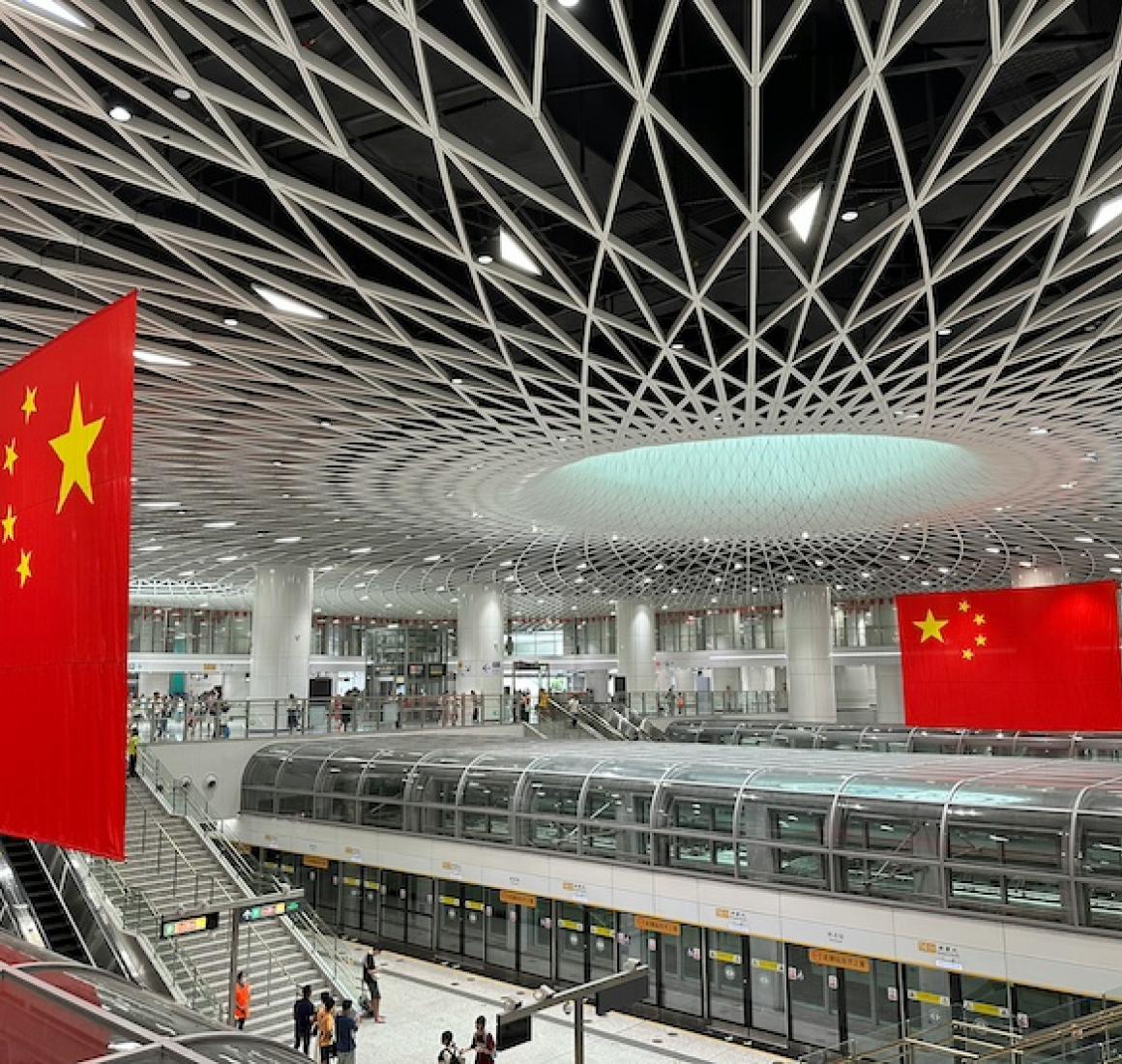
We can learn from China
We are no longer ahead of China. It is not even a draw. We are in fact falling behind, says CBS researcher – and we need to acknowledge that because we need a change of strategy
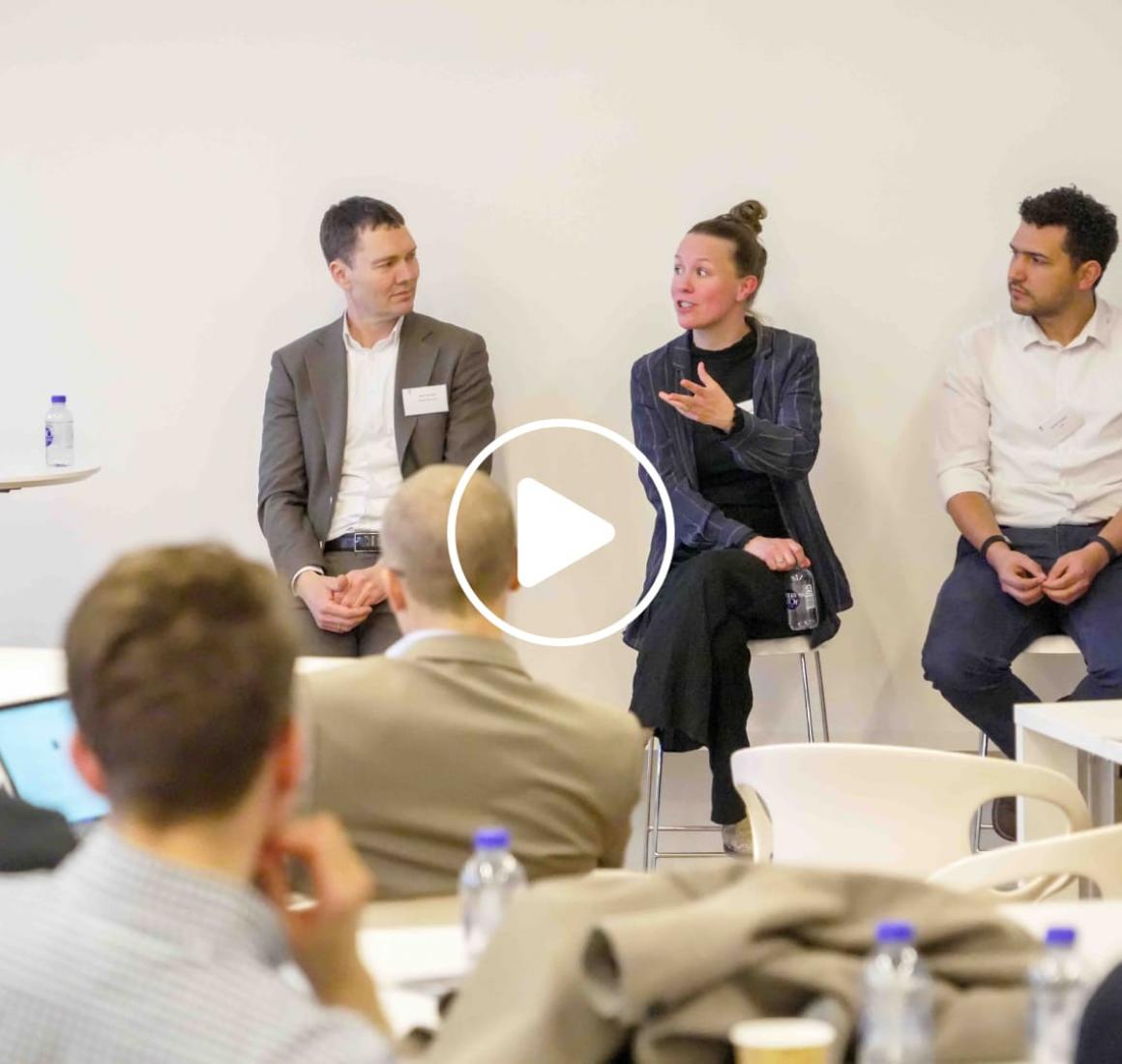
The Business of Quantum
Is quantum computing the next digital reformation? Joined by an expert panel from CBS, Kvantify and KPMG, this event dived into how qubits and fluid realities…
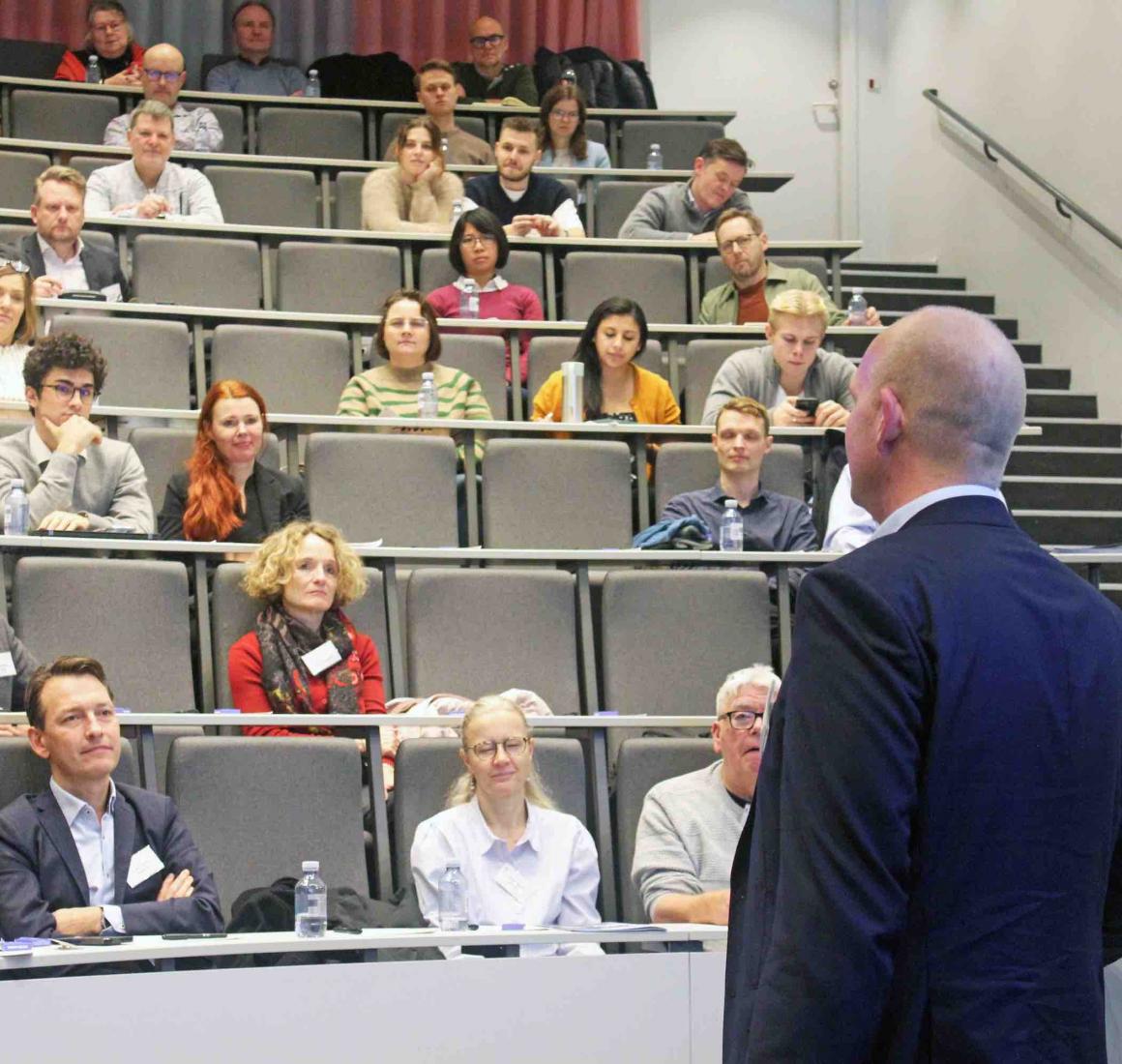
Up or out? A career with AI as a companion
How can you utilise AI if you haven't tried it? Get an insight into the opportunities Artificial Intelligence can create in companies and organisations here and now.
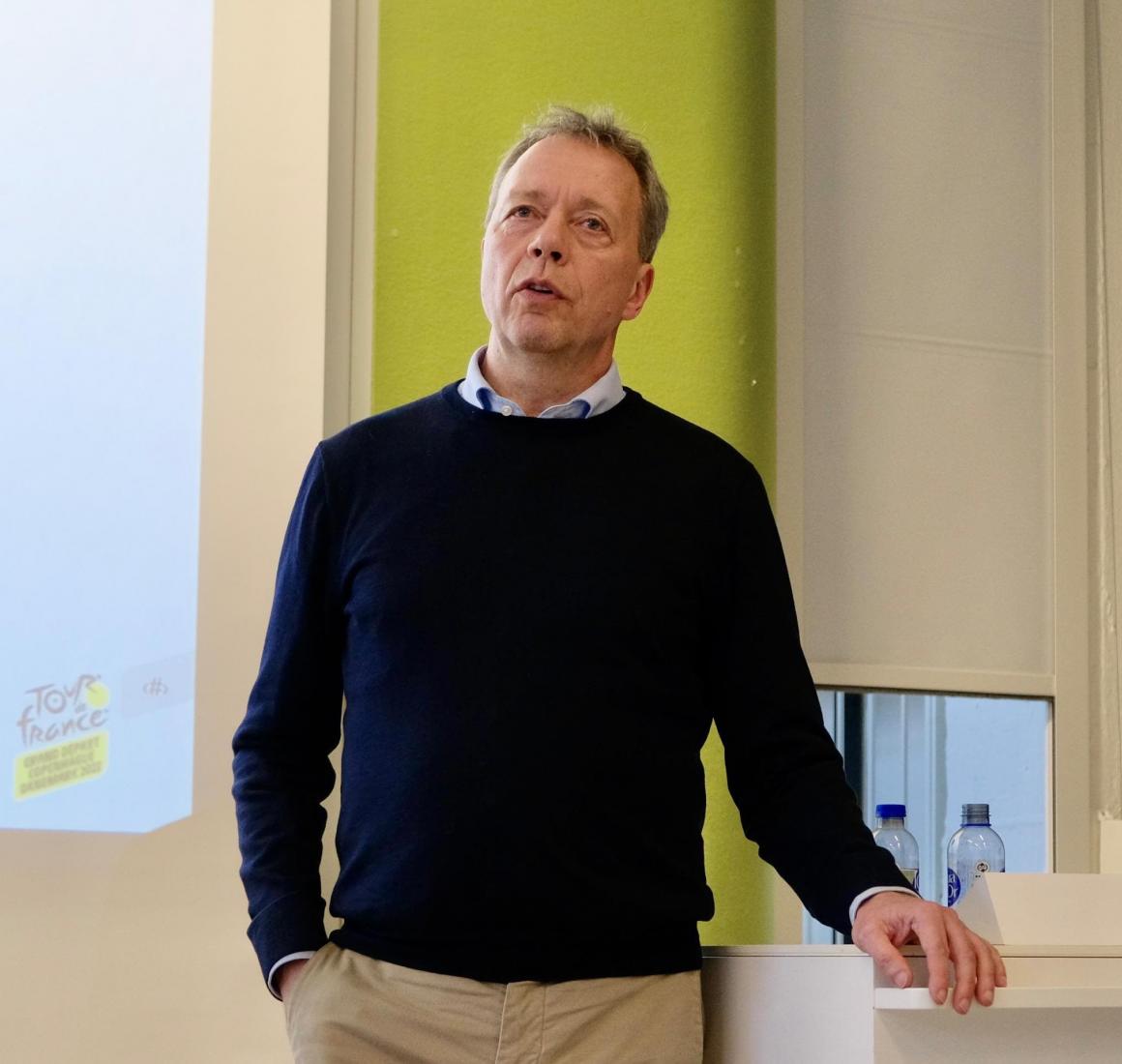
From cycler to CEO: Learning to lead from sports
Just as you can train to break records, you can also train to become a good leader. That's just one of the things that leadership and sports have in…
Your gateway to more knowledge
Did you find this content interesting? Sign up for our newsletter and gain access to more of our research findings and events.
With the world’s grand challenges awaiting us, we need to continuously evolve, gain new knowledge and insights, and upskill.
Dive into a world of knowledge by signing up below. You will get:
- Personal event invitations
- Pertinent research-based insights on business and society
- Information about the next intakes of our Executive Education programmes and courses
KEEP LEARNING

Maritime Digitalization
Kurset giver dig en dybdegående forståelse af de kommercielle og økonomiske logikker ved digitalisering, så du kan træffe kvalificerede strategiske beslutninger.
Master of Business Development
Executive degree for those passionate about creating new, innovative solutions and want to take responsibility for elevating and developing the business – for those who want more.
HD2 International Business
Denne uddannelse giver dig viden om, hvordan virksomheder navigerer på den globale scene, og du bliver i stand til at løse komplekse problemer i en global forretningsverden.
Full-time MBA
Elevate your career with a triple-accredited one-year Full-time MBA programme built around sustainability, authenticity and innovation.