You may have the title – but have you stepped into leadership?
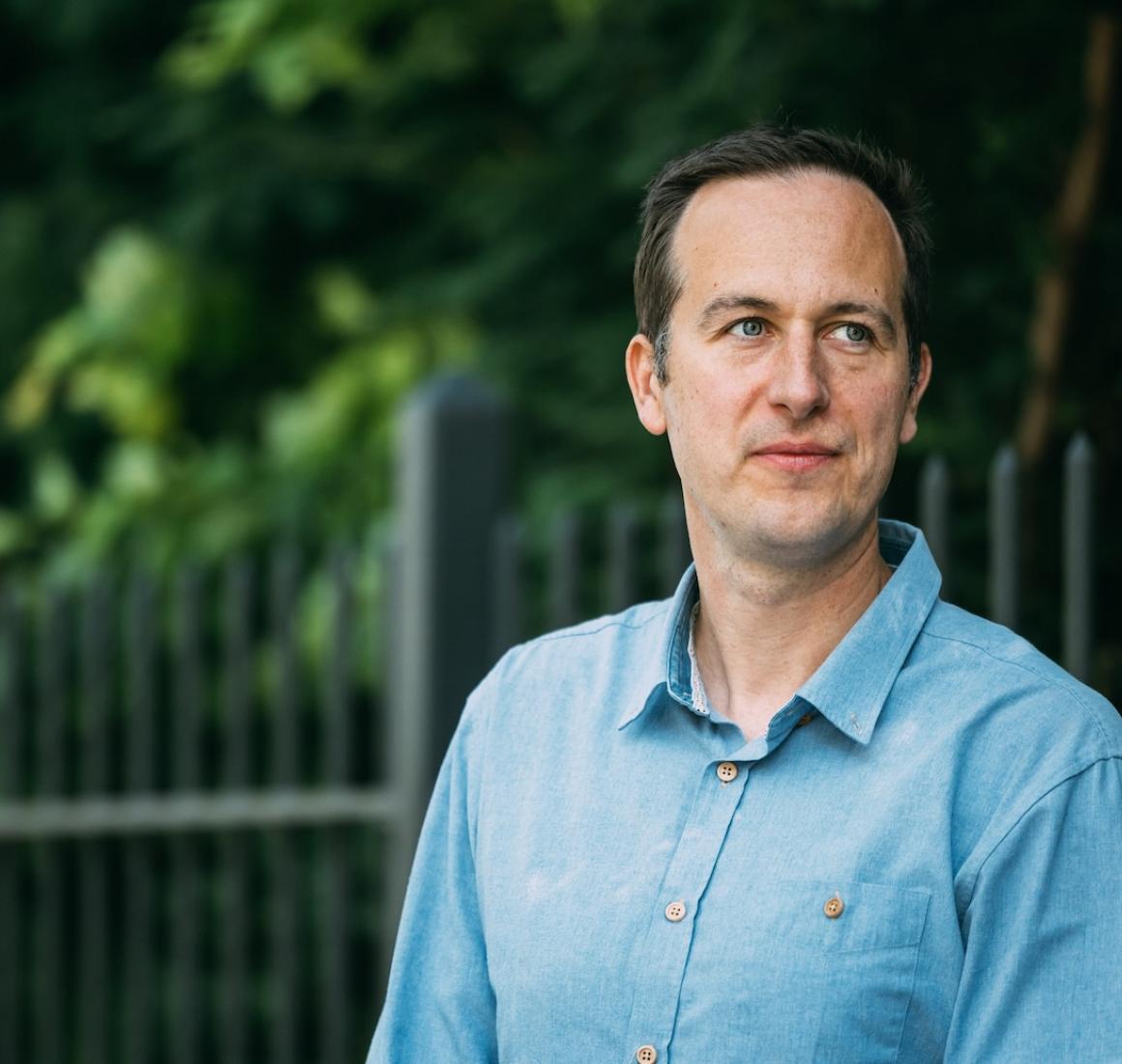
There is a difference between having a leadership role and leading. Ida Strand, Head of Department at the Danish Cancer Society, reflects on her start as a new manager, the expectations of managers and employees, and why leadership means preparing employees for an AI-driven future. She says the MPG programme shaped her leadership identity.
Just because you are a manager does not necessarily mean that you have embraced leadership. Leadership does not automatically come with a job title or an organisational restructuring. It is something you actively step into, taking responsibility for other people's working lives, well-being, and development, says Ida Strand, Head of Communication and Public Affairs at the Danish Cancer Society.
Twelve years ago, when she first became a manager, it quickly became clear to her that holding a managerial position is one thing; practising leadership is another.
The role came unexpectedly when her own manager resigned and she was promoted into the position without any prior leadership experience. Expectations were high, and relationships with former colleagues suddenly had to be balanced with authority, hierarchy, and responsibility.
“As a manager, you typically have a budget, employees, and a strategy you are responsible for. But understanding that leadership also means holding part of other people's lives in your hands does not automatically come with the role. It may sound obvious, but it is one of those realisations that only truly develops when you are in the middle of it. And it is important that it does, because poor leadership can, in the worst cases, be deeply damaging to the people affected by it,” says Ida Strand.
Further Education Strengthened Her Leadership Identity
Her start as a new manager was difficult. The first employee engagement survey she received contained more red than black when she printed it out. In her own view, this was because she was overly controlling. Not because she distrusted her employees, but because she felt a need for control in an unfamiliar role. What ultimately turned the situation around was the support she received from her own manager, combined with the experience she gradually gained.
“Being a leader is something you continually develop throughout your working life. You never stop learning. In the beginning, you find your way through trial and error. Perhaps you have a manager who supports you and role models you look up to. That was certainly my experience. And I have built a much stronger foundation as a leader by undertaking leadership education.”
Ida Strand chose the Master of Public Governance (MPG)* programme at Copenhagen Business School (CBS). She began with a single course but became increasingly enthusiastic as she progressed through the programme.
“I get to work with challenges from my everyday leadership role and gain new perspectives from research and from other leaders. You could say that the programme has helped me calibrate my leadership compass.”
She recommends that anyone considering the programme start with a course that directly relates to a leadership challenge they are currently facing.
Over time, many participants discover that MPG is more than just a degree programme, she says:
“I have become close to other leaders, and it has been valuable to learn about the challenges they face. Through MPG, you gain both a network and a deeper understanding of other leaders’ realities. Working alongside leaders from completely different organisations and sectors gives you an opportunity to reflect in ways that everyday work often does not allow. It has been incredibly rewarding for me.”
Leadership Is a Two-Way Relationship
One topic frequently discussed during the programme was the idea that leadership is reciprocal.
“Leadership works both ways. As a manager, you need to provide direction and set expectations, but employees also have a responsibility to lead upwards. Otherwise, you cannot succeed in being a good leader for them. We sometimes forget this when we talk about managers and employees as though they are separate entities, even though they depend on one another.”
According to Strand, employees should support their manager just as managers support their employees. There must be mutual trust and confidence that everyone has each other’s back.


AI Requires Leadership if Everyone Is to Come Along
The MPG programme has also enabled Ida Strand to better prepare her organisation for the future, including the challenges and opportunities created by AI.
For her final project, she explored dilemmas surrounding AI within her organisation, where communication and public affairs play a central role. On the one hand, AI empowers employees by enabling them to complete tasks more efficiently. On the other hand, it can also lead to increased bureaucracy and governance requirements. Moreover, AI is gradually transforming the core nature of the work itself.
“It is a leadership responsibility to bring all employees on board with the transformation driven by artificial intelligence. Not everyone needs to use AI tools to the same extent, but everyone needs a basic level of competence and understanding of how AI is changing the conditions for communication—and how we remain relevant in a new AI reality.”
A Generational Responsibility for Good Public Leadership
Ida Strand believes that leaders, including those in the public sector and the NGO world, have a responsibility to promote the value of leadership. This responsibility is part of truly embracing leadership.
“We have a generational contract to pass on a good society to those who come after us. A good society also needs people who are willing to lead and who can become skilled leaders. Those of us who are leaders today therefore have an obligation to help develop the next generation of leaders. One way is by engaging more actively in public debate. MPG has given me an extensive vocabulary of concepts and theories that enable me to contribute informed perspectives on leadership, including in public discussions.”
She also encourages more leaders to be transparent about the realities of leadership, including the difficulties and failures they experience:
“Let us create a more authentic narrative about leadership—one that serves as a counterbalance to the polished image often seen on LinkedIn, which I personally believe discourages some aspiring leaders. An MPG provides a strong foundation for taking on that challenge and helping bring the next generation of leaders on board.”
*The MPG is offered in Danish.
Ida Strand's MPG
At MPG, you have the freedom to tailor your education to your needs. You also control the pace, and whether you prefer a full master's degree or a single course, we're here to guide you every step of the way.
About Ida Strand
Ida Strand is Head of Communication and Public Affairs at the Danish Cancer Society. She previously served as Head of Communications at the Confederation of Danish Industry and the Danish National Police. She holds a degree from Roskilde University in Public Relations, Business Studies and Sociology. In 2026, she completed the Master of Public Governance (MPG) programme at Copenhagen Business School (CBS).
Two MPG Courses Ida Strand Recommends

Eksistens og ledelse
Lær at sætte ord på de spørgsmål du møder som leder, og hvordan du kan håndtere dem, både professionelt og ved at være tro imod egne værdier.

Ledelse af diversitet og inklusion
Bliv bedre til at sikre mangfoldig repræsentation i ledelse og fagspecifikke grupper og få værktøjer til at lede diversitet på en måde, der fordrer en…
Keep reading
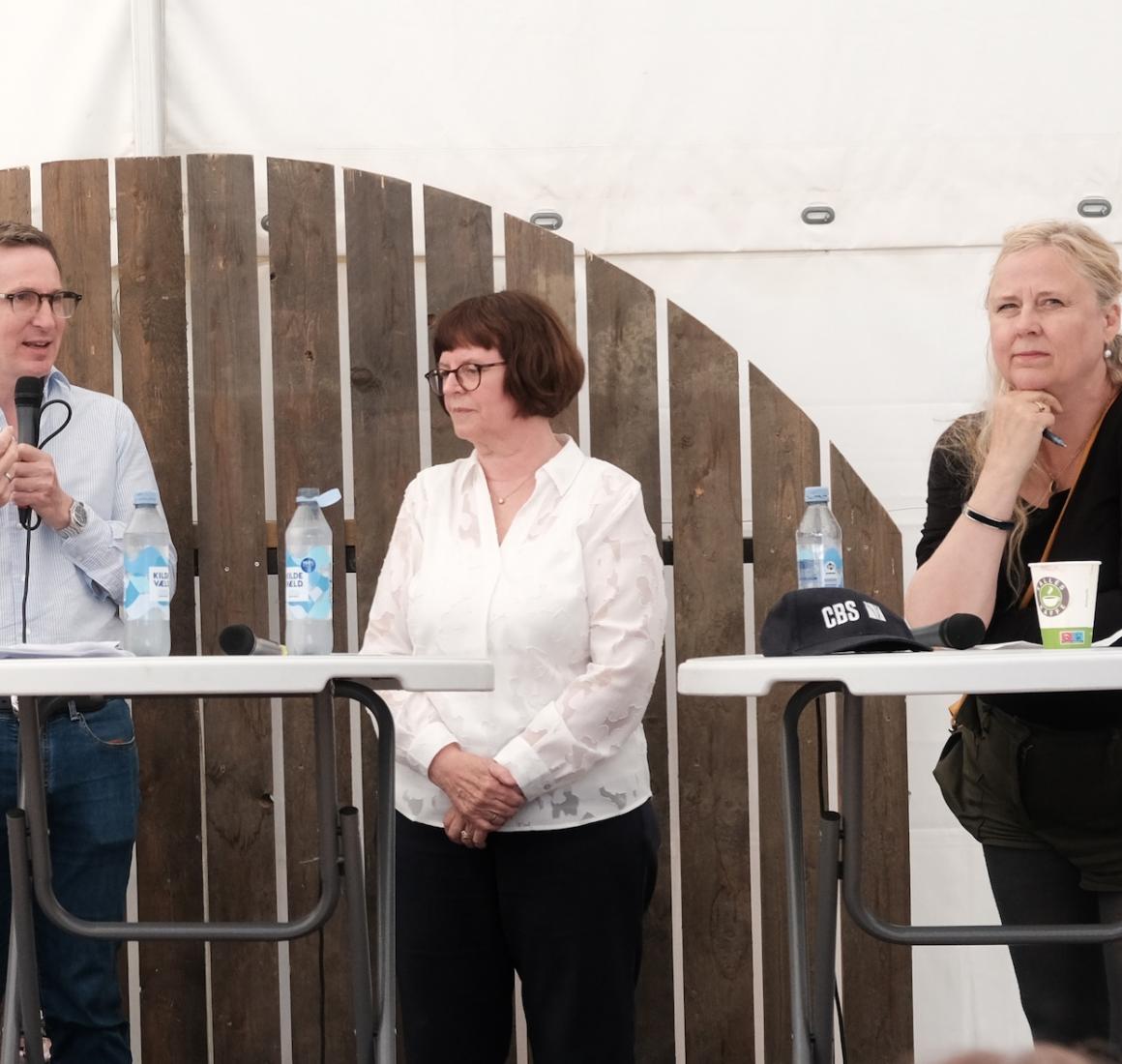
Leadership Can Be Painful – But Are We Allowed to Talk About It?
At times, leadership is difficult, painful, and even sorrowful. So how do leaders cope when the task is challenging? And how honest should they be when…
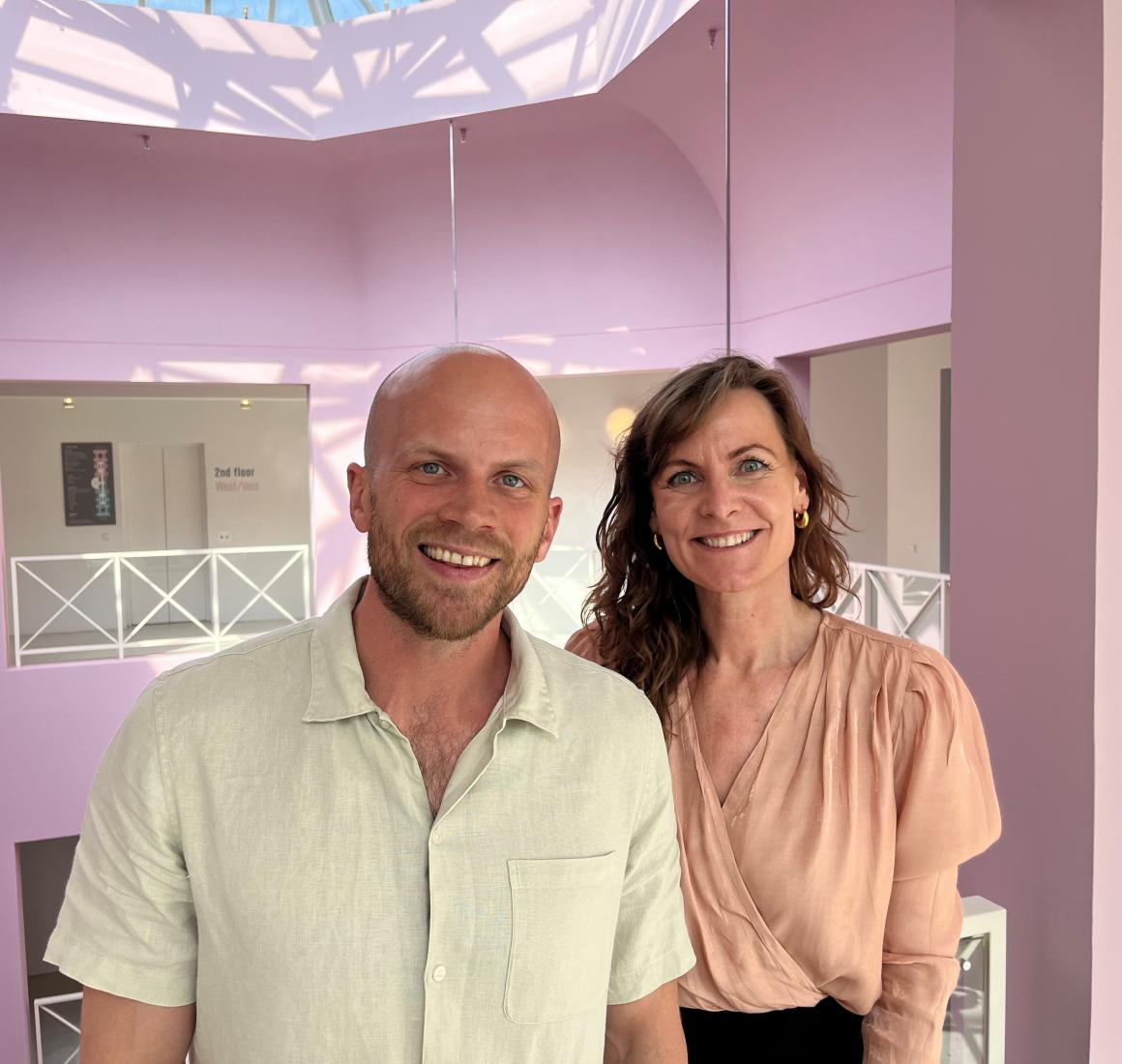
Explainer: Co-leadership
What does it mean to run a co-led company? And what is the role of the leader? Hear guest lecturer at Master of Public Governance Ann-Christina Matzen An…
Why we seek "strong" leaders in a crisis – and why we should embrace collective leadership instead
In times of crisis, we instinctively turn to strong, decisive leaders. But is that really the best approach? Professor Laura Empson explains why our preference…

When leadership quality declines, employees’ depressive symptoms increase
A new Danish study shows that employees’ depressive symptoms rise when the quality of leadership falls – and vice versa

Leading with nature: How?
Businesses are shifting from doing less harm to doing more good for nature. Net-positive biodiversity is becoming the goal — not just reducing damage, but…
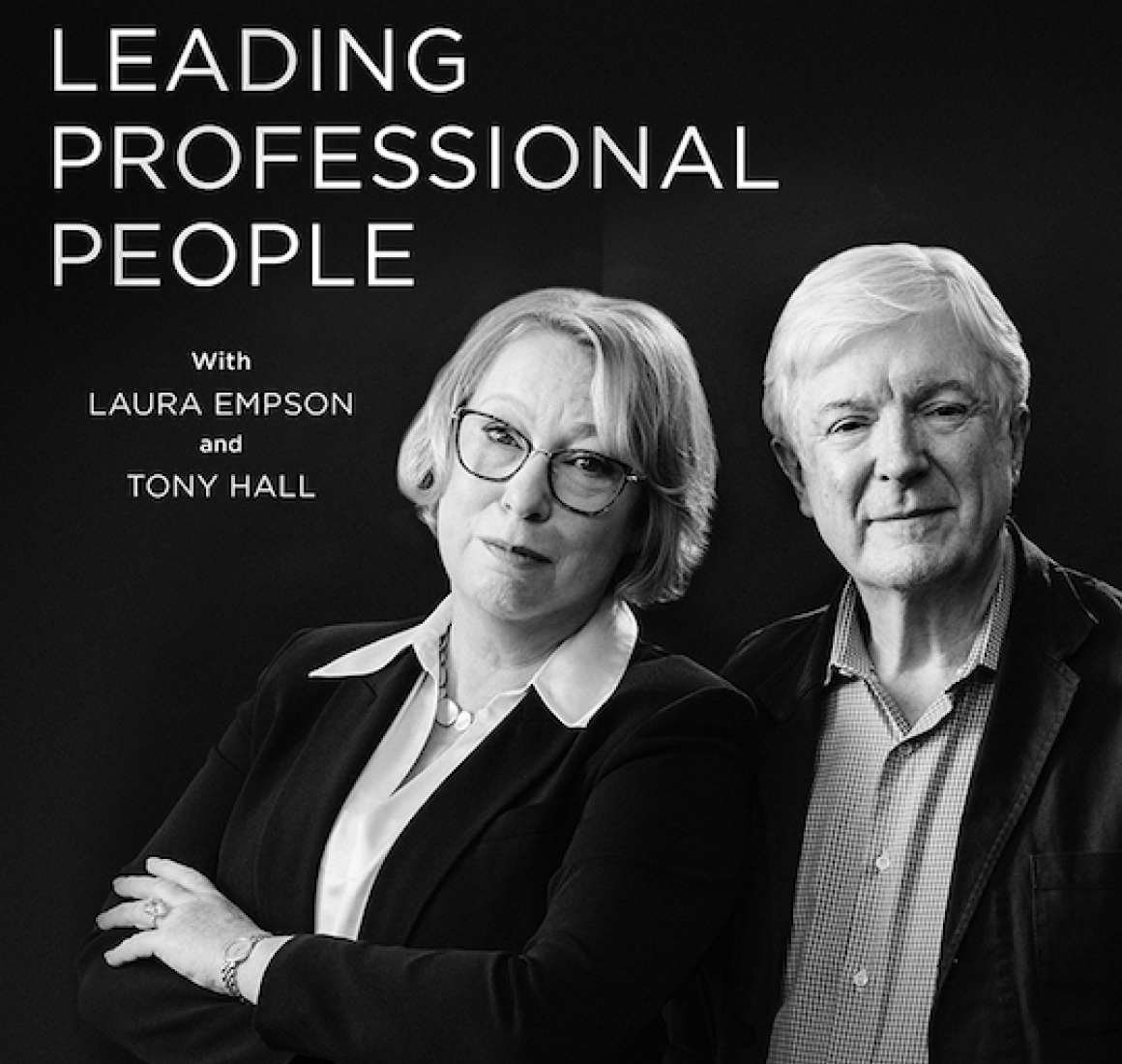
Podcast: Chris Saul - Subtle power
In their "Leading Professional People" podcast, Professor Laura Empson and Tony Hall, Lord Hall of Birkenhead, have been exploring the crucial…
Hvorfor tier vi, når vi burde tale?
Hvordan skaber man en arbejdskultur, hvor faglighed og ærlige stemmer får plads? Det spørgsmål blev omdrejningspunktet for Kaptajnløjtnant og underviser ved…
Your gateway to more knowledge
Did you find this content interesting? Sign up for our newsletter and gain access to more of our research findings and events.
With the world’s grand challenges awaiting us, we need to continuously evolve, gain new knowledge and insights, and upskill.
Dive into a world of knowledge by signing up below. You will get:
- Personal event invitations
- Pertinent research-based insights on business and society
- Information about the next intakes of our Executive Education programmes and courses
Keep learning

Master of Public Governance
På Master of Public Governance sætter du retningen for din egen master, ligesom du bliver rustet til at sætte retning for hele den offentlige sektor.

Executive MBA
CBS EMBA’s unique programme design and real-world applicability provides the platform for you to navigate a turbulent global business environment and become a…

Ledelse i kontekst
Bliv klædt på til at forstå og navigere i de organisatoriske og styringsmæssige rammer, der former din ledelsespraksis. Med udgangspunkt i dine egne erfaringer…

Ledelse af mennesker
Kurset giver dig en solid og grundlæggende viden om de dynamikker og forhold, der er vigtige, når du skal lede eller på anden måde have med mennesker og kultur…