The Potential Impact of the U.S. presidential election outcome on US–EU relations
The upcoming US presidential election will affect not only American citizens but also global affairs, especially US-European Union (EU) relations. Yumi Park, Assistant Professor at Copenhagen Business School, assesses the election outlook, future policies, their impact on US-EU relations, and the implications for Danish trade and investment.
Prospects of the U.S. presidential elections & future policies
In the current US presidential race, key issues driving voter concerns primarily revolve around the economy and inflation, with approximately 80% of voters emphasising the importance of economic matters and 85% expressing concern about inflation. Other influences include healthcare, immigration, and gun control.
The economy's prominence as a voter concern has escalated since Biden took office in 2021, overshadowing previous issues like domestic politics and immigration. Despite positive economic indicators such as real GDP growth, a thriving stock market, controlled inflation, and pre-pandemic levels of unemployment, voters' perceptions of Biden's economic management are unfavourable.
"Voters' perception matters. They remember the period between 2021 and 2023 when the US faced high inflation and lagging wage growth, likely due to media coverage at the time."
Recent macroeconomic data shows stability, but more people trust Trump over Biden to manage the economy. The discord raises questions about whether voters attribute economic improvements to Biden's policies or if there is an opportunity for Trump to capitalise on dissatisfaction – “clearly there is a disparity between economic realities and public sentiment.”
Other factors influencing the US presidential race include personal traits like Biden's age, and potential misinformation campaigns led by republicans.
"Household debt has increased significantly after the pandemic, leaving many Americans feeling that their lives have not improved."
The likelihood of a Trump victory is dependent on Biden's ability to handle domestic and international challenges effectively. Trump's supporters demonstrate unwavering loyalty despite legal controversies.
"He is potentially facing many criminal charges but his supporters, around 80%, would still vote for him even if he gets convicted.”
Key swing states like Michigan and Pennsylvania, with key manufacturing sectors, may lean vote for Trump due to incorrect perceptions of economic stagnation. However, with six months remaining until the elections, the landscape could still change.
“Economic voting theory suggests that voters may penalise incumbents for perceived economic mismanagement, potentially swaying swing states towards Republican support.”
About the researcher
Yumi Park is an Assistant Professor of International Economics, Government & Business (EGB) at Copenhagen Business School (CBS) with expertise in international political economy.
Yumi specialises in the politics of trade and financial market policies. Her current book project investigates when and why domestic banks lobby for financial market policies that liberalise markets. Her research also spans topics that lie at the intersection of international cooperation and domestic politics, such as currency swaps and bilateral investment treaties.
Prior to joining CBS, Yumi received her PhD in Political Science at the University of Wisconsin-Madison.

Impact on U.S. and EU Relations
"Biden's approach prioritises the restoration of traditional alliances and multilateral cooperation, emphasising commitments to NATO, the G7, and addressing global issues like climate change through international collaboration."
Biden’s stance would foster closer ties between the US and the EU. Trump's administration would be characterised by a unilateral approach – prioritising American interests over traditional alliances.
“This us versus them dichotomy that Trump practices threatens the EU in the sense that even a single gain by the EU is not okay for Trump. This would strain relations with the EU, particularly due to conflict and the imposition of tariffs.”
The potential tariffs on EU imports could exacerbate existing trade tensions, impacting various industries differently based on the level of differentiation of their products.
"Trump intends to impose 10% tariff on all imports during his second term. This could alienate the EU and push it towards diversifying its trading partners.”
Efforts to broaden trading partners within the EU might face challenges though given the complexities of global trade dynamics. China may emerge as an alternative partner, but uncertainties of a second Trump administration could complicate such efforts. Concerns arise regarding the potential implementation of more extreme policies under a re-elected Trump administration.
“This could lead to heightened isolationism and closer ties with authoritarian regimes. Biden's policies would seek a balance between traditional approaches and addressing contemporary challenges.”
Implications for Danish trade and investment
The situation for Denmark is nuanced. While the country heavily relies on trade within the EU, its major exports outside the EU, especially in sectors like pharmaceuticals and green energy, may face challenges.
"One of the biggest Danish exports is pharmaceutical products and it’s a very highly differentiated product. Pharmaceutical products and other differentiated products, are less likely to be subject to tariff rates."
Despite this, short-term effects may be lessened but long-term concerns do arise. The low engagement of Danish firms in global trade could offer some insulation against the impacts of trade wars but also suggest missed growth opportunities. The strength of the Danish krone also adds further complexity to the trade and investment landscape.
“Danish firms' interest in diversifying towards markets like China reflects an acknowledgment of the need to adapt to evolving global trade dynamics. Firms withdrawing from China could complicate these efforts.”
Overall, Denmark and its businesses must navigate carefully balancing immediate effects with long-term plans for diversification. This is crucial as other countries aim to strengthen their position in the EU market.
“Denmark must think strategically about its trade and investment approaches.”
KEEP READING

A new world order: Threats of war restrict the free market
Economic markets will be more restricted, and we are going to be more guarded with our strategies, says CBS professor.
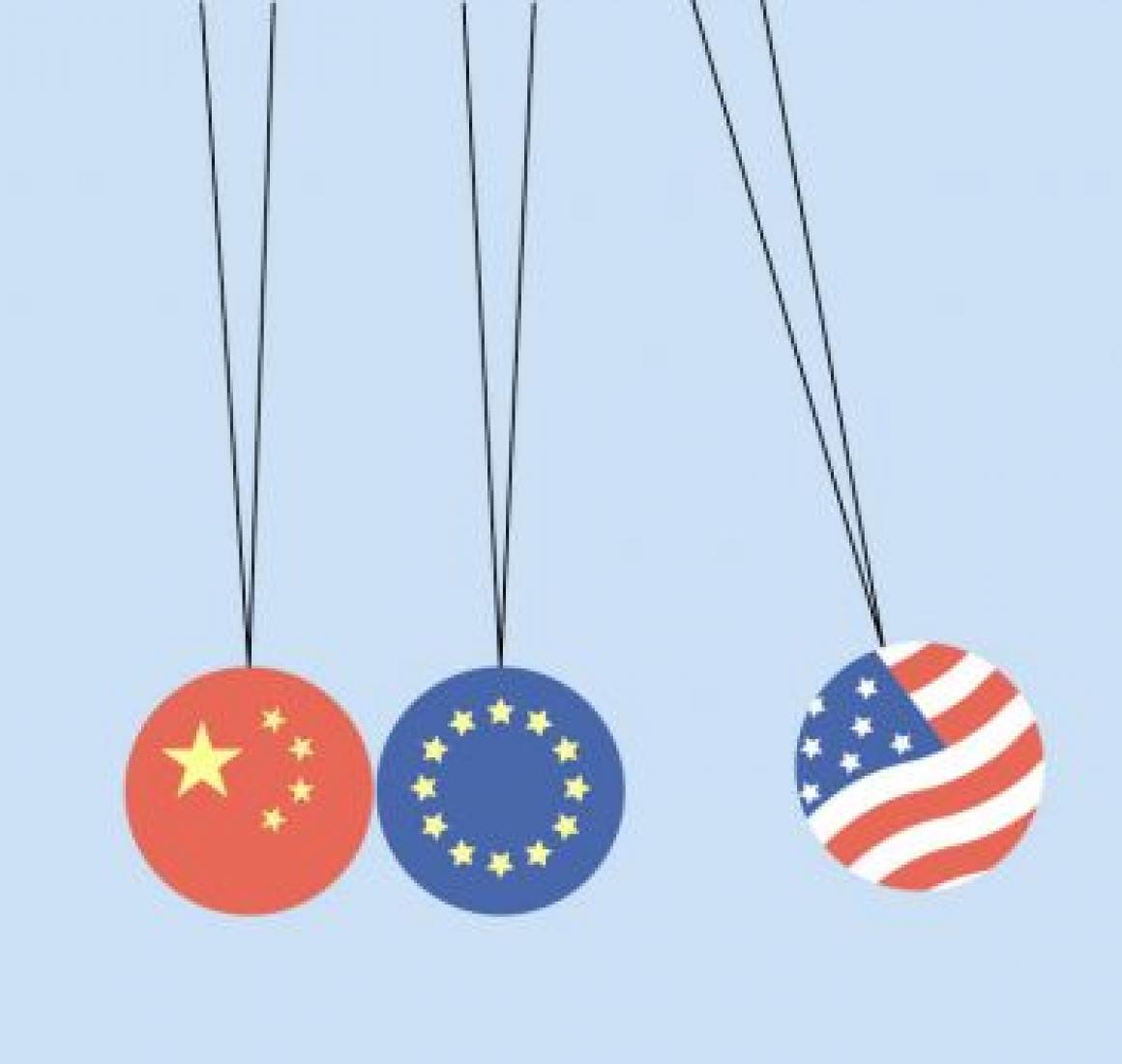
CBS researcher: “The EU will be caught between the US and China – and unless we take drastic action, it will come at the expense of our welfare”
The EU is facing major challenges in its relationship with China. China’s growing competitiveness, the introduction of industrial policy measures in the United…

110 years of voting rights – where does equality stand today?
We have brought together four women to discuss equality - or the lack thereof - 110 years after women gained the right to vote. They all have one thing in…
Your gateway to more knowledge
Did you find this content interesting? Sign up for our newsletter and gain access to more of our research findings and events.
With the world’s grand challenges awaiting us, we need to continuously evolve, gain new knowledge and insights, and upskill.
Dive into a world of knowledge by signing up below. You will get:
- Personal event invitations
- Pertinent research-based insights on business and society
- Information about the next intakes of our Executive Education programmes and courses
KEEP LEARNING

Master of Business Development
Executive degree for those passionate about creating new, innovative solutions and want to take responsibility for elevating and developing the business – for those who want more.

Full-time MBA
Elevate your career with a triple-accredited one-year Full-time MBA programme built around sustainability, authenticity and innovation.

HD2 International Business
This programme will give you an understanding of how businesses operate on the global stage and equip you with the skills to solve complex challenges in an…

International Business Strategy
Lær hvordan man leder, håndterer kommunikation og koordinering, samt balancerer standardisering og tilpasning af strategier for grænseoverskridende virksomheder.