Where Did the Apology Go?
“There have been mistakes, and it is regrettable.” Phrases like this are everywhere these days. Executives, public sector leaders, and government officials have gradually mastered the art of expressing regret without taking responsibility. It could have been an apology and pretends to be one, but instead it’s just hot air.

But where did the apology go?
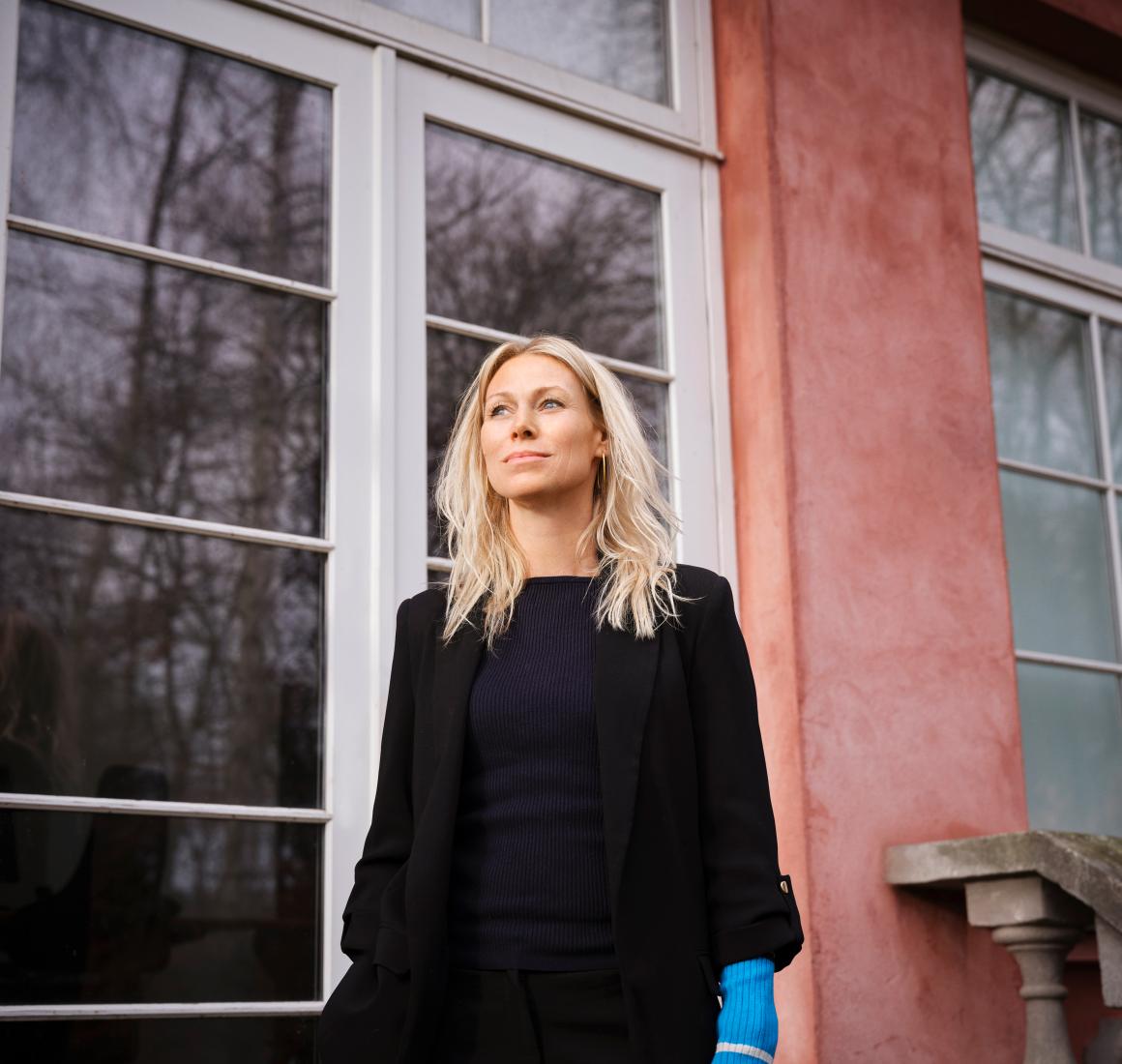
When public leaders manage to “regret a mistake” without taking ownership of it, it’s not just linguistic trickery - it comes at a real cost. To citizens. To trust. And perhaps, ultimately, to our democracy. That’s the view of Camilla Sløk, associate professor at CBS and researcher in ethics and accountability in the public sector:
“A sincere apology can help to heal. But we’ve made it so risky to admit mistakes that many leaders hide behind the system.”
One example is what now seems like an endless series of press conferences at the Ministry of the Environment, where Magnus Heunicke repeatedly stands before journalists’ microphones and expresses regret over mistakes that have turned out to devastate the sea and fjords around Denmark. But we get no closer to accountability than: “There is no doubt that this is a political failure.” But why does this happen, and why are we not seeing political action right now to improve the poor condition of Denmark’s seabed? An expression of regret on its own does not restore the marine ecosystems.
Mistakes Without Responsibility
If you’ve read a press release from a public institution in the last ten years, you know the script. When things go wrong - and they do - phrases like “it is regrettable”, “we take this very seriously”, or “we will learn from this” are wheeled out. Sentences that sound reasonable but never bring us closer to anyone taking ultimate responsibility.
Camilla Sløk points to the fact that today we have a culture where mistakes are preferably presented as systemic and unfortunate - something that arose from complexity and unfortunate circumstances. Not something someone is responsible for and could have prevented.
“When a leader says, ‘we made a mistake’, it rarely means that anyone will actually be held accountable,” she says. “It has become a rhetorical exercise that rarely carries consequences.”
That’s why it often feels as though no one is really speaking to the public when something goes wrong. We get technical explanations, but no human acknowledgment. And perhaps more importantly: no clarity. Who was responsible, and what will be done differently next time?
About the researcher
Camilla Sløk, Associate Professor, Phd at CBS
Her research focuses on ethics, dilemmas, and value conflicts.
- She has done intensive studies on expectations of responsibility in leadership, and how guilt occurs when organisations fail, calling for the leader to act.
- Teaches at both Master of Public Governance and Master of Business Development.
- Recent book publication: Fejl og forsoning i organisationer (available in danish)

A System Where No One Says Sorry
“Why should I apologise for something I didn’t do myself?”
That’s a sentence Camilla Sløk often hears from public leaders when teaching on the Master of Public Governance programme at CBS (this programme is taught in Danish) - especially from large public institutions, where responsibility and causes are spread across multiple levels and professional groups.
“It’s not just a matter of law. It’s about culture,” she says. “We still have a civil servant culture where guilt is tied to shame. And where apologising is seen as a personal admission. That’s how most leaders understand an apology in an official capacity - and that’s why they’re reluctant to offer one.”
The healthcare sector is one of the few areas where more structured work with errors has been introduced. Here, unintended incidents are reported, and the aim is to learn from them. But it’s still mostly professional errors - not organisational or financial ones. Regional politicians, who hold the overall responsibility for our hospitals, are often unwilling to discuss how mistakes arise due to their own budget cuts or reprioritisations. Health professionals are thrown under the bus instead of leaders taking responsibility for the cuts they’ve made.
Whether the mistake is professional or organisational, it is still rare for patients to receive a genuine apology when something has gone wrong.
When the Apology Disappears, We Lose More Than Just Words
It’s tempting to see the absence of apologies as a personal failure on the part of timid leaders. But Camilla Sløk believes it’s something bigger: a systemic tendency to dissolve responsibility in complex processes, regulations, and middle management.
And that has consequences for our democracy.
When no one apologises anymore, responsibility becomes invisible. When no one can be pointed to, it becomes difficult for us as citizens to understand what went wrong - and who to vote for if we want change. Lack of accountability is explained away with “the system’s fault”. But systems don’t exist without people. We invented the systems - so if responsibility gets lost in them, then we must dismantle the systems.
“If institutions don’t take responsibility, we activate people’s sense of justice,” says Sløk. “And then we risk vigilante behaviour, cynicism, and disillusionment with politicians.”
We don’t need to throw anyone to the lions. But perhaps we could start by expecting - and demanding - something simpler. A voice that says:
“This should not have happened. We apologise.”
KEEP READING

Let go of control and lead with agility in uncertain times

Why we seek "strong" leaders in a crisis – and why we should embrace collective leadership instead

Is Your Strategic Toolbox Up to Date?
Your gateway to more knowledge
Did you find this content interesting? Sign up for our newsletter and gain access to more of our research findings and events.
With the world’s grand challenges awaiting us, we need to continuously evolve, gain new knowledge and insights, and upskill.
Dive into a world of knowledge by signing up below. You will get:
- Personal event invitations
- Pertinent research-based insights on business and society
- Information about the next intakes of our Executive Education programmes and courses
KEEP LEARNING

HD2 Organisation og ledelse

Master of Public Governance
Master of Business Development

Executive MBA

Leading Strategic Transformation