Three factors hinder boards' efforts towards sustainability
Sustainability can both help and hinder a company's competitiveness. New research has identified three barriers that prevent ESG challenges from being integrated into daily boardroom discussions.

Once a month, researchers at Copenhagen Business School provide Børsen readers with a current and research-based perspective on the challenges facing leaders.
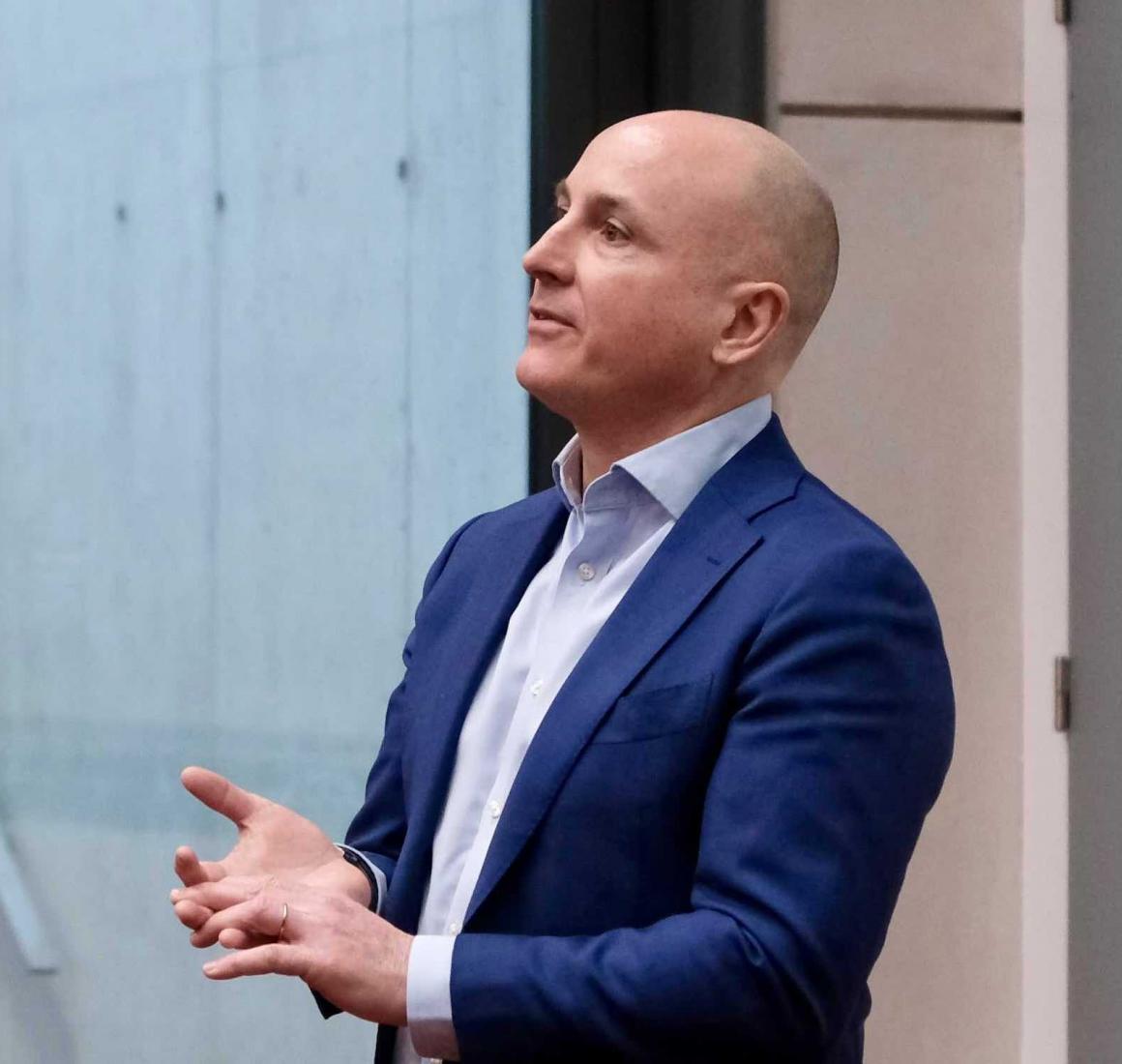
This time, Andreas Rasche, professor of Business in Society at the CBS Centre for Sustainability and Associate Dean for the CBS Full-Time MBA Programme, presents the 3 barriers he has identified in his research, that prevent sustainability from becoming part of routine board-level discussions.
Boards in Danish companies increasingly feel the pressure to consider sustainability in their decision-making. Two key developments drive this push for sustainability. On the one hand, new EU regulations put sustainability on the compliance agenda and hence make it relevant for board-level discussions. On the other hand, directors realise that sustainability significantly impacts companies’ risks and opportunities.
However, boards still have a long way to go when it comes to sustainability. A recent survey from BCG and INSEAD showed that 91% of directors believe that boards should strategically reflect on sustainability. Yet the same survey also showed that almost 70% of directors feel that they are not very effective at embedding such ESG topics into their strategic discussions.
While boards are aware that sustainability has turned into a critical topic, they also realise that ESG concerns are not yet integrated into routine board-level discussions. My research has identified three barriers that stand in the way of such integration: unclear structures to discuss sustainability at board level; the predominance of a compliance mindset; and a lack of ESG-related competencies.
“70% of directors feel that they are not very effective at embedding ESG topics into their strategic discussions.” Andreas Rasche
Professor of Business in Society at the CBS Centre for Sustainability
Structure
Without an adequate structure, boards risk that sustainability falls too easily off the agenda. When talking to board members, I am often asked: “Should we consider forming a sustainability committee?” I do not think that every board needs such a committee, but it can make sense in some contexts.
A committee works well when a company needs to (or wants to) catch up quickly on sustainability or when a firm faces a highly material ESG issue that is closely connected to its corporate strategy. In these cases, boards need a dedicated space for sustainability discussions which can be provided by a new committee or the extension of an already existing committee. In most cases, however, boards strive to integrate sustainability into their regular discussions and decisions. This ‘full integration’ model is great, but it requires that the board has a critical mass of directors with ESG competencies.
Mid-sized companies can equally have a committee on sustainability, for instance if they are impacted a lot by sustainability topics in terms of risks and opportunities (e.g., in terms of the products they sell).
Mindset
Structures are important, but even the best structure is useless if a board approaches sustainability with a compliance-only mindset. Right now, directors are confronted with a wave of European sustainability regulations, many of which have implications for board work. Naturally, the response to these new regulations is often compliance. But a compliance-only approach puts too much focus on the risk side of the debate. Boards need a balanced sustainability mindset where discussions around compliance are complemented with a focus on long-term value creation and growth opportunities.
Competencies
Often, board members do not (yet) have sufficient competencies when it comes to sustainability. Let’s be clear: directors do not need to be sustainability experts. After all, the role of the board is to oversee and guide a company’s sustainability work, not to carry out that work. However, directors should understand basic concepts (e.g., double materiality) as well as emerging legislation so that they can develop an informed opinion on the firm’s sustainability strategy. The interesting discussions emerge once boards connect ESG risks and opportunities to reflections around the competitiveness. As with financial information, this requires knowledge and the ability to apply this knowledge correctly.
“The interesting discussions emerge once boards connect ESG risks and opportunities to reflections around the competitiveness.” Andreas Rasche
The three barriers discuss different means to better integrate sustainability into the boardroom. It is important that we do not get carried away by these means without reminding ourselves of the end. Boards have a mandate to act in the long-term interest of the company. This implies to better understand those issues that enable and constrain competitiveness. Sustainability is certainly one such issue.
LEADERSHIP IN FOCUS
KEEP READING

SME pollution: “We know nowhere near enough”

Four common features of sustainability-driven companies

Danish Firms Trail in Readiness for New European ESG Standards

Danish ports: Expanding the focus from water to land

It takes a village: Implementing a new food strategy for a sustainable food system
Corporate ESG Reporting Standards in Scandinavia – “Danish Companies Emerge as the Least Prepared”
ESG Dynamics – Balancing Principles and Responsible Finance
Your gateway to more knowledge
Did you find this content interesting? Sign up for our newsletter and gain access to more of our research findings and events.
With the world’s grand challenges awaiting us, we need to continuously evolve, gain new knowledge and insights, and upskill.
Dive into a world of knowledge by signing up below. You will get:
- Personal event invitations
- Pertinent research-based insights on business and society
- Information about the next intakes of our Executive Education programmes and courses
KEEP LEARNING

Master of Management Development

Executive MBA

Master of Public Governance