Responsible ownership is the key to sustainability in business
More than ever, short-termism is seen as a barrier to building a sustainable business community committed to the green transition and to tackling inequality, poverty and hunger, as highlighted in the UN’s Sustainable Development Goals. Stewardship – responsible long-term ownership – is therefore central to sustainability in business.
Once a month, researchers from CBS write a column in Børsen, where they give readers a current and research-based perspective on the challenges managers face.
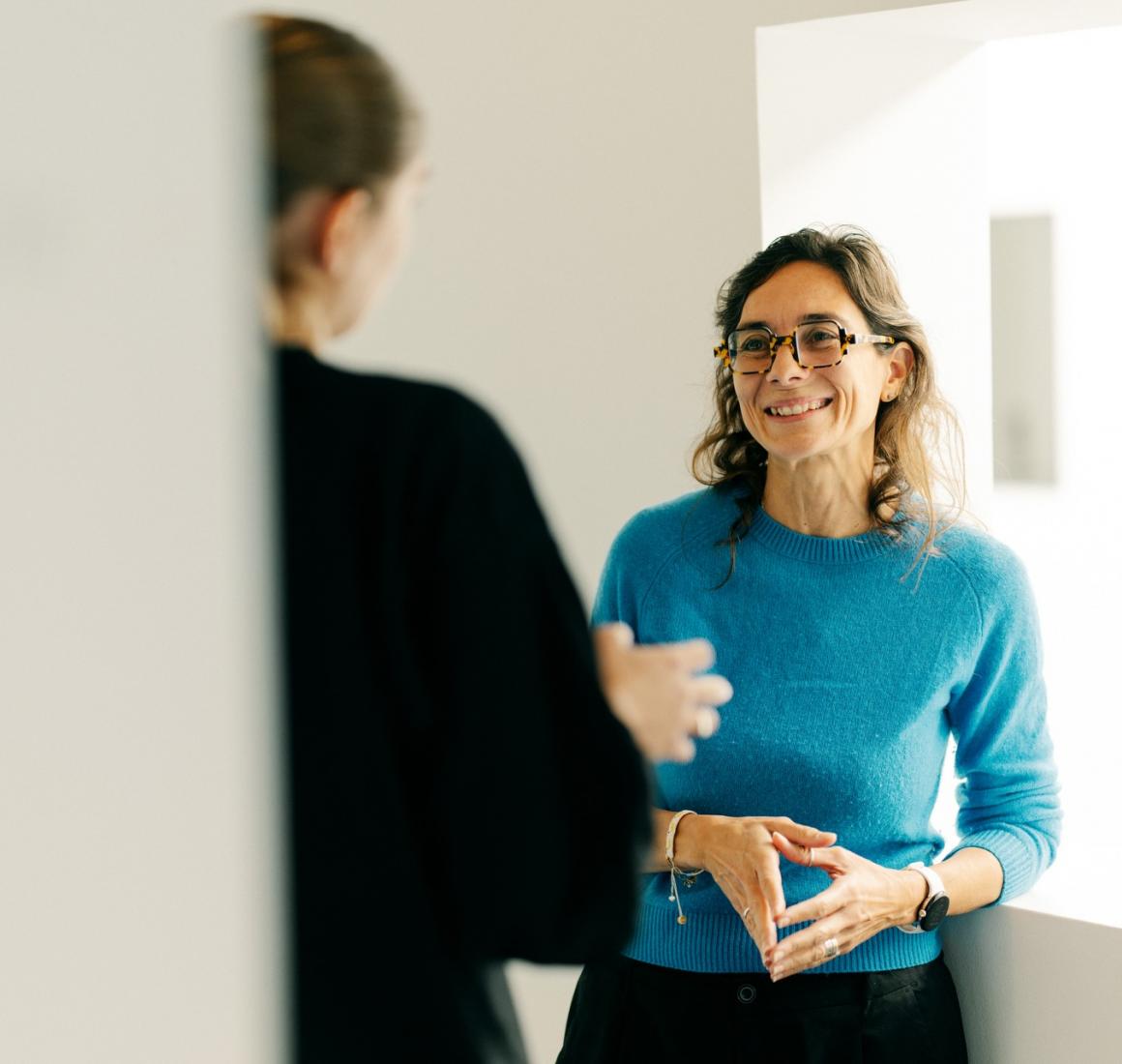
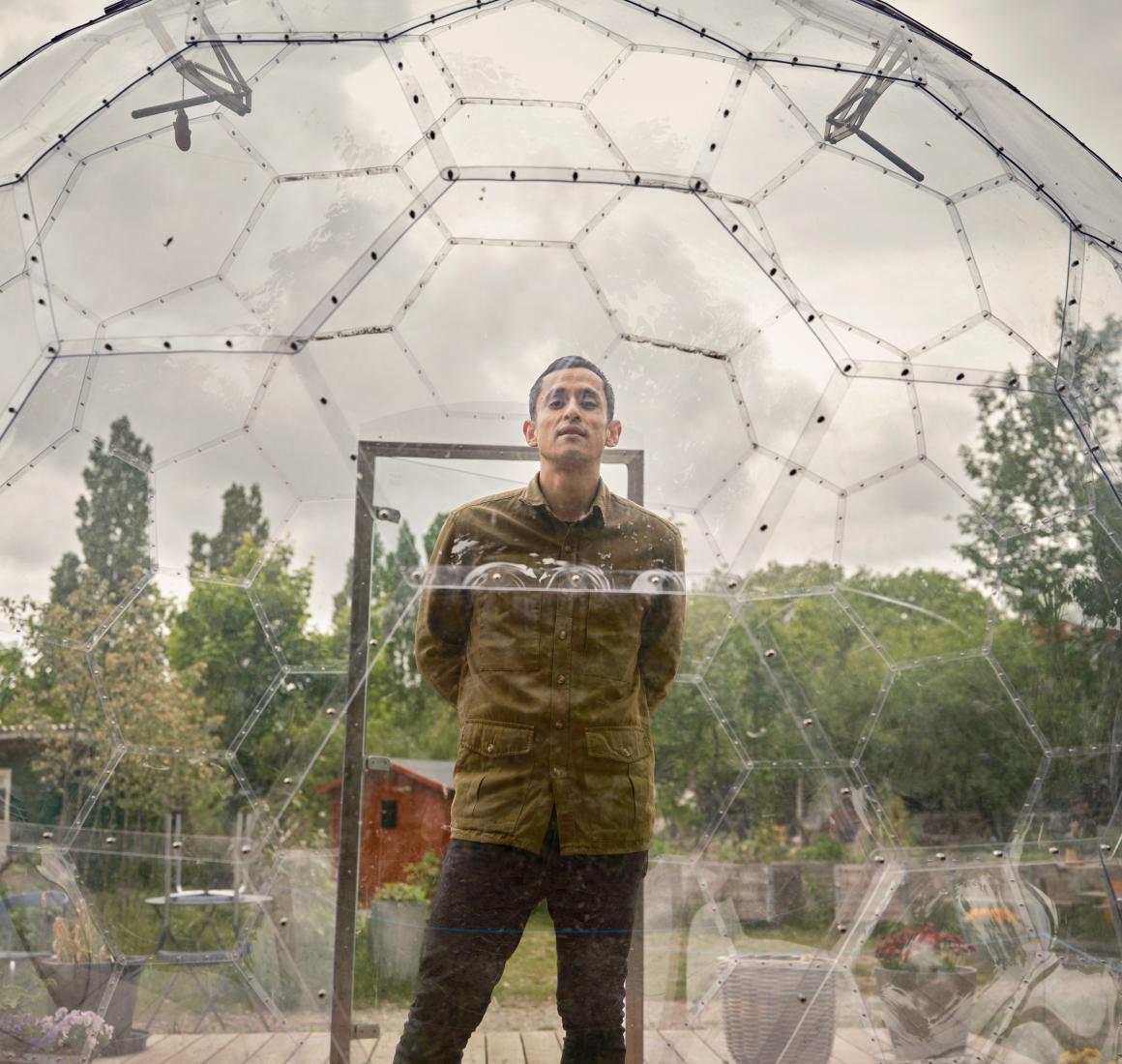
In this column, Nikolaos Kavadis, Associate Professor at the CBS Centre for Corporate Governance, elaborates on how responsible long-term ownership, aka stewardship, is the way to go to ensure a sustainable direction of businesses.
Concerns about short-termism have sparked lively debates and several political initiatives - also in the EU. In a study, Copenhagen Business School professor Steen Thomsen and I have sought to clarify the link between ownership and sustainability. Since certain shareholders such as governments, institutional investors and families tend to work with long-term horizons, there is a general perception that long-term horizons also incentivise sustainability efforts. This is also usually found to be the case in most state-owned companies, multinational subsidiaries and among long-term institutional investors.
However, there is one exception: family-owned companies. There are almost as many studies showing a negative as a positive correlation between family ownership and sustainability. For example, research on family ownership has documented that some families are predominantly concerned about maintaining control of their business and about their family relationships. But there's no guarantee that these goals will motivate them to fulfil their share of the challenges facing the world. In other words: A long-term horizon is not a guarantee of sustainability.
My co-author in this study, Professor Steen Thomsen, puts it this way:
"Within family businesses, there is a difference between those who prioritise the company and its purpose and those who focus on the family.
You could call the first group 'business first' and the second 'family first'.
The business-first families exhibit what can be called stewardship. A steward is someone who goes beyond their own self-interest and acts responsibly on behalf of others - for example, the Lord, the king or the common good."
So, while it's necessary or important for business owners to have a long-term time horizon, it can't stand alone in terms of moving the business forward in a more sustainable direction, especially in family-owned businesses.
That's why we believe that responsible ownership is an important but overlooked factor that should be promoted. Below, we outline some of the options that businesses can utilise.
“A long-term horizon is not a guarantee of sustainability.” Nikolaos Kavadis
Associate Professor at the CBS centre for Corporate Governance
A "Danish" solution: succession through the establishment of a foundation
One option that is particularly recognised here in Denmark is succession through a foundation - a long-term ownership that is governed by a statute that explicitly defines the foundation's objectives, which in turn can be used to address sustainability challenges.
Patagonia's transition to foundation ownership is a recent example that shows the growing popularity of foundations outside of Denmark. However, few people are willing to give their entire wealth to a foundation.
In family-owned companies, foundations can play an important role as minority shareholders who have a special role in monitoring the company's purpose and supporting good causes.
Intensify shareholder and director awareness
At the same time, it is clear that shareholders and boards of directors can single-handedly do a lot to ensure responsible ownership.
They can commit to collaborating with other investors who support this purpose, establish board committees with a focus on sustainability and include climate action in executive compensation.
In family-owned businesses, which make up the majority of the world's businesses, founders and family members can educate and train the next generation of business owners to recognise the importance of the company and its purpose. In other words, educate them on stewardship.
“Shareholders and boards of directors can single-handedly do a lot to ensure responsible ownership.” Nikolaos Kavadis
Emphasise stewardship in vocational education and training
The role of business education is becoming more important than ever in communicating research findings on the meaning and importance of stewardship in our current global context, complementing the classic theories of individual motivation and incentives.
Political decisions, legislation and soft legislation
There are also other options to improve sustainability in business at the political and legislative level.
For example, Germany has a new legal format for steward-owned companies that allows shareholders to opt out of their returns, allowing the accumulated financial resources to be reinvested in the company with sustainability in mind. France has a law, also recommended by the European Commission, that systematically includes sustainability as part of management's obligations to act in the best interest of the company.
This would, for example, require directors to commit to the reduction of CO2 emissions in accordance with EU regulations and to measure and ensure human rights compliance in the company's supply chain.
The stewardship code implemented by the global stock market, which is primarily aimed at institutional investors, provides a soft alternative to hard legislation, as is the case with other similar codes aimed at family-owned businesses or state-owned companies.
Overall, there are many ways to promote stewardship at the legal, political, educational and corporate level - in addition to the more traditional and best-in-class tools such as carbon taxes - that could potentially play a positive role towards a more sustainable future.
LEADERSHIP IN FOCUS
KEEP READING

Four common features of sustainability-driven companies
How to share leadership in practice - Lessons from an organisation in transition

Leading with nature: How?
ESG Dynamics – Balancing Principles and Responsible Finance
Your gateway to more knowledge
Did you find this content interesting? Sign up for our newsletter and gain access to more of our research findings and events.
With the world’s grand challenges awaiting us, we need to continuously evolve, gain new knowledge and insights, and upskill.
Dive into a world of knowledge by signing up below. You will get:
- Personal event invitations
- Pertinent research-based insights on business and society
- Information about the next intakes of our Executive Education programmes and courses
Keep learning

Full-time MBA
Master of Business Development
Green shipping and Port Management
Managing Innovation