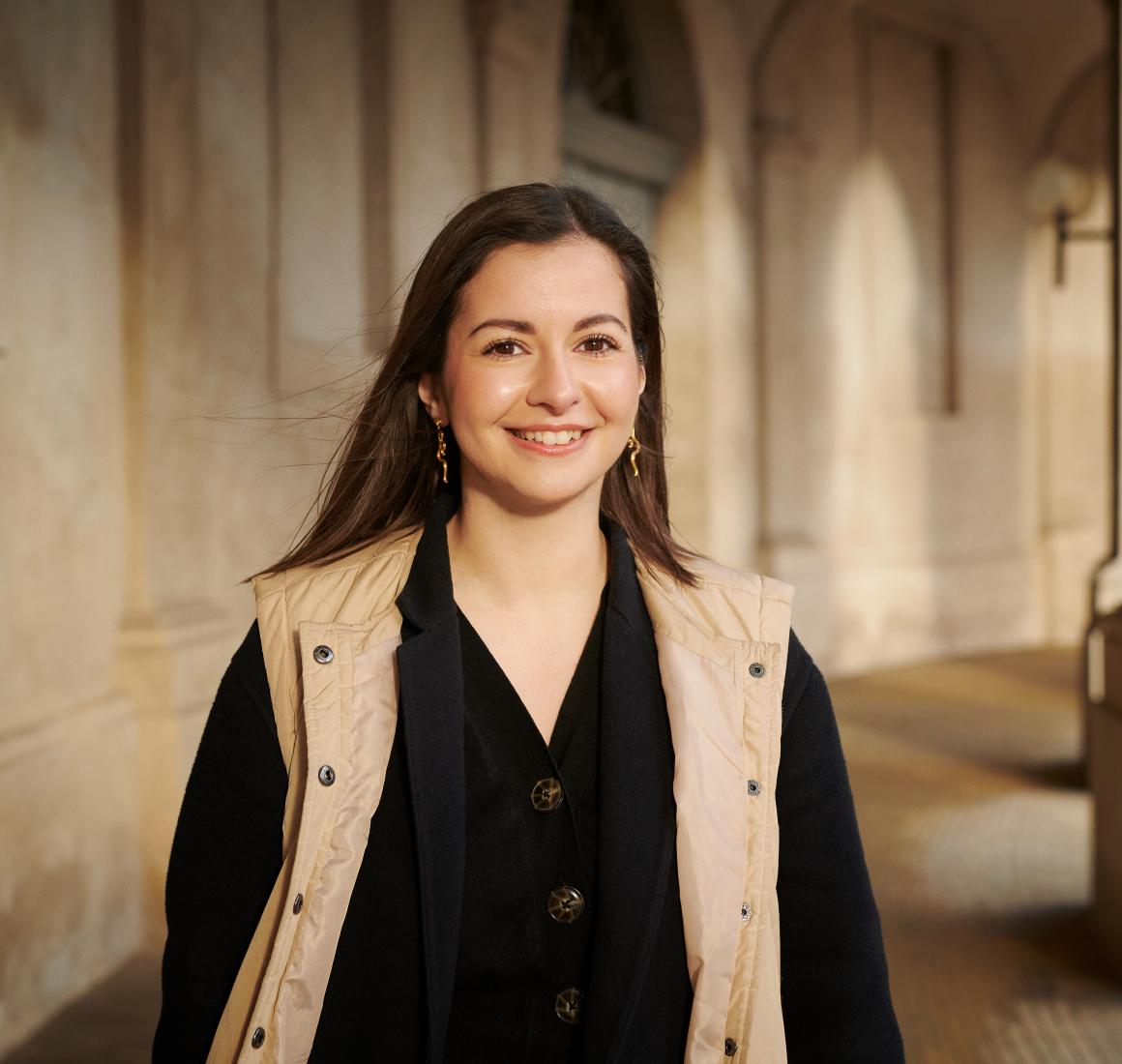
Learning from failure is harder than we think
CBS research shows that learning from failure depends less on avoiding mistakes and more on how organisations interpret errors, regulate risk, and respond when things go wrong, says CBS Professor Kristina Dahlin.
Failures are unavoidable.
In organisations as different as hospitals, airlines, and Formula 1 teams, things go wrong every day. Yet while some organisations systematically reduce risks and improve safety, others repeat the same mistakes repeatedly. According to Professor MSO and organisational researcher at CBS Kristina Dahlin the difference is not whether failures occur, but whether organisations are able to learn from them.
“Everybody fails, but not everybody learns. Learning from failure is much harder than most people assume,” says Kristina Dahlin, whose research focuses on failure learning in high-risk and complex environments.
Why failure learning is so difficult
One reason is that failures are often misunderstood. Kristina Dahlin emphasises the importance of separating errors from failures as it is a distinction that is frequently blurred in practice.
“An error is a human action. Someone does something wrong. A failure, on the other hand, is a bad outcome. And just because an error occurs does not mean that there will be a failure,” she explains.
In many organisations, however, errors and failures are treated as if they were the same. When outcomes are good, people tend to assume that everything was done correctly. When outcomes are bad, someone must have made a mistake.
“These are very strong learning assumptions. We assume that success means no error, and failure means error. But most errors do not lead to failures, and many failures are caused by factors other than error,” Kristina Dahlin says.
This mismatch introduces what she calls “noise” into the learning process. Organisations end up focusing on blaming individuals rather than understanding underlying causes.
Learning requires willingness, opportunity, and ability
Based on a comprehensive review of empirical studies, Kristina Dahlin and her colleagues identified more than 50 factors that influence failure reduction. These factors can be grouped into three overarching conditions: willingness, opportunity, and ability.
“You need all three. Opportunity means having access to information and time to learn. Willingness is about being motivated to invest effort and resources. Ability is whether individuals actually have the capacity and skills to learn,” she explains.
The relationship between these conditions is multiplicative.
“If one of them is zero, learning is zero. An organisation can have all the information in the world, but if it is not motivated to learn, nothing happens,” Kristina Dahlin says.
“Failure learning is very doable. But it requires constant effort. The moment organisations believe they no longer need it, they are already at risk” Kristina Dahlin
Professor at CBS
Focus on systems, not individuals
A well-known example of how this mindset plays out in practice is the transformation of Alcoa Aluminum Company.
When a new CEO took over the company, he made an unusual demand: he would accept the job only if he could decide what to focus on. At his very first meeting with investors, he did not talk about profits, restructuring, or layoffs. Instead, he announced a single goal: zero workplace accidents.
“People thought he was crazy. Investors were running out of the room saying: sell your shares,” Kristina Dahlin says.
But the CEO’s logic was simple. If an accident happened, it was not because of a single individual. It was a sign that something in the system or the process was wrong.
“He realised that individual accidents are just the tip of the iceberg. So instead of blaming people, you go and look at the iceberg and remove the cause of it,” Kristina Dahlin explains.
By focusing relentlessly on processes rather than individuals, Alcoa not only improved safety, but it also improved performance. According to Kristina Dahlin the company’s share value increased dramatically over time.
“It turned out to be incredibly successful. That’s a counterexample to the idea that safety and performance are in conflict,” she says.
Why individuals still matter even in regulated systems
Even in highly regulated industries, failure learning ultimately depends on individual responses. Emotions such as fear, shame, and guilt play a decisive role in whether people report problems or stay silent.
“People will only share honest information if they feel reasonably safe. If reporting an error comes with personal costs and no perceived value, people will suppress information,” Kristina Dahlin says.
Management therefore plays a critical role. Leaders shape local climates of psychological safety, even within organisations that have formal rules and procedures.
“Managers not only set objectives. They also establish whether people feel able to speak up without being punished,” Kristina Dahlin notes.
However, psychological safety alone is not sufficient.
“Being nice is not enough. You also need structures that ensure information doesn’t disappear,” she says.
Learning without failing firsthand
One of Kristina Dahlin’s central points is that organisations do not need to experience failure themselves to learn. In fact, relying on firsthand failure can be dangerous.
“Aviation is safe precisely because pilots are trained to handle crises without having to experience real failures. Simulation, regulation, and systematic training allow organisations to reduce risks before disasters occur,” she explains.
Regulators play a key role by collecting data across organisations and identifying patterns that individual firms cannot see on their own.
“They learn from the best actors and remove the worst. Regulation creates opportunity for learning at an industry level,” Kristina Dahlin says.
Learning is possible, but not automatic
Paradoxically, excessive failure can also hinder learning. When problems accumulate, organisations struggle to decide what to address first.
“If there is too much failure, the situation becomes too complex. People are running around putting out fires instead of learning systematically,” Kristina Dahlin explains.
Failure learning is not linear, predictable, or guaranteed. It depends on how organisations treat information, how leaders respond to bad news, and whether systems support honest reflection.
“Failure learning is very doable. But it requires constant effort. The moment organisations believe they no longer need it, they are already at risk,” Kristina Dahlin concludes.
About Kristina Dahlin
Professor MSO at CBS, Department of Strategy and Innovation Associate professor at Oxford University Educated at Carnegie Mellon University – Tepper School of Business.
Research focuses on:
- Organisational learning
- Learning from failure
- Technological development
- Workplace suicide
- Technological innovation
KEEP READING

We can learn from China

Embrace the researcher's mindset in your organisation

Corporate innovation has stalled – and AI risks deepening the challenge

The reign of transformation and potentialisation in organisations
Your gateway to more knowledge
Did you find this content interesting? Sign up for our newsletter and gain access to more of our research findings and events.
With the world’s grand challenges awaiting us, we need to continuously evolve, gain new knowledge and insights, and upskill.
Dive into a world of knowledge by signing up below. You will get:
- Personal event invitations
- Pertinent research-based insights on business and society
- Information about the next intakes of our Executive Education programmes and courses
KEEP LEARNING
Managing Innovation

Master of Business Development

Full-time MBA