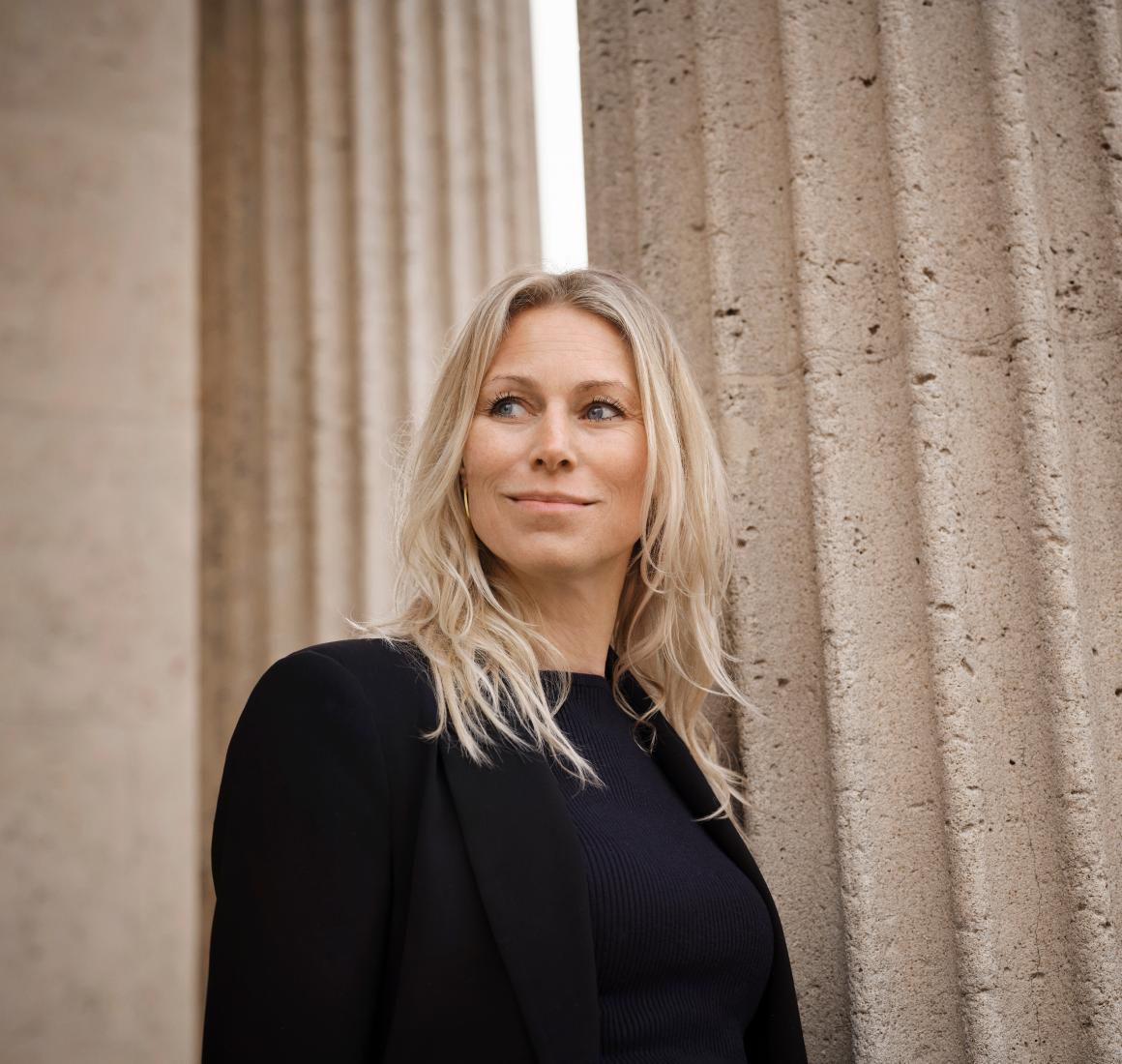
How Saying No Can Help Rebuild the Welfare State
When a citizen says no to a public-sector proposal, it is not a sign of negativity but a prerequisite for productive disagreement and value creation. That is why we need to reinvent “no” as the welfare state's immune system, says Professor Niels Åkerstrøm Andersen. But doing so places significant demands on the public sector.

There is a kind of regime of temporariness in the public sector. Decisions are postponed in an endless attempt to view problems from multiple perspectives. The public administration has the best of intentions, says CBS Professor Niels Åkerstrøm Andersen, but complexity has become an argument for avoiding responsibility. In its pursuit of being flexible, agile and solution-oriented, the administration has effectively removed the possibility for citizens to say no in a constructive way to what it proposes.
When the administration replaces decisions with, for example, temporary “pilot initiatives” in order to “keep options open”, it deprives citizens of the opportunity to respond to something concrete, argues Niels Åkerstrøm Andersen.
“Citizens say no because they want something to happen and a decision to be made, so they can receive help here and now. But the basis for disagreement disappears because there is nothing concrete to argue against. As a result, the no becomes an emotional reaction, and professionals are left with no room for action because they perceive the no as pure negativity. This wears down public-sector employees, and ultimately some citizens give up on cooperation altogether,” concludes Niels Åkerstrøm Andersen.
According to Andersen, this is a fundamental problem for the welfare state. A citizen’s no is not an annoyance; it is the welfare state’s immune system. It is through disagreement that the system can identify mistakes, correct its course, establish precedent and evolve.
The Immune Mechanism Disappears
To understand today’s challenges, Niels Åkerstrøm Andersen traces the issue back to the legal foundations of the welfare state. In 1849, the Danish Constitution made power subject to the rule of law. First, this principle was applied to Parliament, and later efforts were made to ensure that the powers of public administration were similarly bound by law. As Andersen explains, public administration has a tendency to prioritise the interests of society as a whole. So how do we protect the individual?
The answer was administrative law, which functions as a kind of conflict economy: it invites citizens into conflict while at the same time regulating that conflict through clear procedures, formal decisions and avenues of appeal.
“This means that conflict becomes a mechanism for learning, because it can be brought before the courts and create precedent. It is an immune mechanism that protects the administration from its own structures. Today, the law is disconnected from the conversation when the administration does not make decisions, leaving citizens with nothing to appeal against. Ultimately, the administration also removes its own opportunity to learn,” says Niels Åkerstrøm Andersen, who describes this development in his book We Hear What You Are Saying.
Meet Niels Åkerstrøm Andersen
CBS Professor Niels Åkerstrøm Andersen typically structures his teaching as an analysis of contemporary developments, which he discusses with participants in his course “Polyphony and Political Communication.”
About the course:
Modern organisations are complex. With numerous departments, specialists, consultants and employees who all have different backgrounds, competencies and objectives, it can be challenging to ensure that communication is understood in the same way across the organisation. Leaders therefore need to be able to identify, understand and bridge different logics and perspectives. This course provides you with tools to analyse discourses and address challenges in organisational communication.
A No Is Not an Ending – It Is an Opening
For Niels Åkerstrøm Andersen, a no is a form of communication that protects the relationship by insisting on new terms and conditions. And that is something the public sector needs to learn to listen for.
A no is not an ending – it is an opening. A signal that:
“I cannot move forward on the current terms, but I am willing to continue the conversation on different ones,” he says.
The alternative to no is not yes. The alternative is exit: the citizen withdraws from the conversation, gives up hope, or reacts purely out of frustration.
The dynamic is easy to recognise within a family, Niels Åkerstrøm Andersen explains. Teenagers who cannot say no to the family’s annual trip to the summer house may instead begin withdrawing from family life altogether. If, on the other hand, they openly reject the summer-house holiday, the family can renegotiate its expectations and create something new. Perhaps a summer holiday abroad like their classmates, combined with a trip to the summer house during the winter break.
The welfare state works in much the same way, he concludes.
What Can Public Leaders Do?
“I am not here to tell public leaders what they should do,” says Niels Åkerstrøm Andersen, who often structures his MPG teaching around analyses of contemporary developments.
“I simply try to hold up a mirror.”
However, three points stand out clearly in his view:
- Put an End to the Regime of Temporariness
Conversations without legal authority leave both citizens and employees in a vacuum. Leaders must ensure that there are decisions, clear frameworks and avenues for appeal. Without them, nobody can navigate effectively.
- Restore the Rule of Law as a Source of Value Creation
The law is the learning mechanism that enables the welfare state to evolve. In many places, the role of legal professionals has been diminished. That should change.
- Make Conflict Legitimate
Give employees the opportunity to refer to rules, decisions and formal structures. This protects them from becoming the personal target of citizens’ frustrations—and it makes a citizen’s no productive, because there is then something concrete to discuss.
Keep reading
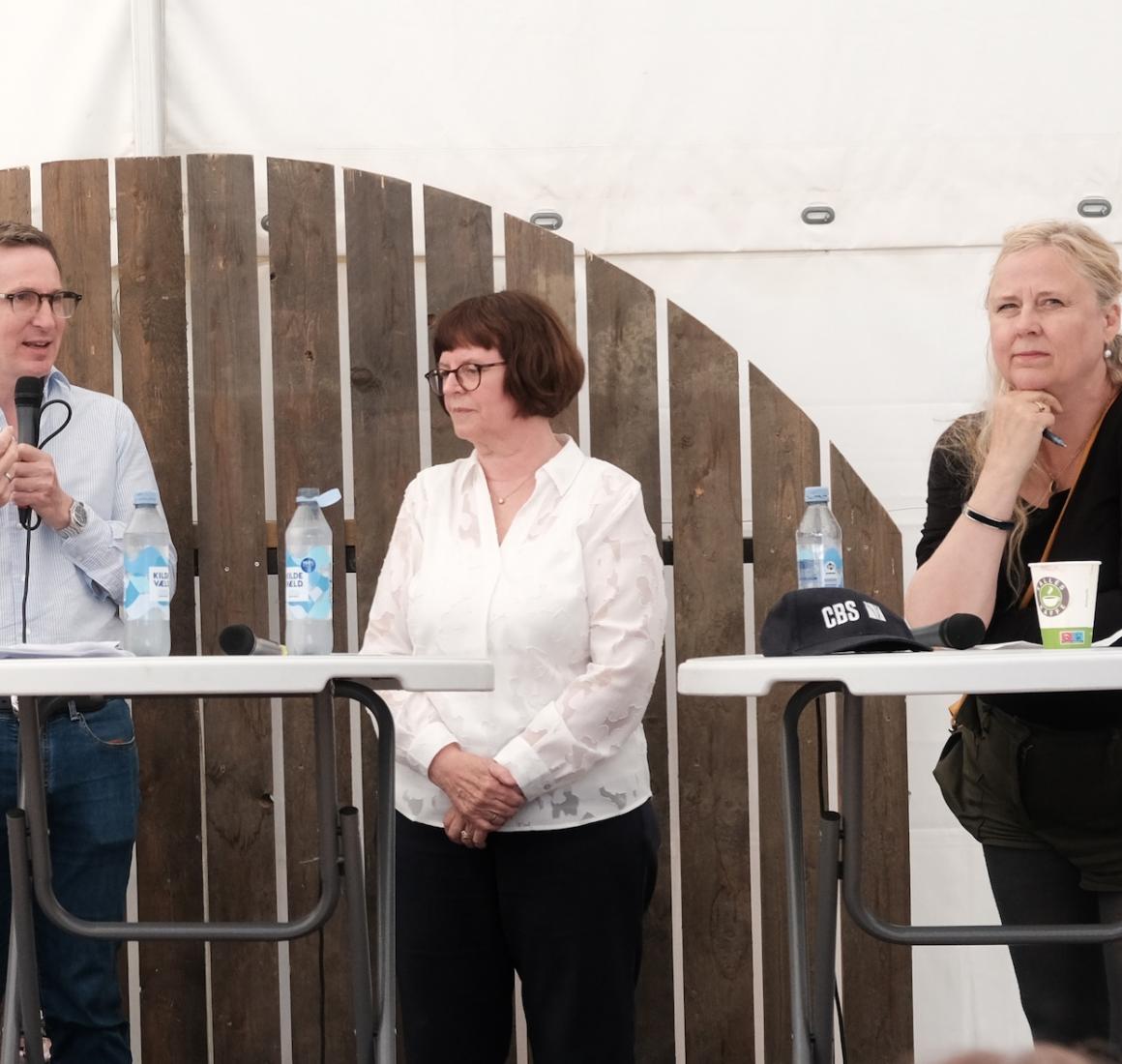
Leadership Can Be Painful – But Are We Allowed to Talk About It?
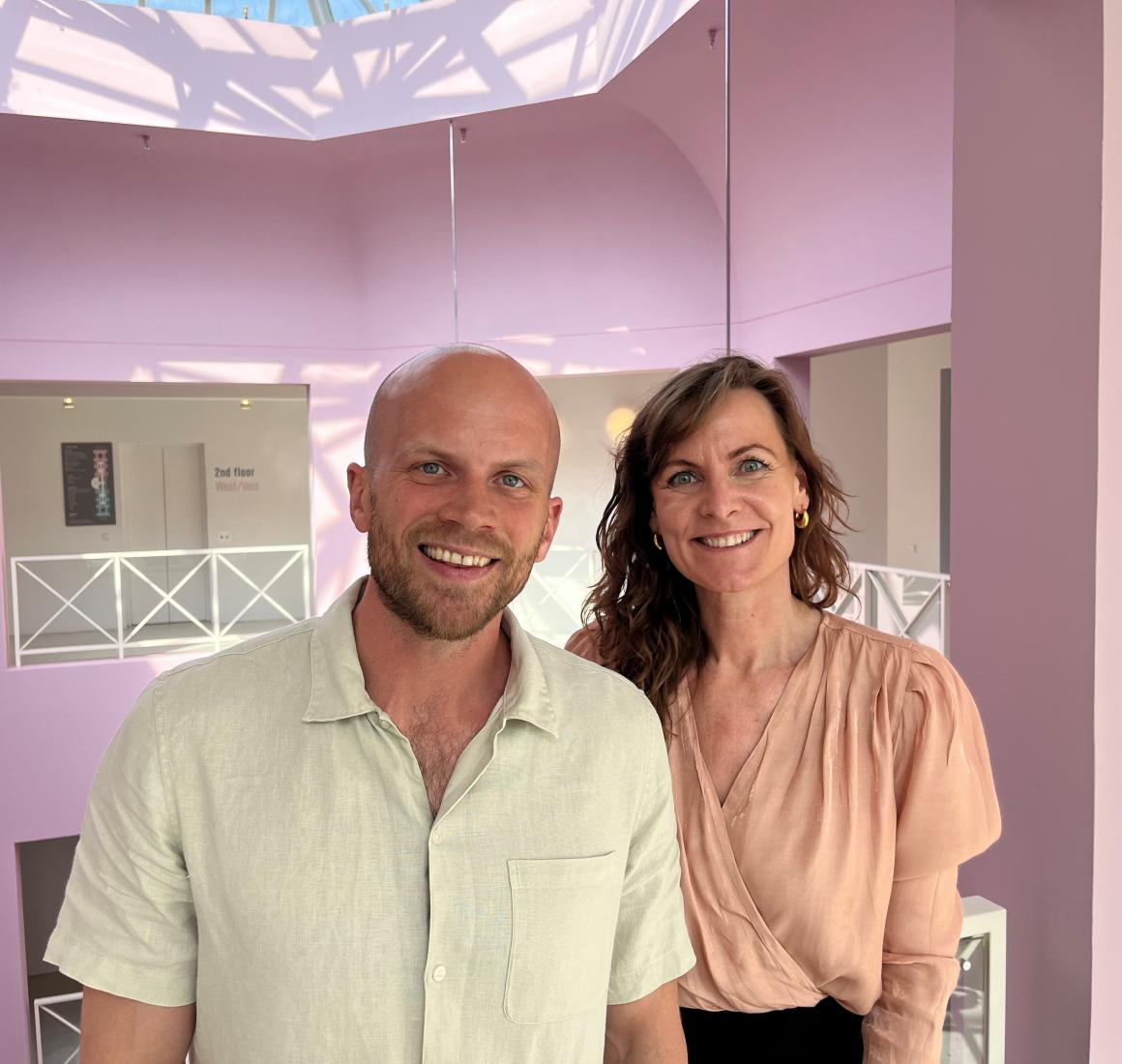
Explainer: Co-leadership

Why we seek "strong" leaders in a crisis – and why we should embrace collective leadership instead
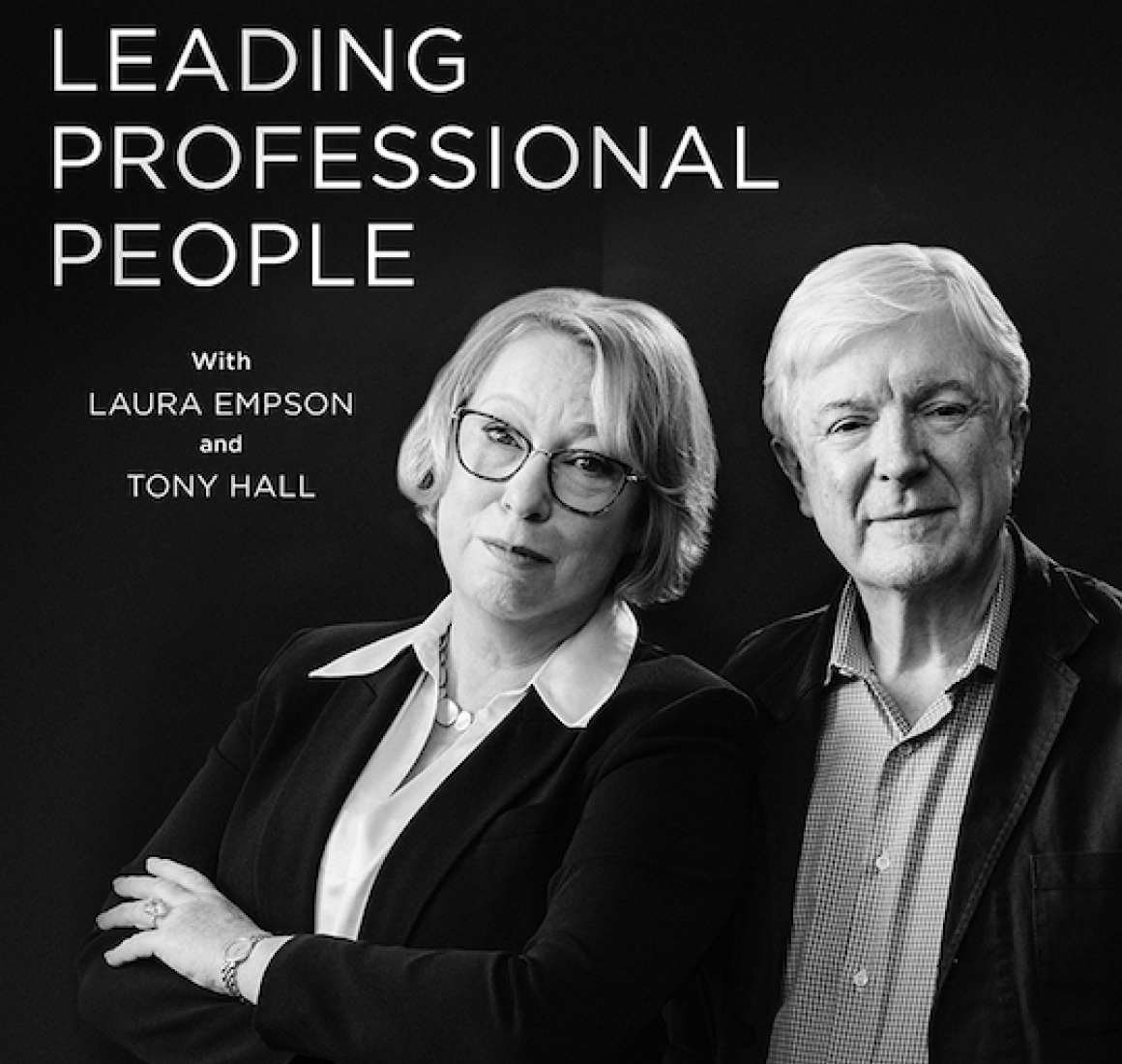
Podcast: Chris Saul - Subtle power
Your gateway to more knowledge
Did you find this content interesting? Sign up for our newsletter and gain access to more of our research findings and events.
With the world’s grand challenges awaiting us, we need to continuously evolve, gain new knowledge and insights, and upskill.
Dive into a world of knowledge by signing up below. You will get:
- Personal event invitations
- Pertinent research-based insights on business and society
- Information about the next intakes of our Executive Education programmes and courses
KEEP LEARNING

Executive MBA

Master of Public Governance

Leading Strategic Transformation