Centre for Sustainability
A leading multidisciplinary research centre at CBS exploring how organisations, markets, and societies can drive sustainable change

About (Panel content)
About Us
The Centre for Sustainability at Copenhagen Business School (CBS) is a multidisciplinary research hub devoted to studying sustainable practices and developments in organisations, markets, and society at large.
The Centre for Sustainability provides external stakeholders with easy access to relevant resources and activities at CBS, while also making it easier for CBS faculty to identify opportunities for collaboration with CBS colleagues and researchers from other universities.
Research groups
Research activities are organised in four main research groups that reflect different disciplinary strengths and thematic priorities:
- Sustainability Governance Group (SGG)
- Consumer & Behavioural Insights Group (CBIG)
- Communication & Organization Group (C&O)
- Sustainable Entrepreneurship & Innovation Group (SE&I)
The Centre for Sustainability is part of the Department of Management, Society and Communication (MSC) at CBS.
“At the Centre for Sustainability, we advance research and collaboration that enable the transition towards more sustainable organisations, markets, and societies.” Steen Vallentin
Director of the Centre for Sustainability

Our networks, history and purpose
Networks and collaborations
The Centre’s faculty is actively engaged in networks and collaborations with researchers from leading international universities in the field of sustainability, both within and outside Europe.
The Centre is a founding partner of the Academy of Business in Society (EABIS, Europe) and participates in international associations such as the Academy of Management and the European Group for Organizational Studies (EGOS).
The Centre has sponsored several sub-themes at EGOS and contributed lead coordinators to the Standing Working Group Business and Society.
Our history
In 2002, the Centre for Corporate Values and Responsibility (CVR) at CBS was founded based on faculty research interest in corporate values and an increasing focus on corporate social responsibility.
The Centre’s faculty grew to embrace CSR as its primary research interest, and in 2007 the Centre’s name was changed to the CBS Centre for Corporate Social Responsibility (cbsCSR).
In 2014, the VELUX Chair in Corporate Sustainability and the Governing Responsible Business (GRB) research environment were established, strengthening CBS’s position in the field.
In 2018, the cbsCSR centre was relaunched as the CBS Sustainability Centre, becoming the main hub for sustainability-related research, teaching, and outreach at CBS. In 2024, the CBS Sustainability Centre was renamed Centre for Sustainability, continuing this role at the heart of CBS.
Purpose and focus areas
The purpose of the Centre is to nurture knowledge for sustainability transitions through research, education, and engagement with policy and practice.
Indicative research areas are:
- Governance of sustainability and corporate “political” roles
- Private authority and public policy (e.g. in supply and value chains)
- Roles of consumers and citizens in sustainable consumption and production, health and well-being, and climate action
- Finance for sustainability and sustainable finance (e.g. for sustainable urban infrastructure)
- Sustainability business opportunities and sustainable business models
- Sustainable and social venturing
- Education for sustainable entrepreneurship
- Humanitarianism for sustainability
- Industry sectors (e.g. fashion, social enterprises, fair trade)
- Communication, organisation, and sustainability
- Circular economy


Stay informed
People (Panel content)
Staff at Centre for Sustainability
The Centre for Sustainability brings together a diverse community of scholars working on sustainability-related research, teaching, and outreach across Copenhagen Business School. The members include professors, associate professors, assistant professors, postdoctoral researchers, PhD fellows, and research assistants.
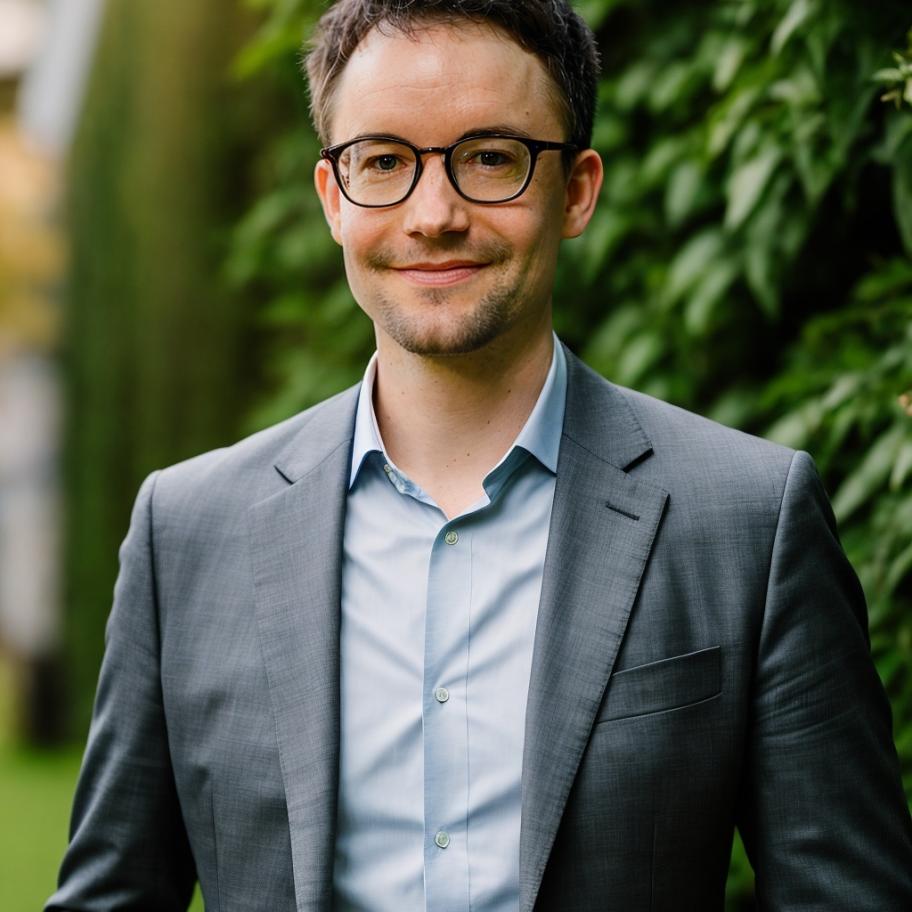
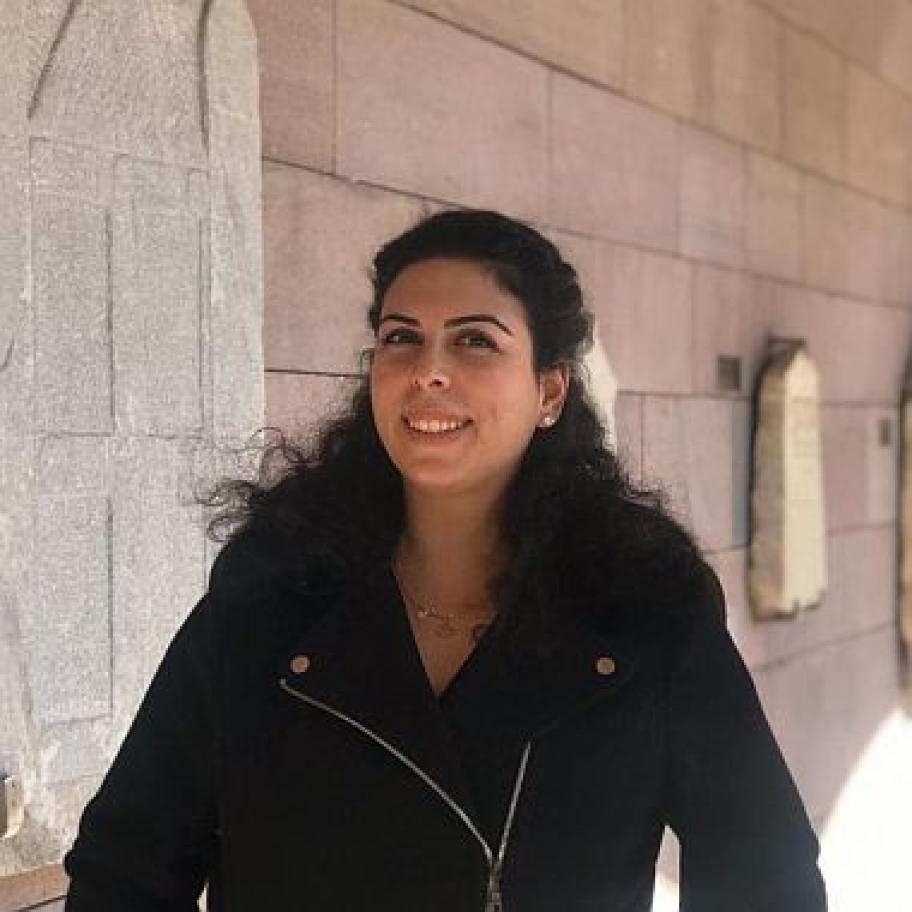
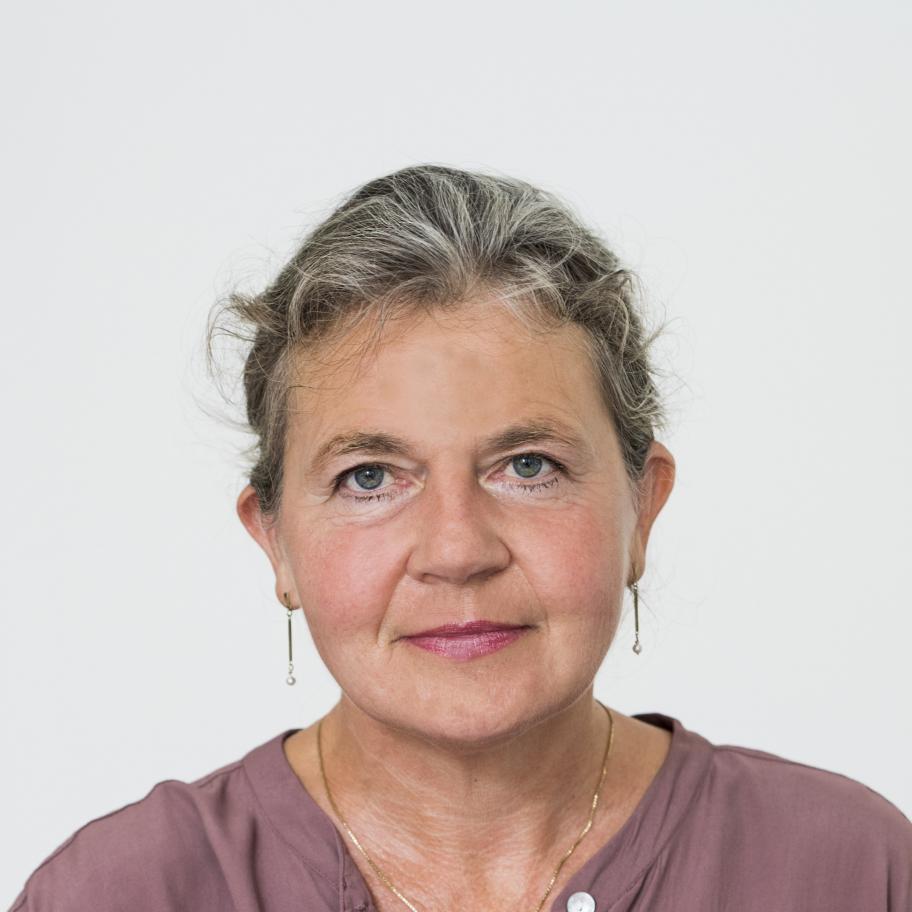
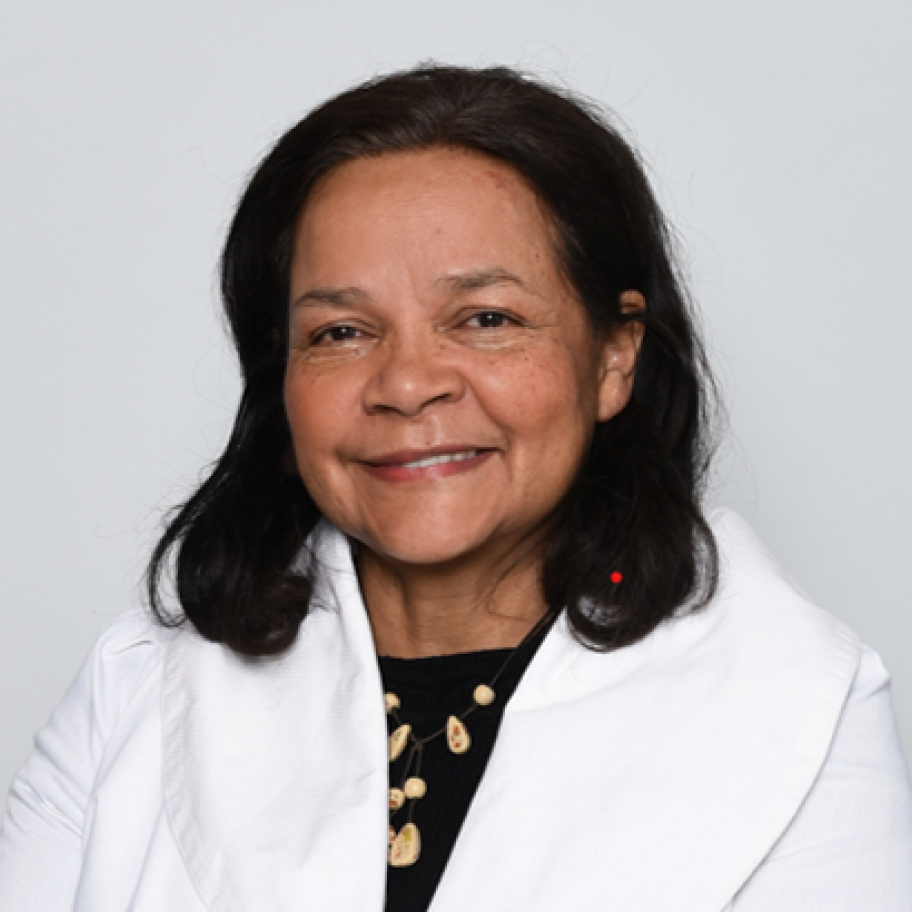
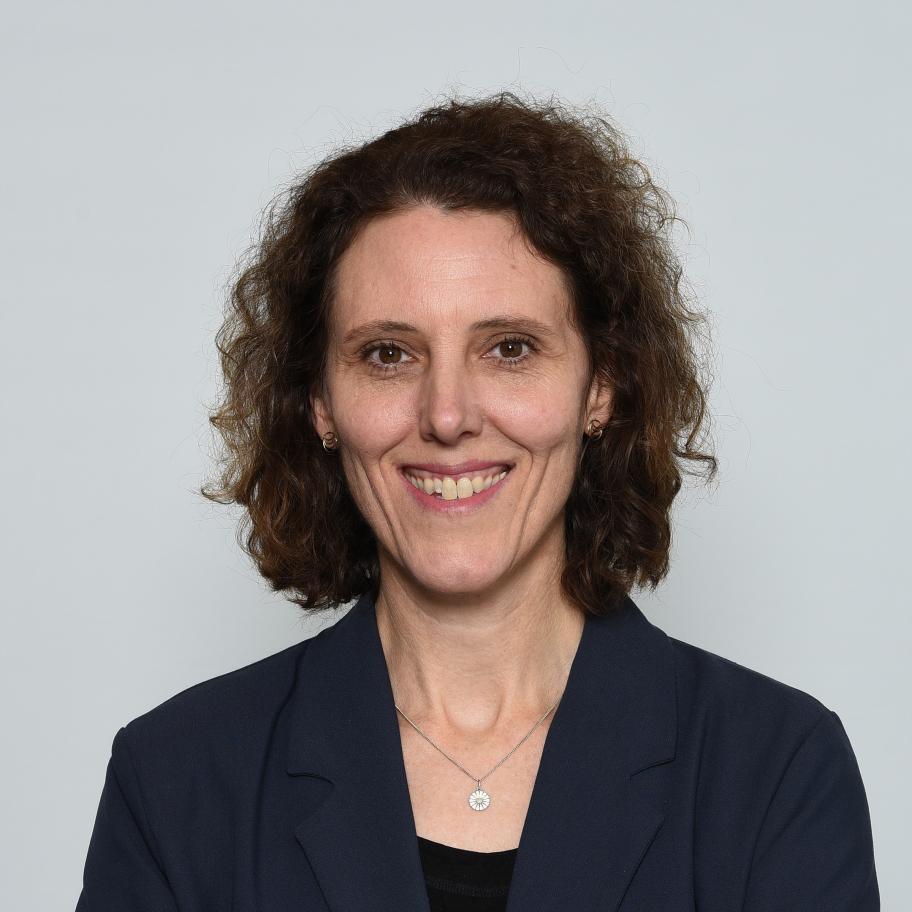
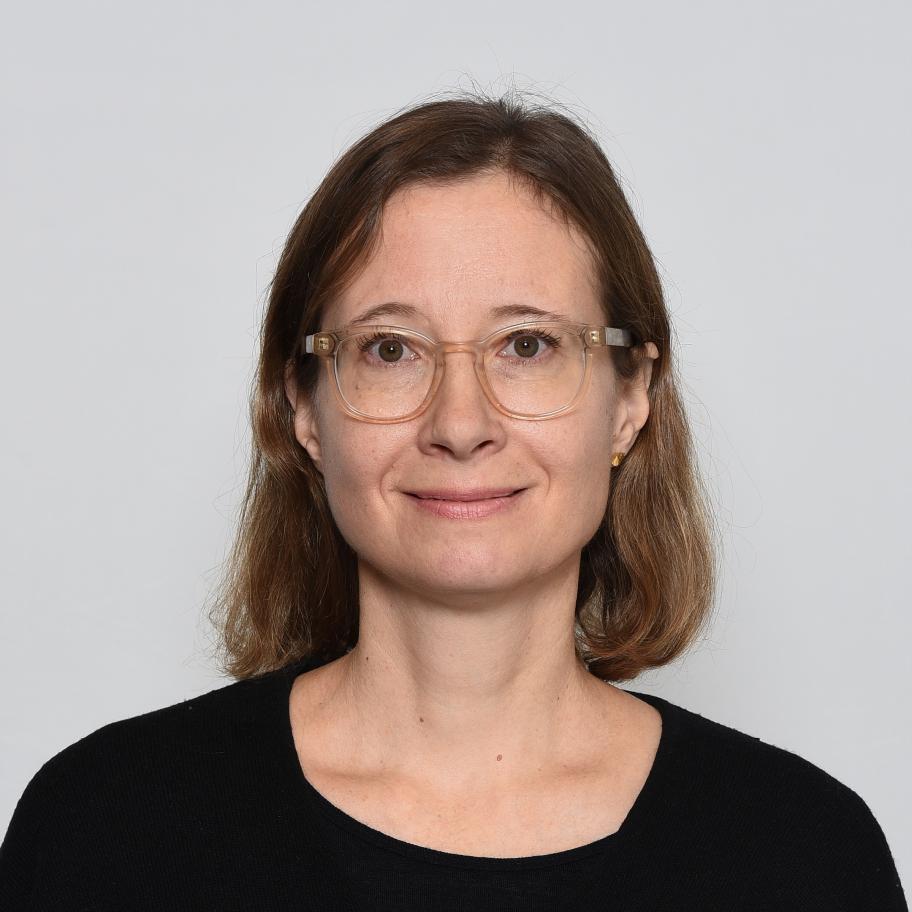
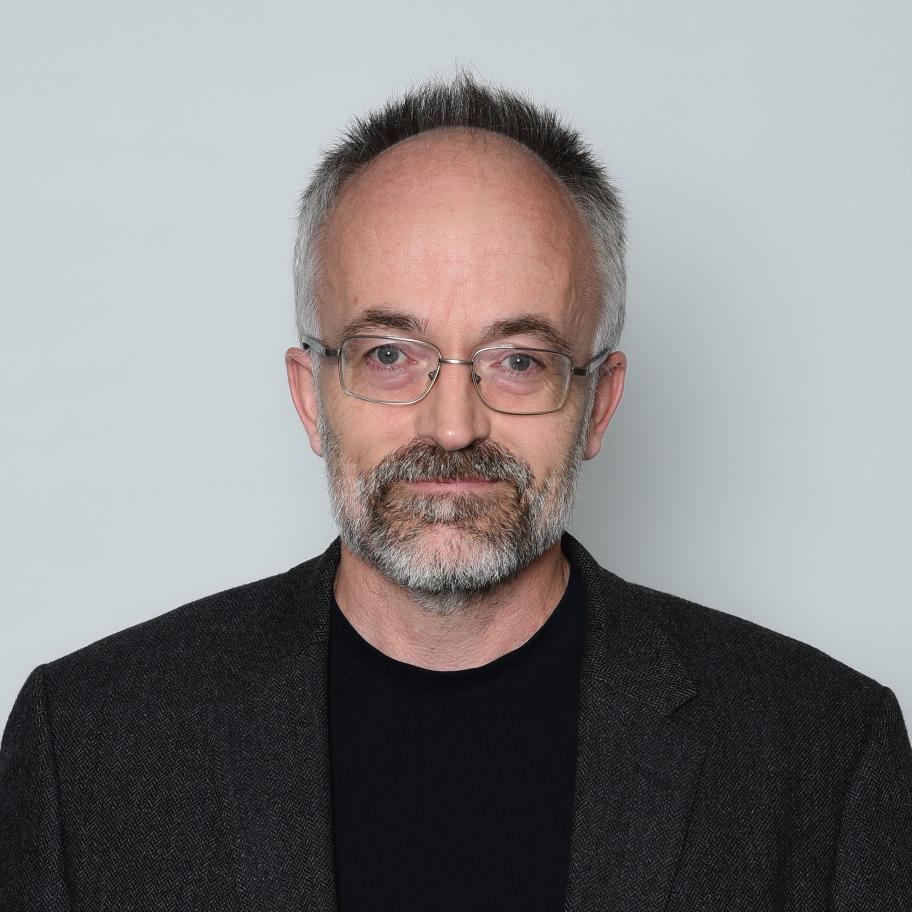
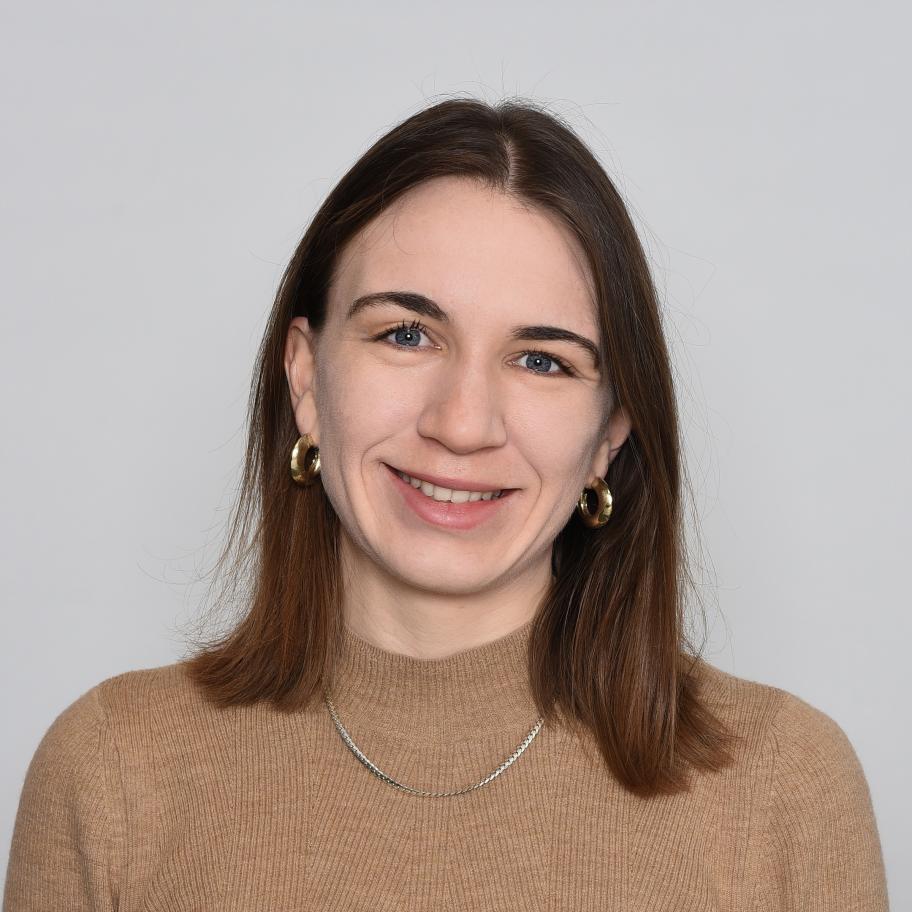
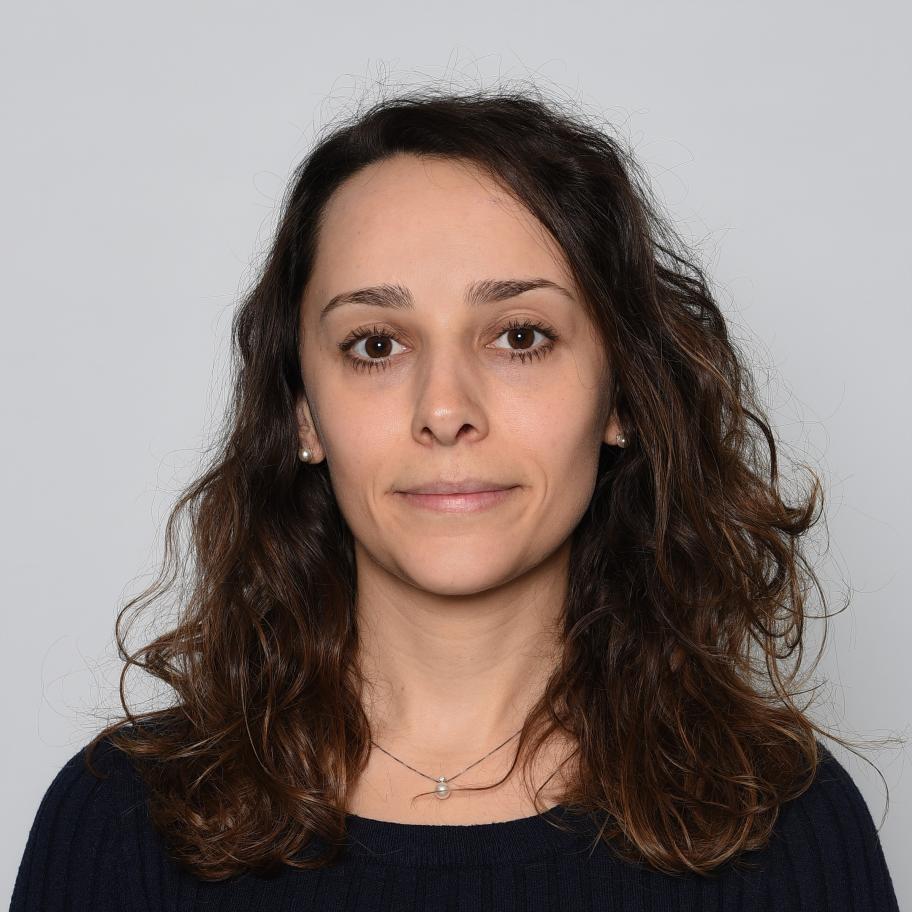
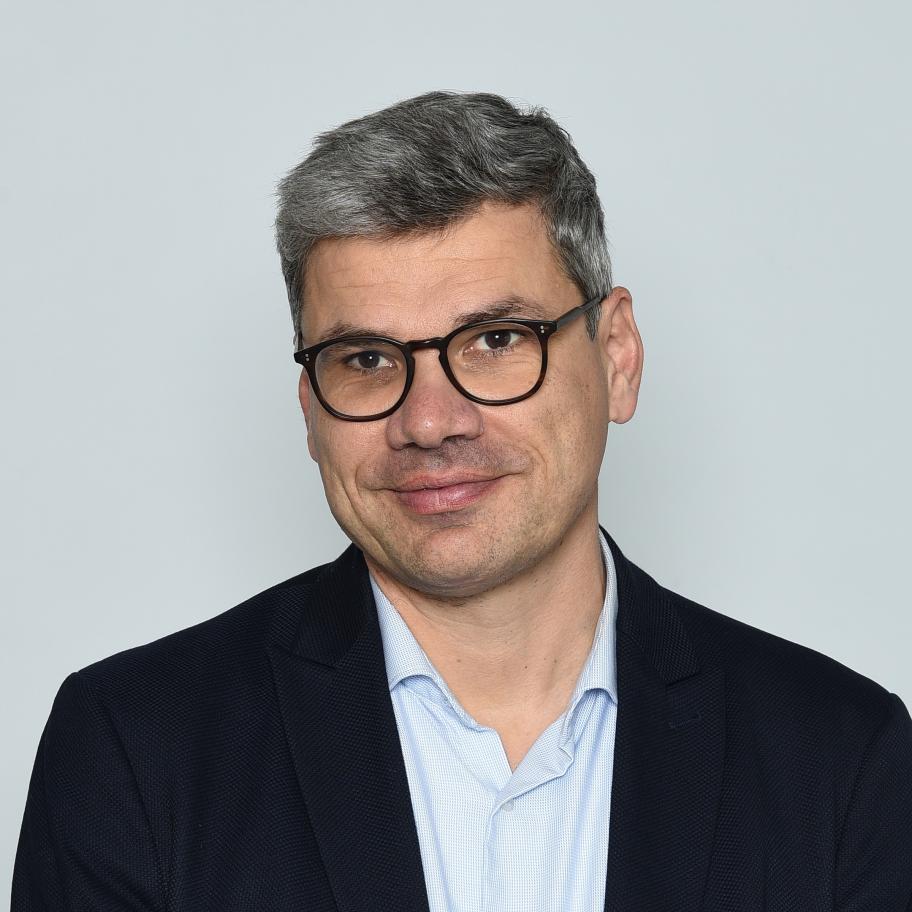
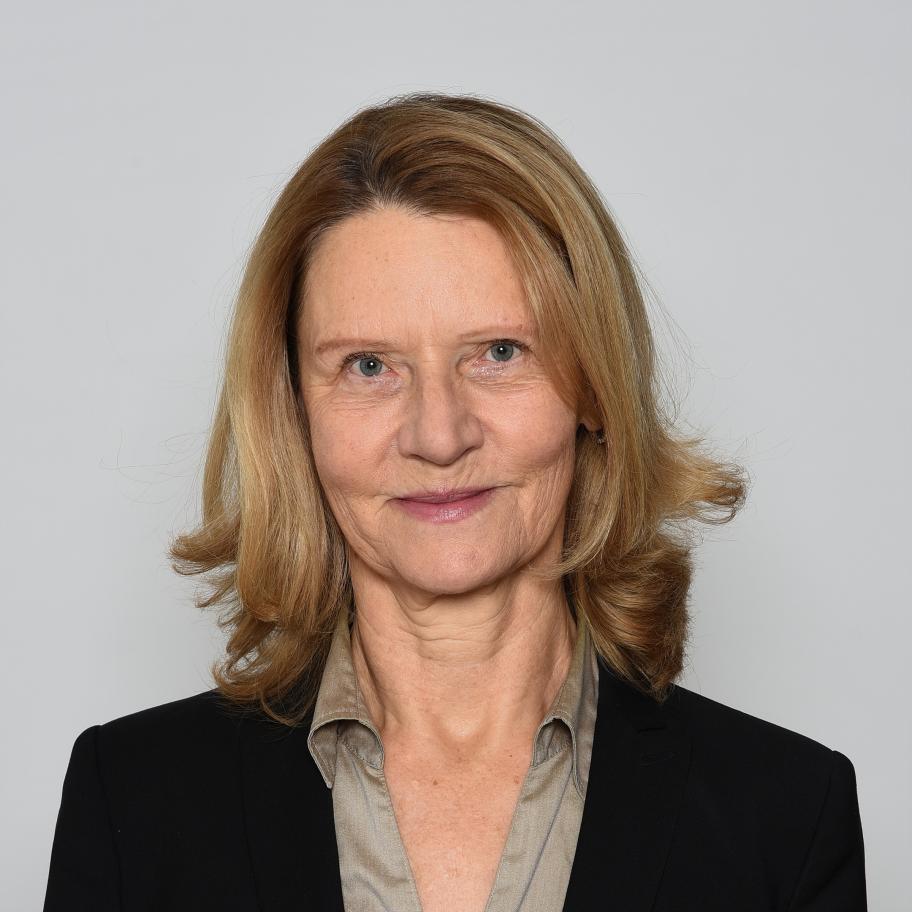
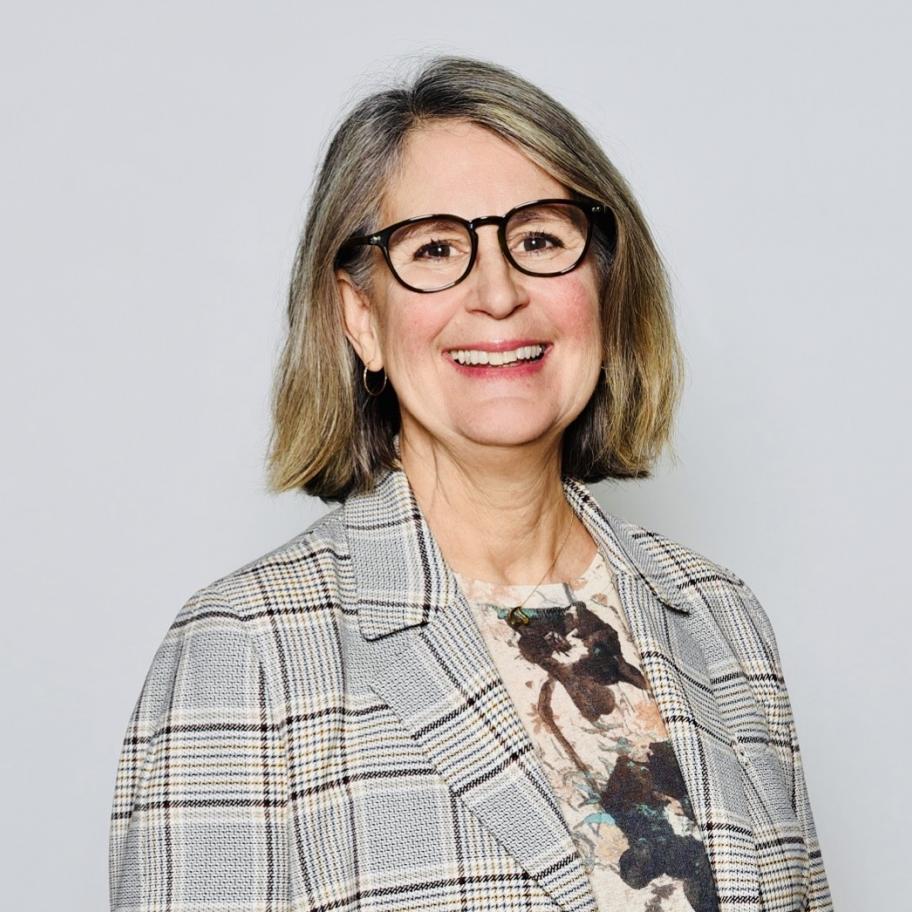
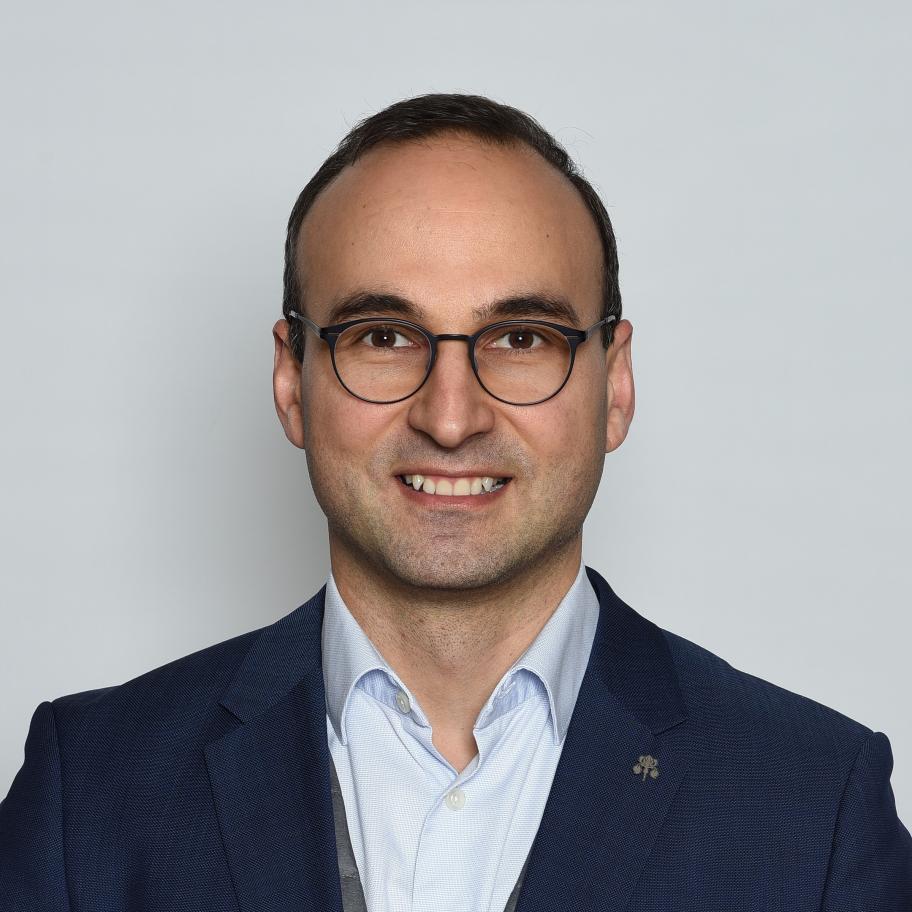
Centre Directors
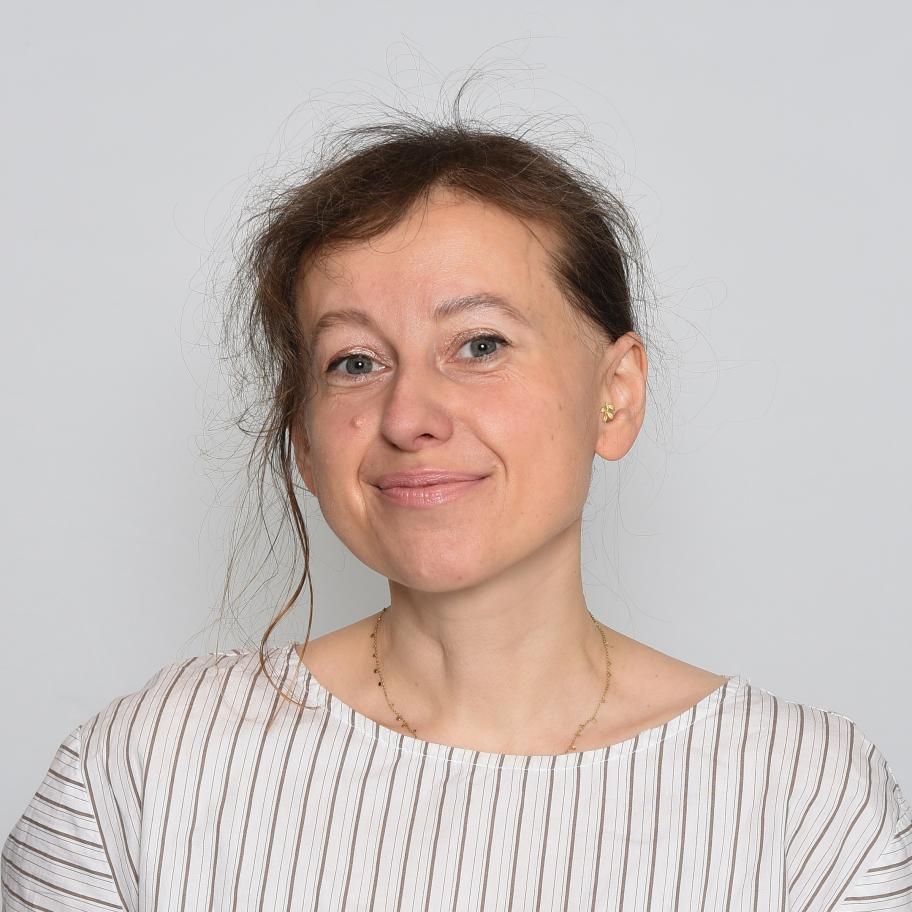
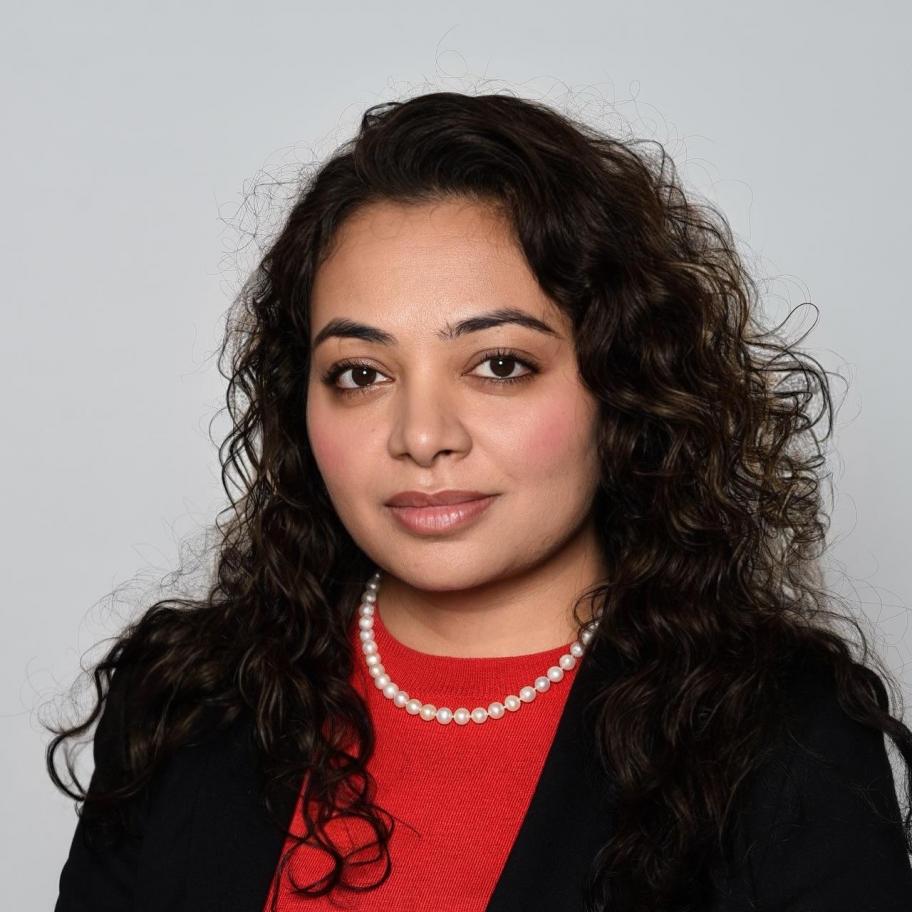
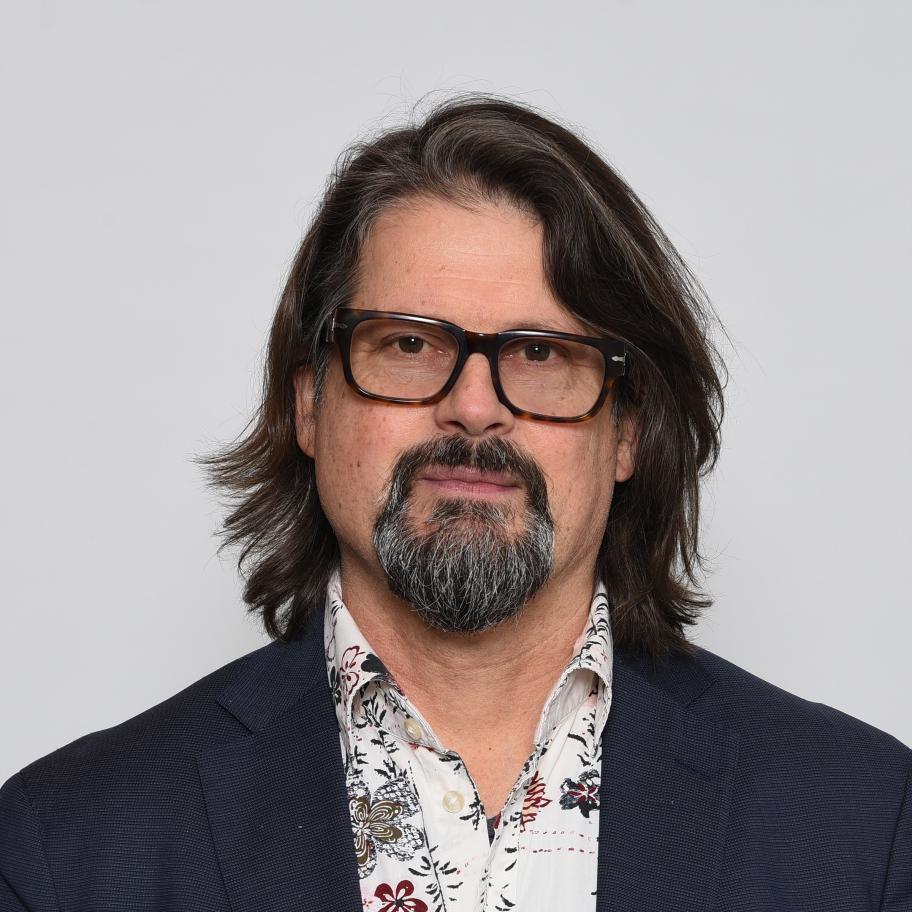
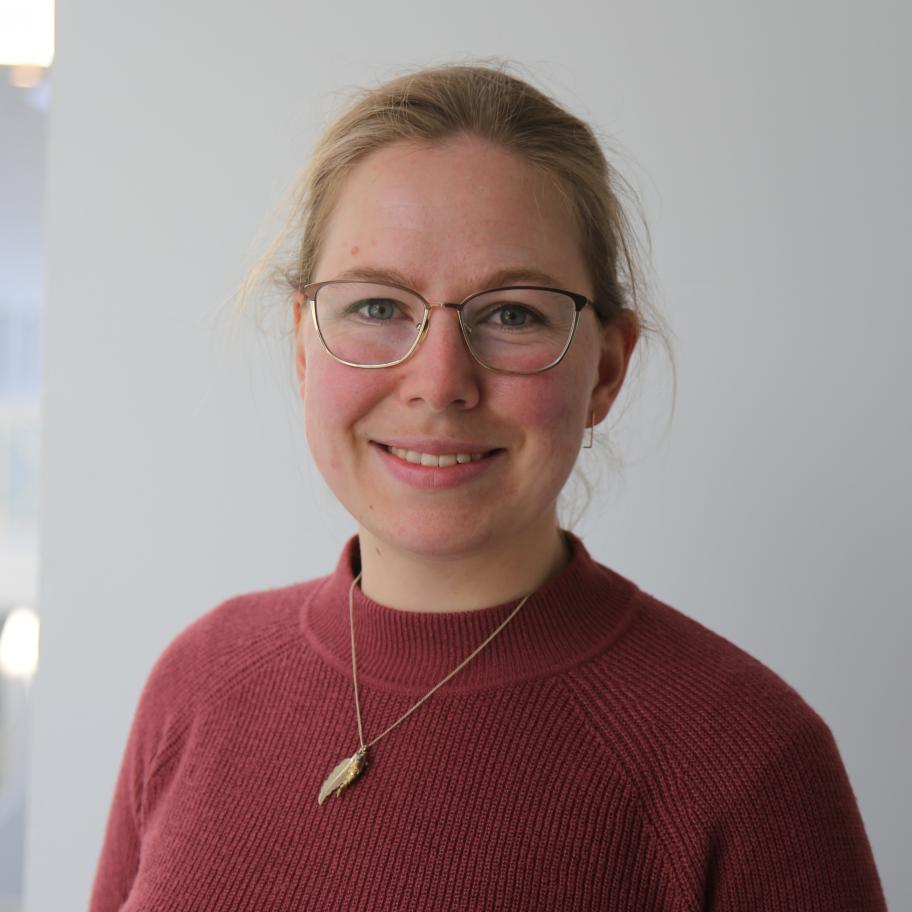
Meike Janssen
Steen Vallentin
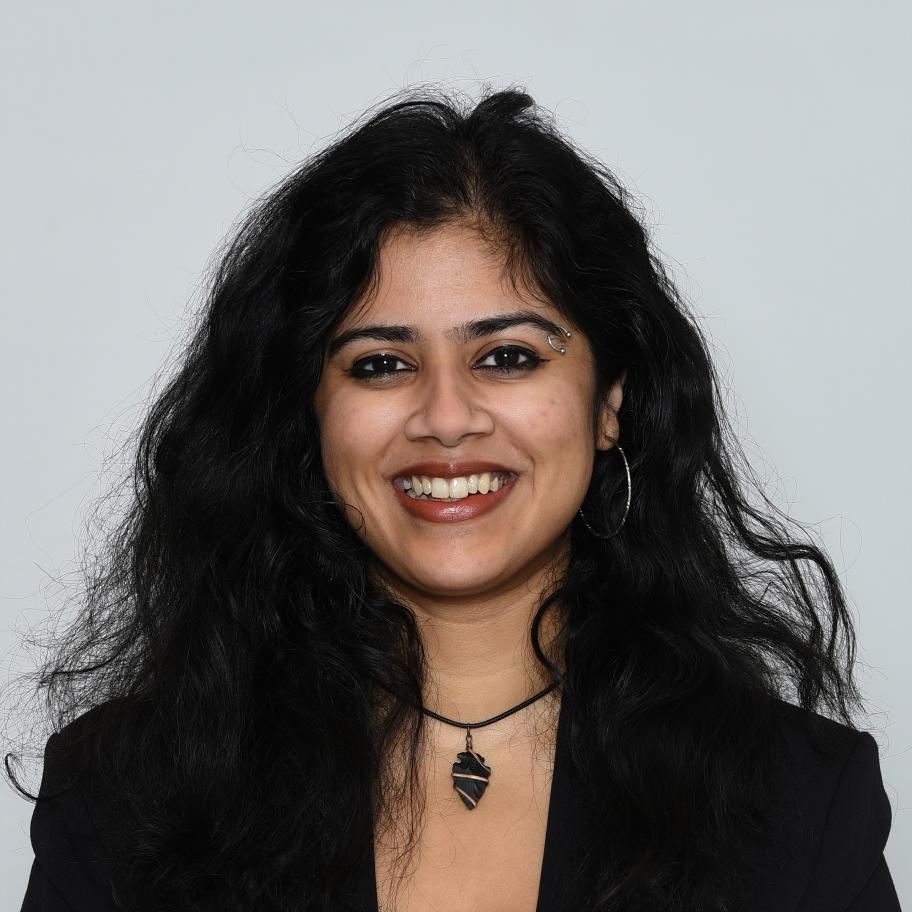
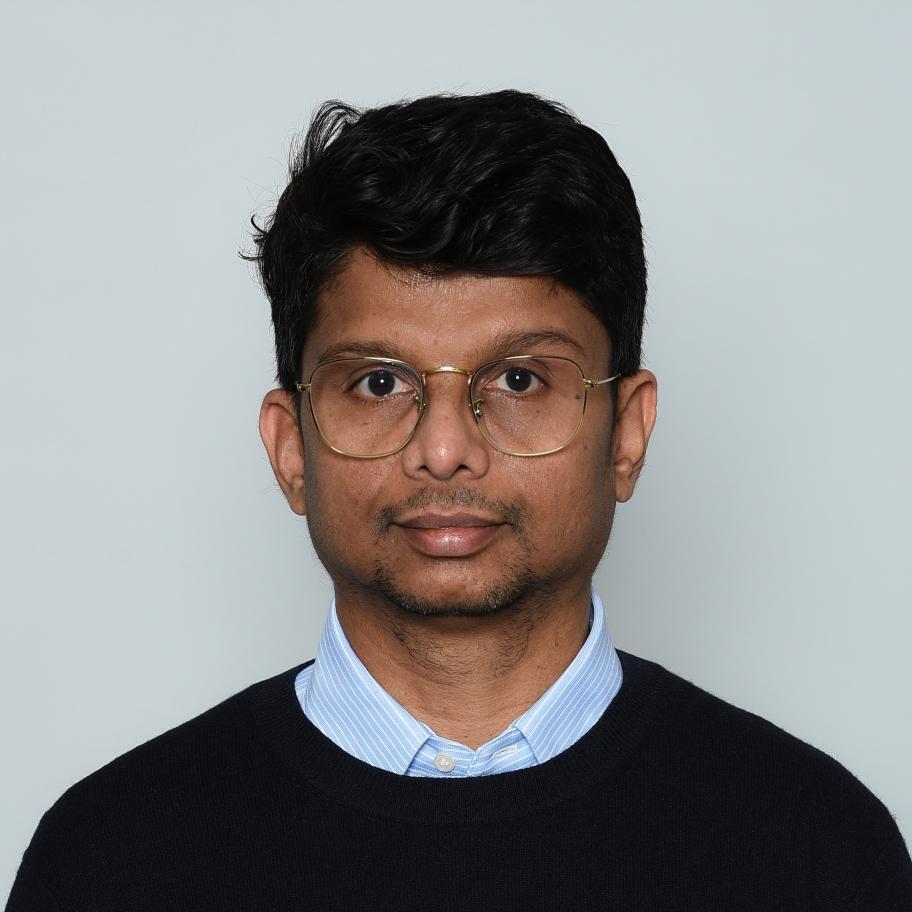
Centre Coordinator
Saira Ali Khan





















Other staff at Centre for Sustainability
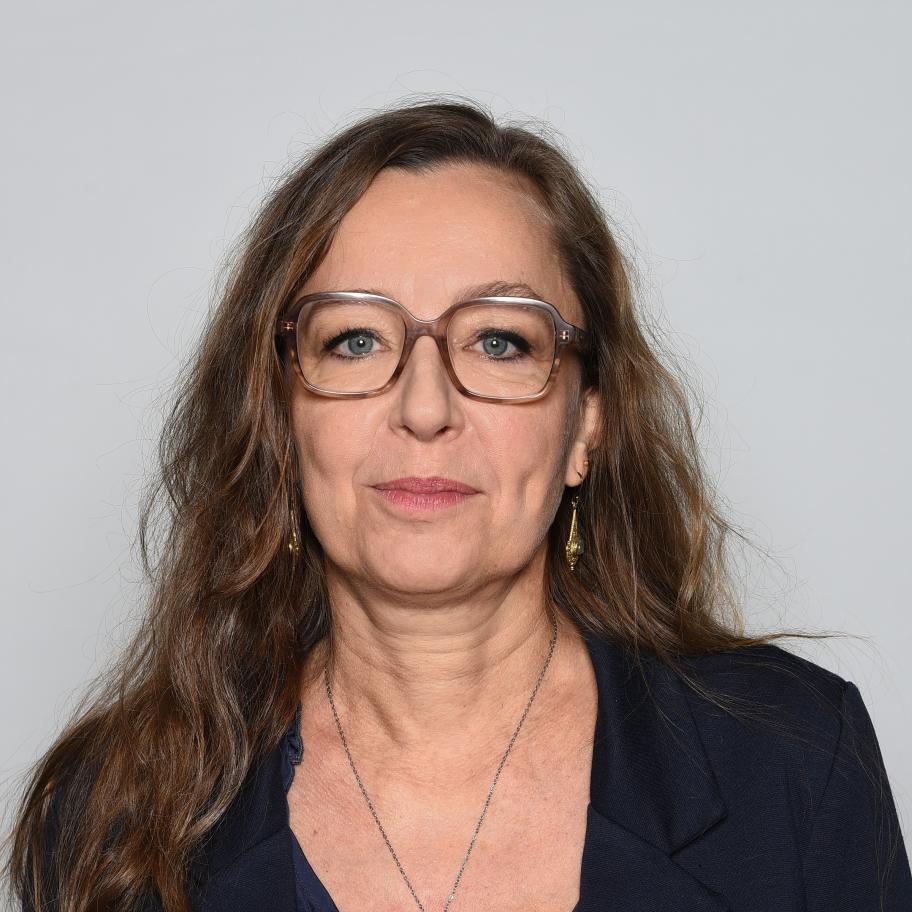
Wencke Gwozdz, Visiting Professor
Johanna Jarvela, Visiting Fellow
Laura Krumm, PhD fellow
Suhyon Oh, PhD fellow
Eric Pedersen, Adjunct professor
John Robinson, Adjunct Professor
Francesco Rosati, Visiting associate professor
Anna Schmid, Research assistant
Susanne Borcher Stormer, Leader in Residence
Cass Sunstein, Professor, Honorary Doctor
Stella Whittaker, PhD fellow
Dieter Zinnbauer, Visiting Fellow
Stay informed
Research (Panel content)
Research
The Centre for Sustainability conducts research across a broad field of sustainability with a multi-disciplinary approach. The centre brings together researchers from different academic backgrounds to explore how sustainability is governed, communicated, organised, and implemented in business and society.
Research groups and themes
Research is organised in five core groups that reflect the centre’s range of disciplinary strengths and thematic priorities:
- Sustainability Governance Group (SGG) — develops knowledge on sustainability governance and regulation in global contexts, including private authority, public policy, and corporate citizenship.
- Consumer & Behavioural Insights Group (CBIG) — studies sustainable consumption and behavioural change through research on consumer behaviour, behavioural economics, and public policy.
- Communication & Organization Group (C&O) — explores how communication shapes organisations and sustainability practices through CSR communication and organisational theory.
- Sustainable Entrepreneurship & Innovation Group (SE&I) — examines how entrepreneurship, innovation, and impact investing drive sustainability transitions and new business models. More about SE&I
- Sustainability Transitions Theme — connects the centre’s research across disciplines with a focus on sustainable transformations, circular economy, and cross-sector collaboration.

Ongoing projects (Panel content)
Arctic Sustainable Resources and Social Responsibility
The Thematic Network on Arctic Resources and Social Responsibility provides a platform for experts and practitioners from different disciplines to share knowledge and collaborate on sustainability in the Arctic.
The network’s work includes research and dialogue on natural resource extraction and resource management in a broad sense—covering both utilisation and non-exploitation of resources. Topics also include capacity building, migration, eco-tourism, and the role of indigenous knowledge as a valuable resource for sustainable Arctic futures.
More about Arctic Sustainable Resources and Social Responsibility
Contact: Karin Buhmann
AURORA
The Aurora network
Aurora is a network of research-intensive higher education institutions deeply committed to catalyzing positive societal impact by leveraging cutting-edge research and innovative education.
Since its inception, Aurora has been forging a path for transformational change in higher education.
Aurora aims to address key societal challenges and to further contribute to the U.N. Sustainable Development Goals (SDGs).
New learning opportunities
Aurora relies on intensive cooperation with eight European partners from Reykjavik to Naples.
Via collaboration of educators, staff members and exchange among students, education is enhanced with innovative teaching formats such as blended format electives, summer university courses, and hackathons at CBS or at our Aurora partners.
Aurora Research at CBS
At CBS, we work in collaboration with Aurora in the following areas:
- Innovation and Entrepreneurship: : Seizmic is an integrated set of activities that enhances students' understanding and confidence in engaging with social entrepreneurship and business model development. Seizmic aims to equip students with the skills and mindset to address key societal challenges through social entrepreneurship and innovation. Find out more on the Seizmic webpage
- Digital Society and Global Citizenship: Focusing in Digital European Social Educational Innovation Ecosystem. Find out more on: EURIDICE project
- Climate change and sustainability: CBS Permagarden now involves the other Aurora Universities. Find out more on more: permahaven.cbs.dk
- Ukraine Peace Education Hub: Professors focusing in peacebuilding have presented their research at the Peace Conference and Talks
More about Aurora
Contact the AURORA office: aurora@cbs.dk
BECOOP
Behavioural insights for a circular society: Using behavioural insights to create an urban food system that fosters sustainable food styles and promotes a circular society
The ambition of the EU-funded BECoop project is to provide the necessary conditions, technical as well as business support tools, for unlocking the underlying market potential of community bioenergy.
The project’s goal is to make community bioenergy projects more appealing to potential interested actors and to foster new links and partnerships within the international bioenergy community across Europe.
The project is funded by the EU Horizon 2020 Research and Innovation Programme and runs from November 2020 until October 2023.
Contact: Isabel Froes, Efthymios Altsitsiadis, and Luise Noring
Climate Change and Global Value Chains in Bangladesh
This research and capacity-building project uses cutting-edge social science methods to investigate how the garment and textile value chains connecting Europe and Bangladesh are being reconfigured in response to climate change.
The project addresses the following research question: How are the garment and textile value chains connecting Europe and Bangladesh being reconfigured in response to climate change, and what are the consequences for economic, social, and environmental upgrading in the garment and textile industries of Bangladesh?
The project creates new academic and policy-relevant knowledge by developing a conceptual framework that bridges global value chain and climate change analysis.
Contact: Peter Lund-Thomsen
Commodifying Compassion
Today’s marketplace is inundated with products supporting humanitarian causes that promise to give aid to beneficiaries, provide “good feelings” to consumers, and promote the brands of corporations and humanitarian NGOs.
The commodification of humanitarianism—turning people and causes into marketable things—is linked to the privatisation of help, with significant and still poorly understood consequences.
Commodifying Compassion explores these dynamics in three contexts where humanitarianism has traditionally been dominated by the state (Denmark), the church (Italy), and the market (United States).
The overall objective is to understand how “helping” has become a marketable commodity and how this impacts humanitarianism symbolically and materially.
covidWISE
#covidWISE is a project initiated by Copenhagen Business School (CBS) in the autumn of 2020 with support from the Danish Innovation Foundation.
The initiative develops and supports emerging social entrepreneurs with temporary business models aimed at addressing the economic, social, and health consequences of Covid-19.
The project empowers participants to counteract the consequences of the pandemic by exploring the social and economic problems resulting from the crisis and identifying creative solutions. Participants are expected to create business models that provide opportunities for people who have lost their jobs or livelihoods.
The project’s name, #covidWISE, stands for Covid Work Integration Social Enterprises (WISE).
More about covidWISE
Contact: Kai Hockerts
DIGIBASE
Imagining Digital Power and the Power of Digital Imagination in Business and Society Encounters
The DIGIBASE project examines the role of imagination about digital media in dialogue between multinational companies and social movement organisations.
In a time of climate crisis and growing attention to corporate responsibility and sustainability, understanding the potential of digital media to empower social movement organisations to hold companies accountable is crucial.
Digital media are often seen as democratising because they can enable online campaigns. Yet scandals such as Cambridge Analytica’s misuse of Facebook users ’data have created uncertainty about what kinds of data collection digital media enable, and how data are analysed and used.
For example, companies ’fear of criticism may lead them to collect data about their critics rather than engage in dialogue about more responsible business practices. At the same time,
social movement organisations ’fear of surveillance and retaliation may make them refrain from certain types of criticism.
The project explores how such dynamics shape the use of digital media in efforts to define corporate responsibility at a time of climate crisis.
Contact: Julie Uldam
TREEADS
A Holistic Fire Management Ecosystem for Prevention, Detection and Restoration of Environmental Disasters
TREEADS builds upon state-of-the-art high TRL products and unites them in a holistic Fire Management platform that optimises and reuses socio-technological resources across all three main phases of wildfire control: prevention and preparedness, detection, and post-fire risk management.
Contact: Efthymios Altsitsiadis and Isabel Froes
EUSOCIALCIT
The Future of European Social Citizenship
EUSOCIALCIT provides scientific analysis and develops alternative policy scenarios that support the European Union’s aim of strengthening EU social citizenship. The project examines long-term economic and social transformations as well as the aftermath of the 2008 crisis.
Research focus
The project investigates four key issues:
- The rationale for and the nature of EU social citizenship and the social rights associated with it
- The objective state of social rights in the EU, their capacity to mitigate economic shocks, and their relationship to social outcomes such as inequality, poverty, and precariousness
- The subjective views of EU citizens on the state of social rights and on the EU’s role in providing them
- Policy scenarios that can strengthen social rights and EU social citizenship
Expected outcomes
EUSOCIALCIT synthesises long-standing debates on the justification and feasibility of stronger EU social citizenship and develops a novel, resource-based, and multi-level concept of social rights.
The project identifies gaps in the provision of social rights and explores strategies to fill them, particularly through policy scenarios for the EU.
It creates scientific knowledge for national and European policy-makers to strengthen social rights and EU social citizenship and to foster equality and well-being across societies.
More about EUSOCIALCIT
Contact: Janine Leschke
HECAT
HECAT: Disruptive Technologies Supporting Labour Market Decision Making
HECAT is a consortium of European institutes dedicated to understanding big data and algorithm usage within Public Employment Services (PES).
The project aims to develop and pilot an ethical algorithm and platform for use by PES and unemployed people to assist with decision making and the distribution of meaningful resources.
More about HECAT
Contact: Janine Leschke
HUMAC
Private-sector engagement in Humanitarian Action
HUMAC examines business–humanitarian collaboration in different crisis contexts to understand how initiatives involving private-sector firms can be organised in an ethical, effective, and sustainable manner.
The project aims to generate research-based knowledge and theoretical insights into the organisational dynamics, complications, and solutions of business–humanitarian collaboration.
More about HUMAC
Contact: Verena Girschik
iBeauty
iBeauty: Intercultural Personas of Beauty & Values
The project examines consumers ’personal values, attitudes, and purchasing behaviours for beauty and wellness products in global markets and identifies consumer segments that cut across national cultures and a shared global consumer culture.
Research challenges
- Visualise and map consumers ’value-priority patterns across international markets by referencing existing open databases
- Design a questionnaire to analyse relations between value priorities, motivations, and purchasing behaviours, and identify decision-making processes for beauty and personal care purchases
- Develop a data-analytic framework to predict diverse consumers ’purchasing behaviours in beauty and wellness
This international industry–academia collaboration is fully funded by KOSE Corporation. The project runs a series of intercultural consumer surveys integrating data science, cross-cultural psychology, and consumer psychology to map and profile consumer types across markets. The aim is to develop “Intercultural Personas of Beauty & Values.”
Contact: Fumiko Kano Glückstad
iPRODUCE
iPRODUCE aims to deliver a social manufacturing platform that enables multi-stakeholder interaction and collaboration to support user-driven open innovation and co-creation.
The platform is deployed in local ecosystems—composed of SME associations, manufacturing and specialist SMEs, fablabs, makerspaces, and others—under the concept of collaborative manufacturing demonstration facilities (cMDFs).
More about iPRODUCE
Contact: Isabel Froes
MOC
Making Oceans Count in the Nordic financial system (MOC)
The project aims to drive Nordic financial institutions toward greater awareness of how investment and credit decisions contribute to major ocean risks. The financial sector can support healthy oceans through capital allocation, but a key challenge is translating nature-related data into decision-ready inputs for investments.
Objectives
- Connect and translate ocean and nature-related data into applicable metrics for investment activities
- Link data providers and financial institutions to assess key ocean pressures and the human activities driving them
- Facilitate inclusion of oceans in carbon accounting and disclosure
Theory of change and activities
Through compliance assessments and engagement with ESG data vendors (interviews, roundtables, events), the project investigates solutions to integrate ocean risk metrics and provide deployable data for monitoring ocean impacts of financial decisions.
Project team and funding
Led by the Green Digital Finance Alliance (GDFA) with partners WWF and CBS, represented by MSC Associate Professor Dr. Kristjan Jespersen. The project is funded by the Velux Foundation for two years (Jan 2021–Dec 2022).
Contact: Kristjan Jespersen
New Partnerships for Sustainability — NEPSUS Project
NEPSUS assembles a multidisciplinary team to analyse partnerships with different kinds and degrees of complexity through structured comparisons in three natural resource sectors in Tanzania: wildlife, coastal resources, and forestry.
Tanzania provides an ideal case because policy and programme implementation in these sectors is heavily dependent on the success of new partnerships.
More about NEPSUS
Contact: Stefano Ponte
Organizing Multi-stakeholder Initiatives (MSIs) in Asia
This project focuses on regional organisation, multi-stakeholder initiatives (MSIs), and anti-corruption in Southeast Asia. It explores how regional contexts influence the organisation and interactions in MSIs.
Findings contribute to discussions on cross-sector partnership, governance for CSR, and anti-corruption. Results are disseminated through teaching, seminars, and research papers.
Contact: Luisa Murphy
PACSMAC
The Paradoxes of Climate-Smart Coffee
Focused on Ethiopia and Tanzania, PACSMAC investigates how climate change—and how actors across the value chain adapt to or mitigate it—affects coffee farmers ’livelihoods and land-use decisions.
PACSMAC connects smallholders ’opportunities to innovate and improve livelihoods with firms ’and governments ’efforts to build and profit from global value chains. The project is funded by the Ministry of Foreign Affairs of Denmark through the Consultative Research Committee for Development Research (FFU) and the Danida Fellowship Centre and runs for five years.
More about PACSMAC
Contact: Kristjan Jespersen
PlantPro
PlantPro – Accelerating an efficient green consumer transition
PlantPro, funded by Innovationsfonden Denmark, aims to foster the transition towards more plant-rich diets and the reduction of food waste among consumers in Denmark.
The project is a collaboration between CBS, Aarhus University, Copenhagen University, and more than ten actors from the Danish food sector.
More about PlantPro
Contact: Meike Janssen
ReNEW
Reimagining Norden in an Evolving World: An Excellence Hub in Research, Education and Public Outreach (ReNEW)
ReNEW strengthens awareness, focus, and knowledge across partner universities and enhances research on the Nordic region as a vital cultural, institutional, and economic category in a global, national, and European context.
The initiative institutionalises cross-disciplinary, international, and comparative research on the Nordic region while anchoring it within established disciplines at partner universities.
More about ReNEW
Contact: Janine Leschke
Smart Building Business Models
This project examines how sustainability standards and certifications shape the governance of global supply chains, using new methodological and theoretical approaches to understand the relationship between the production, trade, and marketing of certified Kenyan tea.
More about Smart Building Business Models
Contact: Lara Anne Hale
SUSTEIN.org
The project seeks to facilitate business model innovation, shifting focus from physical products to human-centred building services. It connects the building industry’s concerns around sustainability, digitisation, and human-oriented design in the Internet of Things (IoT).
SUSTEIN.org addresses the need for business model innovation through collaboration between service providers and the people living and working in smart buildings.
More about SUSTEIN.org
Contact: Martin Skrydstrup
The Regulation of International Supply Chains (RISC)
The RISC project studies governance of occupational health and safety in the Bangladesh ready-made garment industry. It is led by CBS in partnership with BRAC University (Bangladesh), Tufts University (USA), and the Danish Ethical Trading Initiative (DIEH).
A core approach is capacity building, based on the premise that sustainable, systematic change is best achieved when locally driven and managed. Findings are used to generate academic knowledge and practical recommendations for the industry.
Report on The Early Impacts of Coronavirus on Bangladesh Apparel Supply Chains:
The RISC team has documented the effects of coronavirus on the Bangladesh apparel industry and its 4+ million workers. The report aggregates key information from local and international sources and reflects on broader issues and challenges.
RISC is funded by the Ministry of Foreign Affairs of Denmark and administered by the Danida Fellowship Centre.
Organisational Communication, Tourist Behaviour and Community Well-being in the Ports of Greenland
The project explores how cruise tourism affects local communities in Greenland, where large cruise ships have significant social and environmental impacts.
It maps and analyses communication between cruise organisations, passengers, and local communities to develop strategies for more sustainable tourism behaviour that benefits both visitors and residents.
The research links CSR communication, behavioural economics, and sustainable tourism to advance understanding of tourism’s social effects.
Contact: Elizabeth Cooper
VCOMP
Generating Voluntary Compliance Across Doctrines and Nations
This project investigates how governments can strengthen public voluntary compliance with regulations without undermining trust or other social values, by systematically comparing behaviourally based regulatory tools across countries and policy domains. It develops a new conceptual and methodological framework to assess how tools such as nudges, incentives, sanctions, and moral appeals affect not only compliance levels, but also trust, social norms, and the durability of compliance in areas such as taxation, the environment, and public health.
Website link: https://research.cbs.dk/en/projects/generating-voluntary-compliance-across-doctrines-and-nations-inte/
Contact Lucia Reisch for more details: lre.msc@cbs.dk
Walking the Line — The Role of Power in the Becoming of Organisational Paradox
This project examines how organisational paradoxes emerge in local textile and fashion manufacturing. It explores how collaboration and local solutions can support a more sustainable textile and fashion industry.
Findings have informed the MAKES seminar series and collaborations between design and production in Denmark, Norway, and Sweden. The results also contribute to a MOOC and teaching materials on sustainable business models.
More about Walking the Line
Contact: Esben Rahbek Gjerdrum Pedersen
WENDY
Multicriteria analysis of the technical, environmental and social factors triggering the PIMBY principle for wind technologies
The Horizon Europe project WENDY (2022–2025) identifies technical, environmental, and social factors that increase public acceptance of wind energy.
The consortium includes partners from six EU member states—Belgium, Denmark, Greece, Italy, Norway, and Spain—represented by nine organisations, including Copenhagen Business School, Enel Green Power, and the Circe Foundation.
WENDY fosters public participation, stakeholder engagement, and societal ownership of wind energy. The project combines multi-spatial planning and impact assessment tools to align social, environmental, and economic goals.
CBS project team
Efthymios Altsitsiadis (PI) and Roopali Bhatnagar (Postdoc)
Completed projects (Panel content)
BEACON
Behavioural insights for a circular society: Using behavioural insights to create an urban food system that fosters sustainable food styles and promotes a circular society
The BEACON project investigates how to use behavioural insights (“nudges”) to shift consumption choices towards more sustainable and resilient options.
The project focuses on the food system, one of the key impact areas for climate change and environmental harm, and uses Copenhagen as a practice example for urban food systems.
The research aims to encourage two major behavioural changes: reducing meat consumption to lower environmental and social footprints, and reducing food waste, which is an explicit target within SDG 12. The project is funded by the Novo Nordisk Foundation and runs for four years, starting in September 2021.
The project team consists of Lucia Reisch (PI), Efthymios Altsitsiadis (co-PI and WP leader), Jan Bauer (WP leader of field experimentation), and three scientific experts Meike Janssen, Maria Figueroa, and Kristian Roed Nielsen, who work in synergy with the Consumer and Behavioural Insights Group (CBIG), founded by BEACON’s PI.
More about BEACON
Follow the project on LinkedIn
Contact: beaconproject@cbs.dk
Crowdfunding and Sustainable Entrepreneurship
Sustainable entrepreneurs and small start-ups faced multiple challenges in pursuing sustainability-oriented ventures. Many operated within locked-in systems shaped by existing user practices, industrial routines, regulation, infrastructure, and symbolic meanings.
These lock-ins limited funding opportunities for “niche innovators,” especially in the early seed stage, where sustainability ventures were often perceived as less attractive than traditional start-ups.
The emergence of crowdfunding signalled a potential shift in financing opportunities. It moved the focus from professional investors to ordinary citizens (crowdfunders) who might value legitimacy and purpose as much as profit.
In the project, we explored the motivations behind both successful and unsuccessful crowdfunding campaigns. Using a mix of research methods, the study examined the potential role of “the crowd” in driving, financing, and enabling sustainable entrepreneurship and innovation.
Contact: Kristian Roed Nielsen
Do people like nudges?
The project examined whether people approved or disapproved of different types of nudges through representative online surveys.
- 2015–2016: Comparative survey across six European countries
- 2016–2017: Worldwide online survey
- 2017–2018: Expanded survey including more countries and sociographic variables
Contact: Lucia Reisch
Global Values
The Global Values project developed a framework to assess how multinational corporations affect sustainable development, human rights, transparency, and anti-corruption.
The project analysed governance systems for responsible business, explored responsible competitiveness, and assessed complementarities between public and private sector activities to derive recommendations for decision-makers in business, policy, and NGOs.
Contact: Lucia Reisch
Governing Responsible Business 2014–2019
The MSC World Class Research Environment (WCRE) ‘Governing Responsible Business’ aimed at creating a thriving context for research located at the intersection of socio-economic governance and responsible business.
The WCRE built upon the Department of Management, Society and Communication's strong research performance in this area and has strengthened this performance to reach international standards of excellence. The research environment was funded through CBS’ WCRE initiative from 2014 to 2019.
For more information, contact Sustainability@cbs.dk
Growing Support for Sustainable Palm Oil
The project explored whether behavioural economics and “nudge” approaches could support future and existing RSPO members and processes. The team proposed recommendations and research strategies for outreach and messaging.
More about Growing Support for Sustainable Palm Oil
Contact: Kristjan Jespersen
I.Family
Determinants of eating behaviour in European children, adolescents and their parents
The project identified why young people in Europe eat the way they do and how this influences lifelong health. It followed up on the IDEFICS cohort and reassessed families as children moved into adolescence.
The study focused on family environments and socio-behavioural and genetic factors to understand drivers of children’s dietary behaviour. The I.Family Study was coordinated by BIPS (UNIHB), and LR led the work package on Consumer Behaviour.
More about I.Family
Contact: Lucia Reisch
iPRODUCE
A Social Manufacturing Framework for Streamlined Multi-stakeholder Open Innovation Missions in Consumer Goods Sectors
The project introduced a social manufacturing framework for the consumer goods sector, involving companies, associations and networks, fablabs and makerspaces, DIY communities, and other local innovation actors.
It adapted FabLab and maker methods within well-connected local multi-stakeholder ecosystems, transformed into collaborative manufacturing ecosystems through Collaborative Manufacturing Demonstration Facilities (cMDFs).
Contact: Isabel Froes
Liveability in the Built Environment
The CBS & Rambøll partnership developed strategic knowledge, tools, and skills to close the performance gap between building design and lived experience, promoting human well-being and sustainability in the built environment.
More about Liveability in the Built Environment
Contact: Kristjan Jespersen
MISTRA Future Fashion
The Future of Sustainable Fashion
The project promoted systematic change in the Swedish fashion industry toward sustainable development.
It involved eight subprojects, including: strategies for systemic change; design tools for sustainability; faster market introduction of sustainable textile fibres; solutions to environmental challenges in processing and use; textile recycling into high-value products; a communication strategy toolbox; and a framework of policy instruments.
Nudge-it
The Neurobiology of Decision-Making in Eating — Innovative Tools
The Nudge-it consortium built evidence linking neurobiological data on eating behaviour with behavioural and economic drivers of individual food choices, with a particular focus on low-SES families.
The project developed tools and experimental approaches integrating behavioural and observational studies with neurobiological research to inform stakeholders and policy in consumer and nutrition research.
More about Nudge-it
Contact: Lucia Reisch
Trash-2-Cash
Trash-2-Cash was an EU-funded research project that aimed to create new regenerated fibres from pre- and post-consumer waste, while pioneering a new approach to materials development.
Contact: Wencke Gwozdz
UMAMI
The project investigated how Chinese tourism to Denmark could be increased by understanding travel motivations, goals, and perceptions of Denmark among tourists from emerging markets (TETC).
It developed a formalised framework to analyse motivations and competitiveness in Danish tourism and created a segment-based data platform using machine learning for intercultural market analysis.
The project proposed a segment-specific communication strategy and explored potential spill-over effects on Danish exports in tourists ’home countries.
Contact: Fumiko Kano Glückstad
VELUX Endowed Chair 2014–2019
The VELUX Endowed Chair in Corporate Sustainability was established at CBS in 2014 through a 15 million DKK grant from the VILLUM Foundation to strengthen research, education, and outreach in corporate sustainability. The grant enabled CBS to recruit Professor Jeremy Moon, a globally recognised scholar in CSR, corporate citizenship, and business–politics relations, as the first 'VELUX Professor of Corporate Sustainability'.
The endowment also supported a small research team and contributed to the development of the Governing Responsible Business research environment and the Business of Society blog.
Although the endowment concluded in 2019, its activities and legacy continue within CBS Sustainability, where Professor Moon now serves as co-director.
For more information, contact Jeremy Moon (jm.msc@cbs.dk) or Andreas Rasche (ar.msc@cbs.dk)
JPI Policy Evaluation Network (PEN)
PEN evaluates policy measures that promote a healthy diet and physical activity in terms of their content, implementation, and effectiveness.
The project started in February 2019 as part of the Joint Programming Initiative on a Healthy Diet for a Healthy Life (JPI HDHL) and runs until the end of January 2022.
Research focus
- Content of policy measures
- Implementation processes
- Effectiveness and outcomes
Contact: Lucia Reisch
News & Events (Panel content)
News and Events


Events at the Centre for Sustainability
The Centre for Sustainability and its five research groups host events throughout the year—seminars, workshops, guest lectures, and conferences. Events cover themes across governance, consumer and behavioural insights, communication and organisation, sustainable entrepreneurship and innovation, and sustainability transition
Registration details and practical information are provided on the individual event pages. To stay updated on upcoming events, subscribe to the Centre’s newsletter.
Business of Society Blog
Link to the blogThe blog presents insights from leading sustainability research at the intersection of business and society. It seeks to inspire readers to reflect and engage in discussions on topics such as corporate social responsibility (CSR), corporate sustainability, sustainable consumption, and the role of government in shaping business practices.
Through accessible, research-based commentary from CBS scholars and guest contributors, the blog connects academic knowledge with real-world challenges and encourages critical, informed debate on how businesses can contribute to a more sustainable society.