New vice dean to bring green research into society
CBS is home to strong research environments within sustainability, but they need to work more closely with companies and society, says the university's new Vice Dean for Green Transition, Professor Andreas Rasche

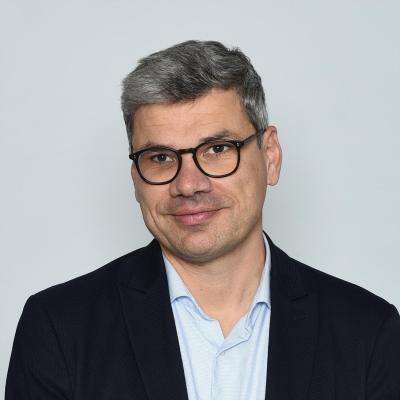
The green transition requires more than new technology. It also requires knowledge of leadership, organisations, business models and the incentives that encourage people, companies and society to change their behaviour.
“That is why our research needs to make an even greater contribution to society. We are committed to building a close dialogue with the business community. Companies need to see the knowledge we can offer, and we need to understand the challenges they are facing,” says Andreas Rasche.
As the new Vice Dean for Green Transition at CBS, one of his key responsibilities will be to bring together and highlight the results of the work carried out by the approximately 120 researchers across the university who focus on sustainability. At the same time, he will build closer collaboration with companies, organisations and public authorities seeking knowledge about how to turn the green transition into concrete action.
“Just look at this summer. It showed how drought across several European countries affected supply chains, the energy sector and productivity, among other things.” Andreas Rasche
Vice Dean for Green Transition
“CBS already has a great deal of solid research across a wide range of green topics,” says Andreas Rasche, pointing to areas such as sustainable leadership, corporate climate action, green innovation, the circular economy, financing the green transition, consumer behaviour and regulation. He also highlights geopolitics and AI, which, according to Andreas Rasche, play an important role in the green transition.
Dialogue with foundations
Foundations that support green research play an important role in society's sustainable transition. Andreas Rasche therefore hopes they will place greater emphasis on the business-oriented dimension of green research in the future.
“Competition for research funding is intense, and today support is mainly directed towards developing new technologies. Technology is important, but it cannot stand alone,” Andreas Rasche emphasises before adding:
“Research into a sustainable future also requires us to understand how companies can apply these solutions and bring them to market, so innovation and commercialisation in fact depend on each other for success.”
An impatient optimist
Andreas Rasche has spent many years researching the green transition. He is from Germany, joined CBS in 2012 and has since then been Professor of Business in Society at the CBS Centre for Sustainability.
He is internationally recognised for his research into the regulation of corporate sustainability and how ESG considerations can be integrated into boards' strategic decision-making.
“I came to CBS and Denmark because I wanted to work and live in a country that took the green transition seriously. We have built some outstanding research environments, so it makes perfect sense that our knowledge should be put to use in society,” he says, before adding:
“When it comes to the climate, I am an impatient and determined optimist, but we really need to understand how serious the situation is. Just look at this summer. It showed how drought across several European countries affected supply chains, the energy sector and productivity, among other things.”
About Andreas Rasche
- Professor of Business in Society at CBS since 2012
- Former Visiting Professor at Stockholm School of Economics
- Former Associate Professor at Warwick Business School
- Has served as an advisor to the WHO and the UN on a wide range of sustainability-related projects