The leaders of the future are supply chain savvy
We should stop thinking solely in terms of individual companies and instead focus on supply chains.

Once a month, researchers from Copenhagen Business School provide Børsen readers with a current and research-based perspective on the challenges facing leaders. This time, Associate Professor Andreas Wieland and Assistant Professor Philip Beske-Janssen explore the often overlooked importance of supply chain for companies' position of strength and opportunities to deliver on demands such as digitalisation and sustainability.
There has been much talk about supply chains in recent years. Some argue that we are currently living in the golden age of supply chains. The real competition today is not between Apple, Huawei, and Samsung, but rather between their supply chains.
It is through the long supply chain from supplier to final product, from small pieces of plastic and metal to iPhones, that a product is created that has value and for which we are willing to pay. For example, the supply chains of modern cars are made up of tens of thousands of nodes.
Each node represents a factory, a warehouse, or a distribution center. It all begins with raw material extraction in Africa, followed by component production in Asia, and final assembly in Europe. Even everyday products like books, pens, or T-shirts cross multiple countries and continents. Companies rely on reliable navigation between these touchpoints.
Despite the immense importance of supply chains, we often become aware of their existence only when something goes wrong—such as a ship blocking the Suez Canal or a pandemic emphasising our dependence on medical products from Asia.
Yet decision-makers still assume that problems can be solved at the company, market, or country level. Research, however, shows that many critical issues can no longer be addressed within a single company; they require collaboration across networks of suppliers and their suppliers’ suppliers.
Familiarity with Every Link
The importance of supply chains also affects the requirements for top leadership.
In the past, becoming a CEO often required a background in engineering, finance, or economics. Today, there are numerous examples of CEOs with experience in supply chain management. Tim Cook of Apple and Mary Barra of General Motors are well-known examples.
“Artificial intelligence will impact supply chains, both as a challenge to traditional leadership, and as an opportunity for tomorrow's leaders.” Andreas wieland & Philip Beske-Janssen
Supply chain managers play an increasingly vital role in companies because they are generalists and bridge builders. They are equally comfortable with strategic decision-making, financial metrics, logistics, procurement, and digital and green transformation.
In recent years, geopolitical knowledge has also become more relevant.
New Keywords
Several factors explain why knowledge and skills related to supply chains are becoming increasingly important.
Our economy faces significant changes. In a world where wars, populism, and ecological crises threaten and disrupt established trade routes, supply chains have become more crucial and complex over the last three decades.
The transition from a linear to a circular economy exemplifies this. In fact, “circular supply chain” might be a more appropriate term because it emphasises the cycles between raw material suppliers and customers. Expertise in supply chains is now in high demand, but customer integration is equally essential.
Another hot topic for many companies is the EU’s Corporate Sustainability Due Diligence Directive (CSDDD). Although the name does not explicitly mention supply chains, the directive emphasizes that companies must address social responsibility in the upstream part of the supply chain. Legal and socially required transparency is essential; without it, companies risk losing their “license to operate.”
Unfortunately, the importance of supply chains has only recently dawned on politicians. In Denmark, however, the importance has been recognised, leading to the establishment of the Danish Critical Supply Agency (Styrelsen for Forsyningssikkerhed, SFOS). SFOS aims to prepare Denmark for the era of supply chains, and our research closely collaborates with them.
A tool for a Greener Future
The importance of the supply chain is particularly evident in the context of the green transition, where it plays a central role in creating value and addressing the climate and biodiversity crises. In Denmark, we often export the environmentally intensive processes involved in our value creation to other countries. While we frequently blame China for its high CO2 emissions, we overlook the fact that production for Western markets contributes significantly to China’s emissions. These emissions should actually be accounted for on our CO2 balance sheet, rather than attributing them solely to China. When considering supply chain emissions, Denmark may not be as environmentally friendly as we often assume.
This is where Scope 3 emissions come into play. Scope 3 refers to emissions within the supply chain that are not directly generated by the company itself but by its suppliers. Companies are increasingly held accountable for these emissions.
The key to successful Scope 3 management lies in the use of data. Nowadays, companies track and map more and more details about their supplier networks. Data analysis processes and artificial intelligence are becoming everyday tools for management. In particular, artificial intelligence will impact supply chains—both as a challenge to traditional leadership and as an opportunity for tomorrow’s leaders.
In the future, leaders must be prepared to face new challenges, work with digital tools, and explore innovative solutions alongside their partners.
The era of the supply chain is indeed an exciting one!
LEADERSHIP IN FOCUS
Keep reading
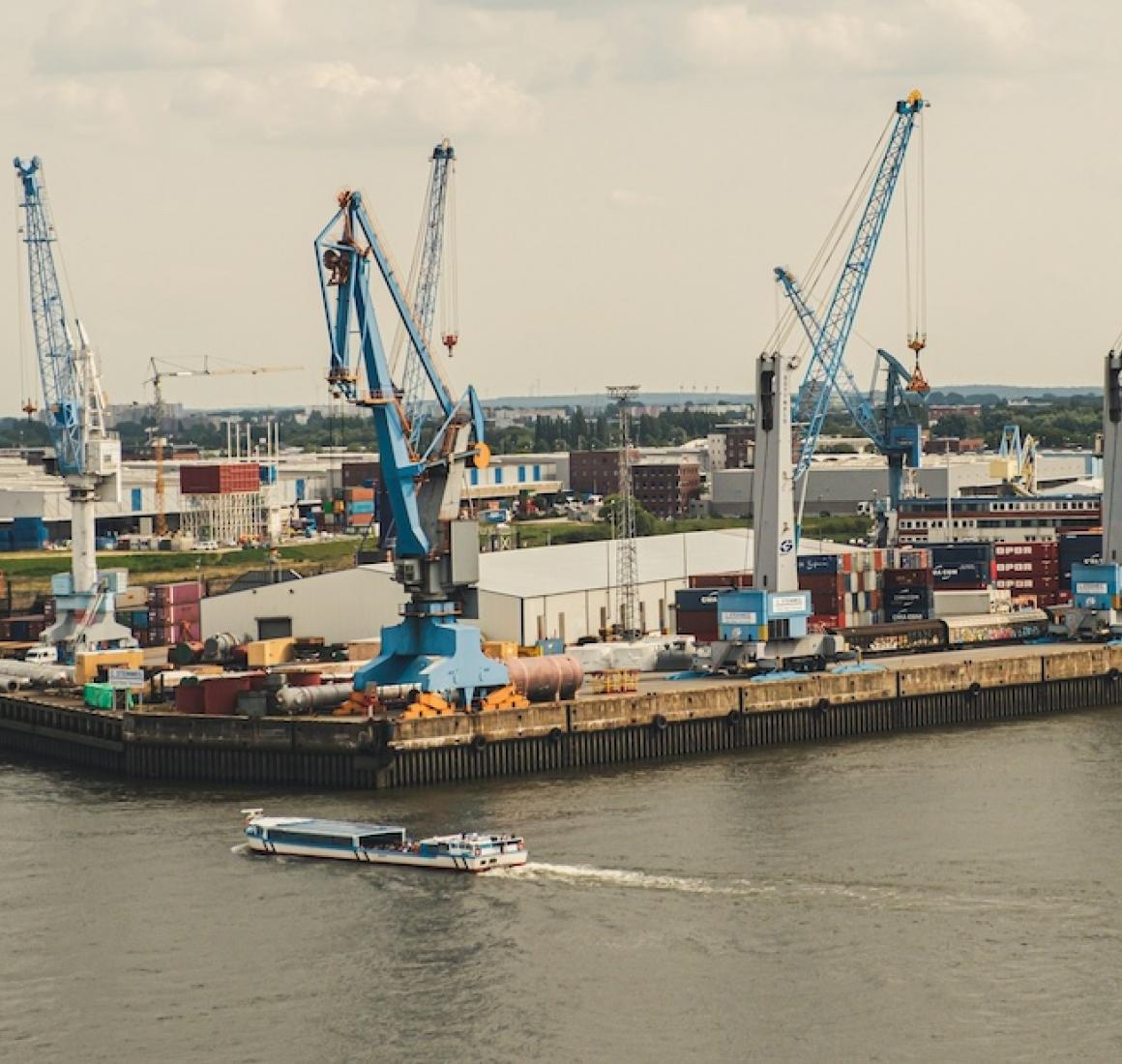
Danish ports: Expanding the focus from water to land
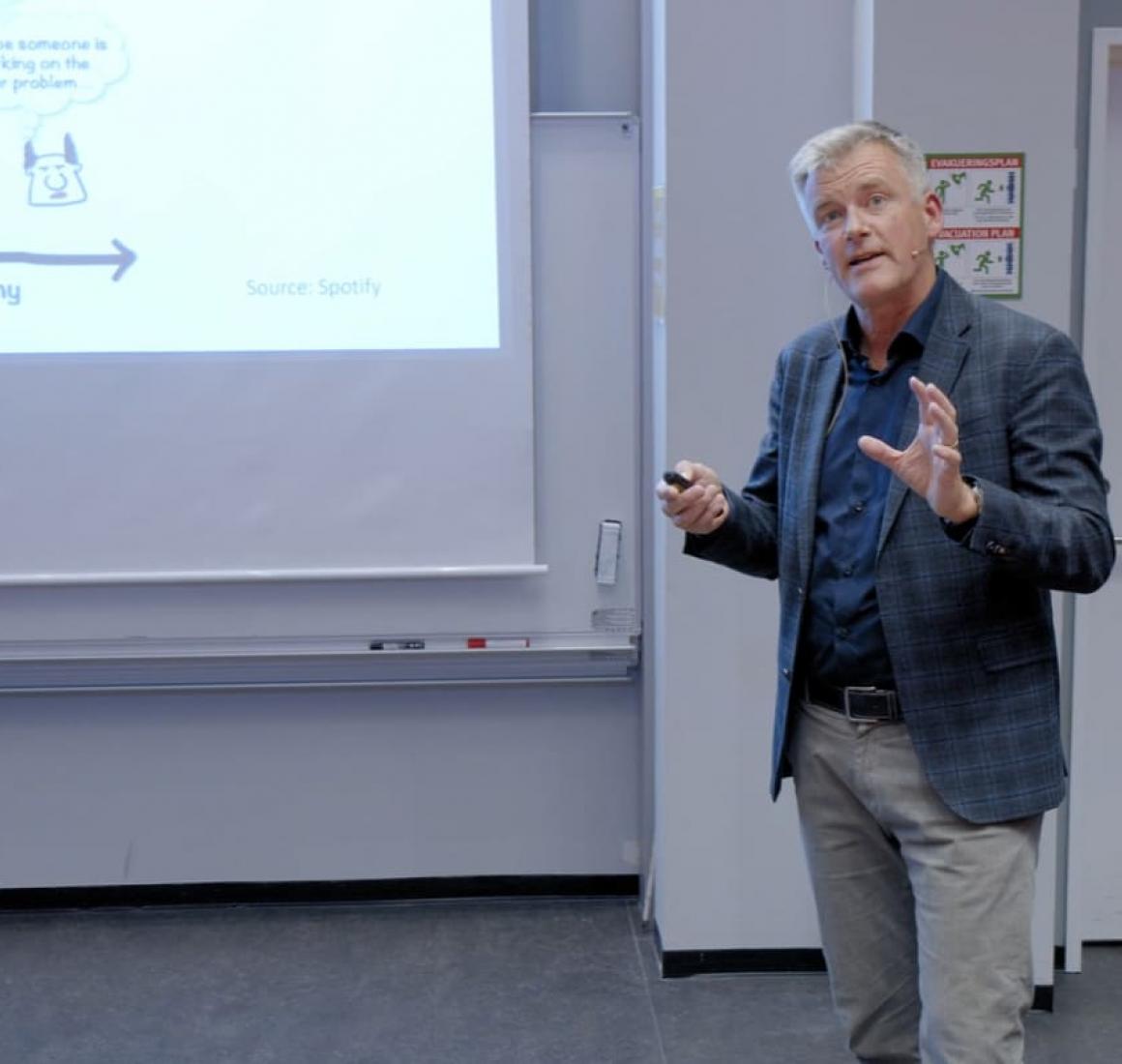
Managing Global Supply Chains in an Era of Turbulence
Future leadership is calling for These Competencies
Your gateway to more knowledge
Did you find this content interesting? Sign up for our newsletter and gain access to more of our research findings and events.
With the world’s grand challenges awaiting us, we need to continuously evolve, gain new knowledge and insights, and upskill.
Dive into a world of knowledge by signing up below. You will get:
- Personal event invitations
- Pertinent research-based insights on business and society
- Information about the next intakes of our Executive Education programmes and courses
Keep learning

Executive MBA

Master of Management Development

HD2 Supply Chain Management
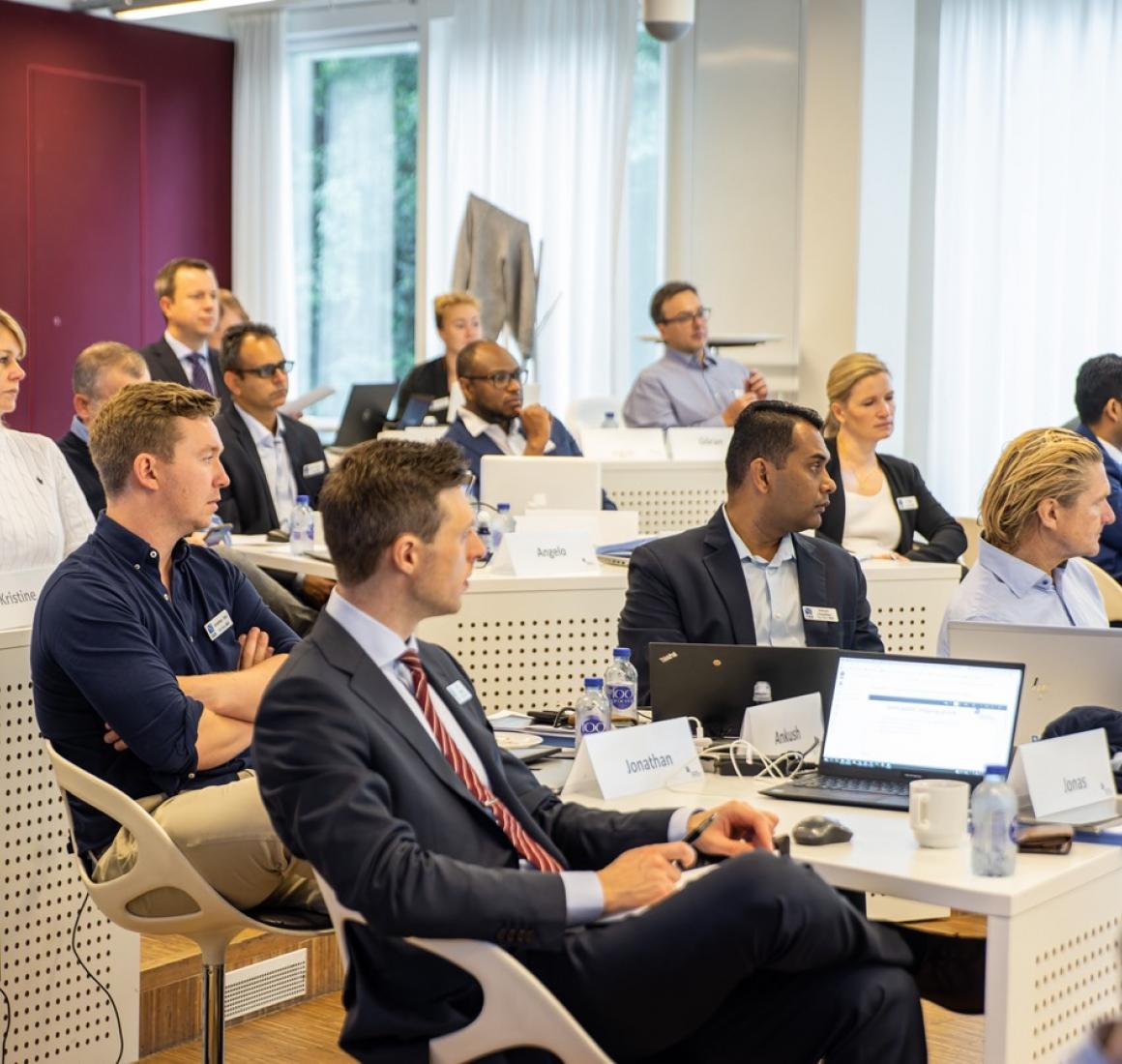
Executive MBA in Shipping and Logistics