Integrated Strategy Project – bringing everything together
The last step of the EMBA journey with Copenhagen Business School is designed to enable participants to use their acquired tools and develop an impactful strategy for their organisations. Here, Associate Professor Mogens Bjerre tells us all about the purpose and benefits of the Integrated Strategy Project (ISP) in action.

What is the ISP?
The Integrated Strategy Project (ISP) takes all of the skills and tools that EMBA participants have gained across the programme and merges them into one, real-world strategy. “It is the crown jewel of the EMBA,” says Mogens Bjerre who teaches the Marketing Course and the Master Thesis (ISP).
Participants identify a strategic problem within their organisation, analyse it and present a solution.
How is it structured?
The ISP takes a five-phase approach: analysis of the participants industry or market; company analysis; identification of issues; and strategy for implementation of the key strategic issue, and finally an executive summary is prepared - “It’s an outside-in perspective,” Professor Bjerre adds.
“The process is a very creative one,” he explains, “But finding the strategic shift that will have the most impact is probably the hardest part. It could be agility, it could be growing the top-line by addressing new markets, it could be issues in resource allocation, it could be failure to attract talent, it can go in many different directions.
“Overall, it functions as a classical funnel approach,” Professor Bjerre says, “We get tighter and tighter as we move along, and the five slots merge into one at the end. And that will be the report, which is then the basis for writing an executive summary.”
Each written assessment enables participants to evidence two different skillsets. “Back when I was the Associate Dean of the EMBA, I insisted that the report should look like a brief to the Board of Directors, but that idea has been undergoing change over the past 10 years.
“Now the participants produce the executive summary and the report. The report is a wider overview of the process and strategy while the executive summary is a short, precise and convincing argument for why the company should implement your strategy,” Professor Bjerre explains.
“I’ve had students tell me, ‘I've been in this industry for 20 years and I think it's the first time that I fully understand what's going on’.” Mogens Bjerre
Executive MBA Associate Professor

How do participants benefit?
As this project is based on an in-depth scrutiny of the participants’ own organisation, they end up with a valuable report upon completion, one that contains actionable findings for the improvement of their respective companies. “I'm actually sitting on the board of one of my former EMBA students’ companies,” Professor Bjerre adds, “And we're still using his basic findings in understanding the dynamics in the market.”
It’s also an opportunity to gain a greater depth of understanding of the industry or market that the participant is a part of. “I’ve had students tell me, ‘I've been in this industry for 20 years and I think it's the first time that I fully understand what's going on’,” Professor Bjerre explains.
From the point of view of the organisation that invests in the student, it is quite an attractive proposition as the culmination of the study results in highly useful insights. “Especially as this project is not based on a pre-conceived problem but rather it’s more of an open book,” says Professor Bjerre. “It’s an opportunity to explore and find an area that could be improved, be it HR, logistics, R&D and so on.
“This is also where I think the hallmark of the EMBA reveals itself because we don’t know upfront where the most important strategic issue actually is, we don't know where it is situated in the organisation now, you might as a participant have strong ideas and strong feelings about where you think it is, but we insist that it's not guided by your expectations. It's guided by the data.”
Investment in success
As the programme has such a demanding schedule, it’s important that students understand what’s ahead of them before commencing the project. “Before starting, I meet with participants a few times to actually discuss the outline, the process, how long it takes and how much we expect of workload from your side,” Professor Bjerre says. “Some of the participants put in more than 650 / 700 hours over half a year on top of whatever they already do! So that doesn’t leave much time for family, leisure, or anything else in that period.
“Once they start, participants are organised in sparring groups of four or five students that they will be going on with from beginning to end. As a group, they work individually, but they listen to each other and the more they can collaborate, the better grades they get in their respective individual ISP projects.
“From our side, we invest a lot in the student’s success because the guidance during the process really pays off in the end.”
Can you manage the challenges
Possessing an EMBA from CBS is such an acclaimed qualification and that means the exam board assesses candidates with rigor. As Professor Bjerre explains, “Since it is our hallmark, we need to be doubly sure that we think that you possess the EMBA qualities before you graduate.
“We only want people carrying the Executive MBA stamp that we believe are good representatives of the quality that we strive for,” says Professor Bjerre, “This does mean that we do have to flunk people on occasion. Not because we want to, but because we think that it's a necessity to ensure there is a benchmark that you need to pass, and if you don't, you will have a chance to retake.”
International acclaim
The EMBA at Copenhagen Business School is one of the most renowned, with a diverse group of participants from across the world. “We do have an increasingly high group of students that are flying in. I've really been surprised to see that over the past few years,” says Professor Bjerre, “I believe that it's largely because the CBS EMBA actually adheres to these quality standards. The respect around the programme only continues to increase as the years go by.”
Read more EMBA stories

“The answer was in my EMBA”
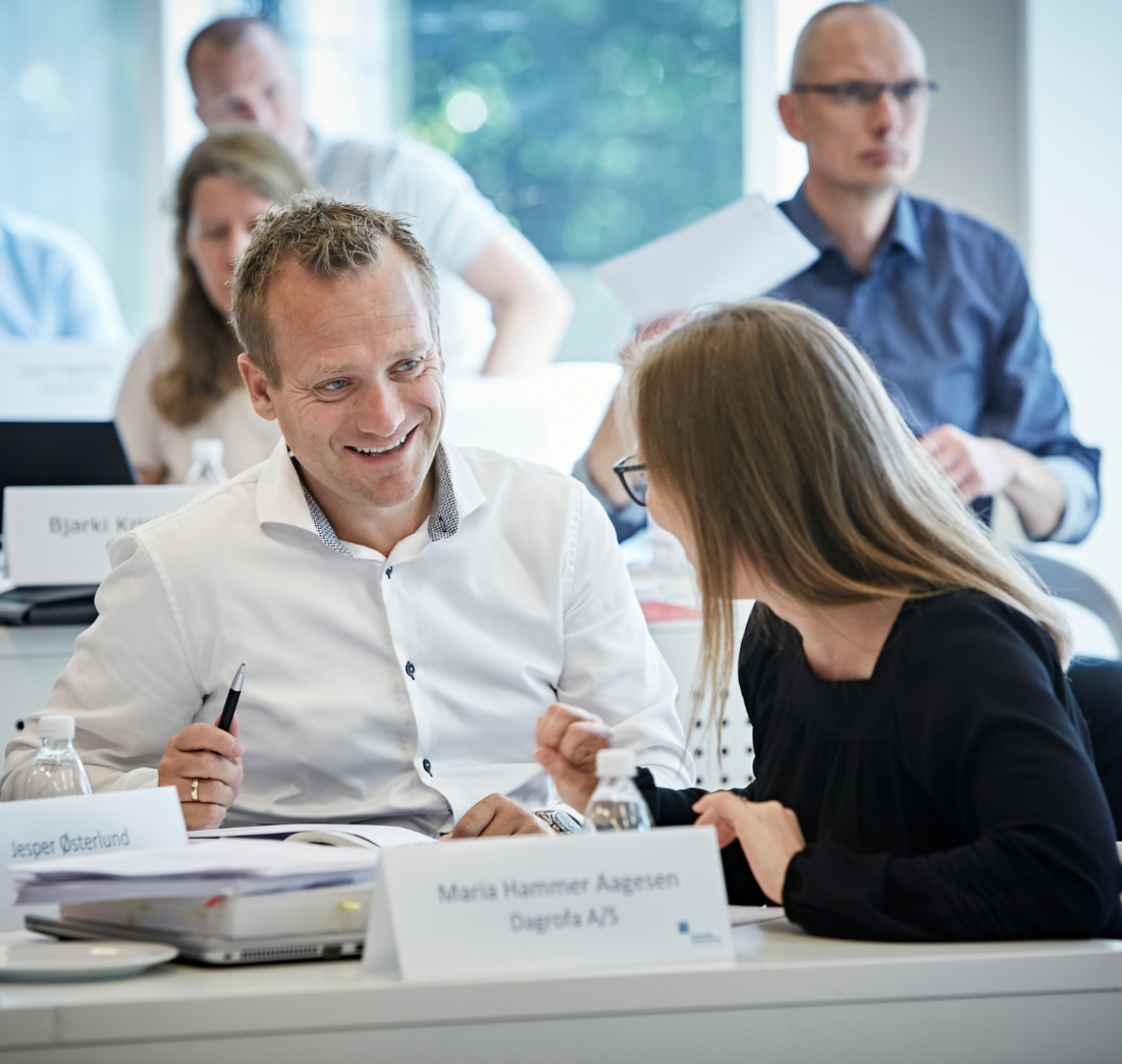
Fresh perspectives: How an EMBA can add an extra career dimension
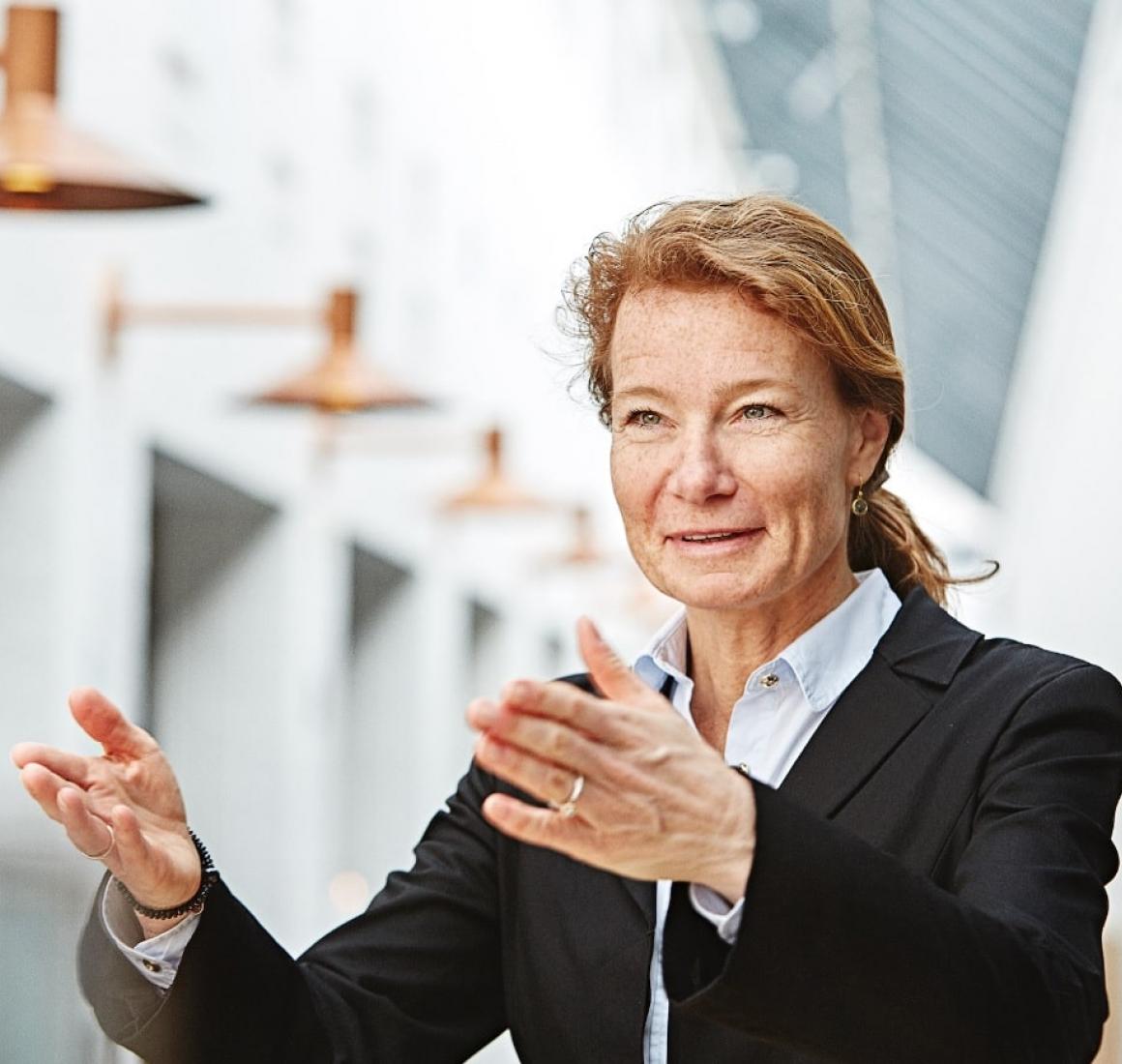
CBS EMBA Journey: Combines Your Organisation with Your Learnings

Utilize the CBS Executive MBA to move into a global role with confidence and success
Discover more.
Explore other programmes and courses

Executive Certificates
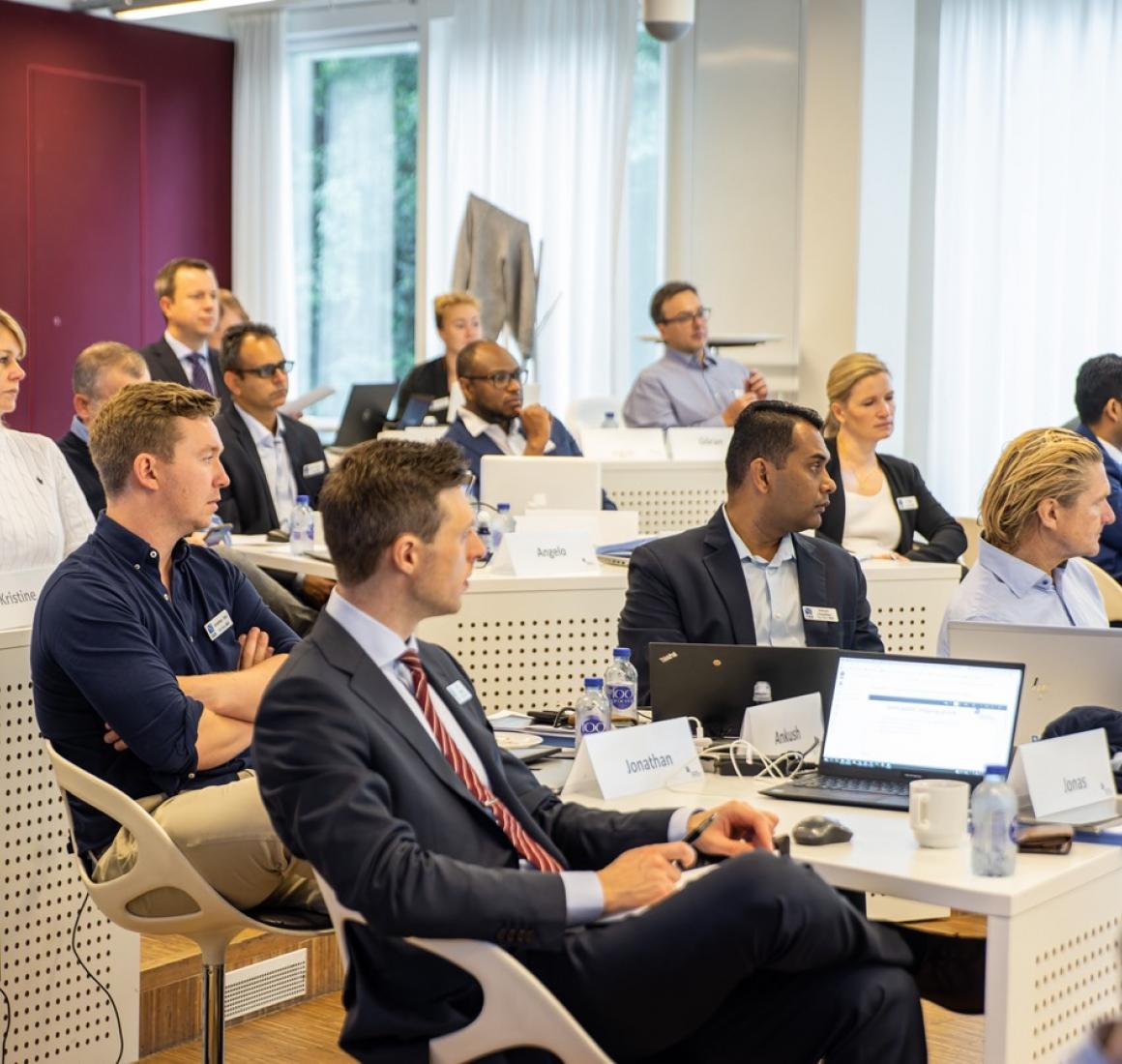
Executive MBA in Shipping and Logistics

Full-time MBA