HD2 International Business
Ethics in International Business
Forstå og håndter de komplekse etiske udfordringer, der opstår i international business, med de nødvendige værktøjer til at tackle disse udfordringer og styrk din virksomheds succes på globalt plan.
Start: Uge 36, 2026
About the course
Bliv ekspert i at navigere i etiske dilemmaer på globalt plan
Forstå og håndter de komplekse etiske udfordringer, der opstår i international business, med de nødvendige værktøjer til at tackle disse udfordringer og styrk din virksomheds succes på globalt plan.
Opnå grundlæggende viden om etiske dilemmaer i international forretning og lær at analysere og foreslå løsninger på de etiske udfordringer, som multinationale virksomheder står over for. Udvikl praktiske færdigheder, der vil hjælpe din virksomhed med at navigere i udlandet med integritet og effektivitet.
See the full course description in the course catalogueDit udbytte
Kurset vil især fokusere på:
- Lære strategier for at håndtere etiske dilemmaer i multinationale virksomheder (MNE)
- Få indsigt i, hvordan man håndterer store samfundsmæssige udfordringer på oversøiske markeder
- Opnå kompetencer i etisk ledelse af multinationale virksomheder
- Forstå forholdet mellem hovedkontor og datterselskaber og hvordan man navigerer i dette
- Få en dybere forståelse af virksomhedens internationale forretningsmiljø, etiske dimensioner og geopolitiske udfordringer
Facts
Læs om priser
Bemærk
Obligatorisk kursus for dig der læser denne HD2-specialisering.
Valgfag for dig som læser en af de andre HD2-specialiseringer.
Efterårssemester 2026
Tilmeldingsfrist: 24. august 2026
Undervisningsform og eksamen
Kurset gennemføres som online liveundervisning og foregår på engelsk. Alle undervisningsgange optages og uploades efterfølgende, så de studerende har mulighed for at gense undervisningen og tilgå materialet gennem hele kursusforløbet.
Undervisningen finder sted online på følgende dage og tidspunkter:
Tirsdag og torsdag i uge 36–37 kl. 17.10–19.45
Mandag og onsdag i uge 38–39 kl. 17.10–19.45
Eksamen er en individuel skriftlig case-/hjemmeopgave med et maksimalt omfang på 10 sider. De studerende har syv dage til at udarbejde og aflevere opgaven fra den 25. september til den 2. oktober 2026.
Flere kurser på HD
Erhvervsøkonomi og forretningsforståelse
Du bliver bedre til at analysere markedet, forstå dine kunders efterspørgsel og identificere hvad konkurrenterne gør.
10 ECTS
International Change Management - a Project-based Leadership Approach
Kurset giver dig en bred basisviden om og en unik tilgang til at forstå kompleksiteten i international forandringsledelse.
5 ECTS
International Business Finance
Dette kursus er designet til alle, der ønsker at forstå det finansielle område. Du får praktisk viden om de grundlæggende finansielle begreber, du møder i din kontakt med kunder, leverandører og kolleger.
5 ECTS
Lad dig inspirere
Gå i dybden med artikler og events om relaterede temaer.
Podcast: The Ecological Economics of Justice

The ecological crisis is fundamentally a crisis in our way of thinking. In the podcast The Ecology of Ideas, CBS lecturer Attila Márton explores how new…
The conscientious employee pays the price for freedom
Employees are increasingly being exposed to unlimited hyper-responsibility, which, according to a CBS researcher, leads to a feeling of never doing your job right.
Podcast: Flowing with Entropy
The ecological crisis is a crisis in our thinking. In the “The Ecology of Ideas” podcast, CBS Associate Professor and digital ecologist Attila Márton speaks…
Podcast: Thinking Ecologically
The ecological crisis is a crisis in our thinking. In the “The Ecology of Ideas” podcast, CBS Associate Professor and digital ecologist Attila Márton speaks…
110 years of voting rights – where does equality stand today?
We have brought together four women to discuss equality - or the lack thereof - 110 years after women gained the right to vote. They all have one thing in…
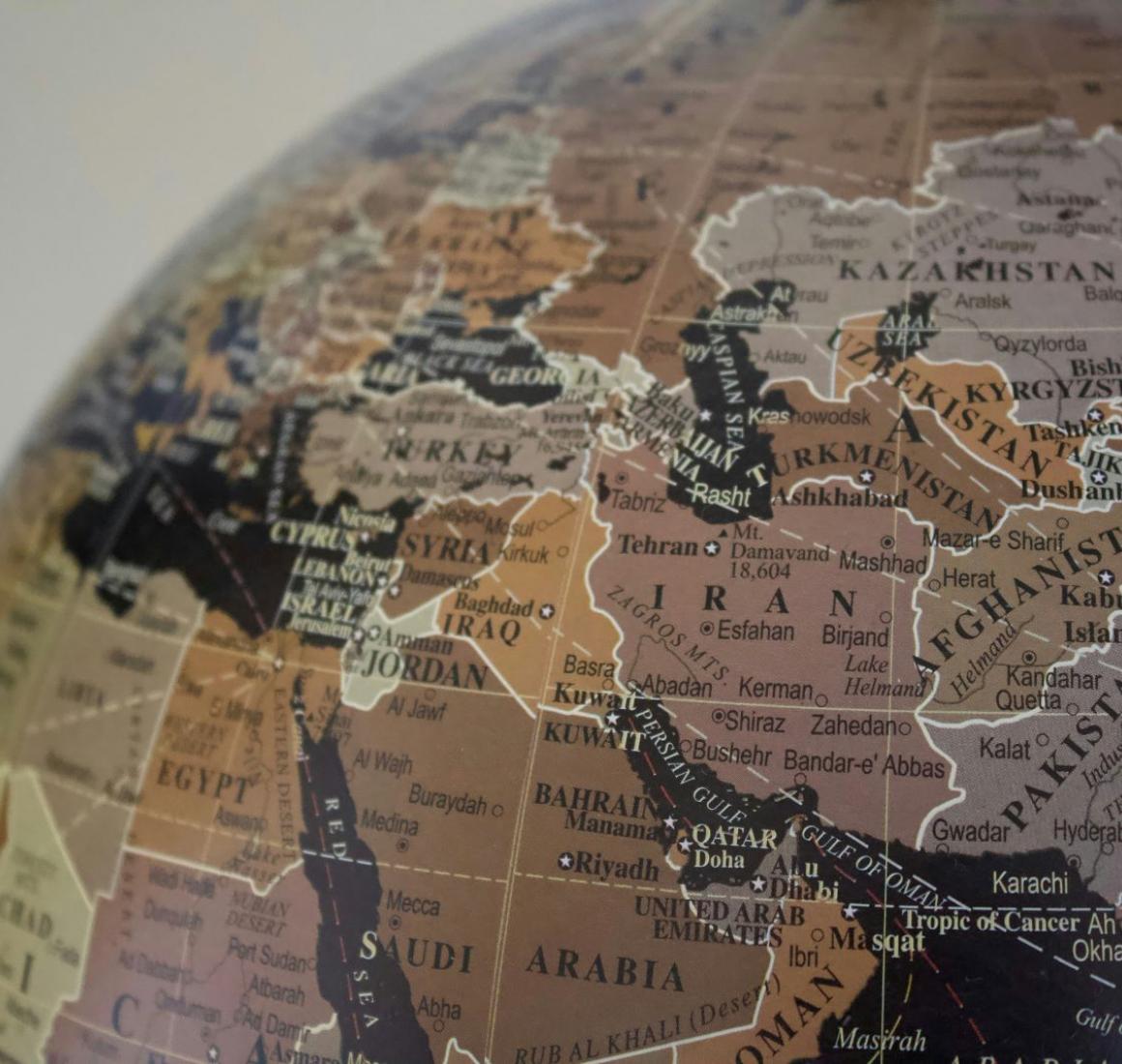
Geopolitics is a core task for businesses – not an afterthought

Trade policy is used as a power instrument, alliances are shifting, and conflicts hit supply chains and markets. That’s why geopolitics is a core task for top…
When economic thinking becomes too narrow to explain the real world
When economics is reduced to a single dominant way of thinking, we lose sight of the reality the discipline is meant to explain. A broader, historically…
How much critical thinking can we outsource?
What happens to critical thinking when everyone has a chatbot as a study partner? Generative AI has entered classrooms, study rooms and young people’s daily…
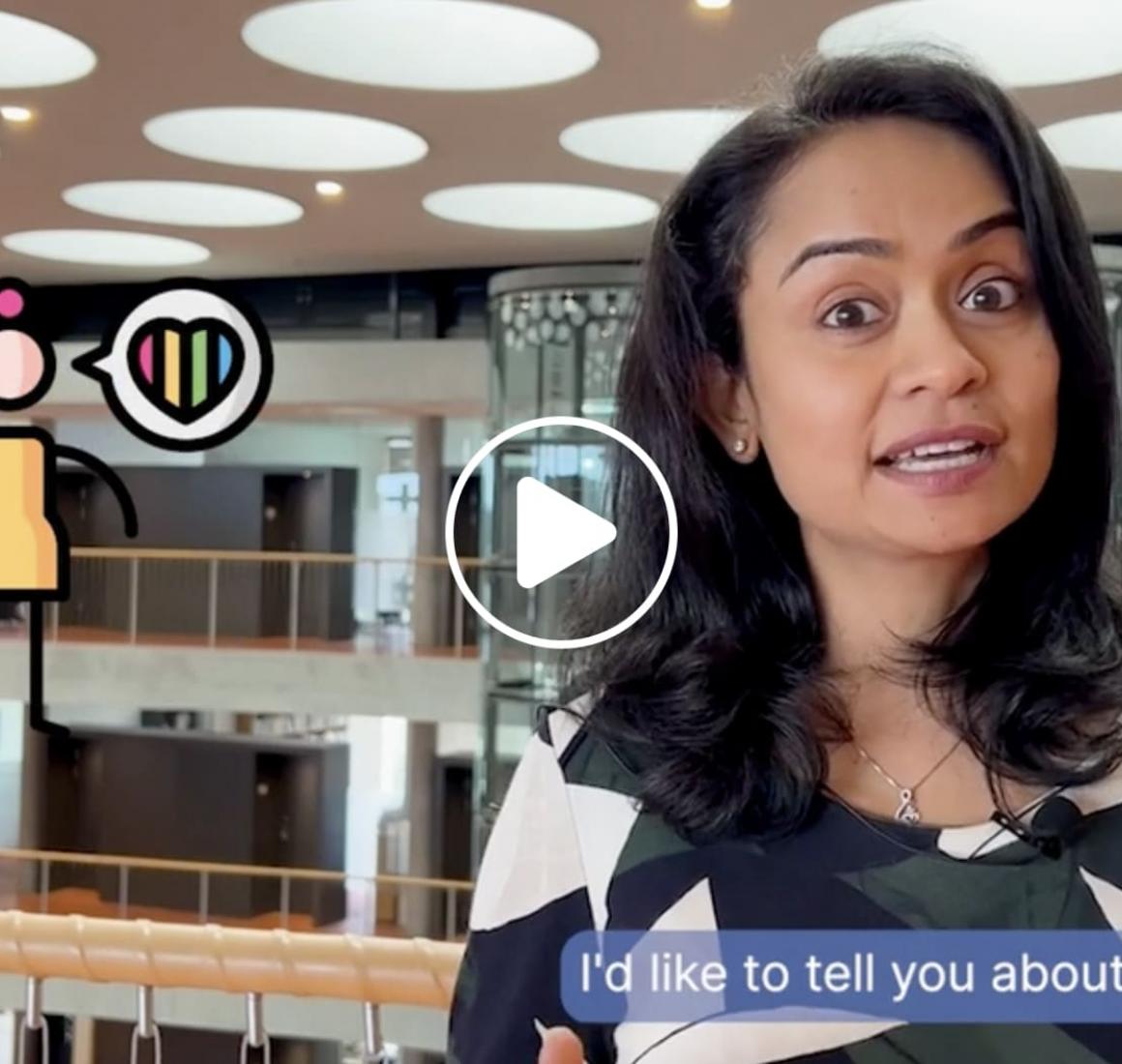
Explainer: What is allyship?
What does it mean to be an ally in the workplace? Hear from Dr. Poornima Luthra in this explainer.
When attacks become hybrid: why Danish companies must rethink security from the ground up
Hybrid threats are not a security issue – they are the reality of business. They have become part of a broader strategic toolkit in which states and criminal…
If Knowledge Is a Matter of Trust, Who Decides What Is True?

Do you get your news from traditional media, social media, or research publications? As information sources multiply, shared understandings of reality are…
No company is an island
A new geopolitical analysis from CBS shows that Danish companies have significantly strengthened their internal resilience. The next challenge lies in the…
Explainer: Black Friday's impact on vulnerable consumers

Black Friday is a controversial concept, engaging both bargain hunters and protesters each year. However, for one consumer group in particular, shopping…
Do companies cut wages or lay off workers during an economic crisis?

Many companies see crises as an opportune time to lay off or reorganise, but what are the considerations at play?
Companies must improve their take-back strategies

A growing demand for sustainability and lower resource consumption requires new organisation in companies or partnerships with external actors.
How to Lead Under Extreme Circumstances
In a world of uncertainty, leadership is more critical than ever. CBS Executive Education and collaborators recently gathered experts to explore how leaders…
When leadership quality declines, employees’ depressive symptoms increase
A new Danish study shows that employees’ depressive symptoms rise when the quality of leadership falls – and vice versa
A World Without a Centre – Now Companies Must Find Their Own

When there is no longer a global policeman, how should business leaders navigate turbulent markets, fragmented blocs and uncertainty? They need to be a bit…
Bridging the Gender Gap in Financial Behaviour: A New Research Initiative
Financial decisions have become more privatised, as we now have more information and greater access to these decisions than ever before. Data shows there is a…
Explainer: DEI
Is the future of DEI in Europe and globally truly being threatened by Trump and his second presidency? Hear Dr. Poornima Luthra's take in this explainer.
Companies claim they need workers but opt out of hiring the unemployed
Many companies prefer candidates who are already employed, but according to a new CBS study, this is only part of the problem: Qualifications, search time and…
New management strategies for new generations?
How do you advance leadership to consider generations seeking meaning, balance and value in their work life?
A new career climate: enabling a pivot into sustainability

Drawn to the Copenhagen FT MBA for its sustainability credentials, Jayraj Pandya made the leap from India to Denmark – and into a growing sector. The result? A…
The fight against fake news: know the difference between information and intention
It is no longer enough to assess information when navigating the internet. We also need to evaluate intentions. Otherwise, we fail to identify the…
The hidden drivers of the gender career gap

Researchers and business leaders point to parenthood, workplace structures and policy frameworks as drivers of the gender career gap. In Denmark, two-thirds of…
What it costs being dismissed as CEO
For the first time, a mapping of CEO turnovers in publicly listed companies shows that being dismissed can have serious long-term personal consequences for the CEO
From Power to Powerlessness: What Politicians Can Teach Us About Leadership
High workloads, fierce competition and limited influence over legislation take their toll on politicians at Christiansborg, turning the centre of power into a…
Podcast: Overcoming Purity Politics
The ecological crisis is rooted in how we think. In The Ecology of Ideas podcast, CBS Associate Professor Attila Márton explores how new philosophies can…
Podcast: Escaping the Logic of Extraction

The ecological crisis is rooted in how we think. In The Ecology of Ideas podcast, CBS Associate Professor Attila Márton explores how new philosophies can…
Navigating uncertainty: How shipping can turn turbulence into transformation
As global shipping faces high sea and shifting trade currents, leaders need the mindset, technology and strategic foresight to chart a steady course, according…
Where Did the Apology Go?
“There have been mistakes, and it is regrettable.” Phrases like this are everywhere these days. Executives, public sector leaders, and government officials…
Immigrants earn less and have limited access to high-paying jobs

On average, an immigrant in Denmark earns 9.2% less than an ethnic Dane. In other parts of Europe and North America, the gap is even wider. This is…
Is Your Strategic Toolbox Up to Date?

Navigating the profound geopolitical upheavals shaping the world today demands a solid – and perhaps reinforced – strategic toolbox. But what does this mean in…
“We could go from digital to stone-age society in an instant”
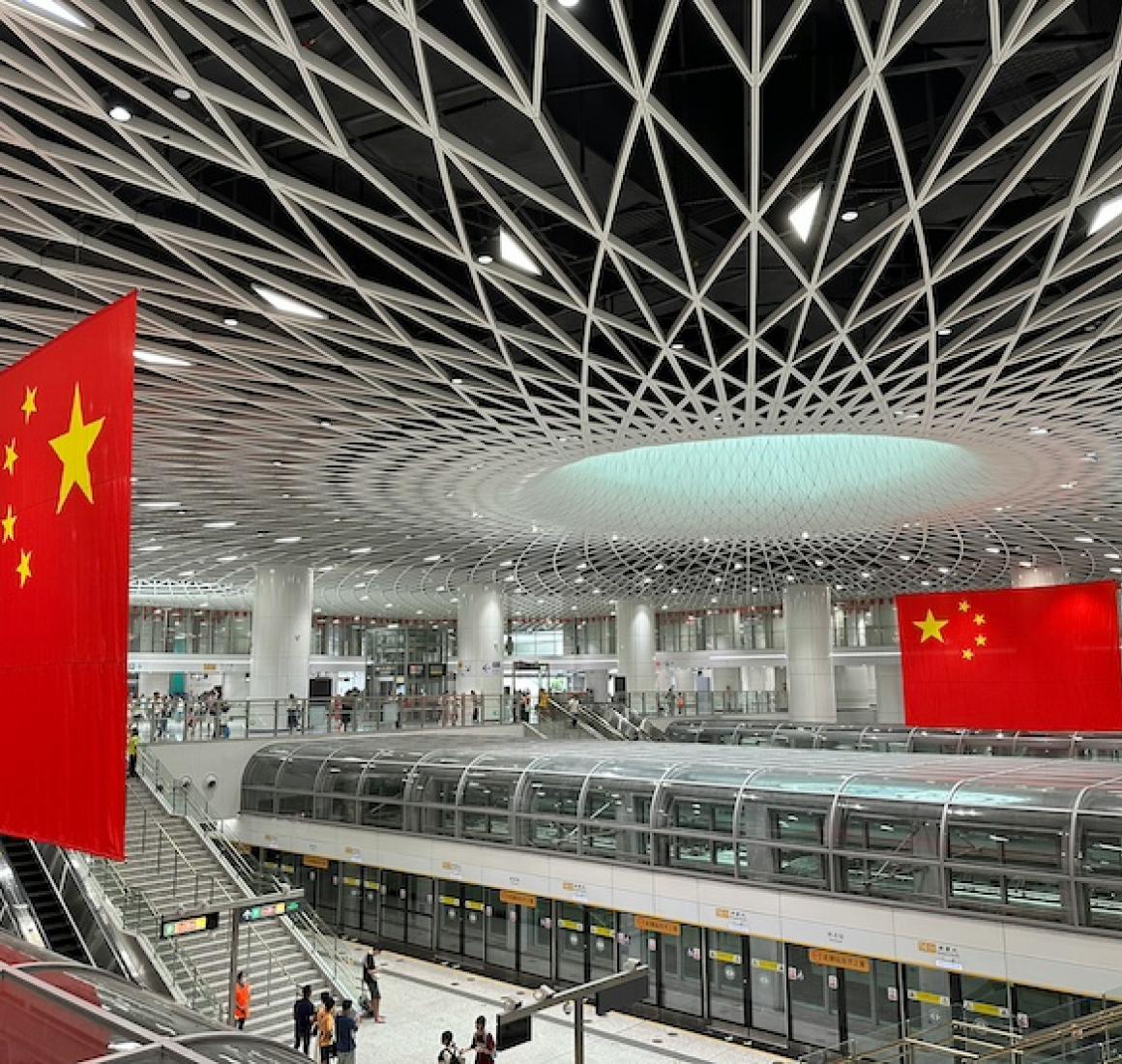
CBS professor warns: Europe's reliance on American software is an underestimated security threat
We can learn from China
We are no longer ahead of China. It is not even a draw. We are in fact falling behind, says CBS researcher – and we need to acknowledge that because we need a change of strategy
Explainer: Meritocracy
What is meritocracy and what does it have to do with DEI? CBS Associate Professor Dr. Poornima Luthra explains exactly that in this video.
Why we seek "strong" leaders in a crisis – and why we should embrace collective leadership instead
In times of crisis, we instinctively turn to strong, decisive leaders. But is that really the best approach? Professor Laura Empson explains why our preference…
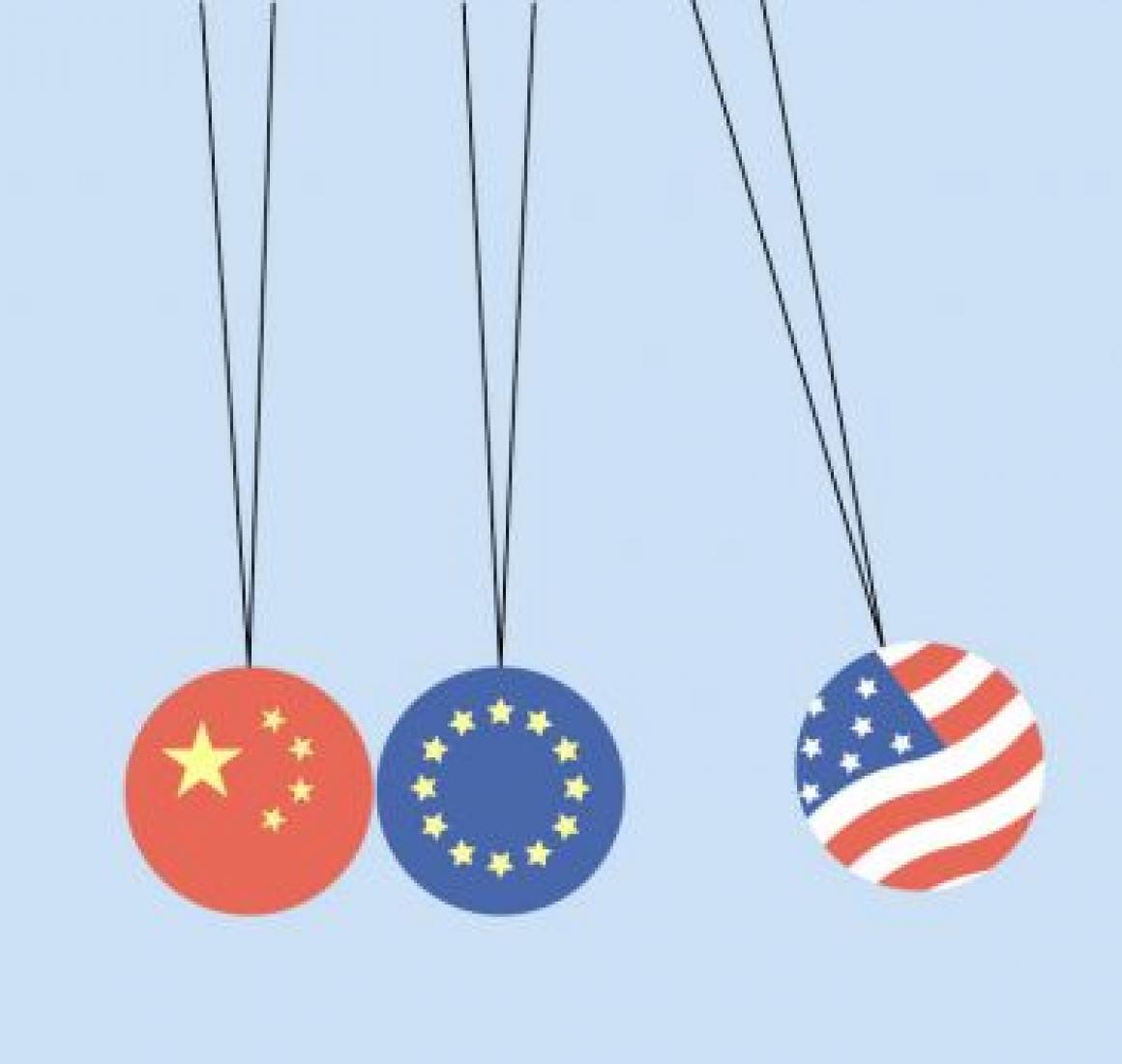
CBS researcher: “The EU will be caught between the US and China – and unless we take drastic action, it will come at the expense of our welfare”

The EU is facing major challenges in its relationship with China. China’s growing competitiveness, the introduction of industrial policy measures in the United…
Explainer: AI's climate effect
What is the environmental impact of AI’s most utilised models, from the energy consumed during their development to the power required for their operation?…
Underestimation of personal carbon footprint negatively affects climate policy
If you think that the carbon footprint of the average citizens does not differ from that of a multimillionaire, think again. However, you’re not alone in this…
“Societal well-being and economic development go hand-in-hand”

Jayraj Pandya is earning his MBA at Copenhagen Business School, immersing himself in holistic business management with a focus on sustainability. With a…
Being laid off affects women more severely than men
If women lose their job, the risk of long-term unemployment is markedly higher than for men. It affects mothers severely as they are twice as prone to long…
We are not as inclusive as we think we are.. but we can be

We often overestimate how inclusive our organisations are, and imagine that we hire and promote people on the basis of merit - their education, experience,…
Skab robuste organisationer til en foranderlig og usikker verden
Hvordan kan danske organisationer og virksomheder, store som små, navigere i en verden, hvor intet er som før? CBS Professor MSO Morten Thanning Vendelø deler…