HD2 Valgfrie kurser
Transfer pricing i multinationale koncerner
Lær at løse praktiske transfer pricing problemer med udgangspunkt i dansk lovgivning og internationale vejledninger.
About the course
Hvad skal det koste at handle med sig selv?
Cirka 70% af verdenshandelen sker mellem virksomheder, der hører til samme koncern. Så hvis du arbejder med økonomistyring og finansiel rapportering i en international virksomhed, vil du før eller senere komme til at have med transfer pricing at gøre.
På kurset lærer du først og fremmest at løse praktiske transfer pricing problemer med udgangspunkt i dansk lovgivning og internationale vejledninger. Du får viden om de internationale begreber og metodikker, og om hvordan transfer pricing håndteres i praksis, når det gælder forskellige transaktionstyper, herunder f.eks. varesalg, serviceydelser, finansielle transaktioner, patenter og varemærker.
Kurset kvalificerer til job inden for global og corporate finance.
See the full course description in the course catalogueDit udbytte
Kurset vil især have fokus på:
- Løsning af praktiske transfer pricing problemer
- Dansk og international lovgivning
- Forståelse af internationale begreber og metodikker
- International skatteret, CFC-beskatning og tynd kapitalisering
- Deleøkonomi, platformsøkonomi og andre digitale
Facts
Læs om priser
Forårssemester 2027
Tilmeldingsfrist: 24. marts 2027
Undervisningsdage: mandag/onsdag i uge 15-22
Eksamen: Mundtlig stedprøve uden forberedelse i uge 23.
Læs nærmere om form og format i kursuskataloget
Flere kurser på HD
Beskatning og ESG i en digital økonomi
Lær hvordan man tackler skatteretlige udfordringer i en digitaliseret verden.
10 ECTS
Lad dig inspirere
Gå i dybden med artikler og events om relaterede temaer.

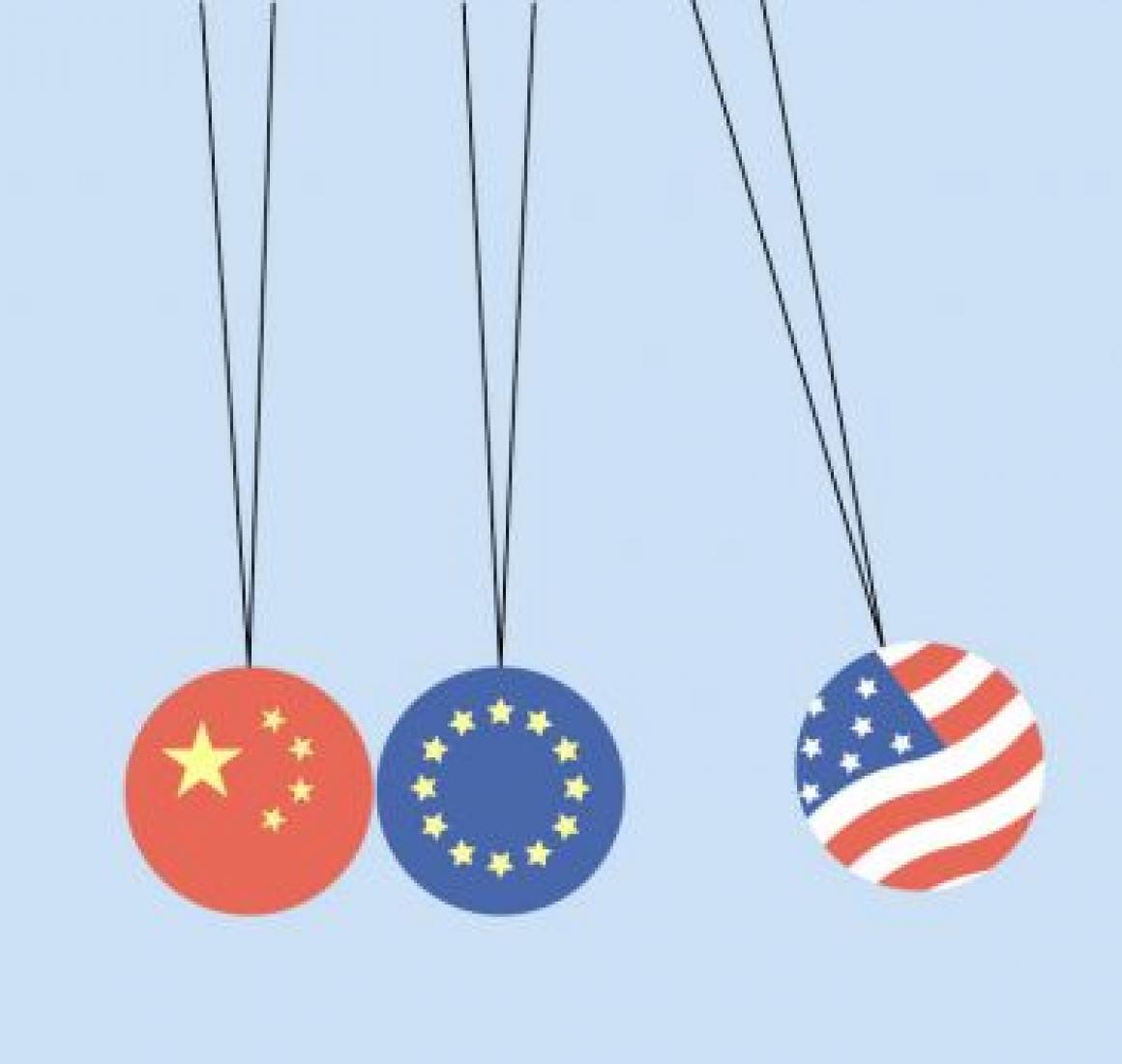
Geopolitics is a core task for businesses – not an afterthought

Trade policy is used as a power instrument, alliances are shifting, and conflicts hit supply chains and markets. That’s why geopolitics is a core task for top…
When economic thinking becomes too narrow to explain the real world
When economics is reduced to a single dominant way of thinking, we lose sight of the reality the discipline is meant to explain. A broader, historically…
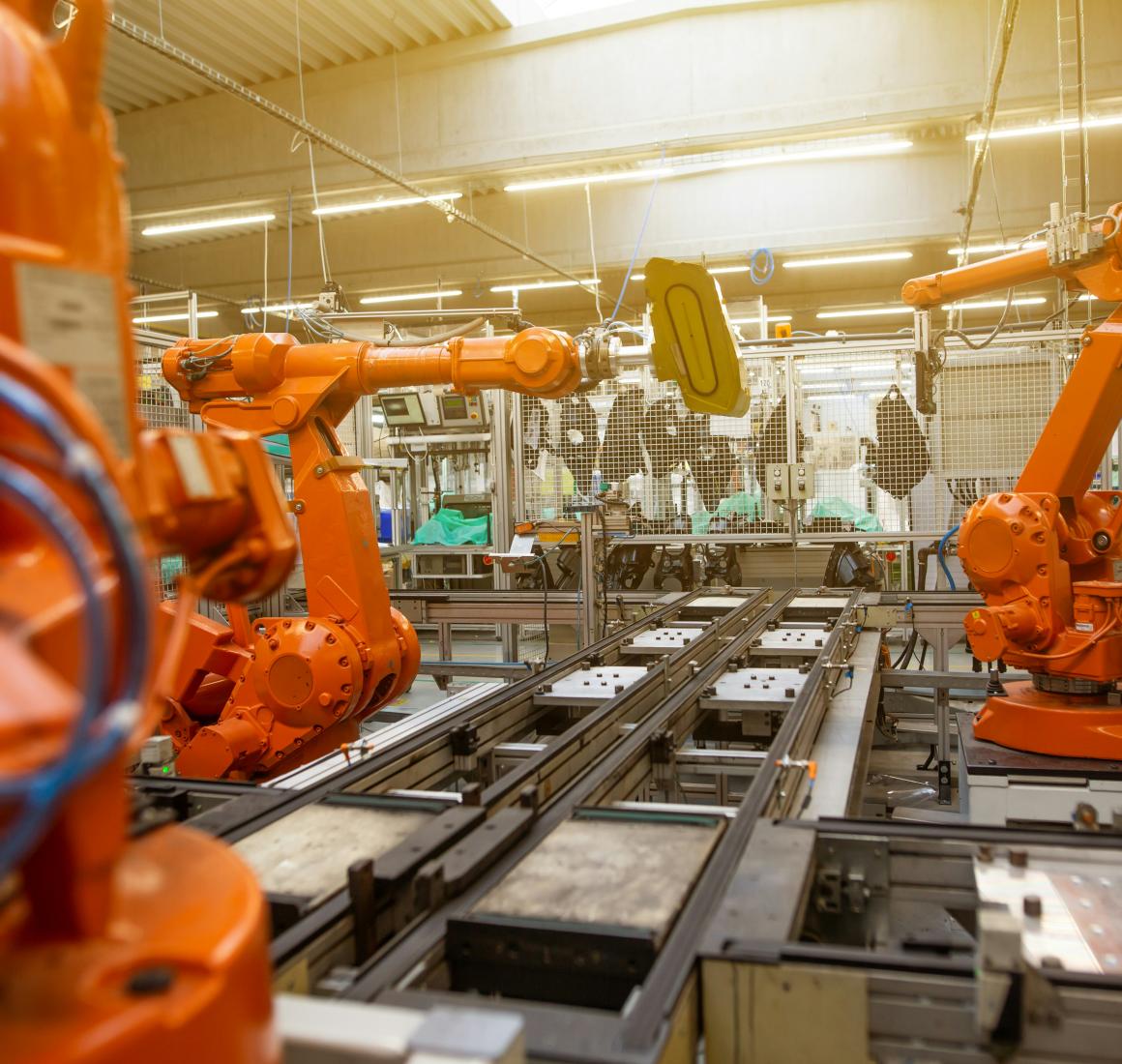
When companies adopt robots, they often grow and hire more people

Many people associate robots with layoffs, but a new study from CBS shows that Danish companies that automate often hire more people
No company is an island

A new geopolitical analysis from CBS shows that Danish companies have significantly strengthened their internal resilience. The next challenge lies in the…
Companies must improve their take-back strategies

A growing demand for sustainability and lower resource consumption requires new organisation in companies or partnerships with external actors.
How to Lead Under Extreme Circumstances

In a world of uncertainty, leadership is more critical than ever. CBS Executive Education and collaborators recently gathered experts to explore how leaders…
A World Without a Centre – Now Companies Must Find Their Own
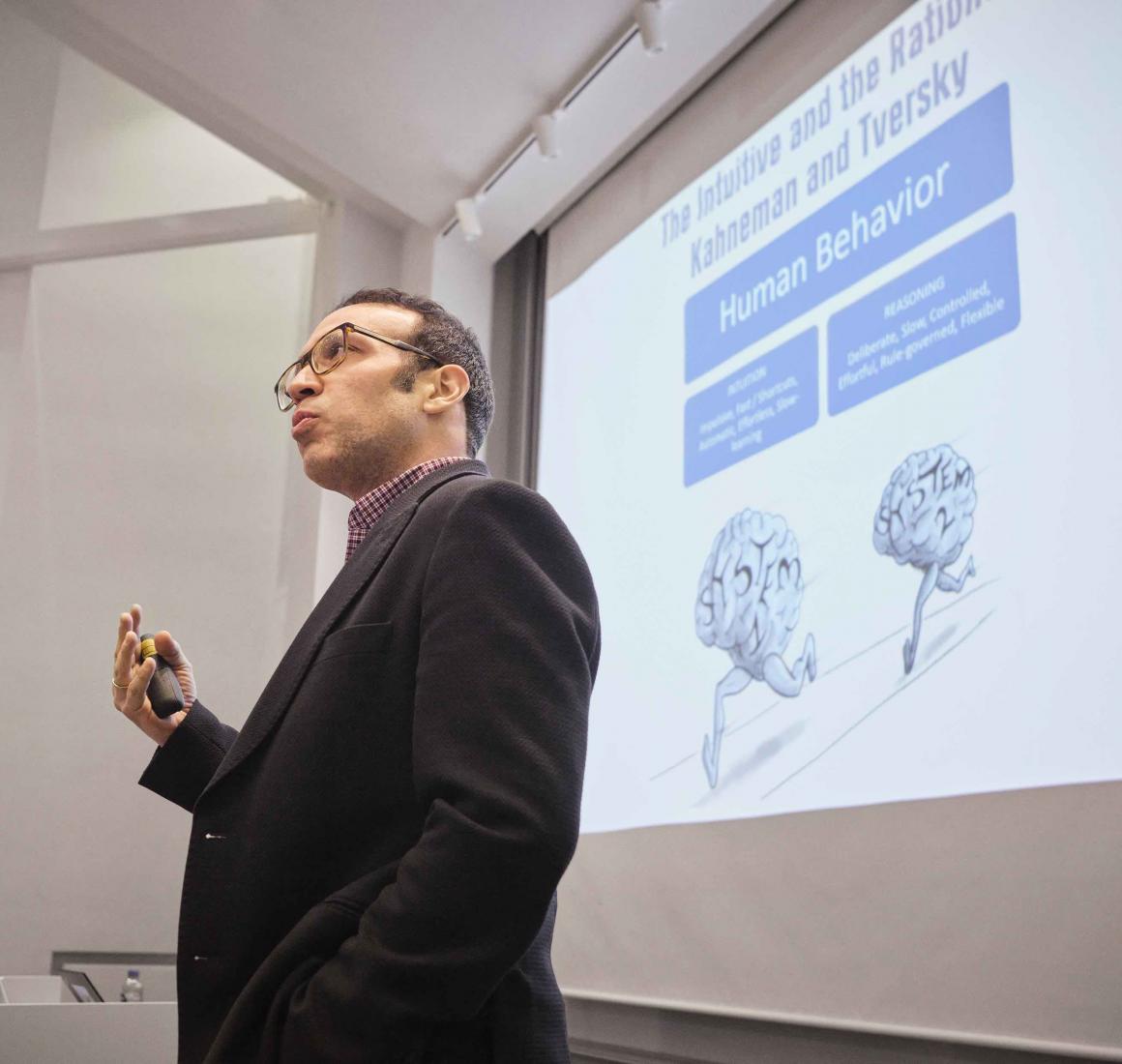
When there is no longer a global policeman, how should business leaders navigate turbulent markets, fragmented blocs and uncertainty? They need to be a bit…
Behavioural investing
Investing isn’t only driven by capital. Inspired by the field of behavioural finance, this event uncovered the hidden biases within both professional and personal investing.
FIFA World Cup: Who will be the financial winners and losers?

Two financial winners. Three losers. A new sporting structure and a new mixing of sport and politics. A sports economist at CBS takes stock ahead of the World Cup kick-off.
It takes a village: Implementing a new food strategy for a sustainable food system

Denmark has high ambitions for sustainable diets, while the path is clear, no one is taking the lead (yet).
Navigating uncertainty: How shipping can turn turbulence into transformation
As global shipping faces high sea and shifting trade currents, leaders need the mindset, technology and strategic foresight to chart a steady course, according…
Immigrants earn less and have limited access to high-paying jobs

On average, an immigrant in Denmark earns 9.2% less than an ethnic Dane. In other parts of Europe and North America, the gap is even wider. This is…
We can learn from China
We are no longer ahead of China. It is not even a draw. We are in fact falling behind, says CBS researcher – and we need to acknowledge that because we need a change of strategy
CBS researcher: “The EU will be caught between the US and China – and unless we take drastic action, it will come at the expense of our welfare”

The EU is facing major challenges in its relationship with China. China’s growing competitiveness, the introduction of industrial policy measures in the United…
Danish ports: Expanding the focus from water to land

We can generate much more green growth and profits from our ports but this requires having a shared national vision. Achieving that, in turn, demands an…
Being laid off affects women more severely than men

If women lose their job, the risk of long-term unemployment is markedly higher than for men. It affects mothers severely as they are twice as prone to long…
Skab robuste organisationer til en foranderlig og usikker verden
Hvordan kan danske organisationer og virksomheder, store som små, navigere i en verden, hvor intet er som før? CBS Professor MSO Morten Thanning Vendelø deler…