Reflections from 2025, Looking Ahead to 2026 - Insights from CBS MBA Faculty
As 2025 draws to a close, we invited CBS MBA faculty leaders Mercedes Delgado, Andreas Rasche and Jesper Rangvid to reflect on lessons from the past year, what excites them about the year ahead, and the advice they offer MBA and EMBA students and alumni. Their reflections highlight experiential education and purpose‑driven leadership.

Mercedes Delgado, Associate Professor of Strategy and Innovation
For Mercedes Delgado, 2025 reaffirmed a critical shift in how innovation and entrepreneurship create value—particularly in the business-to-business space.
“A lot of the innovation, startups, and good jobs are created by business-to-business (versus business-to-consumer) ventures. B2B startups need more sophisticated business models that allow testing value creation with early business customers and end-users. This is especially the case for AI and data powered enterprise software solutions. These firms need to better reflect on how to use AI and data tools: as ‘best-practices’ or as strategic positioning enablers for the development of valuable products and services.”
Looking ahead to 2026, Delgado is focused on the growing importance of inclusive innovation and its role in long-term competitiveness and resilience.
“How inclusive innovation – i.e., the efficient utilization of all talent regardless of demographics– drives growth, competitiveness, and resilience. For example, I am mapping Artificial Intelligence and ICT innovation systems around the world to assess what locations have a comparative advantage in these technologies, and what locations and organizations are better in expanding inclusive innovation.” Mercedes Delgado
She is also excited about deeper engagement across sectors:
“Relatedly, I am excited to work with universities, firms, and practitioners to design good practices to engage talent into intellectually protected innovation and entrepreneurship. Broadly, I look forward to continue collaborating with multiple stakeholders engaged in transformational innovation. Personally, I want to continue to discover good books (especially fiction) and new places.”
Her advice to MBA and EMBA students and alumni is both practical and energizing:
“Plan and schedule time for lifelong learning inside and outside your organization. Take action-learning courses that offer practical knowledge and expand your network. Learn about your location: look around for opportunities to collaborate with the regional industry clusters and the innovation ecosystem. Make lifelong learning fun and rewarding based on your personal goals!”
Andreas Rasche, Associate Dean of the Full-Time MBA and Professor of Business in Society
For Andreas Rasche, 2025 brought renewed clarity about what effective leadership truly requires in uncertain times.
“This year reaffirmed to me that leadership in uncertainty requires both courage and humility. My discussions with our FT-MBA and EMBA participants taught me that purpose-driven thinking isn’t a ‘nice-to-have’, it is a strategic advantage in these turbulent times.”
As 2026 approaches, Rasche is closely watching the intersection of geopolitics and sustainability—an area he sees as increasingly influential for organizations worldwide.
“I am curious about how geopolitics will further shape the sustainability debate. 2025 was really a ‘rough ride’ in many ways - overshadowed by the unpredictability of tariff wars, deregulation, and ongoing armed conflicts. All of these developments will also continue into 2026, and they leave an impact on corporate sustainability.”
His advice to students and alumni emphasizes mindset over mastery:
“Keep your learning mindset alive; it’s your greatest leadership asset. The world will keep changing faster than any curriculum, but curiosity, reflection, and integrity will always keep you relevant. Stay open, stay curious, and keep connecting ideas and people across boundaries.” Andreas Rasche
Jesper Rangvid, Associate Dean of the Executive MBA and Professor of Finance
For Jesper Rangvid, one of the most impactful moments of 2025 came through experiential learning—bringing macroeconomics vividly to life for students.
“In October, in my Macroeconomics and Financial Markets course, I travelled with the class to Frankfurt, Germany. While Frankfurt’s grey, rainy weather is rarely the attraction, the city remains the financial centre of continental Europe, home to major banks and a skyline of glass towers.”
That experience included an extraordinary visit to the European Central Bank:
“We had arranged a visit to the European Central Bank, where our host—Deputy Director General Thomas Brøeng-Jørgensen—secured the former meeting room of the ECB Governing Council for our session. Sitting atop the Eurotower in the very room where interest-rate decisions for the entire euro area are made was extraordinary.”
For Rangvid, the impact on students was clear:
“It brought the macroeconomic concepts we discussed—interest rates, inflation, economic activity—into vivid focus for the students. Moments like these remind me how powerful experiential learning can be in deepening understanding. And, in general, teaching the course and discussing with the students was a great experience, as it always is.”
Looking toward 2026, he is deeply engaged in program development and global financial trends:
“We are launching a redesigned EMBA program this summer. While it builds on the strengths of our current and previous programs, it also reorganizes some key elements and introduces new courses. Contributing to this ongoing development is always rewarding, and I look forward to seeing how the redesign enhances the learning experience.” Jesper Rangvid
He is also closely watching the markets:
“On the research and commentary side, I’m eager to follow how the AI-driven boom in equity markets evolves—and to observe how long investor confidence in the U.S. can remain strong amid its continuously expanding public debt. Both dynamics will be fascinating to analyse as they unfold.”
His message to alumni reinforces the importance of staying engaged with new knowledge:
“The world is constantly changing, and staying informed requires continuous engagement with new research-based insights and their practical implications. CBS offers many opportunities to stay current, and I encourage students and alumni to make use of those most relevant to their professional journeys. Lifelong learning is not only valuable—it is essential.”
Looking Ahead
Together, these reflections capture the spirit of the CBS MBA community: forward-looking, globally engaged, and deeply committed to lifelong learning. As we move into 2026, the shared message is clear—embrace curiosity, lead with purpose, and continue building knowledge across boundaries.
Read more MBA Stories
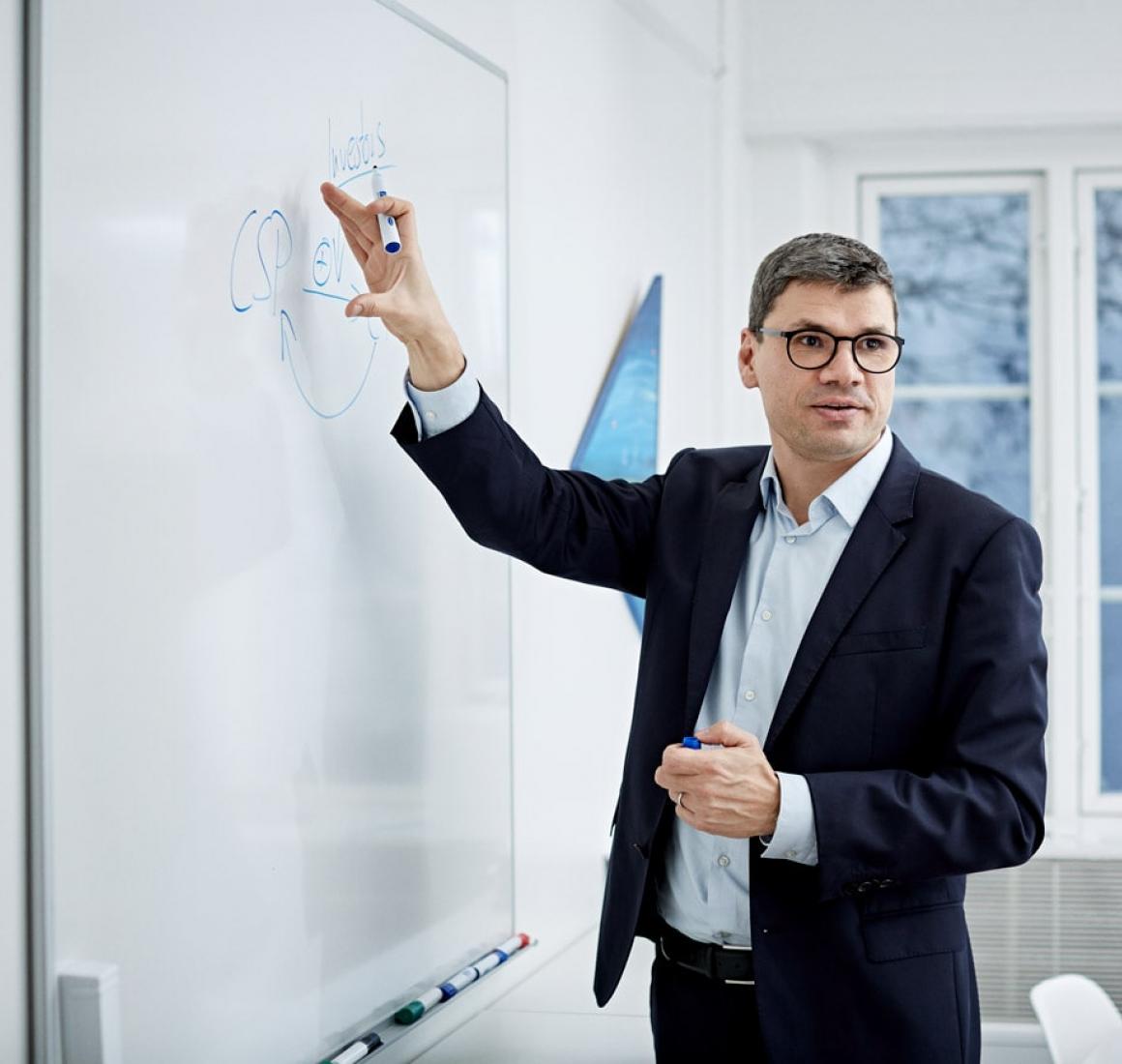
Record Result: Copenhagen Business School’s Full-Time MBA maintains Top 100 position in the Financial Times Global MBA Ranking 2026, for 3rd consecutive year
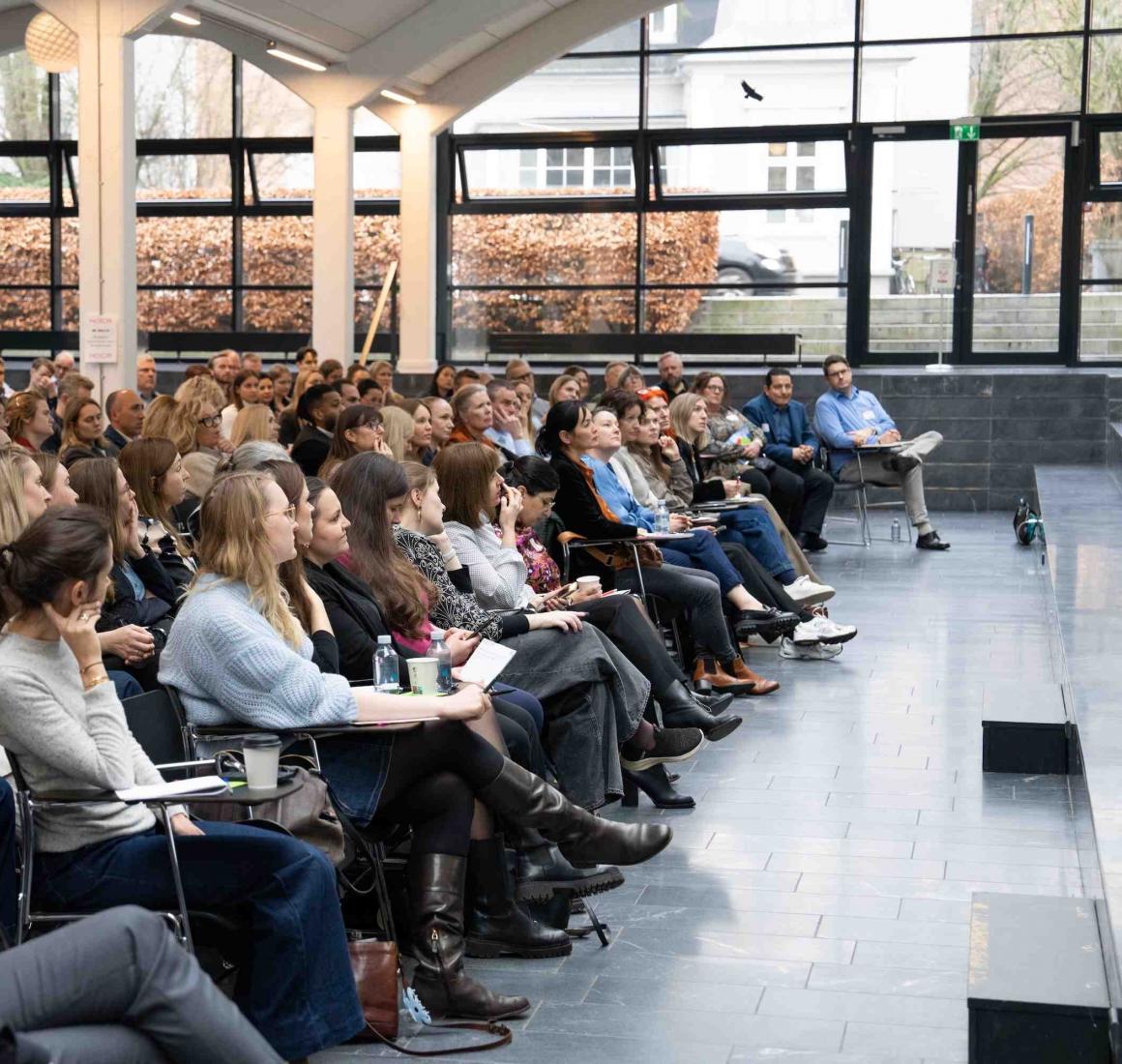
Give Back, Grow Forward: Shaping the Next Generation of Leaders as an Alum

Green Business Leadership with the Copenhagen Business School
Discover more.
Explore other programmes and courses

Executive Certificates
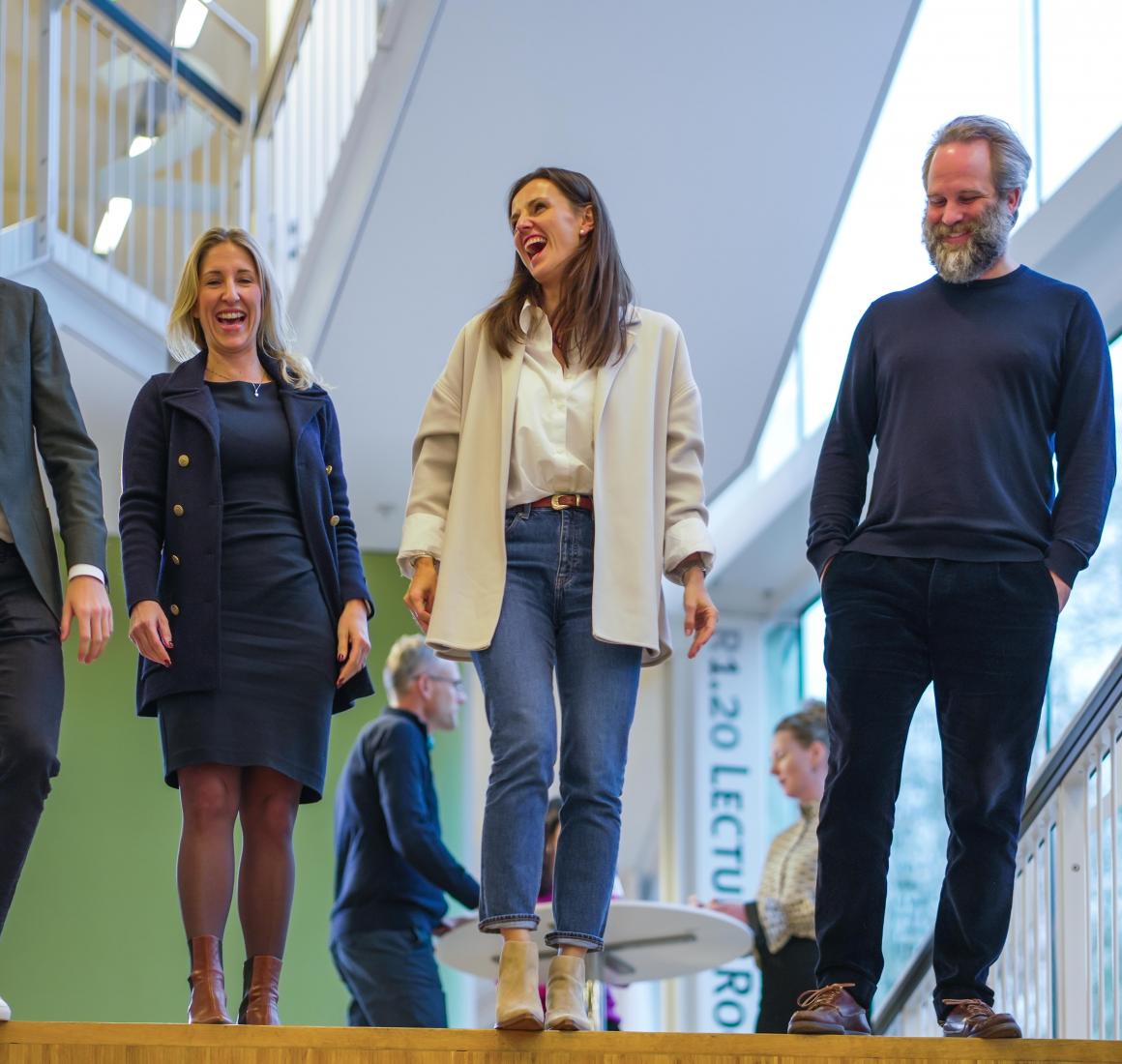
Executive MBA
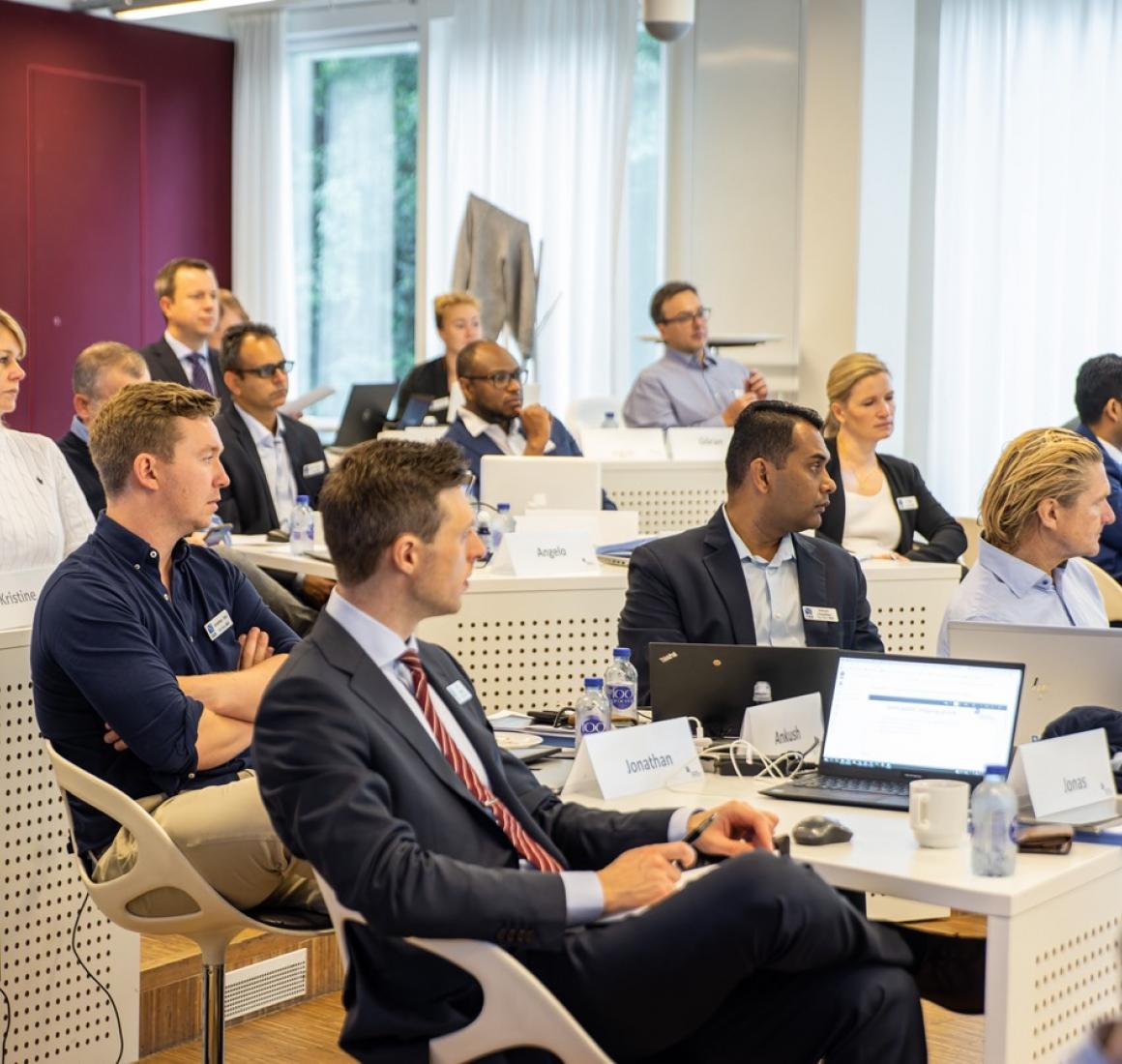
Executive MBA in Shipping and Logistics