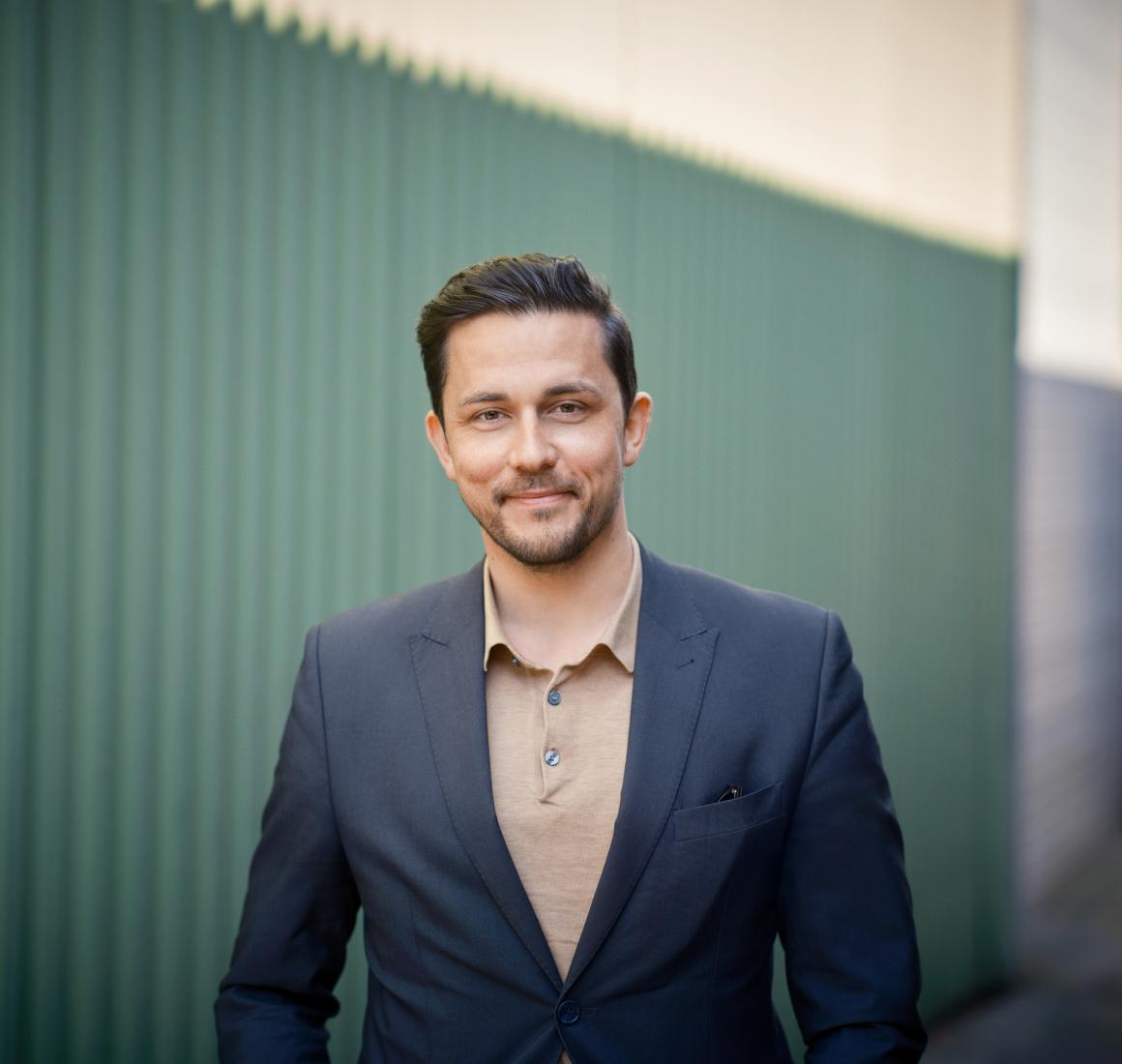
Trends in the sustainability space in 2025
When Andreas Rasche, Associate Dean for CBS’ Full‑time MBA and Professor of Business in Society, led his 23 April webinar, he painted a nuanced portrait of the global sustainability space. Marked by possibilities, pitfalls and contradictions, he guided the audience through a compelling exploration of sustainability in 2025.
“CEOs attach less importance to sustainability these days.” Andreas Rasche, Associate Dean & Professor
Sustainability schizophrenia
There’s no sugarcoating it. If you ask Rasche, today’s sustainability climate can best be described as "schizophrenic”.
On the one hand, we’re making progress. The European Green Deal and the Clean Industrial Deal indicate strong regulatory and financial commitments to sustainability at a global level.
On the other, global conflicts, such as the war in Ukraine and the rise of protectionist policies, are constantly throwing wrenches into the works. The revival of fossil fuels under the banner of energy security, an intensified culture war in the US, trade wars between superpowers vying for hegemonic power, and backtracking on sustainability targets from major corporations like Unilever and Coke all represent significant challenges to sustainability.
As Rasche puts it, “CEOs attach less importance to sustainability these days.” He doesn’t attribute this to denial but to distraction: AI, geopolitics, and inflation have crowded sustainability out of the of the boardroom.
A potential solution to this could be better corporate governance and regulation.
The power of regulation
When Ursula von der Leyen announced the European Green Deal in 2019, it was a sort of “man on the moon” moment for Europe, symbolising a significant step in the right direction towards sustainability. While the deal itself wasn’t legislative, it established an umbrella of different legislative initiatives, with the overall goal of transforming Europe into a climate-neutral continent by 2050. A lofty and ambitious goal, one that requires equally ambitious regulations. Rasche specifically highlights three landmark policies that lie under the umbrella of the European Green Deal.
First, the EU Taxonomy Regulation, which is pushing companies to classify their revenues and investments according to environmental impact, creating a common language and definition of what economic activities can be considered environmentally sustainable.
Second, the Corporate Sustainability Reporting Directive, which introduced a more rigorous and standardised framework for ESG disclosures. Essentially, companies above a certain size must disclose information on the risks and opportunities they see arising from social and environmental issues, as well as the impact of their activities on people and the environment. In this way, various stakeholders can more easily evaluate companies’ sustainability performance.
Third, the Corporate Sustainability Due Diligence Directive, which mandates deeper oversight of supply chains. Companies must do their due diligence not only within their own operations, but all operations across their entire supply chain.
“Regulation is not the ultimate answer.” Andreas Rasche, Associate Dean & Professor
Greenwashing on the decline
Another important by-product of Europe’s various regulatory activities is the significant decline in greenwashing incidents. Rasche points out that directives such as Empowering Consumers for the Green Transition and the Green Claims Directive are banning vague environmental claims and unverified eco-labels. Based on 2024 data, Europe has seen a nearly 20% drop in greenwashing incidents, something Rasche credits to regulatory action.
Smart regulation can change corporate behaviour, but Rasche is careful not to paint it as a silver bullet: “because there are also cons. Regulation is not the ultimate answer.”
AI and sustainability
While regulation is an obvious tool for promoting sustainability, the role of artificial intelligence in addressing climate change is less immediately clear. However, citing an example of precision fertilisation, where AI technologies help reduce excessive nitrogen and phosphorus use, Rasche highlights a positive intersection between sustainability and artificial intelligence.
For him, this convergence is not optional, but essential. Focusing on AI doesn’t mean that sustainability must take a backseat in the boardroom or senior management discussions: “AI and sustainability agendas cannot be thought apart.”
“It’s not easy being green.” Andreas Rasche, Associate Dean & Professor
Leading in uncertainty
Ultimately, navigating today’s sustainability landscape requires more than optimism. It calls for systems thinking, cross-disciplinary insight, and a willingness to engage with ambiguity.
Whether it’s creating effective legislation or integrating AI-driven environmental solutions, the global world we live in is not going to become any less complex. Today’ s, and tomorrow’s, business leaders will need to engage not just with ideas, but with uncertainty.
As Rasche rightly points out, “it’s not easy being green.”
Read more MBA Stories

From PwC to Sustainability Consulting: How an MBA Helped Pivot My Career

Full-Time MBA From Copenhagen Business School Drives World-Class Sustainable Thinking

U.S. Grad Unlocks Sustainability Career With MBA From Copenhagen Business School

9 Key Sustainability MBA Skills for Socially Responsible Leaders
Discover more.
Explore other programmes and courses

Executive Certificates
Executive MBA
Executive MBA in Shipping and Logistics