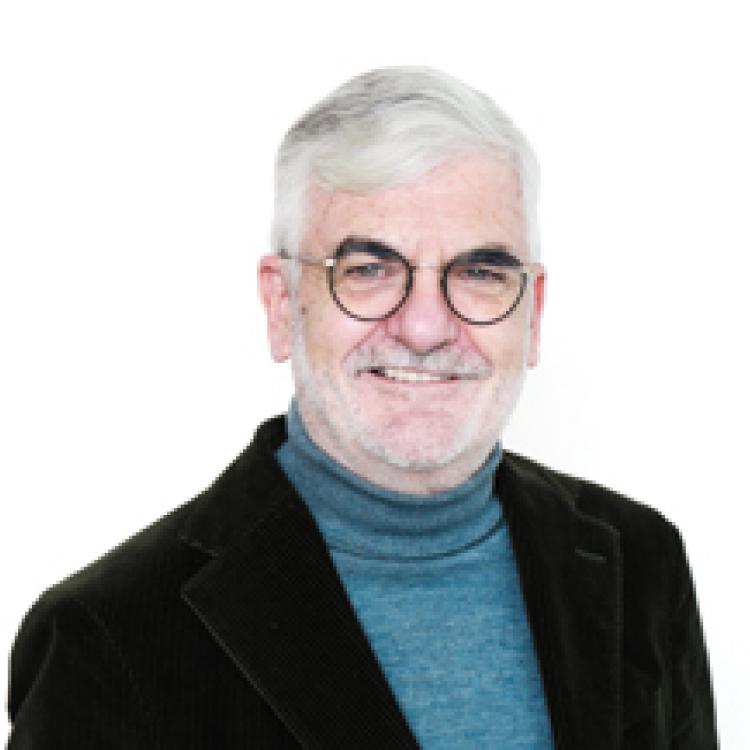
Mitchell Dean

Professor

Subjects
Politics Security Sociology Philosophy Public sector Society

Primary research areas

Con­cepts of Power
The study of the vari­ous con­cepts of, and prac­tices en­tailed in, power, state, sov­er­eignty, gov­ernance, and gov­ern­ment, and their his­tor­ic­al re­la­tion­ships in na­tion­al and in­ter­na­tion­al con­texts. De­vel­op­ment of the 'sig­na­ture of power' frame­work that links the jur­idic­al-polit­ic­al pole of sov­er­eignty with the eco­nom­ic-ma­na­geri­al one of gov­ern­ment. Ap­plic­a­tion to fields such as in­ter­na­tion­al re­la­tions and study of or­gan­iz­a­tion.
Polit­ic­al and His­tor­ic­al So­ci­ology
The study of polit­ic­al form­a­tions such as lib­er­al­ism, demo­cracy, au­thor­it­ari­an­ism and pop­u­lism in dif­fer­ent na­tion­al and in­ter­na­tion­al so­cial and his­tor­ic­al con­texts. Par­tic­u­lar in­terests in­clude au­thor­it­ari­an gov­ern­ment­al­ity both in­side and out­side of lib­er­al demo­cracy, how we un­der­stand the cur­rent pop­u­list mo­ment, and the de­vel­op­ment of the gen­er­al field of in­ter­na­tion­al polit­ic­al so­ci­ology.
Eco­nom­ic and Polit­ic­al Theo­logy
The study of the re­li­gious and theo­lo­gic­al lin­eages of the rituals, litur­gies, sym­bols and dis­courses of mod­ern and con­tem­por­ary so­cial, polit­ic­al and eco­nom­ic prac­tices. En­gage­ment with polit­ic­al and eco­nom­ic theo­logy as ways of un­der­stand­ing cur­rent forms of polit­ic­al as­sembly, polit­ic­al and non-polit­ic­al ac­clam­a­tion, oath-tak­ing, and pub­lic con­fes­sion and the his­tory of eco­nom­ic forms such as the cor­por­a­tion, debt and eco­nom­ic man­age­ment.

Un­lock­ing the mys­ter­ies of power and the polit­ic­al in un­cer­tain times

I was the Head of Department at CBS for seven years (2019-2025) and founded the Department of Business Humanities and Law from January 1, 2023. I returned to my professorship in 2026 to continue to pursue an active research program in political sociology and social theory.

My research helps us understand the forms of thought and practice that constitute modern political and economic life. I have published widely in leading international journals. I am currently developing my signature of power framework (see The Signature of Power, Sage 2013) for the study of international relations and the study of organization. I have authored or co-authored nine books and edited two others, including Governmentality: Power and Rule in Modern Society (Sage 1999/2010), cited in the first edition of Michel Foucault’s lectures on the topic and the Oxford English Dictionary. I have also co-edited the first national collection of studies of governmentality with Barry Hindess (Governing Australia, Cambridge University Press, 1998). Published in five languages, my books have been widely reviewed and highly cited. My latest authored book, The Last Man Takes LSD: Foucault and the End of Revolution (Verso 2021/2023, with Daniel Zamora) has been profiled or reviewed in The Los Angeles Times, The New Statesman, The Spectator, Libération, Il Manifesto (IT), Information (DK), Der Freitag (Germany), and elsewhere. Its societal impact has been to stimulate reflection on dominant critical perspectives. I have edited, with Stefan Schwarzkopf and Lotte List, Political Theology Today: 100 Years after Carl Schmitt (Bloomsbury, 2023). I am on editorial boards of journals such as Economy and Society and Theory, Culture and Society.

Recent research projects

The concept of power is ab­so­lutely cent­ral to the so­cial sci­ences now more than ever.

Vol­un­tar­i­ness: His­tory, The­ory, So­ci­ety

This is a multi-uni­ver­sity pro­ject fun­ded by the Ger­man Re­search Coun­cil centred at the Uni­ver­sity of Er­furt, work­ing with and across so­ci­olo­gists and his­tor­i­ans to study 'vol­un­tar­i­ness'. I was a Mer­cat­or Fel­low 2020-23.
Voluntariness

The search for a pos­it­ive gov­ern­ment­al­ity

While my re­search, like that of many oth­ers, has in many ways been pro­foundly in­flu­enced by the work of Michel Fou­cault, I have de­par­ted from un­crit­ic­al ren­der­ings of his work in con­tem­por­ary philo­sophy and the so­cial sci­ences. With my col­league, Daniel Zamora, I have tried to con­tex­tu­al­ise his work in 1970s-early1980s French polit­ics and so­ci­ety and to grasp the con­tin­ued im­pacts of his work today half a cen­tury later. Rather than pro­mote the idea of Fou­cault as a post­mod­ern sub­sti­tute for so­cial­ist polit­ic­al thought, I have fo­cused on epis­odes such as his re­la­tion to neo­lib­er­al­ism, his ill-fated in­ter­ven­tion into the Ir­a­ni­an Re­volu­tion, and his search for a 'left gov­ern­ment­al­ity' out­side the frame­work of the class re­la­tions, parties and the state, in­stead loc­ated in in­di­vidu­al­ised mor­al­ity. This is linked to the broad­er ques­tion: Is it pos­sible today to speak of a gov­ern­ment­al­ity bey­ond lib­er­al and neo­lib­er­al ra­tion­al­it­ies? What would it look like?
https://www.versobooks.com/en-gb/products/2729-the-last-man-takes-lsd?srsltid=AfmBOooIkW9i7xJdRT51M8IS5VeWeYt0XFWowoNSlrcsV-toQ2rG99CD