Centre for Organization and Time (COT)
The Centre for Organization and Time (COT) explores how organizational actors experience and enact time — and how time, in turn, shapes organizations and society.

About (Panel content)
About us
At the Centre for Organization and Time (COT) at Copenhagen Business School we draw on perspectives from the social sciences, philosophy, and history to better understand how organizational actors enact their time and how these enactments shape them in return.
By developing more dynamic and expansive models of time, we aim to understand not only how organizations function but also how they contribute to shaping societies.
Our temporal focus applies to several areas of research and teaching, including organization studies, project studies, entrepreneurship, innovation, business history, strategy, management, and leadership.
The centre addresses questions such as:
- How do actors bring distant past horizons and long future horizons into decision-making?
- How does temporary organizing enable transformations of businesses and societies?
- How do differences in time horizons, pacing, speed, and acceleration shape interaction and impact?
- How do temporal standards and institutions favour or challenge actors and activities?
- How do actors connect pasts and futures through projects?
- How do novel organizational actors emerge and sustain themselves through changing temporal patterns across industries?

People (Panel content)
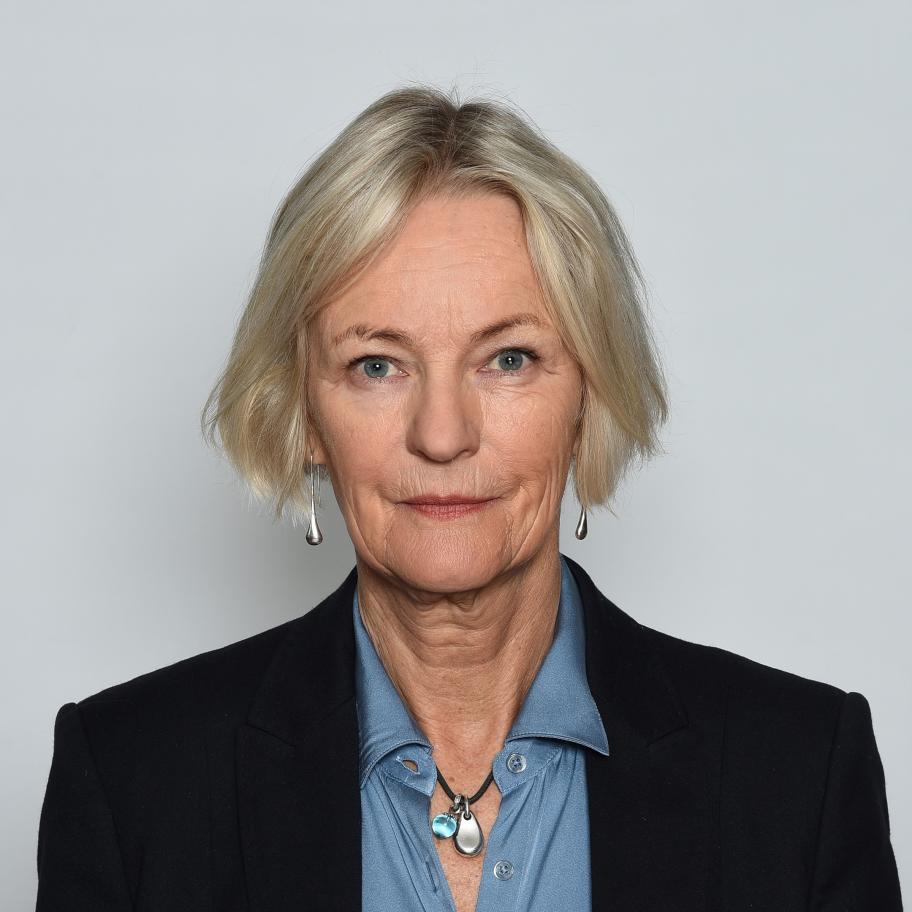
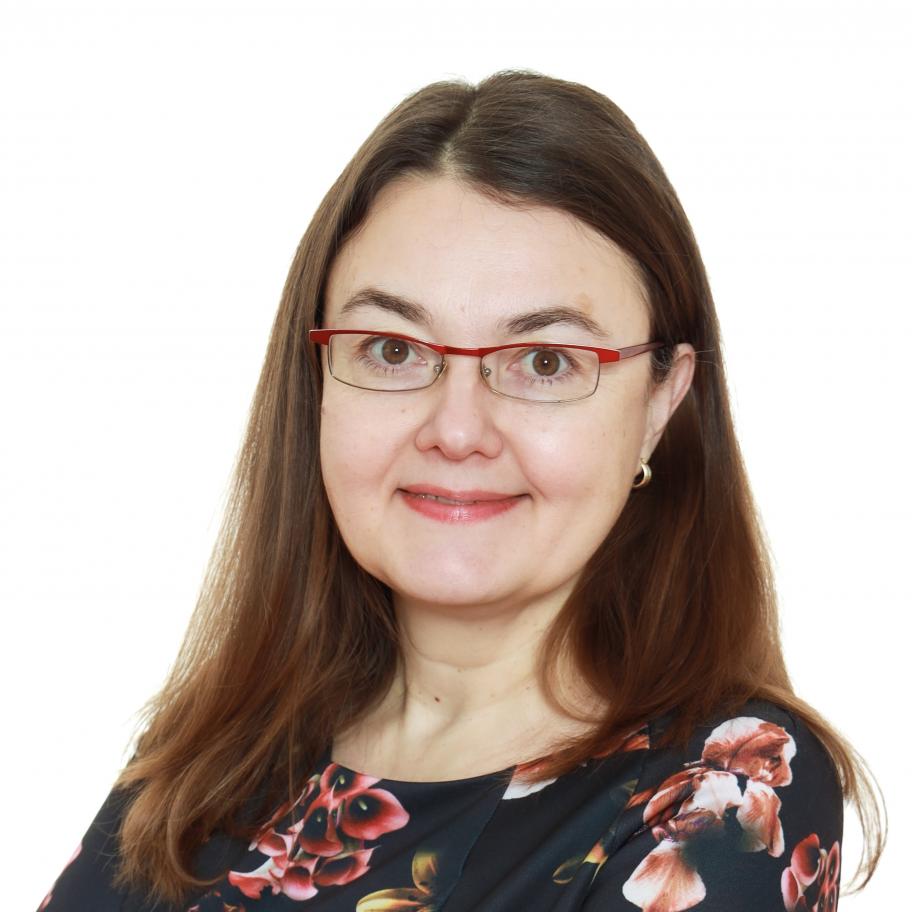
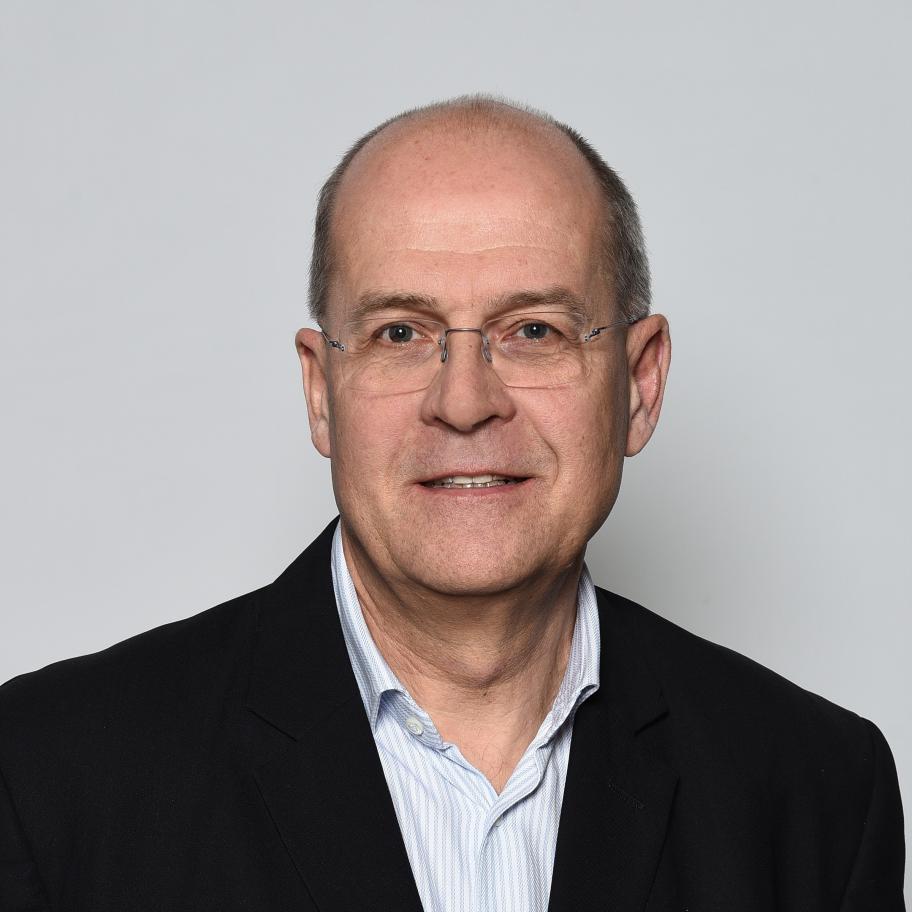
Staff at COT
Below you will find an alphabetical list of staff connected to the Centre for Organization and Time (COT).
You can read more on the individual profile pages.


Affiliates and Advisory Board
CBS affliates
Anne Reff Pedersen, Professor MSO
Christina Lubinski, Professor
Jane Bjørn Vedel, Associate Professor
Kathrine Solgaard Sørensen, PhD Fellow
Moritz Kleinaltenkamp, Postdoc
Affliates outside CBS
Anthony Hussenot, Professor at Université Côte d’Azur Nice.
Christina Luethy, Postdoc at Lund University.
Dan Wadhwani, Fletcher Jones Professor of Entrepreneurship at University of the Pacific and professor at Copenhagen Business School.
Haridimos Tsoukas, Professor at University of Cyprus and Warwick Business School, UK.
Henrik Koll, Associate Professor at University of Southern Denmark.
Iben Sandal Stjerne, Assistant Professor at Technical University of Denmark.
Joanna Karmowska, Senior Lecturer, Oxford Brookes University.
Mie Plotnikof, Associate Professor at Copenhagen Business School.
Roy Suddaby, Professor Winspear Chair of Organization Theory at University of Victoria, Canada.
Shaz Ansari, Professor of Strategy, Innovation and Organization at Judge Business School, University of Cambridge.
Simon Grondin, Professor at École de Psychologie at Université Laval (Québec, Canada).
Stine Grodal, Associate Professor at Northeastern University D'amore-McKim School.
Advisory board
Daniel Nyberg, Director PRME & Professor, University of Queensland Business School, Australia
Jennifer Howard-Grenville, Professor, University of Cambridge, UK
Juliane Reinecke, Professor, Kings College, UK
Raghu Garud, Professor, Smeal College of Business, Penn State University, US
Tima Bansal, Professor, Ivey Business School, Canada
Research (Panel content)
Research at COT
The Centre for Organization and Time (COT) explores how organizations experience and enact time — and how temporal perspectives shape their development and impact on society.
Our research spans organization studies, project studies, entrepreneurship, innovation, strategy, business history, and leadership.
Publications
2025 (Panel content)
Lantz, P. M. V., Feddersen, J., Just, S. N. 2025. Overtaken by Reality: The Temporal Interplay Between Rhetoric and Collective Action. Academy of Management Perspectives. 39, 1, p. 44-72
Hernes, T. (2025) Ecologies of Temporary Organizations. Project Management Journal. 56, 4, p. 445-450
Feuls, M., Hernes, T., Schultz, M. (2025). Putting Distant Futures Into Action: How Actors Sustain a Course of Action Toward Distant-future Goals Through Path Enactment. Academy of Management Journal. 68, 2, p. 297-325
Feddersen, J., Feuls, M., Xu, S. M., Hernes, T., Schultz, M. (2025). Temporary Organizing with Nature: How Companies Frame ´Nature´ Through Pilot Projects Scandinavian Journal of Management. 41, 2, 13 p., 101423.
Hernes, Tor., Blagoev, Blagoy., Knisch, Sven., Schultz, Majken. (2025) From Bouncing Back to Bouncing Forward: A Temporal Trajectory Model of Organizational Resilience. The Academy of Management review, 2025-01, Vol. 50 (1), p. 72-92
2024 (Panel content)
Feuls, Miriam. (2024) Noticing and acting differently: Engaging with a moving world through process research. Organization
Feuls, Miriam., Hernes, Tor., Schultz, Majken. (2024) Putting Distant Futures into Action: How Actors Sustain a Course of Action toward Distant-Future Goals through Path Enactment. Academy of Management Journal, 2024-08
Feddersen, Jonatahn,. Kroll, Henrik,. Geraldi, Joana. (2024) The Temporality of Project Success: Vindeby, the World’s First Offshore Wind Farm. Project management journal, 2024-04, Vol. 55(2), p. 167-186
Hernes, Tor., Feuls, Miriam. (2024) Organizing in the Folding of Time - Shaping Organizational Change Trajectories at Turning Points. Organization Studies; Vol. 45 (9) p. 1325-1348 (2024)
Wenzel, Matthias,. Geraldi, Joana, Sandal Stjerne, Iben. (2024) Strategic Practice Drift - How Open Strategy Infiltrates the Strategy Process. Journal of Management Studies; Vol 61 (3) (2024)
Geraldi, Joana., Locatelli, Giorgio., Dei, Giacomo., Söderlund, Jonas., Clegg, Stewart (2024) AI for Management and Organization Research: Examples and Reflections from Project Studies. Project management journal, 2024-08, Vol. 55 (4), p. 339-351
Geraldi, Joana., Locatelli, Giorgio., Söderlund, Jonas. (2024) Stepping into the Future of Project Studies: Establishing the PMJ College for Early Career Researchers in Project Studies. Project management journal, 2024-06, Vol. 55 (3) p. 227-231
Lantz, Prins Marcus Valiant,. Feddersen, Jonathan,. Just, Sine N. (2024) Overtaken by Reality: The Temporal Interplay between Rhetoric and Collective Action. Academy of Managemet perspectives, 2024-06
Pemsel, Sofia., Söderlund, Jonas. (2024) Governance and Creativity in Project-Based Organizations: Archetypes and Agenda for Future Research. Project management journal, 2024-11
Pemsel, Sofia., Söderlund, Jonas. (2024) Knowledge Entrainment in Large-Scale Transformation Projects: The Evidence-Based Strategy and the Innovation-Based Strategy. Project management Journal, 2024-5, Vol. 55 (5), p. 487-506
Xu, Sunny Mosangzi,. Bogers, Marcel L. A. M. (2024) Imperfections-as-Practice: Projects as Becoming Processes of Imperfections. Project management journal, 2024-04, Vol. 55 (2), p. 151-166
Xu, Sunny Mosangzi,. Charlile, Paul R,. Renzl, Birgit,. Spee, Paul., Mahringer, Christian A., Pentlad, Brian T., Sele, Kathirn. (2024) Agency, Action, and Time: A Relational Approach to Routine Dynamics in a World in Flux. Routine Dynaimics: Organizing in a World in Flux, 2024, Vol. 88, p. 245-269
2023 (Panel content)
Blagoev, B., Hernes, T., Kunisch, S., & Schultz, M. (2023). Time as a Research Lens: A Conceptual Review and Research Agenda. Journal of Management, 01492063231215032.
Dille, T., Hernes, T., & Vaagaasar, A. L. (2023). Stuck in Temporal Translation? Challenges of discrepant temporal structures in interorganizational project collaboration. Organization Studies, 44(6), 867-888.
Feuls, M., & Hernes, T. (2023). Introduction: suggestions for a framework of organizational continuity and change. In A Research Agenda for Organisational Continuity and Change (pp. 1-21). Edward Elgar Publishing.
Feuls, M., Lüthy, C., & Svejenova, S. (2023). Material Temporal Work in Artistic Innovation: How Hilma af Klint Powered Time. In F.-X. de Vaujany, R. Holt, & A. Grandazzi (eds.), Organization as Time. Cambridge University Press.
Feddersen, J., Hernes, T., & Svejenova, S. (2023). Towards a Processual Understanding of Buildings: Temporality, Materiality, and Politics. In F. De Vaujany, R. Holt, & A. Grandazzi (Eds.), Organization as Time: Technology, Power and Politics (pp. 229-255). Cambridge: Cambridge University Press.
Hernes, T., & Feuls, M. (Eds.). (2023). A Research Agenda for Organisational Continuity and Change. Elgar Publishing
Maylor, H., Geraldi, J., Budzier, A., Turner, N., & Johnson, M. (2023). Mind the gap: towards performance measurement beyond a plan-execute logic. International Journal of Project Management, 41(4).
Schultz, M., & Hernes, T. (2023). Integrating the missing link of episodic continuity into change theorizing. In A Research Agenda for Organisational Continuity and Change (pp. 23-45). Edward Elgar Publishing.
Vaagaasar, A. L., Dille, T., & Hernes, T. (2023). 5. Temporality. In Research Handbook on Complex Project Organizing (pp. 46-54). Edward Elgar Publishing.

Actionable Futures: Making Distant Futures
Actionable
Explores how companies turn distant future climate goals into actionable strategies in collaboration with Ørsted, Arla, and Novo Nordisk.
Project members
- Professor Majken Schultz (PI & project responsible)
- Professor Tor Hernes (Project responsible)
- Assistant Professor Miriam Feuls (Novo Nordisk sub-project)
- Postdoc Sunny Mosangzi Xu (Arla sub-project)
- Postdoc Jonathan Feddersen (Ørsted sub-project)
Funded by: The Novo Nordisk Foundation
Project period: 2021–2025
Podcasts
- Listen to Majken Schultz talk about the project in the CBS Sustain Podcast
- Listen to Majken Schultz discuss the project in Danish in the Få det til at ske podcast (in Danish only)
Partner companies
- Arla Foods
- Novo Nordisk
- Ørsted
International research partners
- Professor Tima Bansal, Ivey Business School, Western University, Canada
- Professor Raghu Garud, Smeal College of Business, Penn State University, US
- Professor Daniel Nyberg, University of Newcastle, Australia
- Professor Juliane Reinecke, Saïd Business School, University of Oxford
- Professor Jennifer Howard-Grenville, University of Cambridge, UK
Project description
The industry has a critical role to play in creating a zero-carbon future, both by providing sustainable solutions and by solving problems within their own sectors.
Many companies are committing to long-term climate goals that include not only emissions, but also biodiversity and waste. Yet the pathways to reach these goals remain uncertain. Companies face the dilemma of moving toward ambitious targets without knowing the exact steps to get there. Not acting is not an option.
The Actionable Futures project examines how companies make distant futures actionable. It studies Danish companies that are among the early movers in the green transition — Ørsted in energy, Arla in food, and Novo Nordisk in life science.
Each case focuses on ongoing projects with the potential to achieve long-term climate goals, such as:
- offshore windfarms creating nature-based solutions for biodiversity
- regenerative farming in dairy production
- circular solutions for recycling medical plastic waste
Follow the project
The project will regularly host open seminars relevant to the research themes and participate in international conferences such as EGOS and the Academy of Management.
To join, sign up by emailing kts.ioa@cbs.dk to receive invitations and project news. For further updates, please follow us on LinkedIn.
Sub-projects
Novo Nordisk
Novo Nordisk, a global life science company specializing in the treatment of diabetes and other serious chronic diseases, has committed to achieving net zero emissions by 2045.
Confronted with the climate crisis that intersects with biodiversity loss and, in particular, the plastics crisis, Novo Nordisk has developed a Circular for Zero strategy. This encompasses several initiatives to implement a circular economy approach in its products, company, and supply chain.
The sub-project follows the corporate environmental strategy team and two initiatives to develop circular solutions to the plastic dilemma: recycling solutions and design solutions. It explores how the circular approach is translated and integrated into different organizational units and how innovative activities are developed through multi-actor collaboration on a global scale.
Ørsted
Ørsted, a Danish energy company, has set the goal of becoming biodiversity net positive in offshore wind farms by 2030.
The research has two main strands. The first investigates how Ørsted conceptually defines biodiversity net positive and develops a framework for measurement. The second examines pilot projects aimed at biodiversity enhancement, including constructing artificial reefs, growing corals on foundations, and building nesting structures for endangered birds.
The sub-project combines participant observation in meetings and events, interviews, and archival data. A retrospective study also explores Ørsted’s remarkable transformation from “black” to “green,” asking how the company managed to move faster than the broader energy system.
Arla
Arla, the Danish multinational dairy cooperative, has set a climate target to reduce greenhouse gas emissions by 30% by 2030 and achieve net zero by 2050.
Acknowledging the responsibility of dairy farming for the climate crisis, Arla sees the opportunity to become part of the solution. One challenge is to develop solutions that fit all its farmer-owners across diverse production regions.
In the Regenerative Farming Pilot Network, 24 farmers across four regions (both organic and conventional) test regenerative principles in their dairy production systems. This farmer-led project explores how each pilot farm can apply regenerative practices and provide insights for wider adoption among Arla’s farmer-owners.
The sub-project investigates how regenerative principles can help Arla move toward its ambitious climate targets, while also addressing biodiversity and ecosystem challenges.