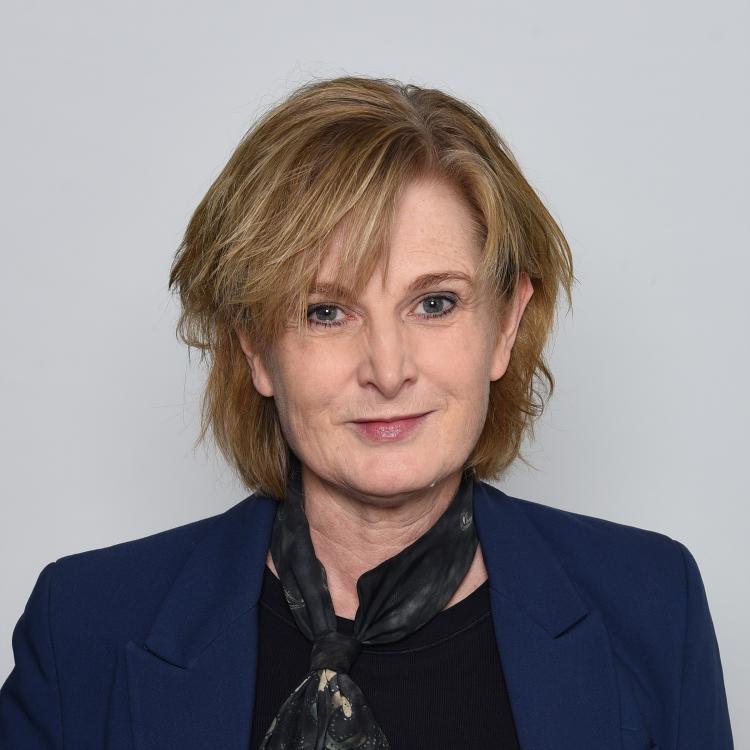
Pia Bramming
Head of Department
Primary research areas
Self-leading organising
Visual methods
Self-management and freedom
Rethinking work for sustainable performance
I am interested in how work in organisations actually unfolds in practice – not as it is imagined in management models or policies, but as it is lived, negotiated, and made meaningful in everyday working life.
My research develops new concepts that make it possible to grasp the complexity, contradictions, and ambiguity that shape both working lives and organisational outcomes. Rather than simply reproducing dominant ideas of engagement, motivation, competence, performance, and “the good working life,” I introduce alternative concepts that are better attuned to the ambiguities and tensions of contemporary work. For example, I rethink motivation through a concept of passion that includes both dedication and strain, enthusiasm and vulnerability. This allows for a more realistic understanding of why people become deeply attached to their work – not only through positive emotions, but also through obligation, endurance, and ambivalence.
In modern organisations, autonomy and self-leadership are often celebrated as forms of freedom. My work shows that they also reshape responsibility, intensify demands, and create new forms of pressure. I explore how freedom, control, and performance are intertwined in everyday practices.
This is not only about improving employees’ well-being. It is equally about enabling organisations to perform, adapt, and remain sustainable over time. I argue that sustainable performance depends on how work is organised, experienced, and made manageable.