People and Organizing (PnO)
PnO explores how people shape and experience organisational life. The group produces research that bridges academic insight and real-world practice, focusing on everyday challenges, collaboration, and change in diverse organisational settings.
About PnO
PnO is a research group at Copenhagen Business School dedicated to understanding how people shape and experience organisational life. At PnO, we explore the human side of organisations.
Our mission is to produce original, practice-oriented research that speaks directly to today’s organisational challenges. By staying close to everyday challenges and experiences in organisations, we aim to create knowledge that not only deepens academic understanding but also has a meaningful societal impact and drives change.
Seeing Organisations Through a Human Lens
We believe that organisations come alive through people. Our research begins with the everyday experiences of those who work within them—how they think, feel, act, and interact in their professional lives.
Drawing on social psychology, organisational sociology, sociology, and organisational ethnography, we examine the subtle dynamics of organisational life.
We work closely with a wide spectrum of professionals, from leaders and managers to frontline practitioners. These include police officers, healthcare staff, HR professionals, IT experts, academics, welfare workers, and production managers. Through their stories and practices, we uncover the complex, often invisible ways that people shape—and are shaped by—their organisational worlds.
A Problem-First Approach
We don’t study the processes of organising in isolation—we start with the problems they face. Our research is driven by the dilemmas, tensions, and challenges that arise in different settings. These might be societal issues, workplace conflicts, or complex local problems.
By grounding our research in the everyday realities of organisational life, we ensure that it is not only academically rigorous but also directly relevant to those navigating complex organisational settings.
Our focus is on everyday encounters; how managers, employees, and citizens interact and collaborate in diverse and evolving contexts. We explore settings such as agile organisational models, public-private partnerships, leadership reform struggles and translations, digital and AI-driven transformation processes, innovation initiatives, frontline work, and workplace well-being programmes.
Processes of organising unfold in specific, lived settings—contexts where interactions, tensions, and negotiations take shape. We believe these are the spaces where the most important questions arise.
How We Think and Work
A rich and diverse set of theoretical concepts guides our research. We work with interpretive frameworks, work practices, scripts and narratives, sensemaking and meaning creation, emotional labour, institutions, communicative practices, micro-interaction processes, collaboration, and power relations.
We focus on practice-based analysis, zooming in on how individuals and groups engage with each other and their environments in processes of organising in and around organisations.
We use qualitative and interpretive methods that allow us to stay close to lived experiences. These include ethnographic fieldwork, in-depth interviews, shadowing, and observational studies. Our approach is grounded in phenomenological and social constructivist traditions, helping us to capture the subtle, often overlooked dimensions of organisational life.
Turning Research into Impact
At PnO, we don’t just study practice, we engage with it. Our proximity to everyday work life allows us to collaborate meaningfully with practitioners throughout the research process.
We share our findings in ways that are accessible and actionable: through public talks, policy briefs, technical reports, practitioner-oriented books, and podcasts. Alongside our practitioner engagement, we contribute to global academic conversations by publishing in leading journals.
All of these activities are anchored in our Impact Lab, a dedicated common space where research meets real-world influence in, for example, workshop activities, meetings with practitioners, and other dissemination events and books.
Educating Future Organisational Leaders
Education is central to our work. We help develop and lead academic programmes at Copenhagen Business School (CBS), including:
- HA Psyk
- Cand.merc. (Psyk)
- Human Resource Management (HRM)
- People and Business Development (PBD)
We also play a key role in executive education, supporting professionals through specialised master’s programmes such as:
- Master of Public Governance (MPG)
- Master of Management Development (MMD)
- Master of Business Development (MBD)

Contact
Our group is led by:
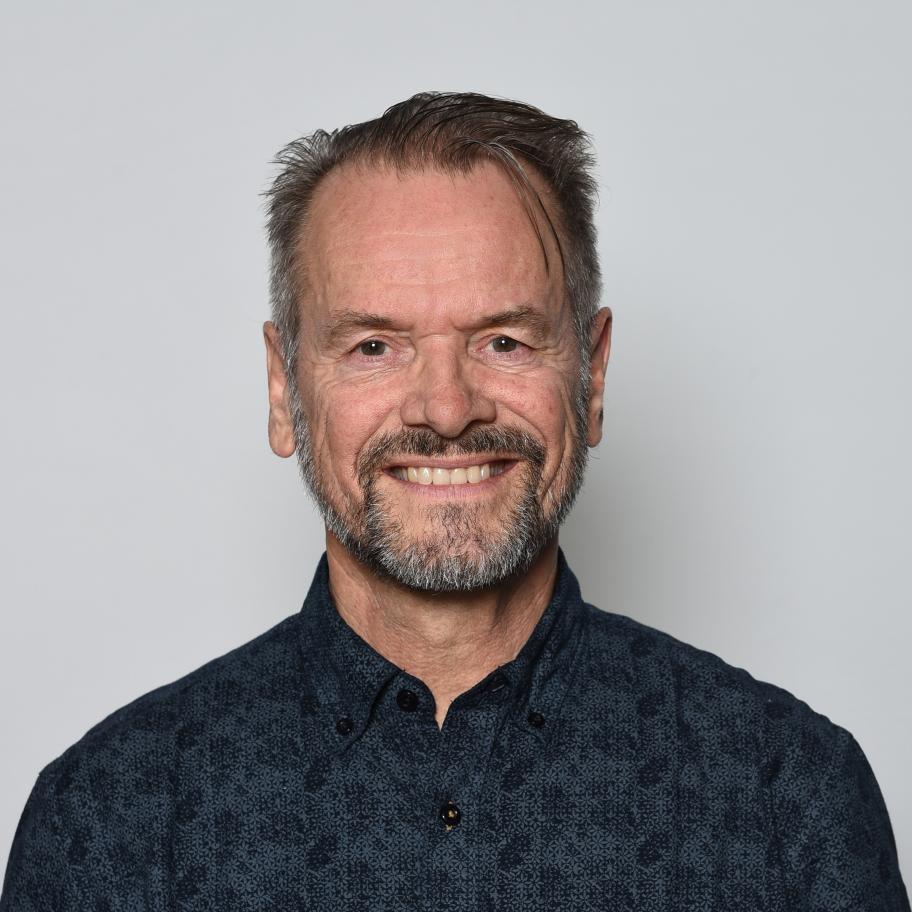
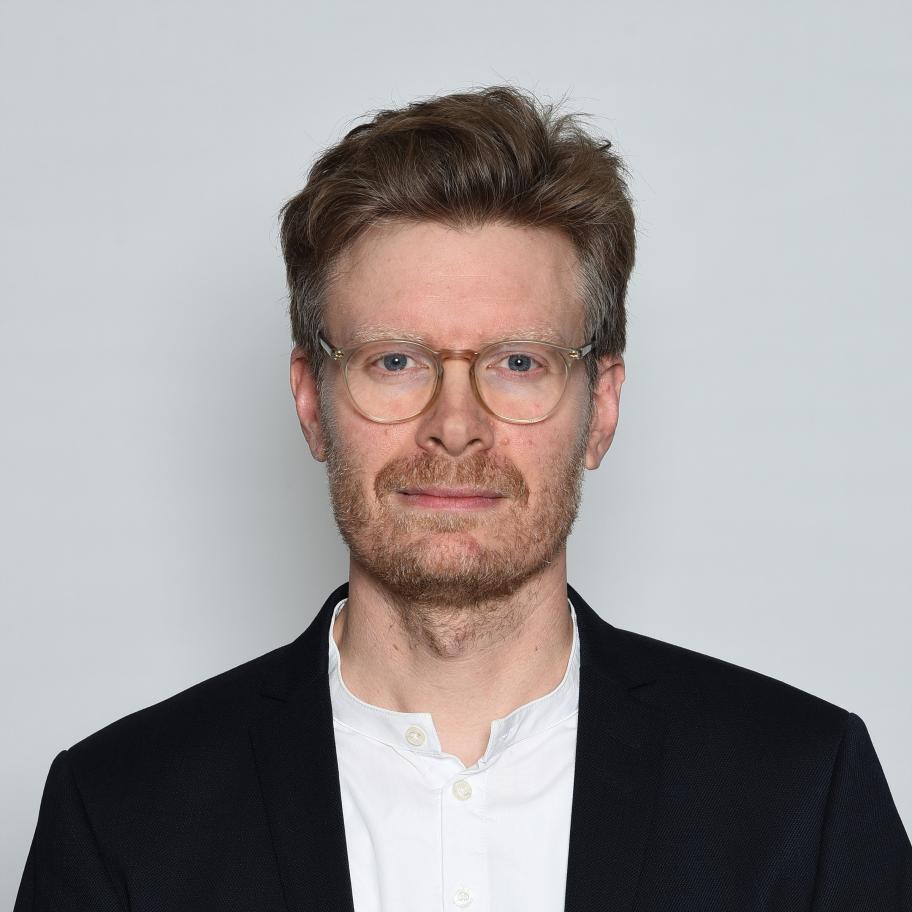
Associate professor, Frans Bevort
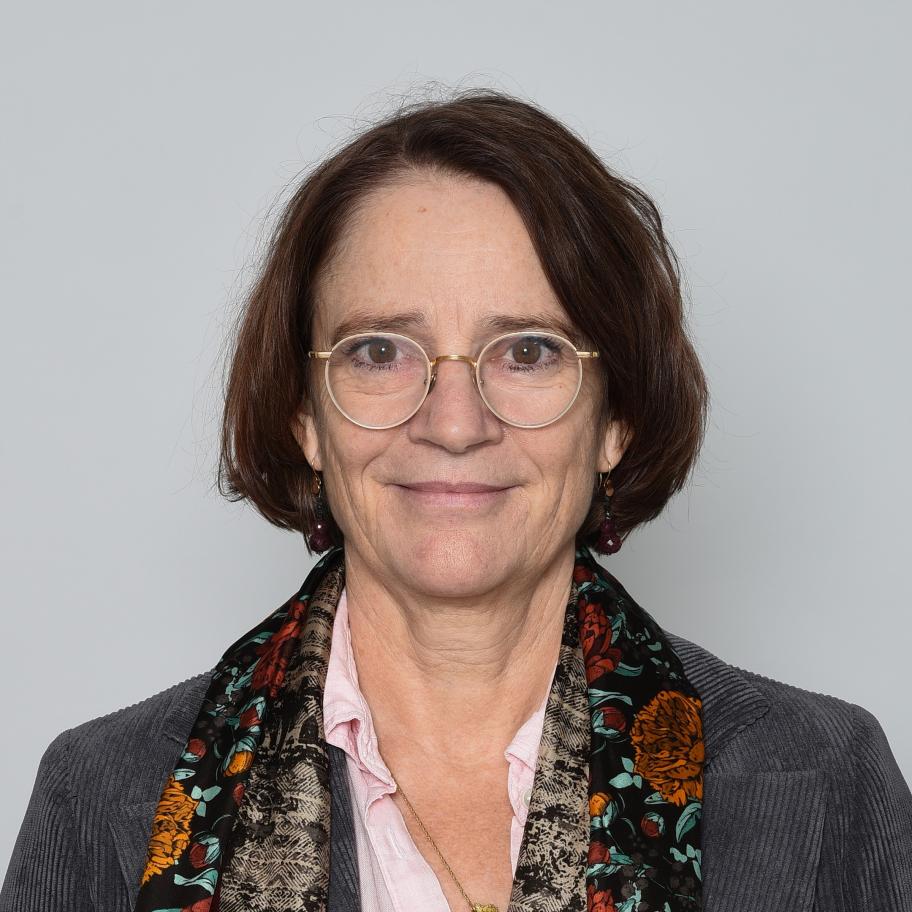
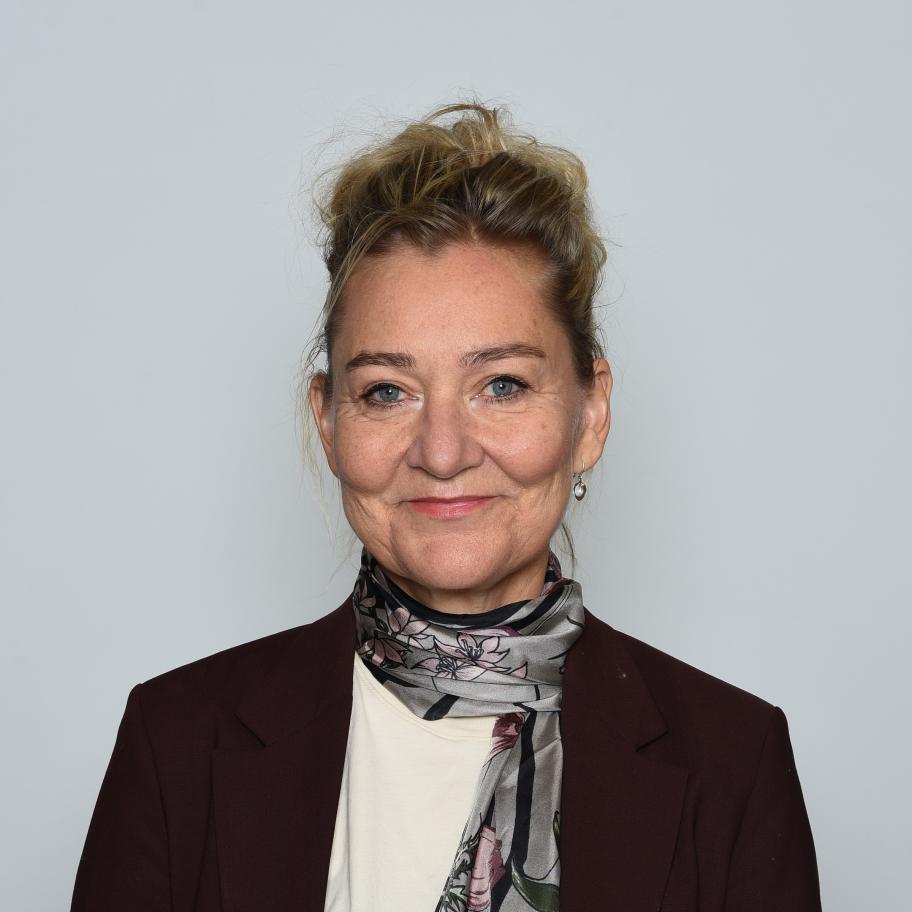
Associate professor, Elisabeth Naima Mikkelsen
Please contact us for any further information.
Projects
AnthroTax: Tax Evasion for Market Control – Predatory Economies in Practice
Project period: 2022–2025
Funder: Marie Skłodowska-Curie Actions
This project explores how tax evasion by large corporations restructures local economies and business relations in post-socialist Europe. Through ethnographic fieldwork in the Croatian agro-food sector, with a focus on small winemakers in the Istria region, the research investigates how formal and informal practices of debt resolution affect small family businesses.
The project analyses how such practices enable corporate control over markets and theorises the form of capitalism that is emerging in the region. By combining anthropology and business studies, the research offers new insights into the lived consequences of tax evasion and its role in shaping predatory economic orders.
Participants:
Social Anthropologist Dr Robin Smith
Host: Associate professor Karen Boll
AI in the Danish Civil Aviation and Railway Authority
Project period: 2023–2024
This pilot project examines how the Danish Civil Aviation and Railway Authority uses artificial intelligence in its inspection activities.
The project investigates both how AI is deployed in aviation and how the authority itself can inspect the use of AI. The aim is to develop practice-relevant recommendations for responsible AI implementation and oversight.
Participant:
Researcher: Karen Boll
Organising Collaboration Between Private Companies and Public Primary and Lower Secondary Education in Denmark
Project period: (Ongoing)
Funder: Innovation Fund Denmark
Partner organisations: Naturvidenskabernes Hus, Engineer the Future, Dansk Arbejdsgiverforening
Type: Public-private partnership (Industrial postdoc)
This project explores collaboration between private companies and the Danish public school system in STEM education. It investigates how private actors engage in public education and how such engagement shapes coordination, professional roles, and the conditions for collaboration.
The project is carried out as an industrial postdoc in partnership with Naturvidenskabernes Hus.
Participants:
Postdoc: Mathilde Hjerrild Carlsen
Senior Researcher: Anne Reff Pedersen
What Are We Missing? A Study of the Collective (and Contagious) Emotional Component of Work-Related Stress
Project period: 2021–2024
This project investigates work-related stress as an atmospheric and collective phenomenon. It explores how stress is felt by all but experienced individually, and how emotional atmospheres trigger both stress and coping.
Based on fieldwork in an international engineering project, the study aims to support collective interventions that address the emotional dimensions of workplace stress and improve employee well-being.
Participant:
PhD Fellow: Marie Arnbak-Hartzberg
Police Perceptions of and Responses to Victims of Intimate Partner Violence
Project period: 2023–2026
This project examines how Danish police officers perceive intimate partner violence (IPV) and its victims, and how these perceptions influence their responses.
It focuses on ideas about ‘real’ and ‘not real’ victims and explores challenges faced by officers handling IPV cases. Based on interviews with patrol officers and detectives, the project adopts a symbolic interactionist approach to studying the police as a welfare organisation providing both safety and care.
Participant:
Researcher: Linda Nørgaard Madsen
The Mundane in the Digital: A Qualitative Study of Social Work and Vulnerable Clients in a Digitalised Public Institution
Project period: 2020–2023
This study explores how everyday digital technologies shape social work practices and the experiences of vulnerable clients in public welfare institutions.
Based on interviews with social workers and clients at Danish job centres, the project investigates how digitalisation affects identity work and professional encounters when face-to-face interaction is replaced by digital mediation.
The research emphasises the importance of studying both the opportunities and consequences of digitalisation—including its most mundane aspects.
Participant:
PhD Fellow: Alexandrina Schmidt
People at PnO





Other people at PnO
Mathilde Hjerrild Carlsen, Postdoc
Charlotte Dadelborg Thomsen, PhD fellow

