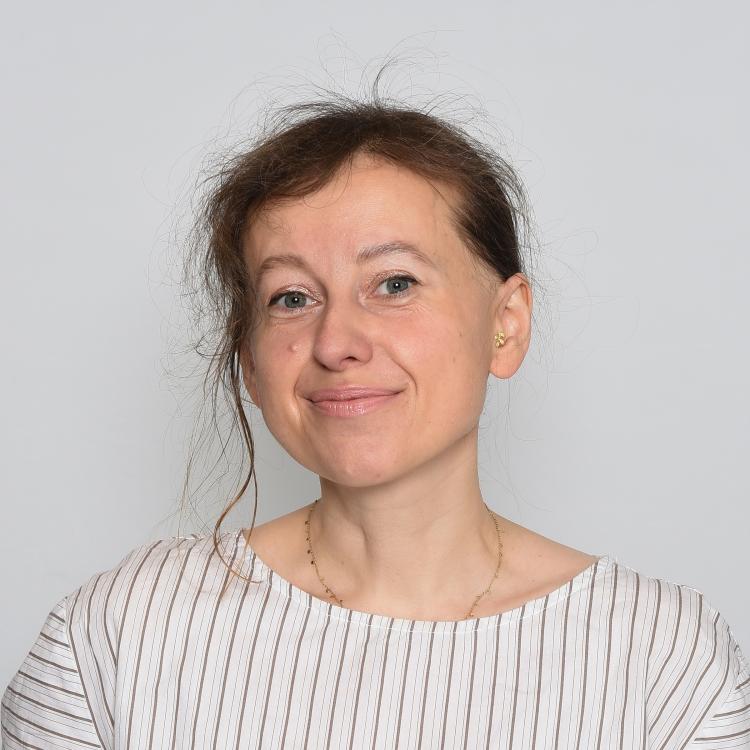
Al­bina Dioba

Postdoc

Subjects
Biodiversity Sustainability Green transition Energy Circular economy Quantitative methods

Primary research areas

Pro-en­vir­on­ment­al be­ha­vi­or change
My primary re­search ex­plores how in­sights from be­ha­vi­or­al eco­nom­ics can be ap­plied to pro­mote pro-en­vir­on­ment­al be­ha­vi­or change, con­trib­ut­ing to the broad­er ad­vance­ment of the Sus­tain­able De­vel­op­ment Goals.
Just En­ergy Trans­ition
Re­search­ing how en­ergy trans­itions can be in­clus­ive and so­cially just, with a spe­cial fo­cus on en­ergy com­munit­ies. Em­phas­is is placed on policies that en­gage di­verse stake­hold­ers, es­pe­cially wo­men, in co-cre­at­ing equit­able, demo­crat­ic, and sus­tain­able en­ergy sys­tems.
Biod­iversity and col­lect­ive pro-en­vir­on­ment­al ac­tion
Ex­plor­ing how com­munity-based ini­ti­at­ives like urb­an garden­ing en­hance loc­al biod­iversity and sustain­ability. Em­phas­is on in­clus­ive par­ti­cip­a­tion, es­pe­cially of youth, us­ing be­ha­vi­or­al sci­ence to design in­ter­ven­tions that pro­mote pro-en­vir­on­ment­al choices at in­di­vidu­al and com­munity levels.
Cir­cu­lar Eco­nomy
Ex­plor­ing cir­cu­lar san­it­a­tion sys­tems as drivers for sus­tain­able food sys­tems and cli­mate mit­ig­a­tion. Fo­cus on source-sep­ar­ated wastewa­ter re­use, nu­tri­ent re­cov­ery, and stake­hold­er en­gage­ment, to identi­fy bar­ri­ers and up­scal­ing strategies for sys­tem-wide ad­op­tion.

Be­ha­vi­or­al In­sights for Sustain­ability

My research explores how behavioral economic insights can advance socially just and inclusive transitions toward achieving the SDGs. I investigate the barriers and motivations behind pro-environmental behavior. 

I focus on stakeholder and citizen engagement in green transitions, with particular emphasis on energy communities, biodiversity, and circular economy practices to support community-driven change. My recent work contributes to EU-funded projects on sustainable food systems, wastewater reuse, and open innovation. 

Using a mixed-methods approach, combining empirical field experiments, surveys, and interviews, I aim to support decision-makers, civil society, and local communities in fostering equitable, participatory, and regenerative futures. 

I am also part of the CBS Permahaven team, a permaculture garden and learning space, where we translate research into hands-on sustainability education and peacebuilding practice.

August 2025

Human Excreta Recycling in Sweden

A PESTEL-SWOT Framework Analysis – Review

Go to publication

June 2025

Key Challenges and Opportunities for Expanding Source-Separating Sanitation System in EU

Go to publication

2025

D4.3 Stakeholder Engagement Strategies

Closing the Gap Between Fork and Farm for Circular Nutrient Flows

Go to publication

Recent research projects

P2Green

P2GreeN’s over­all ob­ject­ive is to foster a paradigm shift, from a lin­early or­gan­ised re­source and nu­tri­ent sys­tem with­in the agri-food sup­ply chain, to­wards a cir­cu­lar ma­ter­i­al flow sys­tem between urb­an and rur­al areas thereby restor­ing the coup­ling of the wa­ter-agri-food sys­tem us­ing a hol­ist­ic sym­bi­ot­ic re­source man­age­ment ap­proach fol­low­ing the 3R prin­ciple “Re­duce, Re­use, Re­cov­er”.
Project website

Vis­ion4Food

VIS­ION4FOOD is a Ho­ri­zon Europe pro­ject aim­ing to en­hance the sustain­ability and re­si­li­ence of European food sys­tems by de­vel­op­ing in­nov­at­ive gov­ernance mod­els that sup­port in­formed de­cision-mak­ing and en­cour­age so­cial en­gage­ment. Op­er­at­ing across five di­verse re­gions, Fin­land, Spain, Italy, Greece, and Po­land, the pro­ject will ad­apt to vary­ing levels of in­nov­a­tion eco­sys­tem ma­tur­ity to drive im­pact­ful change.
Project website

CBS Perma­haven

Perma­haven’ cre­ates a frame­work for know­ledge shar­ing about sustain­ability between CBS stu­dents and staff and the loc­al com­munity, in­spired by per­ma­cul­ture think­ing. Perma­haven also strengthens biod­iversity and the green cor­ridors in Fre­deriks­berg Mu­ni­cip­al­ity as well as in­creases well-be­ing among the above groups. Why: CBS Cam­pus has a great biod­iversity po­ten­tial if more cam­pus square meters are used for green pur­poses in line with FRB Mu­ni­cip­al­ity’s Biod­iversity Strategy. Perma­haven also con­trib­utes to open­ing up CBS cam­pus to the loc­al com­munity by en­abling vol­un­tary col­lab­or­a­tion between CBS act­ors and vari­ous loc­al groups such as chil­dren’s and eld­erly in­sti­tu­tions, eth­nic minor­it­ies and the un­em­ployed. CBS the­or­et­ic­al know­ledge about sustain­ability that can, through Perma­haven, be wider com­mu­nic­ated to loc­al com­munit­ies.
Project website