Department of Accounting
The Department of Accounting is the largest academic institution in Denmark, within accounting, auditing, management control and corporate governance, and one of the largest in Europe. Our ambition is to further increase our impact on the international research community.

About the department (Panel content)
Who we are
The department prioritises relevance and quality in our research
2 Centres
150+ Employees
95+ Courses
Insights and events


Our ambition
Our common ambition is to further increase our impact on the international research community.
The department prioritises relevance and quality in our research demonstrating a major influence on both society and on businesses within our research fields. This impact is achieved directly through research and cooperation with businesses and society and indirectly through our education portfolio.
At the department, we educate and train a great deal of PhD students as well as numerous bachelor and master students through courses at various programmes, and students of executive education. In addition, we organize workshops, research projects, research seminars, conferences, etc.
Research centres
The department hosts two centres: Centre for Corporate Goverance and Centre for Owner-Managed Businesses.
The two centres, combined with the rest of the faculty at the department, hold a broad and nuanced array of competences, talents and expertise within the numerous aspects of accounting, auditing and corporate governance and together we explore these topics from national as well as global perspectives. This is also reflected through our multinational staff as we increasingly attract skilled faculty from all over the world.
About us
History
The Department of Accounting was founded in 1932. It is the largest academic accounting institution in Denmark and amongst the largest in Europe covering financial accounting, management accounting and control, auditing, and corporate governance.
In 2018, the department merged with the Center for Corporate Governance and the Centre for Owner-Managed Businesses. With the addition of these two centres, the combined faculty holds a broad and diversified array of competences, talents, and expertise within numerous aspects of accounting, auditing, management control, and corporate governance. Together we explore these topics from national as well as global perspectives. This is also reflected in our broad range of international staff members, as we increasingly attract skilled faculty from all over the world. We will actively continue to search for academic talents, as it is fundamental for the development of the department.
Strategy
Recruitment of PhD students is vital for the Danish and International academic community so a lot of focus will be on that also in the future. In addition, we search actively in our programs for talent. We have increased the involvement of student assistants in our research projects and will do it even more in the future as we find it to be a good way to attract students for PhD positions. We attend European Accounting Association (EAA) job market fair every year to search for international talents at the Assistant Professor level. At CBS and the department, the strategic purposes and ambitions are aligned around a REEAD model that is explained under the headline: Research – Academic profile and strategy.
Centres within the department
Discover the research centres and projects at the Department of accounting
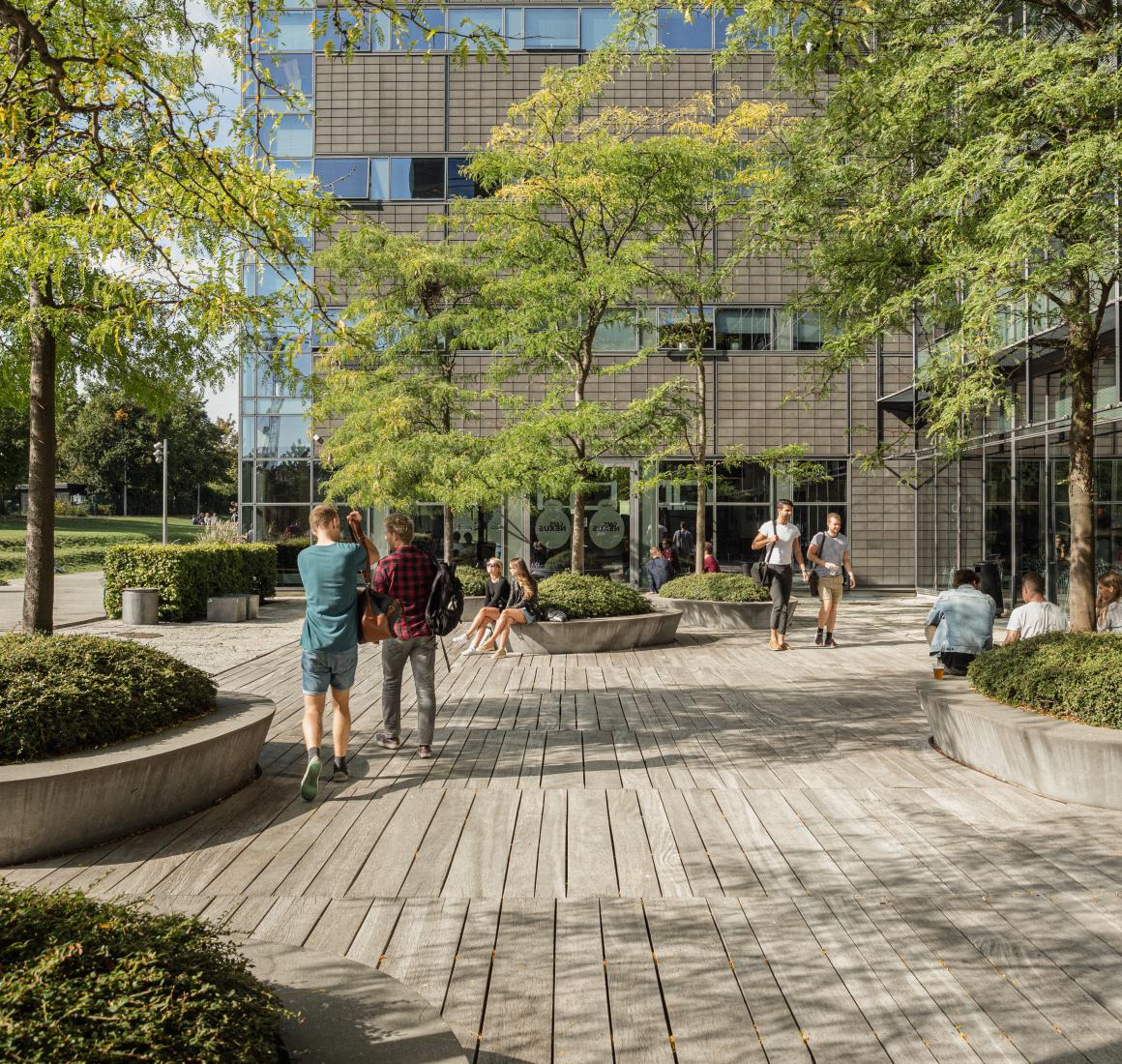
Center for Owner-Managed Businesses
The Center for Owner-Managed Businesses creates research-based knowledge and tools to develop leadership…
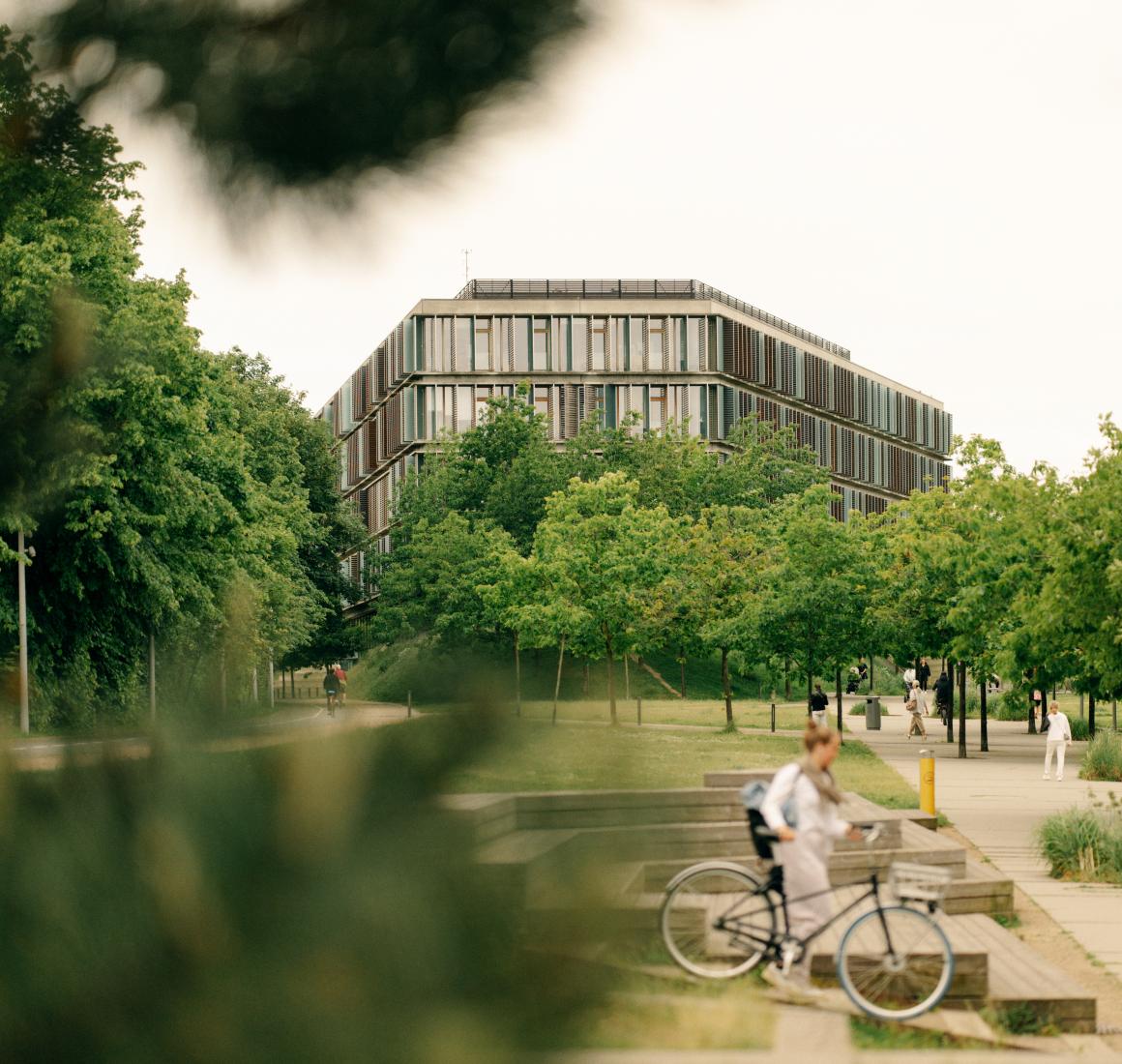
Center for Corporate Governance
The Center for Corporate Governance (CCG) is an international, interdisciplinary research…
COLLABORATION AND OUTREACH
Interested in being a PhD Fellow
Read more about doing a PhD at Department of Accounting
Go to Education
Research and publications (Panel content)
Our research
The department prioritises relevance and quality in our research demonstrating a major influence on both society and on businesses within our research fields. This impact is achieved directly through research and cooperation with businesses and society and indirectly through our education portfolio.
Our research is partly based on historical development and partly on the department's curriculum. The department's researchers collaborate on specific research projects through this interdisciplinary structure.
The department's research fields are:
Financial Accounting
Within financial accounting the department concerns itself with theories, models and methods related to financial statement reporting, financial statement users and financial markets' applications of accounting information, national and international accounting regulation as well as accounting policies. The department's research in financial accounting is primarily focused on theoretical development of new reporting forms, share market-based accounting research, analytical descriptive study of Danish accounting policies - mainly accounting policies of listed companies as well as Danish and international financial regulations
Management Accounting
The research in management accounting deals with analysis, development, deployment and use of economic detection and control systems in various companies and organisations. The research partly aims towards more recent management accounting methods and systems such as Balanced Scorecard, Activity Based Management, Target Costing and Lean Accounting. It also aims in part towards more traditional issues in areas such as the establishment and application of transfer pricing, use of budget management and calculation models for various decision-making, planning and monitoring purposes.
The department also has a tradition of working with measurement problems that exist in connection with the registration and use of financial and non- financial ratios, and the specific issues and challenges associated with the use of IT-based management information systems.
Auditing
The research includes both auditing in the private and public sector and is focused on four main areas.
The first: research on national and international regulation of auditing and auditors, in which the department has a long research tradition.
The second: the auditing role in corporate governance and risk management, to which the department has contributed research both on the external, internal and public auditing role.
The third: research and development of private and public auditors' training and skills, where the department's research has both a national and international perspective.
The fourth: comprises broad-based empirical research in the private and public auditing organisation, leadership and execution.
Publications
See all publicationsDecember 2025
Reimagining the Foundation of Financial Reporting
A Rights-based Approach to Account for Environmental Externalities
Jan Friedrich
Tessa Kunkel, Associate Professor
1 December 2025
Bestyrelsesejerskab skaber stærkere engagement og ansvar i virksomhederne
Go to publication4 November 2025
Media Portrayals of Post-Rana Plaza CSR Initiatives for Worker Safety
Perspectives on Legitimacy From Bangladesh, the UK and the USA
Go to publication
Our research units
Externally funded projects
Accordion
text
Accordion
text
Accordion
text
Accordion
text
Accordion
text
Accordion
text
Accordion
text
Education (Panel content)
Our programmes
The Department of Accounting hosts and teaches a number of courses at the following programmes.
The department’s courses cover its academic disciplines:
Financial Accounting
Management Accounting
Auditing
Bachelor programmes
The Department of Accounting is responsible for teaching in various courses and electives under the following programmes
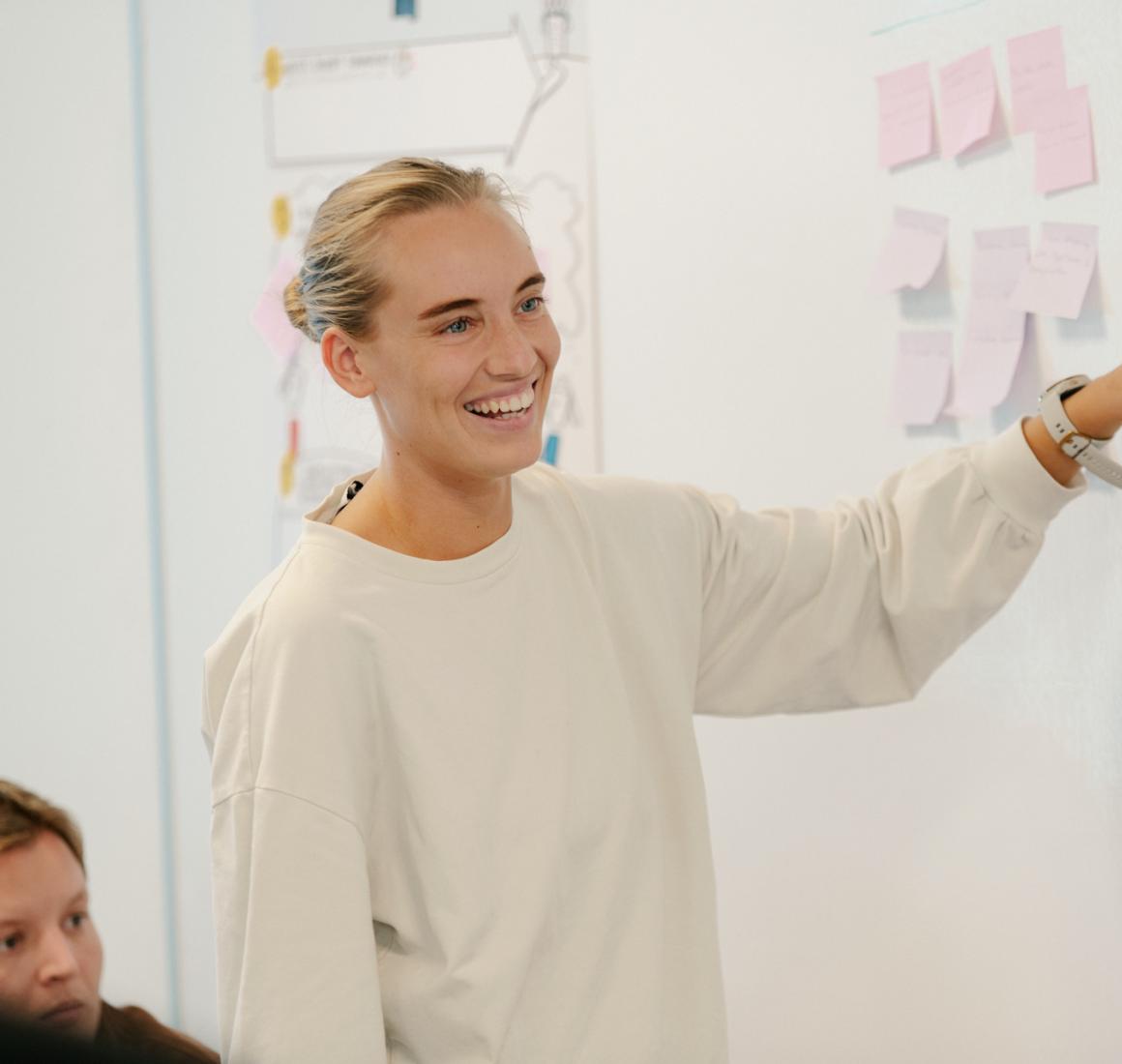
HA almen erhvervsøkonomi
HA er en bred erhvervsøkonomisk uddannelse, der lærer dig at forstå sammenhængene i…

BSc in Business Administration and Digital Management
BSc DM gives you an understanding of the possibilities as well as challenges that digitalisation…

BSc in Business Administration and Service Management
BSc SEM combines business economics and service sector studies and gives you an in-depth understanding of how…

HA(fil.) - erhvervsøkonomi og filosofi
HA(fil.) giver dig en forståelse af de udfordringer, virksomheder møder i vores komplekse…

HA(jur.) - erhvervsøkonomi og erhvervsjura
HA(jur.) handler om virksomheders muligheder og forpligtelser. Du lærer, hvordan virksom…

HA(mat.) - erhvervsøkonomi og matematik
På HA(mat.) arbejder du med virksomheders økonomiske problemer ud fra en matematisk til…

BSc in International Business
The BSc IB gives you a broad understanding of business economics and strategy in a global context. You learn how com…
BSc in International Business and Politics
The BSc IBP teaches you how economic and political forces shape a globalising world — and how companies adjust…

HA i markeds- og kulturanalyse
HA MAK lærer dig at forstå omskiftelighed i markeder og forbrugeradfærd. Du lærer at iden…

HA i projektledelse
HA PRO giver dig en bred forståelse for virksomheders arbejde med projekter. Du møder forskel…

BSc in International Shipping and Trade
The BSc Shipping provides you with an understanding of the context and strategies of the global shipping industry and…

BSc in Business Administration and Sociology
In the BSc SOC you learn how to make responsible business decisions by combining the economic and social per…
Master programmes
The Department of Accounting is responsible for 3 MSc programmes and for teaching in various courses and electives under the following programmes
Cand.merc.aud. – revision
På cand.merc.aud. lærer du om revision, regnskab, økonomi og jura. Du lærer at gennemgå og kontrolle…

MSc in Economics and Business Administration in Accounting, Strategy and Control
The MSc EBA ASC gives you the skills to measure, manage, and create value in organisations. You will learn to use manage…
Cand.merc. i finansiering og regnskab
På cand.merc. FIR får du et indgående kendskab til regnskab og finansiering, så du kan undersøge,…

MSc in Economics and Business Administration in Finance and Strategic Management
In MSc EBA FSM you will explore how financial tools, organisational design and strategic thinking come togeth…

MSc in Economics and Business Administration in General Management and Analytics
The MSc EBA GMA programme combines business economics, strategic management, and data-driven analytics…

MSc in Economics and Business Administration in Management of Innovation and Business Development
The MSc EBA MIB gives you the skills and knowledge to understand how organisations use innovation and busi…
MSc in Economics and Business Administration in Sales Management
MSc EBA SAM offers a blend of digital platform strategies, market analytics, and customer psychology to…

MSc in Economics and Finance - Applied Economics and Finance
MSc AEF gives you the tools to understand how businesses are affected by economic conditions, how to analyse fin…
Our other Executive Education
CBS Executive
Summer University
- Financial accounting - Bachelor
- Advanced Topics in Corporate Financial Reporting - Graduate
- Financial Statement Analysis - Graduate
Our PhD programmes
The PhD program is three-year program consisting of two years of research and half a year of course participation. For research fellows (hired by CBS) the remaining six months will typically be spent teaching CBS students. For industrial PhD fellows (employed by the company or other organization) the remaining six months will typically be spent working in the organization by which the fellow is employed.
CREATING THE KNOWLEDGE OF TOMORROW
Being a PhD student in ACC
WHAT TO LEARN HOW TO CRAFT KNOWLEDGE?
During your bachelor studies, you obtain knowledge. Through your master studies, you obtain more knowledge and learn how to apply knowledge.
As a PhD student at the Department of Accounting at Copenhagen Business School, you learn how to create knowledge.

Career path for our Ph.D's
The PhD programme trains students to carry out research, in part through work with their project and in part through participation in courses. These two elements are – together with a requirement of research communication – the core of the PhD programme. An approved thesis and a number of successfully completed courses are the formal conditions for awarding the PhD degree.
There are many different “routes” to a PhD. CBS offers several different ways of becoming a PhD student:
- research fellow
- 4+4 PhD student
- independent student
- industrial PhD fellow
- visiting PhD Student
Each of these options is described in 5 ways of becoming a PhD student
“ Evt. fra Anders Rom, Joachim, Kasper, Thorbjørn ” navn