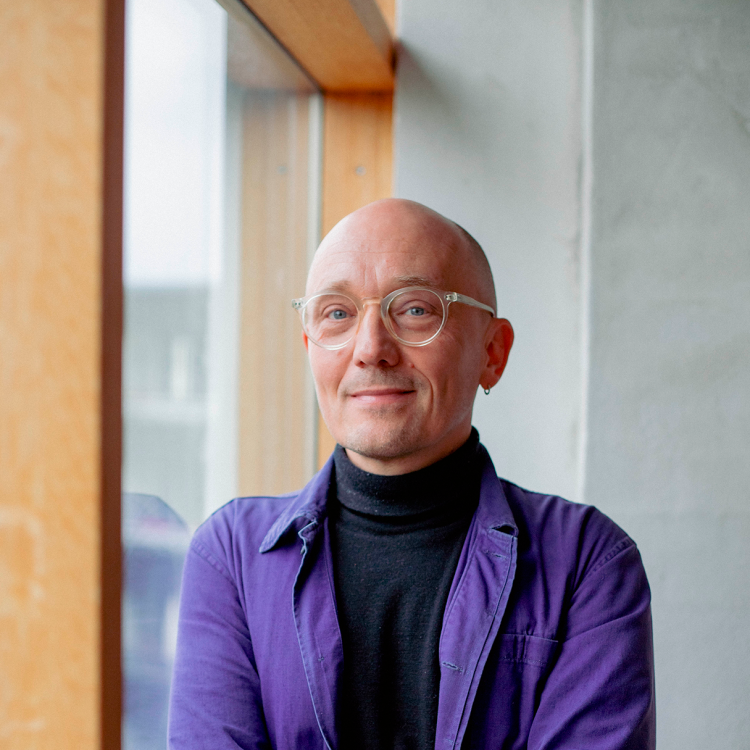
Mads Bødker

Associate Professor

Subjects
Design User experience Digitalisation Artificial intelligence Qualitative methods Media Future

Primary research areas

Di­git­al La­bour Or­gan­iz­ing
What are the so­cial and tech­nic­al im­plic­a­tions of data tools for la­bour or­gan­ising? Giv­en that al­gorithmic tech­no­lo­gies can now be har­nessed to cap­ture data about work at an un­pre­ced­en­ted scale and scope, what role will such tools or pro­ced­ures play in the fu­ture of or­gan­ising?
AI in cul­tur­al pro­duc­tion and the arts
What are the im­plic­a­tions of ar­ti­fi­cial in­tel­li­gence (AI) for cre­ativ­ity and cul­tur­al pro­duc­tion? Does it risk un­der­min­ing hu­man cre­ativ­ity, or will it in­stead serve as an aug­ment­at­ive tool that opens new ho­ri­zons of prac­tice and ex­pres­sion for artists and oth­er cre­at­ive work­ers?
Design meth­ods
Design of­fers a dis­tinct­ive mode of in­quiry and in­ter­ven­tion for ad­dress­ing com­plex and dy­nam­ic prob­lems. How might com­pan­ies and or­gan­isa­tions de­ploy design meth­ods in re­flect­ive, ana­lyt­ic­ally in­formed, and con­text-sens­it­ive ways that bal­ance cre­ativ­ity with rigour and ac­count­ab­il­ity? This en­tails it­er­at­ive and par­ti­cip­at­ory prac­tice, sys­tem­at­ic eval­u­ation of out­comes as well as a fo­cus on the eth­ic­al im­plic­a­tions of design choices.
Co-design
Scand­inavia and the Nor­d­ic coun­tries have a long-stand­ing tra­di­tion of stake­hold­er in­volve­ment in both gov­ernance and in­nov­a­tion. Can the eth­os of co­oper­a­tion and re­l­at­ively non-hier­arch­ic­al re­la­tions - par­tic­u­larly between em­ploy­ers and em­ploy­ees - be re­claimed and sus­tained in an era of per­vas­ive di­git­al­isa­tion? What in­sti­tu­tion­al and tech­no­lo­gic­al ar­range­ments would be re­quired to re­new this tra­di­tion, in­clud­ing a fo­cus on par­ti­cip­at­ory design meth­ods, al­gorithmic trans­par­ency, work­er data rights, and co-gov­ernance of di­git­al plat­forms?
Di­git­al­iz­a­tion of work
How is work trans­formed when it be­comes di­git­al, and when man­agers gain routine ac­cess to gran­u­lar data on tasks, per­form­ance, and be­ha­viour? What does ‘work’ look like un­der con­di­tions of ubi­quit­ous di­git­al­isa­tion and al­gorithmic over­sight?
Fu­tur­ing meth­ods/Spec­u­la­tion
Spec­u­la­tion per­meates con­tem­por­ary life - from sci­ence fic­tion and artist­ic prac­tice to fin­an­cial mar­kets and policy dis­course. How can spec­u­lat­ive modes be har­nessed as in­stru­ments for nav­ig­at­ing an oth­er­wise stifling un­cer­tainty of the fu­ture? In what ways can we en­gage cre­at­ively with mul­tiple fu­tures without de­fault­ing to the tele­olo­gic­al as­sump­tion that the fu­ture will simply re­prise the past in im­proved form?
Hu­man-Ro­bot in­ter­ac­tion
Hu­man–Ro­bot In­ter­ac­tion (HRI) con­cerns not only tech­nic­al per­form­ance but the so­cial tex­ture of en­coun­ters with ”in­tel­li­gent” ma­chines: trust, em­pathy, dig­nity, and the ne­go­ti­ation of roles and re­spons­ib­il­it­ies. As ro­bots and AI sys­tems enter pub­lic space, homes, work­places, or care set­tings, de­sign­ers must at­tend to em­bod­i­ment, ges­ture, voice, and tim­ing and the mi­cro-prag­mat­ics that make col­lab­or­a­tion feel in­tel­li­gible and re­spect­ful.
Hu­man-Com­puter In­ter­ac­tion (HCI)
Hu­man–Com­puter In­ter­ac­tion aims to craft in­ter­faces that are legible, us­able, and hu­mane, while pre­serving room for in­ven­tion in mod­al­it­ies and changes in the con­texts of use. Design should com­bine es­tab­lished us­ab­il­ity and ac­cess­ib­il­ity heur­ist­ics with ex­plor­at­ory pro­to­typ­ing that can in­clude sound, voice, ges­ture, haptics, aug­men­ted real­ity, and con­text-aware or am­bi­ent in­ter­faces.

Shap­ing crit­ic­al un­der­stand­ing of how di­git­al tech­no­lo­gies trans­form hu­man ex­per­i­ence, cul­ture, and work prac­tices. Ex­plor­ing in­ter­dis­cip­lin­ary and re­sponse-able meth­ods for en­vi­sion­ing and design­ing more hu­mane and mean­ing­ful di­git­al fu­tures

I hold a Masters Degree in Film/Media Studies and a Ph.D. In Human-Computer Interaction from the IT-University in Copenhagen. My research lies in the intersection of Information Systems (IS) and the humanities, with a specific focus on the felt and affective properties of Information Systems and Experiential Computing. My current work is mainly centered on digital labour organizing and attempting to reimagining the role of data in traditional (physical) work settings and labour organizing. This includes how to conceptualize, design and utlizie worker centric data, particularly focussing on how organizing processes can be aided by harnessing data as a resource for negotiations. Another major topic in my research is how to represent practices and users ’differently’ in AI and design research, particularly how performance-, arts- and design-oriented methods can aid in understanding how living with AI and ubiquitous IT has felt, embodied as well as cognitive, aesthetic and socio-cultural implications. This work suggests how more sensory acute and kinesthetically oriented field work and design experimentation can complement the IS discipline.  

My research contributes to the broad discussions around work in the digital age, specifically about how data is becoming an important battleground for labour relations. Using both more traditional forms of qualitative inquiry as well as post-qualitative ways of working, my work also contributes to the conceptualization of use and user in the context of emerging technologies that include AI and robots both in work settings, in cultural production, and in everyday life. 

Mads is Associate Editor at Journal of the Association of Information Systems (JAIS) and holds invited guest Associate Editorships with the Information Systems Journal (ISJ) as well as Personal and Ubiquitous Computing (PUC). He has been involved in co-chair positions at a number of ACM conferences and has been Associate Editorship work at major IS conferences.  

His work has included research and field work conducted at Cornell University as well as James Cook University in North Queensland, Australia. During 2016 he was visiting fellow at Southern Methodist University in Dallas TX, and during 2018 he was International Guest Professor in Tourism Design at the Catholic University Ingolstadt-Eichstätt in Germany. 


June 2025

Algorithmic Management Beyond Taylorism

A History of Technology and Organizational Control

Go to publication

18 December 2024

Human AI Conversational Systems

When Humans and Machines Start to Chat

Simone Borsci

Alan Chamberlain

Elena Nichele

Mads Bød­ker, Associate Professor

Tommaso Turchi

Go to publication

September 2024

Reforming Work Patterns or Negotiating Workloads?

Exploring Alternative Pathways for Digital Productivity Assistants through a Problematization Lens

Go to publication

Recent research projects

DFF Field Study Grant: En­cour­aging re­peat vis­it­a­tion by sup­port­ing vis­it­ors' re­la­tion­ships with tour­ist des­tin­a­tions us­ing di­git­al tech­no­lo­gies

This pro­ject ex­plores how tour­ists and des­tin­a­tions can use di­git­al tech to en­hance ex­per­i­ences and how new tech design can build stronger loy­alty.

In­no­Coast - In­nov­a­tion in Coastal Tour­ism: Co-cre­at­ing Com­pet­it­ive Ex­per­i­ences

Dan­ish coastal tour­ism faces long-term de­cline due to weak in­nov­a­tion and frag­men­ted act­ors. In­no­Coast drives firm growth through re­search-based ex­per­i­ence in­nov­a­tions in nature, cul­ture, and food.

Nor­d­ic-Balt­ic Tour­ism Re­search Stud­ies 2

The pro­ject con­nects the tour­ism com­pet­ences of four uni­ver­sit­ies in Es­to­nia, Fin­land, Sweden and Den­mark to share the in­form­a­tion and know­ledge on tour­ism re­search trends and stud­ies.

Outside activities

Design Think­ing work­shops, Nor­d­ic Health­care Group , 2023 - 2023

Meth­ods ori­ented and in­spir­a­tion­al work­shops on user in­volve­ment and ser­vice design meth­ods for health­care
https://nordichealthcaregroup.com/

PhD com­mit­tee, Aar­hus BSS , -

PhD com­mit­tee, South­ern Dan­ish Uni­ver­sity , -