
Lisbeth Clausen
Associate Professor
Om
Primary research areas
Advancing understanding of organizational behaviour, global team dynamics, and entrepreneurial pathways toward sustainability.
I see opportunities in how people, organizations, and societies can grow by learning across cultures. My research on Japan explores how communication, collaboration, and innovation connect individuals and companies in an increasingly globalized world. I look for ways that technology, sustainability, and human understanding can bring us together - across languages, cultures, and sectors - to create meaningful change.
In my work with Japanese and multinational companies, I study how organizations adapt to new forms of teamwork, leadership, and digital transformation while honoring local traditions of harmony and respect. I explore how diverse teams - when supported by inclusive communication - become sources of creativity and resilience. This research contributes to building organizations that are not only globally competitive but also socially responsible.
Entrepreneurship is another lens through which I study change. I focus especially on women entrepreneurs in Japan who are reimagining business with purpose and sustainability. Their stories reveal how innovation can grow from collaboration and how inclusive entrepreneurship contributes to both economic renewal and social transformation.
My current research connects these themes to the circular economy, where business, society, and the environment intersect. I am inspired by how companies and start-ups integrate circular thinking - reuse, resourcefulness, and regeneration - into their business models. I believe these efforts point toward a more sustainable and equitable future.
The impact I seek is to empower organizations and individuals to act with cultural intelligence, ethical awareness, and a global mindset. My ambition is to build bridges - between countries, between people, and between ideas - so that research not only explains the world but also helps to improve it.
Publications
See all publications2. oktober 2025
Emerald Podcast Series
Women Entrepreneurs in the Circular Economy
Lisbeth Clausen, Associate Professor
Francesca Lombardo
2025
Colombia, La Guajira
Milba’s Traditional Mochila Bags and Artisan Business
Lisbeth Clausen, Associate Professor
Doris Isabel Acuña Medina
Claudia Patricia Velez-Zapata
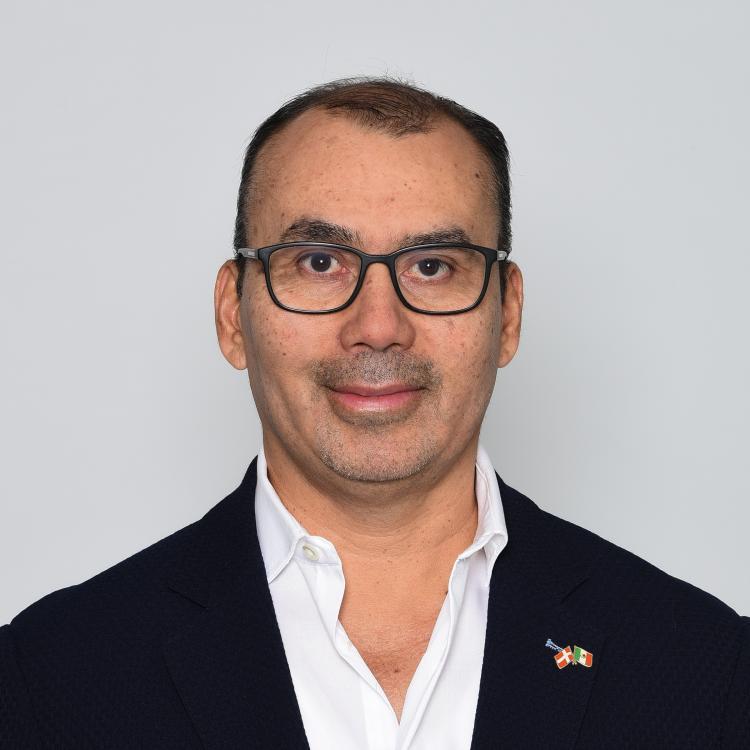
Jacobo Ramirez, Associate Professor
Recent research projects
Women Entrepreneurs in the Circular Economy: A Global Comparative Study (2022–2025)
The project is based on ethnographic fieldwork, interviews, and observation of women entrepreneurs and their teams across diverse contexts - from Nordic welfare societies to indigenous, marginalized, and minority communities in Latin America, Africa, the Middle East, Southeast Asia, and North America.
The study investigates how women founders build and grow their businesses: how they secure funding, develop business models, manage teams, promote brands, and balance work and family life. It highlights their motivation, background, and values, showing how they integrate sustainability, community prosperity, and cultural heritage into entrepreneurial practice.
The project’s unique contribution lies in its comparative perspective. Each country team contributes a case story - covering industries such as
By analyzing these cases side by side, the study reveals both shared patterns and local differences in women’s entrepreneurship. It also assesses the role of government policies, education, and support programs, offering lessons for practitioners, policymakers, and educators.
The findings culminated in the monograph Women Entrepreneurs in the Circular Economy: Global Experiences (Emerald Publishing, 2025), which provides practical insights, comparative analysis, and lessons learned from real-world entrepreneurial journeys.
In the Emerald Podcast series, Lisbeth Clausen speaks to podcast host Francesca Lombardo about Women Entrepreneurs in the Circular Economy: Global Experiences.