CBS Law
Founded in the international and national legal framework for businesses in a globalised world, CBS Law focuses on business law from a societal and commercial perspective, concentrating on the content and interplay between international law, EU law, and national law.

About (Panel content)
About Us
CBS Law examines how international, European, and national legal frameworks shape the conditions for business in a globalised world, with a focus on the interaction between law, society, and commerce.
Our aim
We seek to elucidate and provide perspectives on the strategic opportunities for corporations and authorities in a legal and economic context.
Our research examines the interaction between business law and other fields, including economics and interdisciplinary approaches.
We aim to provide high-quality research that is relevant to society and business, contributing to regulation and legal development through multidisciplinary collaboration.
Research
Research activities at CBS Law are organised in three specialised research groups and labs:
Our researchers participate in national and international networks and cooperate with universities, businesses, authorities, and organisations in Denmark and abroad. Several CBS Law researchers also contribute to the development of legislation through participation in national and international committees and advisory groups.
CBS Law is a constituent part of the Department of Business Humanities and Law.

CBS Law Strategy
CBS Law’s mission and long-term strategy outline how we challenge and develop legal structures through research, teaching, and collaboration. The strategy describes our commitment to producing high-quality legal scholarship that connects academic insight with societal and business needs.
Stay informed
Get free business legal advice
Entrepreneurs and small businesses can receive free commercial legal guidance from law students supported by external teachers at the Frederiksberg Court. The service focuses on practical issues faced by startups and SMEs
People (Panel content)
CBS Law Staff
CBS Law brings together legal scholars, teachers, and PhD fellows working on business law in a global context. All members are listed alphabetically below.
Unit Director
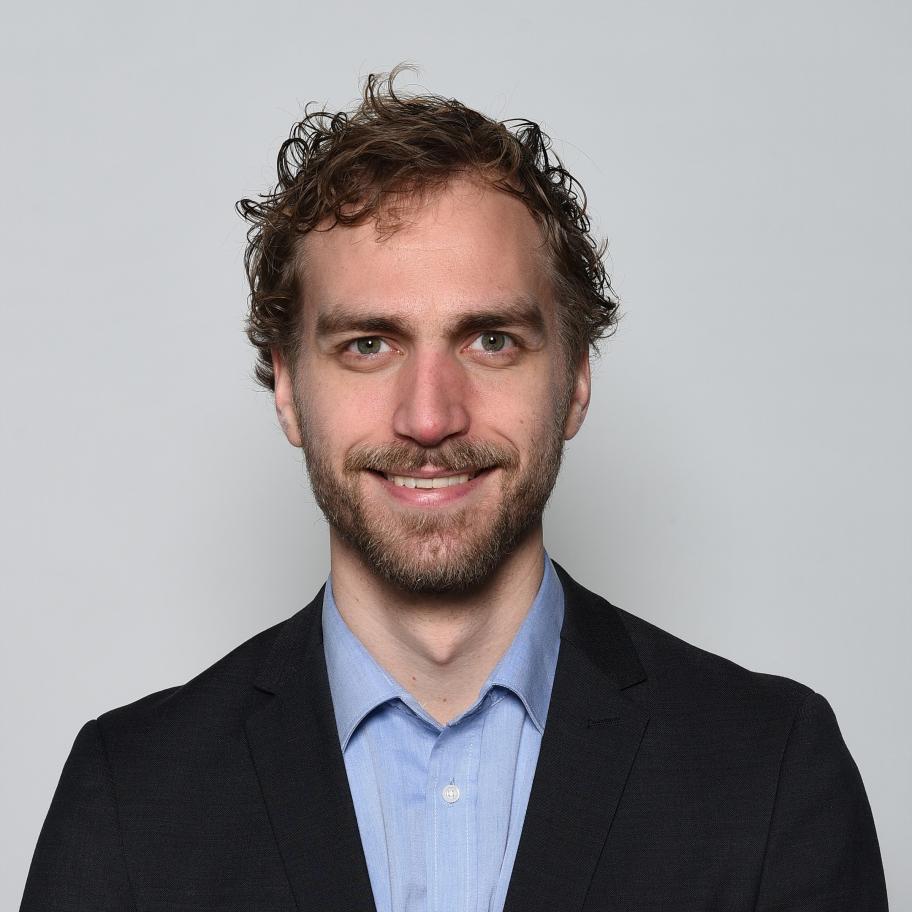
Peter Koerver Schmidt
Centre Coordinator
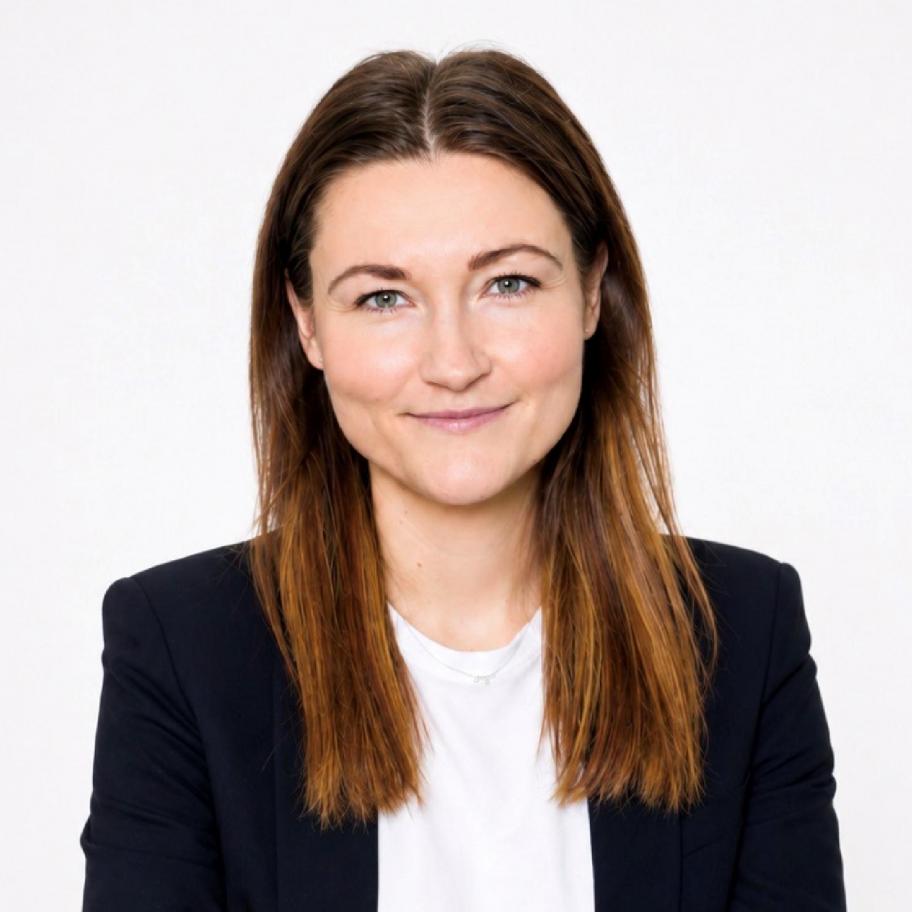
Pernille Brandt
Unit Director
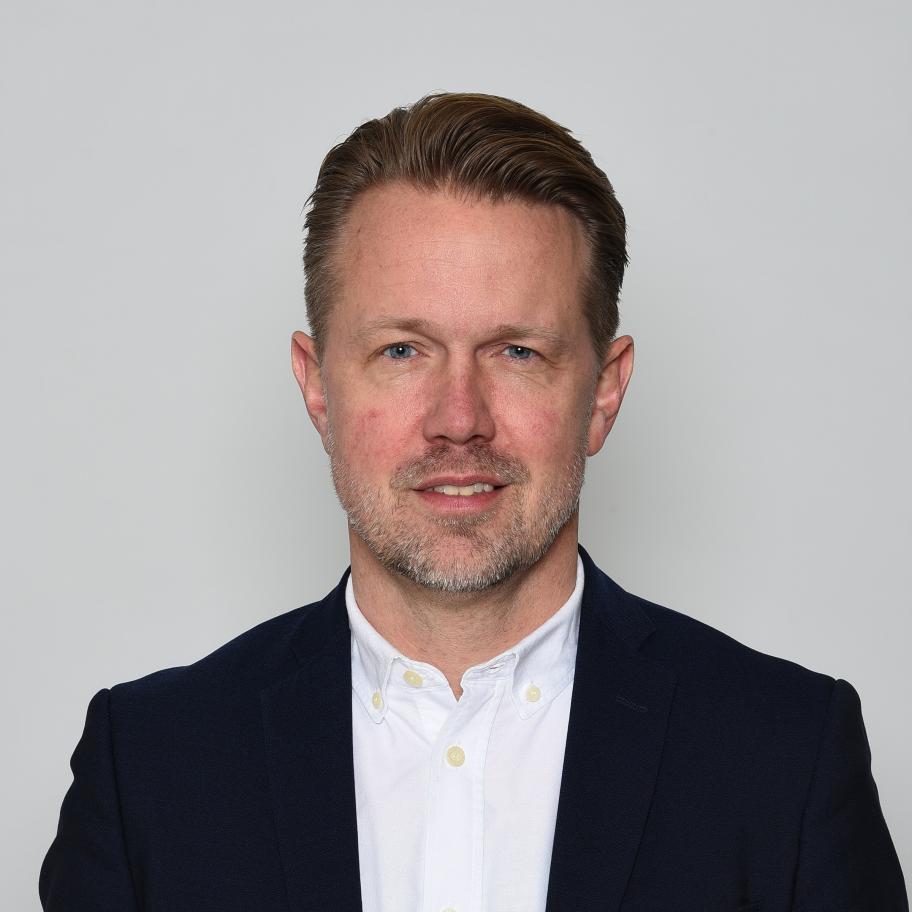
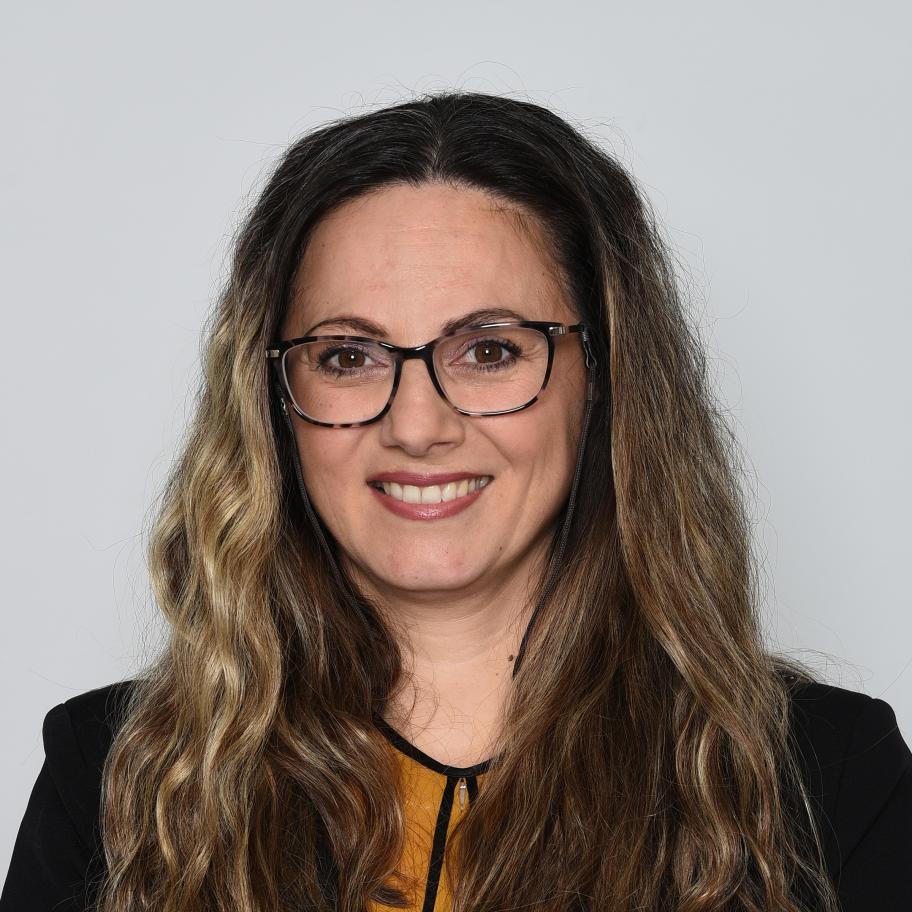
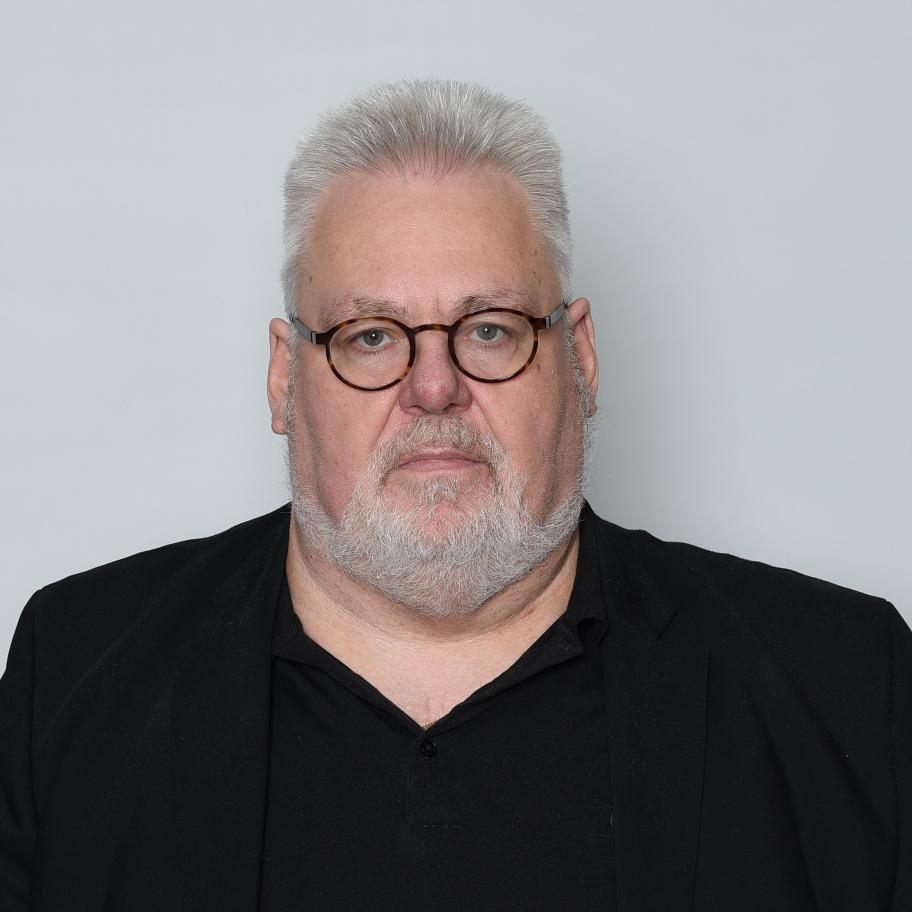
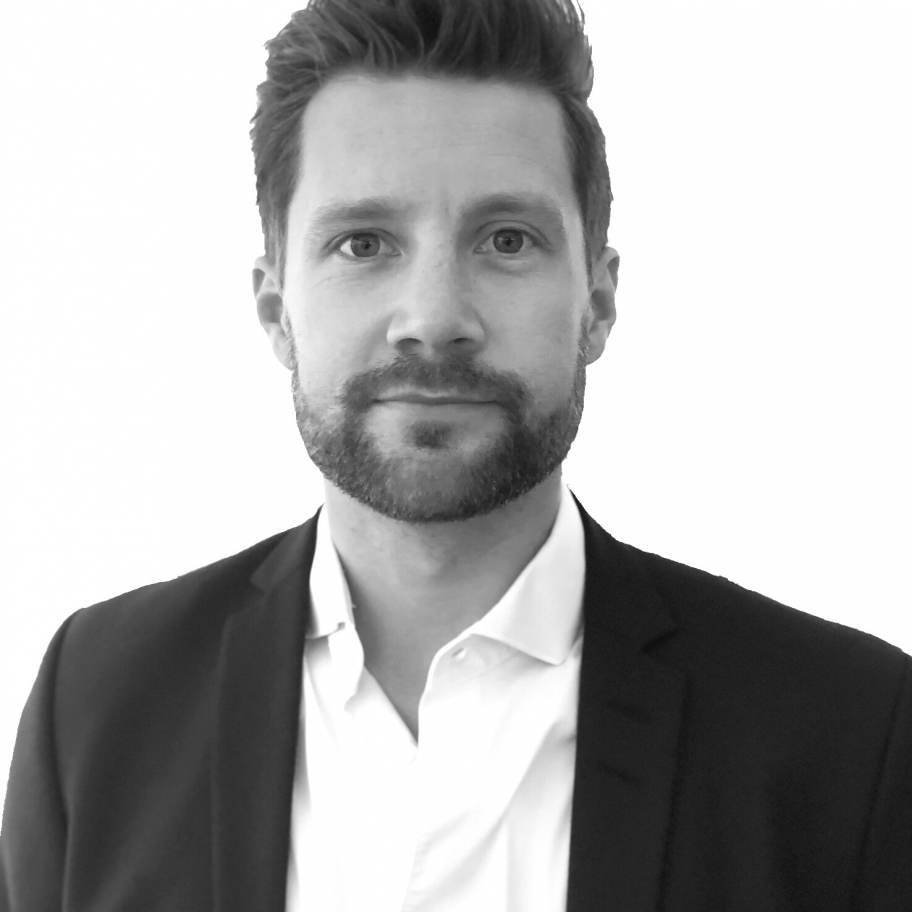
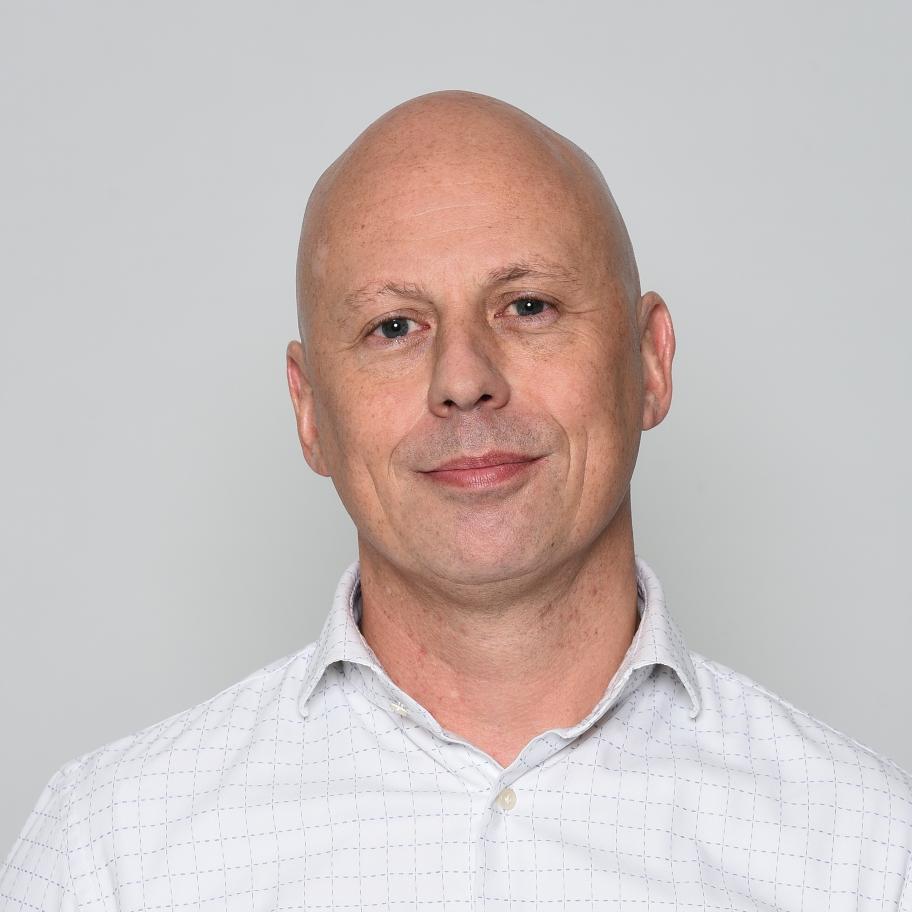
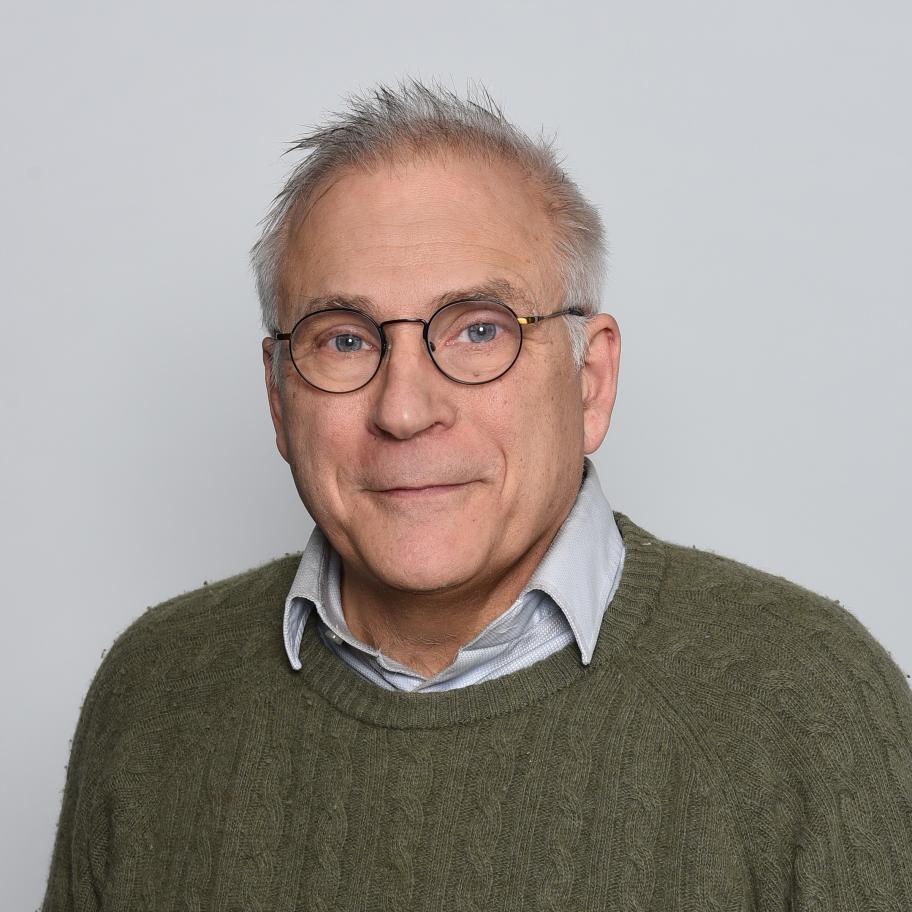
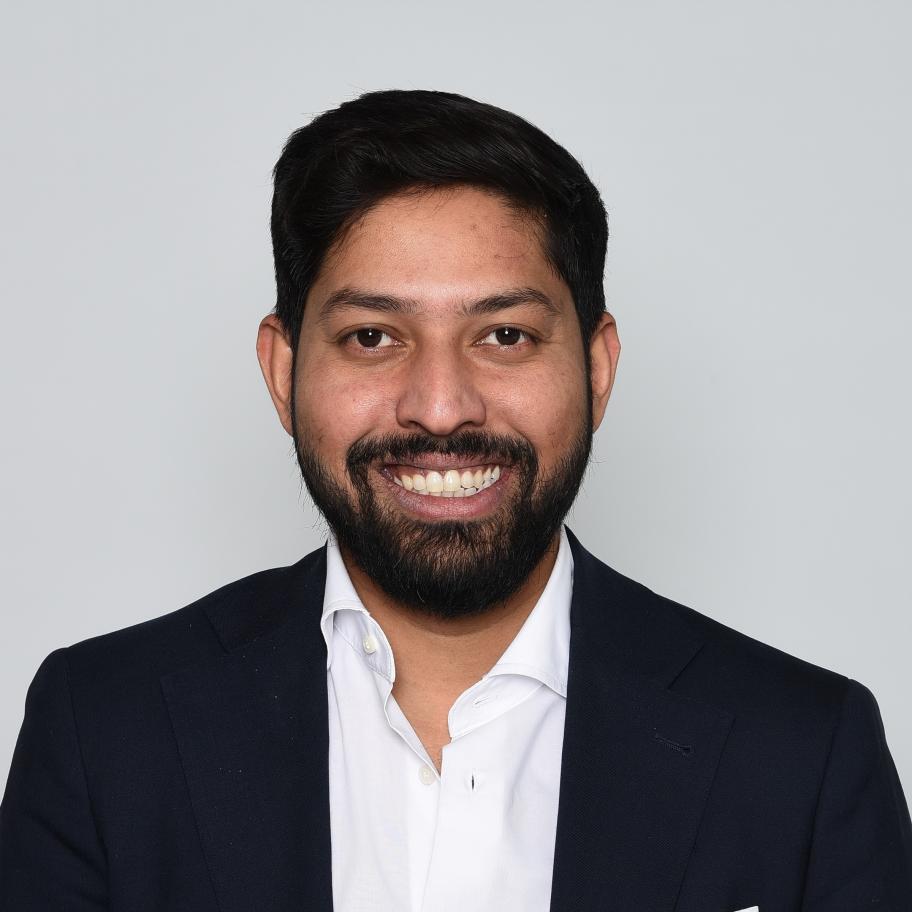
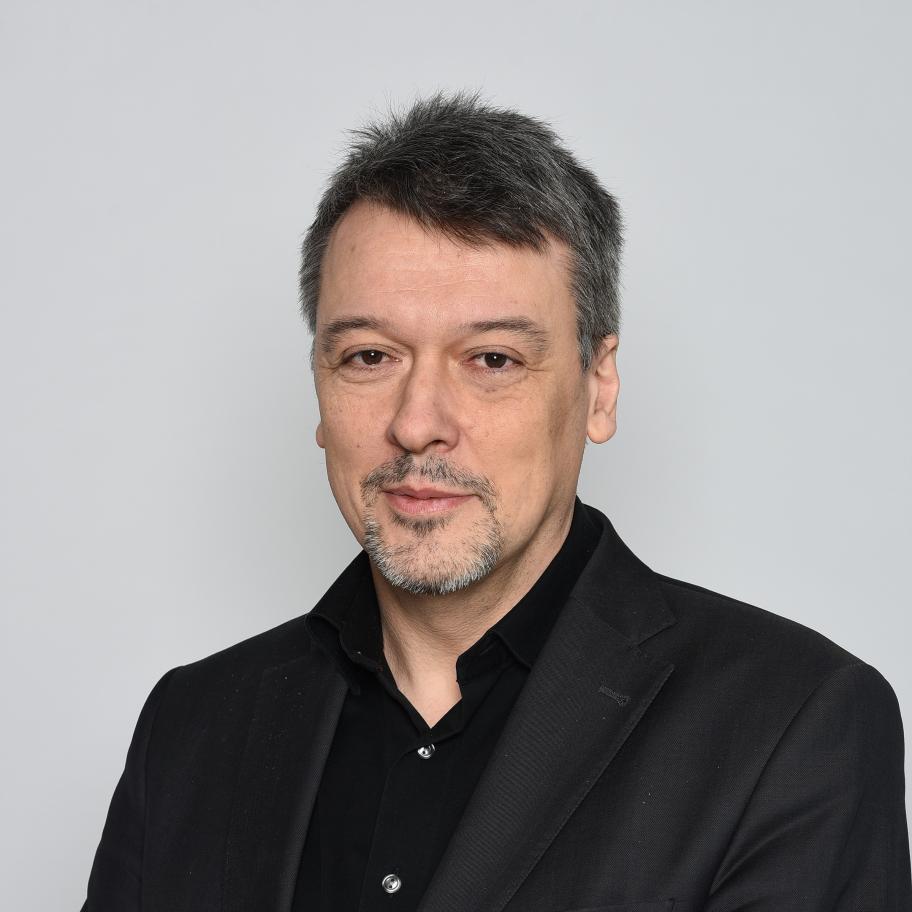
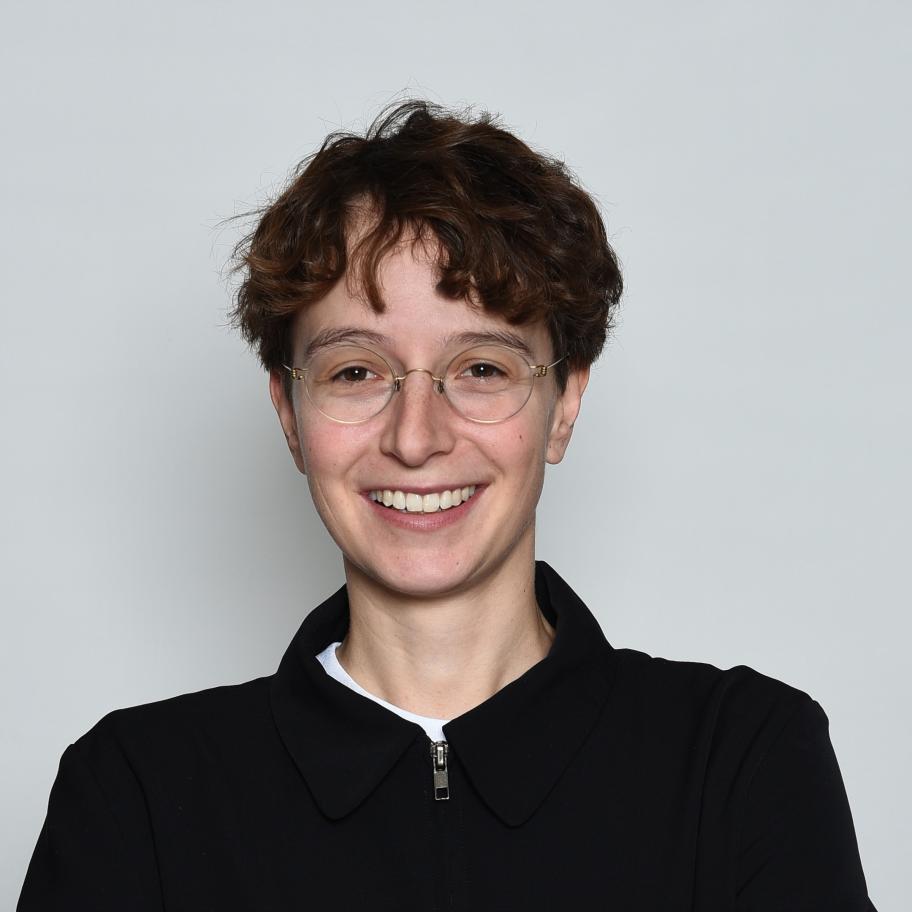
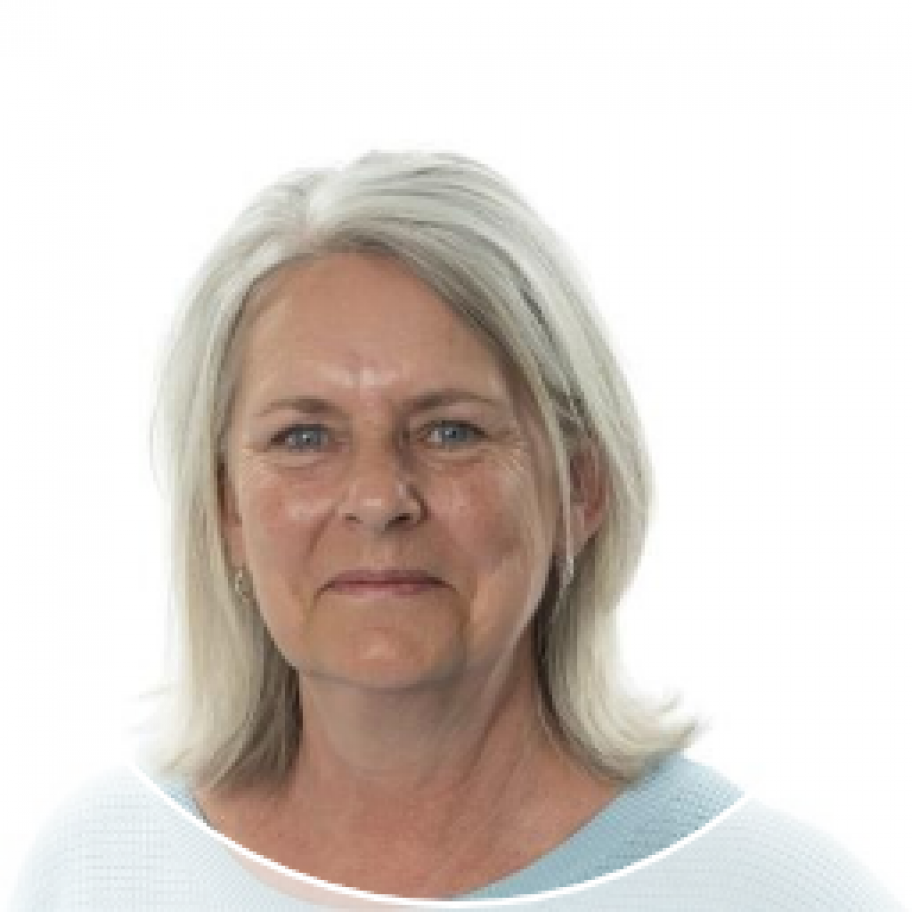
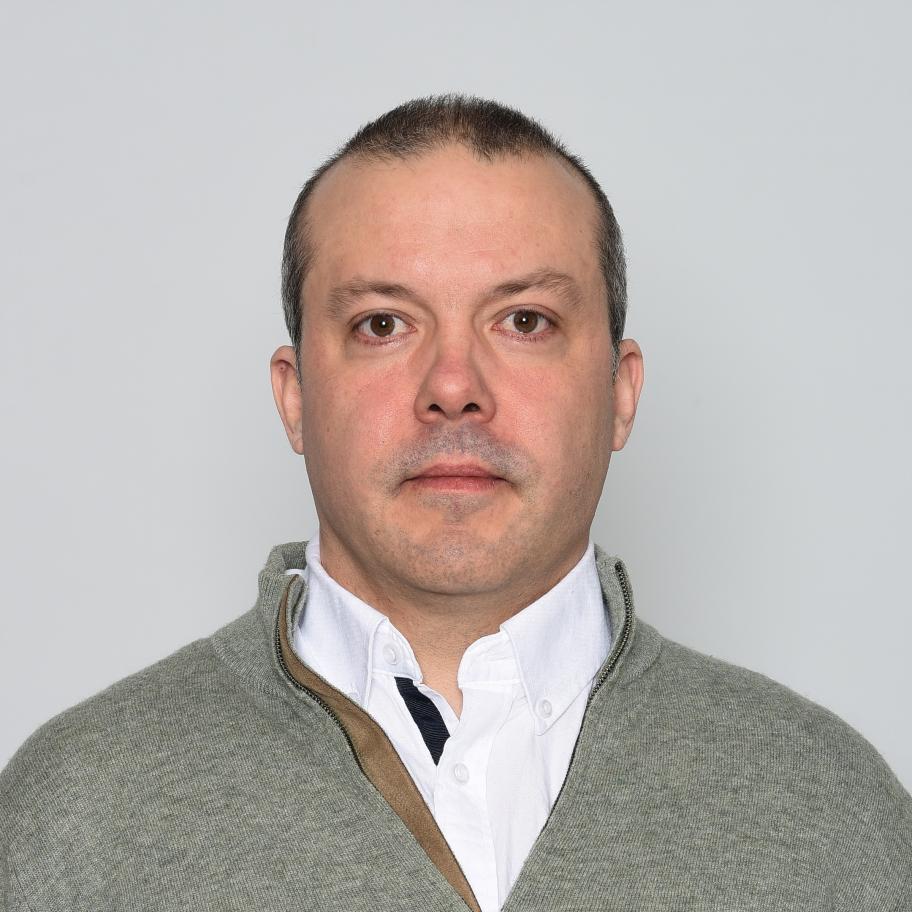

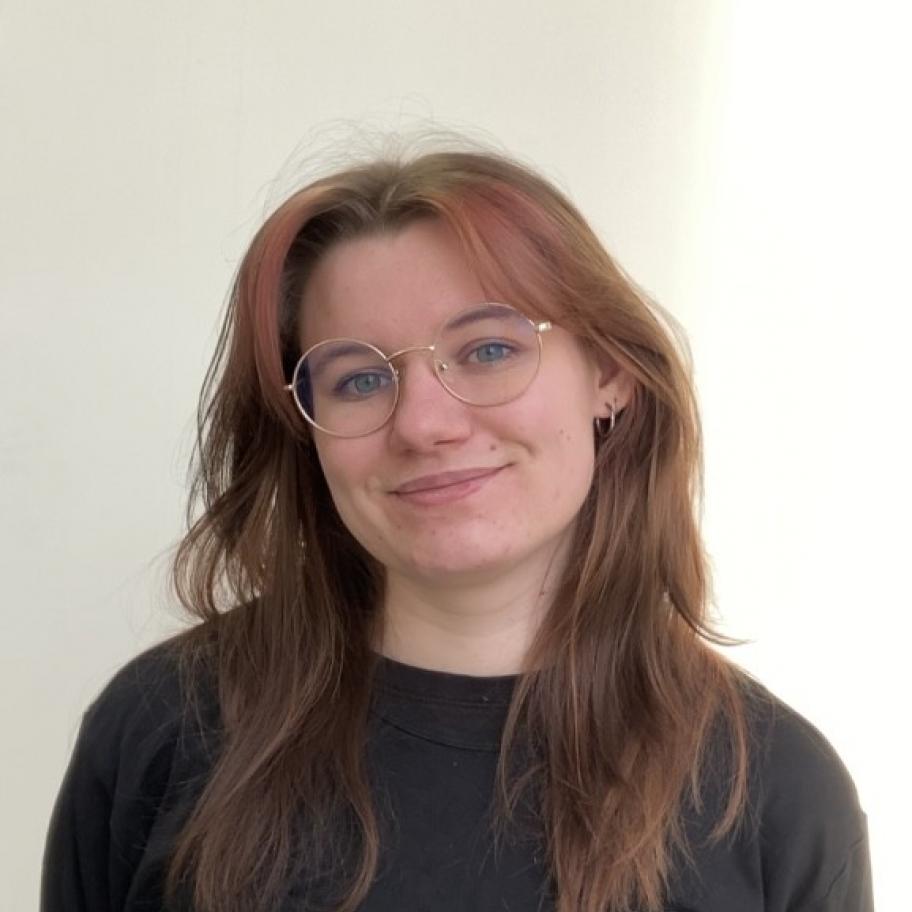
Other CBS Law Staff
Jens Fejø, Professor emeritus
Peter Møgelvang-Hansen, Professor emeritus
Ruth Nielsen, Professor emerita
Stay informed
Research (Panel content)
Research at CBS Law
CBS Law is founded in the international and national legal framework for businesses in a globalised world. Our research focuses on business law from both a societal and commercial perspective and examines the content of and interplay between international law, EU law, and national law.
We aim to provide perspectives on the strategic opportunities for corporations and authorities in a legal and economic context. Our research combines legal analysis with economic and interdisciplinary approaches, using both theoretical and empirical methods to explore how law interacts with business and society.
Research areas
CBS Law’s research covers three main areas:
- Commerce, Transactions and Law & Economics
This area includes the Law of Obligations, Contract Law, Finance and Property Law, Private International Law, Intellectual Property Law, IT Law, Consumer Law, Agency, Public Contracts, Partnering, Maritime and Transport Law, Litigation, Arbitration, Mediation, and Enforcement.
- The Market
This area covers market law in general, including International Trade Law, EU Market Law, EU Law, WTO Law, International Trade Agreements, Competition Law, Public Procurement, State Aid, and Marketing Law.
- Corporate Organisation and Social Responsibility
This area focuses on Company Law, Tax Law, Labour Law, Non-Discrimination Law, and Corporate Social Responsibility.
Our Research Groups
Copenhagen Competition Law Lab
Copenhagen Competition Law Labis a strategic partnership between leading competition law researchers and practitioners. The lab provides research and debate on competition law from a Danish, EU, and economic perspective.
Find out more about Copenhagen Competition Law Lab here.
Nordic Research Lab for Climate Law and Economics
The Nordic Research Lab for Climate Law and Economics (NRLCLE) provides research in climate law in a Danish, EU, international, and economic perspective.
Find out more about Nordic Research Lab for Climate Law and Economics here.
Forum for Tax Law
Forum for Tax Law facilitates collaboration between CBS Law faculty in tax law and coordinates teaching, dissemination, research, and events.
You can find out more about Forum for Tax Law here.

Ongoing research projects
The Data Driven Home: A Study of Socio-Material and Legal Construction of the 21st Century Home
Professor WSR Andrej Savin is currently working on the DFF Project The Data Driven Home: A Study of the Socio-Material and Legal Construction of the 21st Century Home.
Granting body: Independent Research Fund Denmark
Department: Department of Business Humanities and Law
Project period: 1 July 2023 – 30 June 2026
Participants: Professor WSR Andrej Savin
Cybersecurity of Supply Chains
Professor WSR Andrej Savin is involved in the IFF Project Cybersecurity of Supply Chains. The project focuses on improving cybersecurity practices in small and medium-sized enterprises (SMEs) that form part of larger supply chains. It is based on a qualitative study of 25 Danish companies to understand how they manage cyber risks and how cooperation between suppliers and customers can be strengthened.
Participants: Professor WSR Andrej Savin
Rethinking Entrepreneurship
Professor Peter Koerver Schmidt and Postdoc Siddhesh Rao from CBS Law are part of the cross-disciplinary research environment Rethinking Entrepreneurship in Society at Copenhagen Business School. The project examines entrepreneurship as a social discourse that extends beyond the marketplace and influences how we understand social change, inequality, and grand societal challenges.
By studying entrepreneurialism across time and in an international perspective, the project investigates how different forms of entrepreneurial agency are legitimized or marginalized, and how entrepreneurship shapes broader societal processes.
Participants: Professor Peter Koerver Schmidt and Postdoc Siddhesh Rao
Current PhD projects
Governance in the Digital Economy – Assessing Data-Privacy Regulations and Their Impact on Data-Commodification Business Strategies
PhD fellow Marianne Buffat works on a PhD project that explores how data privacy regulations impact and drive data commodification business strategies in Europe and whether it is viable to promote alternate compliance models based on incentivising self-adhesion to rights-based values in order to supplement a struggling regulatory system.
The Role of Public-Private Collaboration in the EU’s Efforts to Counter Money Laundering and the Financing of Terrorism
PhD fellow Benjamin Dante is currently working on his PhD project. The dissertation seeks to identify to what extent the provisions of the European Union (EU) Anti-Money Laundering and Countering the Financing of Terrorism (AML/CFT) regulatory framework promote and facilitate collaboration between competent authorities and obliged entities in EU member states for the purpose of sharing information and intelligence to strengthen AML/CFT efforts. Furthermore, the dissertation asks how this, in a Danish context, is effectuated in practice.
An Analysis and Delimitation of the Tax Law Concept of Experimental and Research Activities in Section 8 B of the Tax Assessment Act
PhD fellow Maria Wriedt Keller is working on a PhD thesis in tax law. The thesis topic is tax incentives for research and development. The purpose of the thesis is to analyse the delimitation of the tax law concept of research and development and what impact a global minimum tax will have on the existing tax incentive schemes.
Sustainable Contracting in the EU from a Value Chain Perspective
PhD fellow Frederik Skamris Holm is currently working on his PhD project. The dissertation examines new developments in contractual governance from a legal perspective in relation to emerging European Union (EU) climate legislation, such as the Corporate Sustainability Due Diligence Directive (CSDDD).
The goal is to create an understanding of how lead firms can achieve the dual objectives of complying with EU climate legislation while generating value across the value chain with the use of contracts.
Driving Sustainability in Europe: The Legal Interplay between the Corporate Sustainability Due Diligence Directive, the Corporate Sustainability Reporting Directive and Commercial Agreements – Legal Success or Not?
PhD fellow Despoina Anastasiadou Galva is working on a project that investigates the European Corporate Sustainability Directives which seek to regulate business impacts on human rights and the environment with the aim to further assess their impact on commercial agreements.
This PhD research project employs a doctrinal legal analysis and empirical research along with interdisciplinary elements and aims at providing both the theoretical insights and practical guidance for legal and commercial stakeholders.

Externally funded projects
Preliminary Project – Centre for Greener Business
Type: Private (National)
Funder: The Danish Industry Foundation
Project period: 1 September 2025 – 30 April 2026
Project Participants: Coordinator Hanne Harmsen
Economy and Planetary Boundaries Initiative – Collaboration Platform (WP 8)
Type: Private (National)
Funder: KR Foundation
Project period: 1 March 2025 – 31 October 2025
Project Participants: Coordinator Hanne Harmsen
Danish Clusters for Knowledge and Business 2021–2024
Type: Public (National)
Funder: Ministry of Higher Education and Science
Project period: 1 January 2025 – 31 December 2025
Project Participants: Coordinator Hanne Harmsen
Competences for a Green Denmark
Type: EU
Funder: European Commission
Collaborative partners: Copenhagen Capacity, Aalborg University, Aarhus University, Technical University of Denmark, IT University of Copenhagen, University of Copenhagen, Roskilde University, University of Southern Denmark, International House North, International House Copenhagen / BIF
Project period: 1 January 2023 – 31 December 2025
Project Participants: Partner Per Holten-Andersen
Co-creation as a Tool to Accelerate the Green Transition (Food & Bio Cluster Denmark)
Type: Public (National)
Funder: Ministry of Higher Education and Science
Collaborative partners: Danish Food Cluster
Project period: 1 September 2024 – 31 December 2024
Project Participants: Coordinator Hanne Harmsen
Green Minds Gather
Type: Private (National)
Funder: Novo Nordisk Foundation
Project period: 1 May 2024 – 30 June 2025
Project Participants: Coordinator Hanne Harmsen
North2North 2017 (N2N 2017)
Abstract: By going on a north2north exchange, you will get extracurricular experience related to the North and opportunities to contribute meaningfully in building human capacity in the Arctic. You will learn about another place and another culture, while learning about your region — the North! A north2north exchange gives you competence in topics related to the Arctic and experiences of another north that you can benefit from in your future professional career and/or academic plans. Improve your knowledge about Northern/Arctic issues and people by taking Northern/Arctic courses at another circumpolar institution.
Type: Private (International)
Funder: UArctic / North2North
Collaborative partners: University of Southern Denmark, Aalborg University, Aarhus University, University of Greenland, Technical University of Denmark, University of the Faroe Islands
Project period: 15 February 2018 – still running
Project Participants: Partner Hanne Harmsen
CBS Law’s External Funding Strategy
CBS Law’s external funding strategy consists of three key elements that the department aims to fulfil as academic resources allow.
Short-term commitment CBS Law supports the creation of idea-generating environments where groups of interested researchers can develop research ideas within a one- to two-year timeframe. The goal is to generate ideas that will grow into larger and more ambitious projects for which external funding can later be sought. Support for this work is provided through CBS Law’s Strategy Fund, which aims to build long-term research environments capable of competing for funding in an increasingly interdisciplinary landscape.
Long-term commitment CBS Law is dedicated to seeking funding from Danish sources for projects within its research competence, while also participating in funding initiatives coordinated by other institutions.
Commitment to PhD funding CBS Law actively seeks funding for PhD students through research projects, industrial PhD arrangements, and by building strong relations with business partners.
Research groups at CBS Law
CBS Law hosts three research groups that explore key areas of business law. Each group combines legal research with teaching, dissemination, and collaboration across CBS and beyond.
Forum for Tax Law
The research group coordinates and showcases CBS Law’s teaching, dissemination, and research activities in tax law.
Climate Law and Economics
The research group provides research in climate law from Danish, EU, international, and economic perspectives.
Copenhagen Competition Law Lab
The research group provides research and debate about competition law from a Danish, EU, and economic perspective.
Events (Panel content)
Events hosted by CBS Law


Latest Events
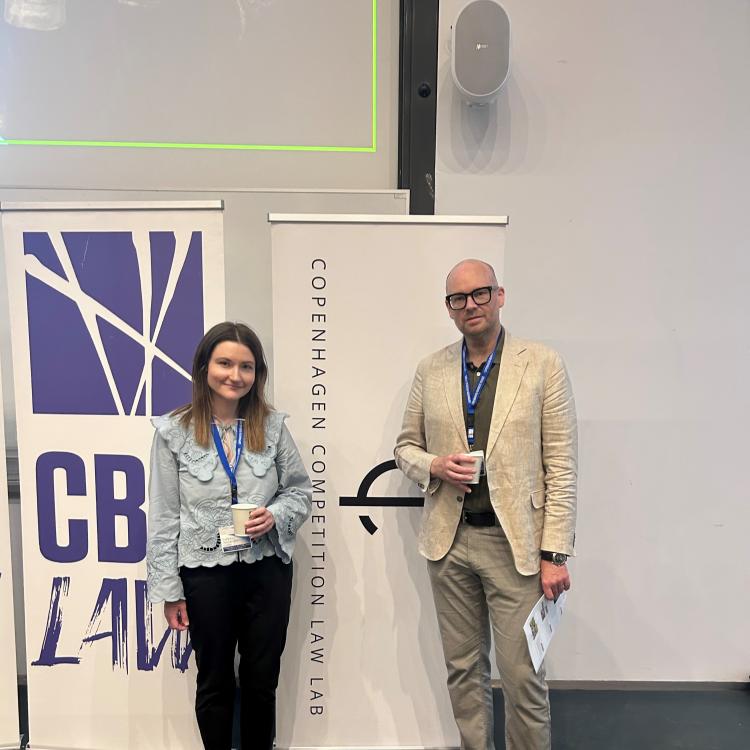
Margin Squeeze: The Frankenstein Monster of Article 102 TFEU?
The event brings together academics, practitioners, and competition authorities to explore the legal and economic complexities of margin squeeze under Article 102 TFEU...
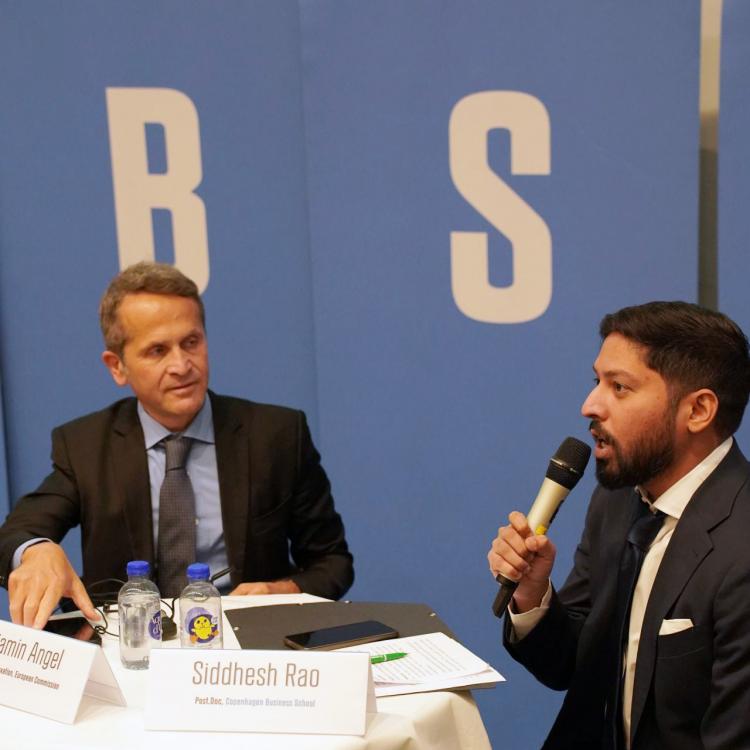
Futures of Tax session 5 (Guest: John Connors)
In this session Dr Siddhesh Rao sits down with John Connors, Chair, ICC International Chamber of Commerce's Global Tax Commission, Former Global Head of Tax at Vodafone...
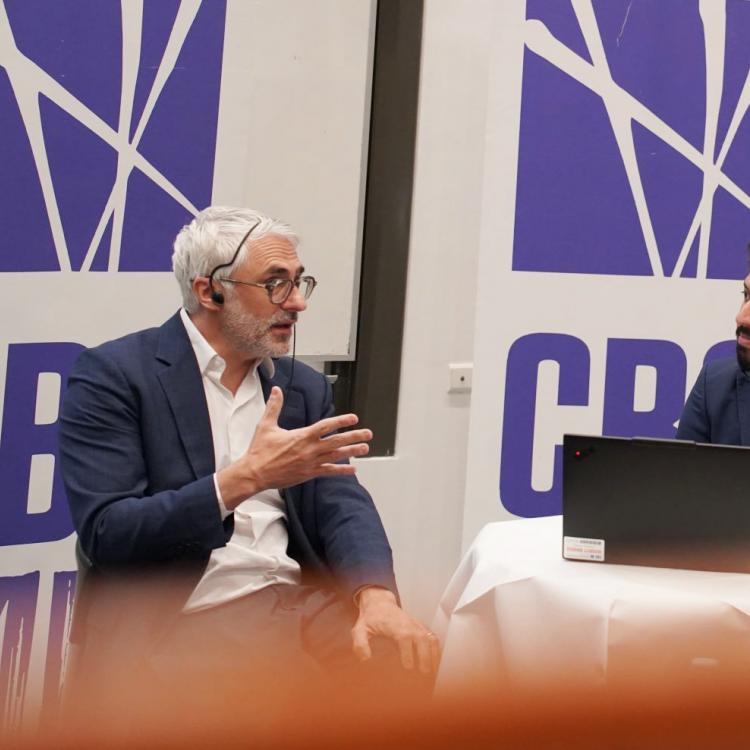
Futures of Tax Session 4 (Guest: Dr. Martin Lagarden)
Transfer Pricing Today and Tomorrow: Enforcement, Transparency and the Future of the Arm’s Length Principle. We are pleased to invite you to the next session of CBS Futures of Tax, hosted by Dr. Siddhesh Rao. In this series...
Events at CBS Law
Events at CBS Law (Panel content)
CBS Law hosts a variety of events throughout the year, including research seminars, guest lectures, workshops, and conferences.
The events create a platform for dialogue between legal scholars, practitioners, policymakers, and students. Topics range from international law, EU law, and corporate governance to tax law, competition law, and climate law.
Registration details and practical information are provided on the individual event pages. To stay updated on upcoming activities, subscribe to the CBS Law newsletter
You can subscribe to the CBS Law Newsletter here, to ensure you receive every invitation to our variety of events straight to your inbox.
2026 (Panel content)
Margin Squeeze: The Frankenstein Monster of Article 102 TFEU?
Margin Squeeze: The Frankenstein Monster of Article 102
Date: 27 May 2026
Time: 13:00-16:00
Place: CBS Solbjerg Plads 3, Auditorium SPs07, 2000 Frederiksberg
Unlike other forms of abuse, margin squeeze entered competition law at a relatively late stage. As recently as 2008, parts of the European Commission did not consider it an independent form of abuse. Today, margin squeeze is a well-established category; however, its development has been controversial, and the concept has therefore been referred to as the “Frankenstein’s monster” of Article 102 TFEU.
PROGRAMME:
13:00-13:10 Welcome and introduction: Kathrine Søs Jacobsen Cesko, Assistant Professor, Department of Business Humanities and Law, CBS
13:10–13:55 Margin squeeze in development: Christian Bergqvist, Associate Professor, University of Copenhagen
Unlike other forms of abuse, margin squeeze entered competition law at a relatively late stage. As recently as 2008, parts of the European Commission did not consider it an independent form of abuse. Today, margin squeeze is a well-established category; however, its development has been controversial, and the concept has therefore been referred to as the “Frankenstein’s monster” of Article 102 TFEU.
Christian Bergqvist will review the historical development of the concept, the key cases, and its relationship with other forms of abuse. In particular, he will address how overlaps between legal categories may increase the risk of error — both where intervention occurs despite the conduct not satisfying the applicable legal test, and where intervention targets conduct that does not, in fact, harm competition or consumer welfare.
13:55–14:40 The Legal Complexities of Margin Squeeze: Jens Munk Plum, Partner, and Director Peter Barslev, both Kromann Reumert, Law Firm
When is an input “indispensable” or “necessary”? How should relevant markets be defined, and how does a potential margin squeeze affect market definition? When are downstream conditions so restrictive that an “as-efficient competitor” cannot viably operate, and how should this be assessed in practice? What elements may be included in the relevant revenue and cost bases?
Margin squeeze cases are characterised by a number of significant discretionary assessments. Drawing on their experience, Jens Munk Plum and Peter Barslev will offer their perspective on these issues and their methodological approach to addressing them.
14.40–15.00 Break w. coffee and cake!
15:00–15:45 How to Calculate an Alleged Margin Squeeze: Jesper Toelberg Bjerre, Chief Advisor, The Danish Competition and Consumer Authority (Konkurrence- og Forbrugerstyrelsen)
A central element in any margin squeeze case is the price–cost test, which is, in principle, straightforward. In practice, however, a wide range of issues arise, including the measurement of costs, the timing and allocation of revenues and depreciation, and the determination of a reasonable rate of return.
Drawing on specific cases, Jesper Toelberg Bjerre will examine how these challenges have been addressed in practice. He will also discuss insights from the economic literature on theories of harm in relation to margin squeeze — in particular, the circumstances under which a dominant undertaking may have an incentive to exclude equally efficient competitors.
15:45–16:00 Closing remarks and time for questions
Futures of Tax Session 5 (Guest: John Connors)
Tax Certainty and Competitiveness in 2026:
Pillar Two's Side-by-Side Package, Safe Harbours and the Future of Incentives
In this session Dr Siddhesh Rao sits down with John Connors, Chair, ICC International Chamber of Commerce's Global Tax Commission, Former Global Head of Tax at Vodafone. As governments and businesses continue to navigate the next phase of Pillar Two implementation, this session will examine the growing tension between tax certainty and competitiveness. The discussion will consider the relevance of the Side-by-Side Package, the practical importance of safe harbours, and the future role of tax incentives in a rapidly evolving international tax environment.
Date 13 May 2026,
Time 9:30-11:00
Location CBS, Solbjerg Plads 3, SP103, 2000 Frederiksberg
Futures of Tax session 4 (Guest: Dr. Martin Largarden)
In this series, Siddhesh Rao engages with leading figures in global tax to explore complex and emerging issues that affect governments, multinational corporations, and policy practice alike.
2025 (Panel content)
Mediejuranetværket 4. december
Mediejuranetværket 2025
Torsdag, 4 december, 2025 - 15:00 to 18:00
Så er det tid til årets sidste arrangement i Mediejuranetværket!
Programmet er som følger:
15.00-15.10 Velkomst
15.10-16.00 Deepfakes og medierne
Deepfakes, dvs. AI-genererede billeder og videoer, der efterligner personers ansigter, stemme og andre særlige kendetegn, breder sig – særligt i og via medierne. Det rejser en række spørgsmål i forhold til bl.a. ophavsret, personlighedsret og medieret. Kulturministeren sendte i juli 2025 et lovforslag i høring, der skal udgøre et værn til imødegåelse af de åbenlyse retlige problemer ved deepfakes. Professor Sten Schaumburg-Müller, SDU, gennemgår og kommenterer lovforslaget og dets betydning for medierne. Undervejs vil der blive lejlighed til spørgsmål og debat.
Pause
16.15-17.00 Fremtidens mediestøtte
Den offentlige mediestøtte er af vital betydning for de fleste publicistiske medier i Danmark. Den eksisterende mediestøtteordning er imidlertid på adskillige punkter ude af trit med den hastige medieudvikling, hvorfor der i medfør af den politiske medieaftale 2023-2026 blev nedsat et udvalg om fremtidens mediestøtte. Udvalget har netop afgivet sin rapport, og udvalgets formand, professor Rasmus Kleis Nielsen, KU, gennemgår rapporten og udvalgets anbefalinger for fremtidens mediestøtte. Herefter er der spørgsmål og debat.
Pause
17.15-18.00 Forordningen om mediefrihed – første erfaringer
EU’s meget omdiskuterede forordning om mediefrihed er nu trådt i kraft. Forordningen indeholder bl.a. bestemmelser om gennemsigtighed i forhold til medieejerskabsforhold, public service-mediers politiske uafhængighed og vurdering af fusioner på mediemarkedet. Tilsynet med forordningen føres af Radio- og tv-nævnet. Professor Søren Sandfeld Jakobsen, der også er formand for Radio- og tv-nævnet, redegør for de vigtigste punkter i forordningen og nævnets første praksis med den, særligt i forhold til mediefusioner.
Efter arrangementet vil der være networking med vin og snacks udenfor lokalet.
Vi håber at se så mange som muligt af jer til en udbytterig og hyggelig eftermiddag. Spred gerne budskabet om arrangementet til eventuelle andre interesserede – netværket er som altid helt uforpligtende og ganske gratis.
Mange hilsener
Trine, Sten og Søren
_______________________________________________________________________________________
Annual CBS International Tax Conference 2025
Annual CBS International Tax Conference 2025
Onsdag, 19 november, 2025 - 11:45 to 18:00
This year’s edition of the CBS Annual International Tax Conference takes a close look at the role that general anti-avoidance rules play in the legal order at both the Danish and European levels.
The first session of the conference is dedicated to a broad discussion of recent developments in EU tax law from a policy perspective. In this context, Benjamin Angel (Director for Direct Taxation, Tax Coordination, Economic Analysis, and Evaluation at DG TAXUD in the European Commission) will visit CBS. The format will be a conversation, moderated by CBS postdoctoral researcher Siddhesh Rao, with questions from the audience. The topics will range from broader questions, such as the future of Pillar II (the 15% global minimum taxation of corporate groups), and the latest amendments to the DAC, to more specific issues concerning how the EU can harmonize its tax base to promote growth while ensuring fairness and maintaining a strong stance against tax avoidance and aggressive tax planning.
The second session will open with a presentation by Simon Whitehead (Visiting Expert Fellow at CBS), who will examine the evolution of the principle of abuse and the justification for the prevention of tax avoidance in the case law of the European Court of Justice, with a particular focus on the most recent judgments addressing abuse and the role of general anti-avoidance rules (GAARs) in EU law.
This will be followed by a presentation by Louise Blichfeldt Fjord (Assistant Professor at CBS) titled “GAARs, Transfer Pricing, and the use of SPVs”. Hence, she will, among other things, discuss whether—and, if so, to what extent—a tax advantage may be set aside under a GAAR, even where the arrangement possesses sufficient substance from a transfer pricing perspective.
The third and final session will begin with a presentation by Henrik Skar (Associate Professor at the University of Bergen), who will analyze the Nordic general anti-avoidance rules (GAARs), focusing on their key similarities and differences, as well as their interaction with tax treaties and EU/EEA law. The presentation will draw on an article by Skar and co-authors that was published recently in the World Tax Journal.
The academic part of the conference will conclude with a panel discussion moderated by Jeroen Lammers (Associate Professor at CBS), in which a number of the day’s topics will be discussed among the panelists.
After the academic part of the conference concludes, a reception will be held, where CBS LAW will offer light food and refreshments.
There are two options for participation:
- On-site participation at CBS for the entire event.
- Online participation in Session 1 only.
The registration deadline is Friday 14 November 2025.
We look forward to welcoming you to CBS on 19 November 2025.
On behalf of the CBS Tax Law Group, Peter Koerver Schmidt (Professor at CBS).
Special thanks to our sponsor Nordic Tax Research Council for their generous grant, which makes this conference possible.
_______________________________________________________________________________________
Protecting European Values in Times of Change: Rule of Law, Green Transition, and Global Responsibility under the Danish EU Presidency – Where to Next?
Protecting European Values in Times of Change: Rule of Law, Green Transition, and Global Responsibility under the Danish EU Presidency – Where to Next?
Tirsdag, 11 november, 2025 - 09:00 to 18:30
PROTECTING EUROPEAN VALUES IN TIMES OF CHANGE: RULE OF LAW, GREEN TRANSITION, AND GLOBAL RESPONSIBILITY UNDER THE DANISH EU PRESIDENCY – WHERE TO NEXT? PREPARING FOR THE CYPRIOT PRESIDENCY AND BEYOND
The European Union stands at a critical juncture. From challenges to the rule of law and contested core values, to the demands of the green transition and global geopolitical threats, the Union must find ways to act with resilience, unity, and credibility.
As Denmark concludes its presidency of the Council of the European Union and prepares to hand over to Cyprus, this high-level conference will gather scholars, policymakers, civil society, and business leaders to reflect on Europe’s legal, political, and ethical responsibilities in times of change. The conference addresses the Rule of Law under Pressure; European Values in a Shifting Union; Steering the Green Transition; and Responding to Global Threats
The conference aims to assess the Danish EU Presidency’s contributions, foster cross-sector dialogue, anticipate priorities for the upcoming Cypriot Presidency, and strengthen networks dedicated to European cooperation and resilience.
Speakers and discussants include inter alia the Danish Minister for Climate, Energy and Utilities, The Council of the European Union, The Confederation of Danish Industry, The Danish Chamber of Commerce, The Cyprus branch of the Fédération Internationale de Droit Européen; Greenpeace, the Danish Energy Agency, Centre for the Rule of Law and European Values, and several researchers from European countries.
Why Attend?
- Engage with an influential network of European thinkers and decision-makers
- Contribute to timely debates on Europe’s legal, environmental, and geopolitical direction
- Participate in forward-looking reflections on EU leadership and responsibilities
- Join an event marking a key institutional transition from the Danish to the Cypriot EU Presidency
Practical Information
Date & Time: 11 November 2025, 9:00–18:30 (registration from 8:30)
Venue: Copenhagen Business School, Dalgas Have 15, DH.Ø.1.89, 2000 Frederiksberg, Denmark
Format: In-person
Organizers:
· Copenhagen Business School, Department of Business Humanities and Law
· Centre for the Rule of Law and European Values, UCLan Cyprus
We warmly invite you to join us for this important discussion on the future of European values in times of change.
_______________________________________________________________________________________
GOOGLE 15 YEARS ON – KEY LEARNINGS, ANTITRUST CHALLENGES, AND THE ROAD AHEAD
GOOGLE 15 YEARS ON – KEY LEARNINGS, ANTITRUST CHALLENGES, AND THE ROAD AHEAD
Date: 27 October 2025
Time: 10:00 to 17:00 CET
Location: CBS, Porcelænshaven, PHRs20, Råvarebygningen, 2000, Frederiksberg & Online
2025 marks the 15th anniversary of DG COMP’s decision to launch an antitrust investigation into Google, leading to landmark cases such as Google Shopping and Google AdSense. Initially addressing (only) four allegations of abusive conduct, it soon expanded to what is known as Google Android and Google AdTech. This pioneering action has inspired further investigations globally, including in the United States and Asia. From an international perspective, few companies have faced the same scale of antitrust scrutiny.
Copenhagen Competition Law Lab, CBS LAW, GW Competition & Innovation Lab (European Initiative), and COMPASS LEXECON are hosting this event to reflect on the key lessons learned so far about Google, antitrust, and policing abusive actions in the tech sector.
| 10:00–10:15 |
Welcome and Introduction Fifteen years have passed since the formal opening of Google Shopping in 2010. Besides introducing the event and some house rules, Dr. Landman will outline how the day is dedicated to exploring what we have learned since and where we are now concerning Google. Google Shopping has been closed at the EU-level, but claims for damages are pending, and many other cases and issues can trace their lineage back to Google Shopping. Not only in the EU, but globally. |
Lawrence B. Landman, Senior Vice President of Lateral Link’s Bridgeline Solutions and Director, Antitrust Division |
| 10:15–10:45 |
Looking back at a long, winding road It took several years for the EU to render its Google Shopping Decision (2017), and not until several rounds of settlement attempts, the arrival of a new chief enforcer, and an overhaul of the theories of harm. The EU has already opened its investigations in 2010; so why did it take so many years to address Google's issues?” |
Paul Csiszár, Senior Advisor at Brunswick, former director of DG Competition |
| 10:45–11:15 |
The World Against Google - Taking stock Almost 200 investigations have been opened against Google globally, but most fall into eight key groups/issues. The most prominent are Google Search, Google Android, Google AdTech, and claims for damages utilizing these. Across most jurisdictions, Google’s desire to remain the internet gatekeeper is a recurring theme, and the late understanding of this probably explains why enforcers were slow to react. |
Christian Bergqvist, Associate Professor at Copenhagen University |
| 11:15-11:30 | Short break (coffee and cake) | |
| 11:30-12:00 |
The Asian Way Several Asian countries supplement their provisions on abusive actions with Unfair Trading Practices clauses. These allow countries like Japan to police the tech sector similarly to what is now done with the EU’s Digital Markets Act. Is this a superior solution, and what is the experience of having several overlapping enforcement options? |
Yuka AOYAGI, Professor, Hosei University, Tokyo
|
| 12:00-12:30 |
Did the US Finally Manage to Crack the Nut? In 2013, the FTC decided not to advance a case against Google after an extensive investigation, as the FTC largely concluded that the design changes on Google Search were procompetitive and preferred by users. Thus, the FTC saw little support for finding that self-preferencing was anticompetitive. In 2020, an alliance of the DOJ and several state AGs opened a series of federal cases. What has changed, why does the DOJ think they will succeed where the FTC failed, and where are we now? |
John M. Yun, Professor at George Mason University, USA |
| 12:30-13:00 |
From Google Search to Google Shopping – Abusive Self-Favoring? Several jurisdictions have investigated Google for favouring its services in generic search results. In almost all cases, Google has been exonerated for any wrongdoing, and while DG COMP initially investigated Google Shopping for abusive self-favouring, the 2017 Decision does not stand for this directly. |
Lena Hornkohl, Assistant Professor at Vienna University
|
| 13:00-13:30 | Lunch (sandwich) | |
| 13:30-14:00 |
Google Android – On context, causality and the meaning of exclusionary effects. Google offers the open source Android Operating System (OS) to smartphones manufacturers, contributing to the fast and successful rollout of these devices. Unlike other OS providers, Google licenses Android for free, subject only to the non-exclusive pre-installation of certain Google offerings. The European Commission sanctioned this conduct with the largest competition fine ever imposed in the EU. The General Court only partially annulled the Commission’s decision. The pending appeal before the CJEU raises fundamental questions that will shape EU law on abuse of dominance for years to come |
Alfonso Lamadrid de Pablo Partner, Antitrust and Competition practice, Latham & Watkins |
| 14:00-14:30 |
Google AdTech – When Google Trades with Itself In the AdTech sector, Google represents both buyers and sellers of online advertising space and owns the marketplace where they meet. Several enforcers, including DG COMP and DOJ, see an inherent conflict of interest, but so far only the French NCA has identified an infringement. Based on this, several damage claims have been filed. |
Jorge Padilla, partner, Compass Lexecon |
| 14:30-15:00 |
Google Auto – the death of Bronner In Google Auto, Google had declined to invest resources into linking a third-party app with its auto screen, prompting the Italian NCA to open an Article 102 case. The matter ultimately came before the Court of Justice, which rephrased the facts and questions to provide a clear ruling on the non-applicability of the restrictive Bronner criteria to the issue of interoperability between technical devices. |
Fernando Castillo de la Torre, European Commission, Legal Service |
| 15:00-15:15 | Short break (coffee and cake) | |
| 15:15-15:45 |
Compensation for the damages caused by Google - Private enforcement in the national courts Following the antitrust decisions that held Google in violation of Article 102 (e.g. EU's Google Shopping, EU Google Android or the French AdTech Decision), claims for damages have been filed across various jurisdictions in Europe. This includes cases in the UK, France, Germany and the Netherlands. While claimants can rely on the binding effect of the antitrust decisions, private enforcement raises complex procedural and strategic considerations. These include litigation costs, mechanisms for claim aggregation, or divergent approaches to determining — all of which may influence the choice of forum and the prospects for effective redress. |
Johannes Wick, Counsel Geradin Partner |
| 15:45-16:15 |
Google and IP rights Google is subject to several IP cases involving the “use” of third-party information. Google includes this information in its search results but also relies on it to develop its chatbots. This might infringe upon IP rights, but is there also an antitrust angle to the matter? |
Stijn Huijts, partner Geradin Partners |
| 16:15-16:45 |
How do we stop Google's (alleged) crime spree While many of the antitrust investigations are open or pending appeals, it remains that Google's business model persistently clashes with competition law. This raises the question of how we can stop this, assuming we don’t simply exonerate Google of all charges. Can the DMA or other ex ante interventions do what competition law cannot? |
Giorgio Monti, Professor at Tilburg Law School, Netherlands |
| 16:45-17:00 | Thanks for Today! | Kathrine Søs Jacobsen Cesko, Assistant Professor at Copenhagen Business School |
This event is organized by Copenhagen Competition Law Lab, hosted by CBS LAW, and GW Competition & Innovation Lab (European Initiative), sponsored by COMPASS LEXECON
For any questions, feel free to contact the organizers:
Assistant Professor Kathrine Søs Jacobsen Cesko, CBS LAW: ksjc.bhl@cbs.dk
Associate professor Christian Bergqvist, University of Copenhagen, cbe@jur.ku.dk
__________________________________________________________________________________
The Digital Markets Act: Two Years Later – Where Do We Stand?
The Digital Markets Act: Two Years Later – Where Do We Stand?
Torsdag, 12 juni, 2025 - 09:00 to 12:00
The Digital Markets Act: Two Years Later – Where Do We Stand?
Date: June 12th, 2025
Time: 9.00 to 12.00.
Location: Copenhagen Business School, Solbjerg Plads 3, SPs 10, and online
9:00 AM - 9.05 AM
Welcome and Introduction
9.05AM - 9:50 AM
Session 1: The DMA - Legal Framework, Regulatory Approaches, and Gatekeeper Obligations
- Professor MSO, Andrej Savin, CBS LAW: An in-depth look at the legal framework of the DMA, its relationship with other EU legislation, and the regulatory approaches shaping its enforcement. Key responsibilities and compliance challenges for gatekeepers will also be explored.
9:50 AM - 10:15 AM
Break with coffee and cake
10:15 AM - 11:00 AM
Session 2: DMA Compliance - Challenges and Credibility
- Dr. Alba Ribera Martínez, University Villanueva: Examining the role of compliance reports in the DMA's effectiveness, with a focus on their credibility and impact on stakeholders. This session will also discuss the decentralisation of enforcement under the DMA and its implications for compliance and accountability.
11:00 AM - 11:45 AM
Session 3: Supporting the Enforcement of the DMA: The Role of National Competition Authorities
- Erik Dahlberg, Chief Special Advisor at the Danish Competition and Consumer Authority and Marie Gjørtler Mouritzen, Seconded National Expert to the European Commission, DG Connect: Insight into the supporting role played by the Danish Competition and Consumer Authority in the enforcement of the DMA. In addition, a seconded civil servant from the Danish Competition and Consumer Authority will present the first specification decisions adopted by the Commission on 19 March 2025.
11:45 AM - 12:00 PM
Roundtable Discussion: The Future of the DMA - What's Next?
- Open floor for questions and contributions from attendees.
The event is organized by Copenhagen Competition Law Lab and hosted by CBS LAW.
Feel free to ask questions to the organisers:
- Christian Bergqvist, Associate Professor at Copenhagen University: cbe@jur.ku.dk
- Kathrine Søs Jacobsen Cesko, Assistant Professor at Copenhagen Business School: ksjc.bhl@cbs.dk
__________________________________________________________________________________
CBS FUTURES OF TAX (Guest: Mette Mellemgaard Jakobsen, June 11th, 2025)
CBS FUTURES OF TAX (Guest: Mette Mellemgaard Jakobsen, June 11th, 2025)
Onsdag, 11 juni, 2025 - 16:30 to 18:00
Guest: Mette Mellemgaard Jakobsen, Vice President and Head of Tax at Maersk
We are pleased to invite you to the second session of CBS Futures of Tax, hosted by Dr. Siddhesh Rao. In this series, Siddhesh Rao engages with leading figures in global tax to explore complex and emerging issues that affect governments, multinational corporations, and academic research alike.
This session will focus on:
Navigating Tax in a Volatile World: Pillar Two, Geopolitics & MNC Strategy
Mette Mellemgaard Jakobsen will share insights from her leadership role at Maersk, one of the world’s largest multinational companies, discussing how global tax strategy is shaped by regulatory change and geopolitical uncertainty.
Date: June 11th 2025
Time: 16.30 pm – 18.00 am CET
Location(Hybrid): Copenhagen Business School, 2000 Frederiksberg and online via Zoom, LinkedIn & Youtube
We look forward to welcoming you to what promises to be an insightful and timely discussion.
Warm regards,
Dr. Siddhesh Rao, LL.M. (WU), Postdoctoral Researcher
Professor Peter Koerver Schmidt
Professor Jane Bolander
You can watch the last event here: youtube.com
__________________________________________________________________________________
Mediejuranetværket 21. maj
Mediejuranetværket 2025
Mediejuranetværket: onsdag d. 21. maj 2025 kl. 15-18 i lokale SPs03 (i stuen) på CBS, Solbjerg Plads 3, 2000 Frederiksberg.
Onsdag, 21 maj, 2025 - 15:00 to 18:00
Det er tid til afholde det næste arrangement i Mediejuranetværket onsdag d. 21. maj 2025 kl. 15-18 i lokale SPs03 (i stuen) på CBS, Solbjerg Plads 3, 2000 Frederiksberg.
Programmet er som følger:
15.00-15.10 Velkomst
15.10-16.10 Medieansvarsudvalgets anbefalinger
Ultimo januar i år afgav det i medieaftalen nedsatte medieansvarsudvalg sin rapport med anbefalinger til, hvordan mediernes ansvar kan gøres mere tidssvarende. Advokat Heidi Helveg, der deltog i udvalgsarbejdet, gennemgår de væsentligste af anbefalingerne. Efterfølgende vil der blive lejlighed til spørgsmål og debat
Pause
16.20-17.00 Diskussion af Medieansvarsudvalgets anbefalinger
Professor Sten Schaumburg-Müller, SDU, og professor Trine Baumbach, KU, vil give en juridisk og retspolitisk vurdering af de væsentligste af Medieansvarsudvalgets anbefalinger. Herefter er der spørgsmål og debat.
Pause
17.15-18.00 Domstolskontrollen med medierne – fungerer den?
I lyset af Medieansvarsudvalgets anbefalinger giver en af landets mest erfarne procedureadvokater i medieretssager, advokat Tyge Trier, sit bud på, om den nuværende kontrol med medierne, som den finder sted ved domstolene, fungerer tilfredsstillende, herunder om en medieombudsperson er en god idé.
Efter arrangementet vil der være networking med vin og snacks udenfor lokalet.
Der vil på anmodning blive udstedt kursusbevis til den obligatoriske advokatefteruddannelse.
Vi håber at se så mange som muligt af jer til en udbytterig og hyggelig tirsdag eftermiddag. Spred gerne budskabet om arrangementet til eventuelle andre interesserede – netværket er helt uforpligtende og ganske gratis.
Mange hilsener
Trine, Sten og Søren
__________________________________________________________________________________
The (Private) International Law Dimensions of Digitalisation – Europe Rule the Waves?
The (Private) International Law Dimensions of Digitalisation – Europe Rule the Waves?
Torsdag, 24 april, 2025 - 09:45 to 11:30
Guest Lecture
Professor Sören Segger-Piening, Osnabrück Universität: The (Private) International Law Dimensions of Digitalisation – Europe Rule the Waves?
Date: Thursday 24 April 2025
Time: 9.50 – 11.30
Room: Solbjerg Plads, SPs03
Prof. Dr. Sören Segger-Piening, LL.M. Eur. is a Professor of Civil Law, International and European Private and Procedural Law as well as Comparative Law at the European Legal Studies Institute, University of Osnabrück. He completed his academic education at the Julius-Maximilians-University of Würzburg under the supervision of Prof. Dr. Oliver Remien. In his dissertation, he analyses the legal institution of amicus curiae in comparative procedural law. His habilitation thesis is dedicated to a comprehensive doctrinal, interdisciplinary and comparative analysis of construction contracts. He is currently conducting research in particular on questions of the private international law dimensions of digitalisation.
Contact info
Professor Peter Arnt Nielsen, pan.bhl@cbs.dk
__________________________________________________________________________________
CBS Futures of Tax
CBS Futures of Tax
Fredag, 21 februar, 2025 - 09:30 to 11:00
CBS Futures of Tax
Friday, February 21 at 9:30 a.m. CET, in person and online
We are delighted to invite you to the inaugural session of Future of Tax with Siddhesh Rao. In this event series, Siddhesh Rao and prominent tax experts explore pressing tax issues impacting governments, businesses, and academia. The aim of the Future of Tax is to foster inclusive policy debates, encouraging diverse perspectives from various fields.
Click here for a video presentation about the event
Guest
Prof. Pascal Saint-Amans
Partner at Brunswick, ex-Director, OECD Centre for Tax Policy and Administration at OECD – OCDE, Associate Professor HEC Paris
Venue:
Copenhagen Business School,
Solbjerg plads 3, Room SPs 08, 2000 Frederiksberg
We look forward to your participation!
Dr. Siddhesh Rao, LL.M (WU), Post Doc
Professor Peter Koerver Schmidt
Professor Jane Bolander
__________________________________________________________________________________
The More Economic Approach 20 years down the road. What went wrong?
The More Economic Approach 20 years down the road. What went wrong?
Mandag, 3 februar, 2025 - 12:00 to 16:00
The More Economic Approach 20 years down the road. What went wrong?
In 2005, DG COMP presented its Discussion Paper outlining how to align Article 102 with modern economic theory and thinking. An essential component in this was the introduction of the As Efficient Competitor (AEC) test, offering a path for evaluating (alleged) priced-based abuse. This led to the Enforcement Paper in 2008. Officially, indicating how enforcers should or could prioritize cases, but in reality, also limiting their scope for intervention. Opinions differ regarding the success of the more economic approach and the AEC test, but the adoption of this has undeniably raised the bar for building an Article 102 case. According to DG COMP, it has even led to under-enforcement, commanding a review. Celebrating the 20th anniversary of the Discussion Paper, CCLL has organized an event casting light upon how and why we got the Discussion Paper and the AEC test, its impact on enforcement, and what DG COMP would like to replace the AEC test with.
Date: Monday, February 3, 2025
Location: Copenhagen Business School, Solbjerg Plads 3, SP103 and online.
Time: 12.00 to 16.00.
Program:
| 12-00 – 12.15 | Welcome and introduction. | Christian Bergqvist, Associate Professor at Copenhagen University |
| 12.15 – 13.00 |
How did the economists end up in the driver’s seat? How did we get to the Discussion Paper (2005) and the Enforcement Paper (2008)? Are the Draft Guidelines (2024) the revenge of the lawyers? |
Svend Albæk, Visiting Fellow, European University Institute, and Senior Consultant, Charles River Associates; former Deputy Chief Economist, DG Competition, European Commission |
| 13.00 – 13.45 |
Putting the AEC test into work. How did the More Economic Approach and the AEC test change how we review rebates? |
Rie Paving Mortensen, Chief Economist, Partner at Plesner Law firm |
| 13.45 – 14.15 | Break with coffee and cake. | |
| 14.15 – 15.00 |
Blame it on the economist – Did the AEC make a difference? Would cases such as Laurits Knudsen and Post Danmark I have ended differently without the More Economic Approach and the AEC test? |
Peter Stig Jakobsen and Jesper Kaltoft, partners Bech Bruun Law firm |
| 15.00 - 15.45 |
Full speed ahead. Why does DG COMP want to replace the More Economic Approach and the AEC test, and how would that affect self-assessment? |
Lars Kjølbye, partner Latham & Watkins LLP
|
| 15.45 – 16.00 |
Questions and conclusion.
|
Kathrine Søs Jacobsen Cesko, Assistant Professor at Copenhagen Business School |
The event is organized by Copenhagen Competition Law Lab, hosted by CBS LAW and sponsored by RBB Economics.
__________________________________________________________________________________
2024 (Panel content)
Mediejuranetværket 26. november
Mediejuranetværket
Tuesday, November 26, 2024 - 15:00 to 18:00
Som tidligere annonceret afholdes næste arrangement i Mediejuranetværket tirsdag d. 26. november 2024 kl. 15-18 i lokale SPs05 (i stuen) på CBS, Solbjerg Plads 3, 2000 Frederiksberg. Programmet er som følger:
15.00-15.10 Velkomst
15.10-16.00 Tema 1: Retten til ”egen historie”
Har man retten til sit eget livs historie – eller må andre bruge af den i bøger, film mv.? Advokat Peter Lambert, Lassen Ricard, vil udlægge gældende ret på området, herunder i lyset af den foreliggende retspraksis. Efterfølgende vil der blive rig lejlighed til spørgsmål og debat
Pause
16.15-17.00 Tema 2: Misinformation – hvad gælder?
Professor Sten Schaumburg-Müller, SDU, vil redegøre for selve begrebet misinformation og de gældende regler herom samt de regler, der måtte være på vej. Herefter er der spørgsmål og debat.
Pause
17.15-18.00 Tema 3: Reguleringen af AI i forhold til medierne
Efter at netværket sidste gang satte fokus på selve den tekniske side af AI og medierne, vil Lasse Lau Nielsen, advokat og rådgiver for bl.a. musikselskabernes brancheorganisation, IFPI, give sit syn på den retlige side af AI i forhold til medierne. Efterfølgende vil der være spørgsmål og debat
Efter arrangementet vil der være networking med vin og snacks udenfor lokalet.
Der vil på anmodning blive udstedt kursusbevis til den obligatoriske advokatefteruddannelse.
Vi håber at se så mange som muligt af jer til en udbytterig og hyggelig tirsdag eftermiddag. Spred gerne budskabet om arrangementet til eventuelle andre interesserede – netværket er helt uforpligtende og ganske gratis.
Mange hilsener
Trine, Sten og Søren
_______________________________________________________________________________________
Navigating Tax for Nordic-style Growth CBS Annual International Tax Conference 2024
Navigating Tax for Nordic-style Growth CBS Annual International Tax Conference 2024
Thursday, November 21, 2024 - 13:00 to 17:00
Join us at CBS LAW for the CBS Annual International Tax Conference 2024 on 21 November. This year’s conference will explore from a Nordic perspective, how to navigate recent tax policy developments while pursuing Nordic-style growth—a model characterized by social inclusivity, sustainable practices, and market competitiveness, with an emphasis on trust, welfare, and overall well-being.
The recent EU report on “The Future of European Competitiveness” gives off a clear warning signal: European growth has been slowing since the beginning of the 21st century. Since 2000, real disposable income growth in the United States has been double that of the European Union. In the same period, the innovation gap between the US and the EU has widened, and the EU has become more geopolitically vulnerable due to its dependency on other countries in strategic areas. The report highlights the critical need for investment in growth to overcome these challenges and to prevent the EU falling further behind.
At the same time, over the last 20 years many new national and international tax rules have been introduced. Many of these tax measures have either had as their goal to discourage certain practices, to prevent abuse and avoidance, or to introduce extra reporting and disclosure requirements. As such, these developments in tax might be seen to run counter to achieving growth in the EU.
Our conference will address challenges posed by recent tax developments in light of Europe's slowing growth and provide insights on whether the recent tax developments may prove an asset to achieving Nordic-style, sustainable and inclusive growth.
The event will feature presentations and panel discussions by leading experts and practitioners who will address this theme from their own unique vantage point. The speakers include:
- Philip Baker KC (Field Court Tax Chambers and University of Oxford)
- Dirk Jan Sinke (Vereniging VNO-NCW)
- Jakob Bundgaard (Corit Advisory)
- Elin Sarai (NHH Norwegian School of Economics)
This is an excellent opportunity to connect with colleagues in tax law and gain insights from top professionals in the field. We welcome participants from the private sector, public authorities, and academia. We especially invite CBS students to be a part of this event on how to drive inclusive and sustainable growth in the Nordics.
The event will run from 13:00 to 17:00 at Copenhagen Business School, Solbjerg Plads 3 (Auditorium SPs14), followed by a reception for further networking.
_______________________________________________________________________________________
Why I am no longer speaking with my customers
Why I am no longer speaking with my customers.
Monday, November 11, 2024 - 14:00 to 16:00
The event will explore information exchange in dual distribution systems, focusing on the Hugo Boss case complex. The presentations will be in Danish.
Hugo Boss unlawfully exchanged sensitive and internal information regarding prices, discounts, and quantities for future sales with its two retailers. Hugo Boss is a supplier to both clothing retailers but also competes with them by selling Hugo Boss products in its own stores. Normally, this information exchange between manufacturers and retailers would not conflict with competition law. However, Hugo Boss was active downstream through direct sales and own stores. Consequently, Hugo Boss has a vertical relationship with the retailers through distribution agreements and a horizontal relationship as a retail competitor. On 6 May 2024, the Danish Maritime and Commercial High Court upheld the Danish Competition Council's decisions confirming that the information exchange was illegal.
The event will feature presentations and panel discussions by leading experts and practitioners who will address this topic from both an economic and legal perspective. The speakers include:
▪️Thomas Rønde, Professor at the Department of Strategy and Innovation, Copenhagen Business School.
▪️Jacob Pinborg, Partner, at Poul Schmith/Kammeradvokaten and Rachel Scheele, Commercial Law Consultant, Poul Schmith/Kammeradvokaten.
The event will be held from 14.00 to 16.00 at Copenhagen Business School, Porcelænshaven, PHRs20, Råvarebygningen.
_______________________________________________________________________________________
Misbrug af dominerende stilling og Google Shopping-sagen
Misbrug af dominerende stilling og Google Shopping-sagen
Monday, November 4, 2024 - 10:45 to 12:30
Misbrug af dominerende stilling og Google Shopping-sagen (presentations in Danish). Præsentationen er en del af forelæsningen i konkurrenceret på HA(jur.). Alle er velkomne til at deltage i undervisningen den 4. november 2024 fra kl. 10.45 til 12.25 i Ovnhallen, Porcelænshaven 24A, 2000 Frederiksberg.
_______________________________________________________________________________________
The Life of the Law after Critique: Comparative Legal Formalisms and Reconstructions Across Legal Cultures
The Life of the Law after Critique: Comparative Legal Formalisms and Reconstructions Across Legal Cultures
Seminar with Professor Michal Alberstein, SJD Harvard University; LLB, BA, Tel-Aviv University; Dean of The Faculty of Law, Bar-Ilan University, Israel:
Thursday, October 17, 2024 - 15:00 to 17:00
Abstract:
How is legal culture affected by more than a century of critique of the various claims of law for formality? In Western legal cultures, law is posited as: a separate science; apolitical; given to mechanical application; dispassionate; procedurally built for rational adjudication based on facts and norms; and detached from practice. These six tenets of formalism have been under attack in past decades, beginning in U.S. legal culture and expanding to other countries, resulting in various reconstructions, including novel notions of social activism, judicial discretion, consideration of relational, behavioral and economic perspectives and new modes of governance. Through an ethnographic, socio-legal approach, my research comparatively examines the alleged “death of law” and its possible resurrections. Theoretically, it develops a jurisprudence after critique, analyzing core intellectual legal foundations and reconstructions in eight legal cultures – the U.S., Germany, France, Italy, Netherlands, Denmark, Israel and England and Wales. Comparatively, the tenets of legal formalism, the play among them, and their reconstructions will be studied in each legal culture at five legal sites: legal academia, legal rhetoric, private and public law offices, legal clinics and layperson perspectives. Empirically, the tenets of formalism will be operationalized and relationships among them examined across legal cultures. Reconstructions of formalism will be studied in post-formalist legal cultures and on the transnational level. Methodologically, the research develops new methods, including machine learning platforms, to measure formalism in legal rhetoric, to mine legal data and to evaluate public trust in reference to formalism of law. Prescriptively, the research establishes platforms to encourage reflexivity and learning on contemporary legal identities in transition. It opens the door to understanding non-Western legal cultures and other professions in crisis.
Date: October 17, 2024.
Time: 3 pm – 5.00 pm
Place: Porcelænshaven 18b, 1.st. floor, 154, 2000 Frederiksberg
The conference is hosted by CBS LAW (BHL) and organized by Professor Henrik Lando, CBS Law/BHL and Professor Poul Frtiz Kjær, BHL.
_______________________________________________________________________________________
40 years of HA(jur) at CBS
40 years of HA(jur) at CBS
We invite students, alumni, colleagues and friends to our jubilee event.
Thursday, October 10, 2024 - 15:00 to 17:00
With the 40 year anniversary of HA(jur) here at CBS Law we invite students, alumni, colleagues and friends to our jubilee event. The event will take place Thursday 10 October from 15:00-17:00, in ovnhallen at Porcelænshaven 20, Frederiksberg.
Come and visit to hear about the last 40 years of HA(jur) from researchers, students and alumni. The event will end with a reception.
We at CBS LAW look forward to celebrate the day with you all.
Thank you for being a part of HA(jur) at CBS.
_______________________________________________________________________________________
Advancements in Visual Contracts
Advancements in Visual Contracts
CBS Law, BHL has invited professor Camilla Baasch Andersen from the University of Western Australia to participate in a conversation about the advancements made within the field of visual contracts
Thursday, July 4, 2024 - 10:00 to 12:00
For several years, Camilla Baasch Andersen has researched and implemented the use of comic contracts and the use of visualization in contracts, with the aim of ensuring better decoding of the contractual basis, thereby preventing cognitive overload, ensuring proper fulfillment, and minimizing conflicts between contracting parties. Camilla will conduct the seminar titled "Advancements in Visual Contracts."
_______________________________________________________________________________________
How do we improve the outcome of complex construction projects?
How do we improve the outcome of complex construction projects?
Date: May 14. 2024 Time: 12.20 pm – 5.00 pm Place: Porcelænshaven 22, Råvarebygningen PHR.s20, 2000 Frederiksberg
Tuesday, May 14, 2024 - 12:15 to 17:15
Complex construction projects often exceed budget and time to such an extent that they are deemed failures. What goes wrong and what can be done to secure better coordination and cooperation? Does the answer lie in adopting a more relational mind-set by for instance activating common social norms? Or do the problems and the solutions lie elsewhere? Oliver Hart, David Frydlinger, and others have recently argued for a new way of contracting that indeed involves, among other factors, the activation of social norms. Their perspective will be complemented or perhaps contradicted by the other presenters, who based on their practical experiences will give their accounts of what often goes wrong and what can be done to improve on contract collaboration and conflict resolution.
All attendants are encouraged to take part in the discussions following the presentations.
Date: May 14. 2024
Time: 12.20 pm – 5.00 pm
Place: Porcelænshaven 22, Råvarebygningen PHR.s20, 2000 Frederiksberg
Program:
12.20 pm - 12.30 pm: Introduction by Henrik Lando
12.30 pm – 1.00pm: Oliver Hart and David Frydlinger:
Topic: Relational contracting in construction projects
A contract for a complex construction project is a prime example of an incomplete contract. The impossibility of accurate planning of the project often leads to budget overruns and delays, where the parties involved frequently end up in blame games, hold-up behaviour and court fights. Can contractual incompleteness be overcome? Can construction contracts be designed that lead to better planning, joint problem solving and aligned interests and expectations instead of frictions and failure? In this presentation professor Oliver Hart and David Frydlinger argue that this is possible, building on their and others’ work on formal relational contracts and guiding principles.
1.00 pm – 1.15: pm: General Discussion
1.15 pm – 1.30 pm: Break
1.30 pm – 2.00 pm: Erik Stoklund Larsen:
Topic: An owner’s perspective on relational contracts and their limitations
Erik will speak about poorly planned or ill-designed initial contracts both from the contractor and from the Employer. About inadequate cooperation during the execution of the contract between the Contractor and the Employer but also inadequate cooperation internally within the respective project organisations (Employer, Consultancies, Contractor, Sub-contractors).
2:00 pm – 2.30 pm: Sanne Godthåb Olesen:
Topic: Reflections on how to make it to the finish line successfully – the entrepreneur’s perspective
Sanne will speak about her experience with contracts and relations between the Employer and the Contractor before startup, at the construction site, and during the construction period. In particular the importance of the quality of the project material, timely documentation, and agile decision-making powers.
2.30 pm – 2.45 pm: Discussion
2.45 pm - 3.00 pm: Break
3.00 pm – 3.30 pm: Christian Molt Wengel:
Topic: On the possibilities and pitfalls of collaborative contracting such as partnering and alliancing
Christian will provide insights into the opportunities and challenges of collaborative agreements that focus on early contractor involvement in construction projects. He will discuss the potential obstacles and suggest measures that can support early contractor involvement and ensure that the goals of the collaborative agreements are achieved.
3.30 pm – 3.45 pm: Discussion
3.45- 4.00 pm: Break
4.00 pm – 4.30 pm: Ole Hansen:
Topic: Conflict resolution and the duty of loyalty in construction contracts
Ole Hansen will provide an introduction to the rules on alternative dispute resolution in the Danish General Conditions for Building and Construction works and supplies (AB 18) and evaluate the content and the actual use of the ‘Dispute Resolution Ladder’ in light of the standard of good faith and loyal cooperation under Danish and Nordic law.
4.30 – 5.00: Discussion
Presentation of the speakers:
David Frydlinger: David Frydlinger is a business attorney at Cirio lawfirm in Stockholm, Sweden. He is specialised in complex commercial contracts, with a focus on partnerships and relational contracts, including contracts in the construction sector. He has authored and co-authored several books on the subject, including “Contracting in the New Economy: Using Relational Contracts to Boost Trust and Collaboration in Strategic Business Relationships” and “Getting to We – Negotiating Agreements for Highly Collaborative Relationships” He has also published articles in the Harvard Business Review and other journals, including “A New Approach to Contracts”, published in the Harvard Business review in September 2019 and co-authored with professor Oliver Hart and Kate Vitasek at the University of Tennessee.
Ole Hansen: Ole Hansen is a professor of law at the University of Copenhagen, Faculty of Law. He is a co-founder of the research center CEPRI (CEPRI - Centre for Private Governance – University of Copenhagen (ku.dk). He is conducting research within private law with special focus on contract law, long term contracts and construction contract law. Ole Hansen has been leading collaborative research projects on e.g. new contract models in the construction sector and on digital construction law.
Oliver Hart: Sir Oliver Hart is currently Professor at Harvard University, where he has taught since 1993. He is the 2016 co-recipient of the Sveriges Riksbank Prize in Economic Sciences in Memory of Alfred Nobel. Hart’s research centers on the roles that ownership structure and contractual arrangements play in the governance and boundaries of corporations. His recent work focuses on how parties can write better contracts, and on the social responsibility of business. He has published a book (Firms, Contracts, and Financial Structure, Oxford University Press, 1995) and numerous journal articles. He has used his theoretical work on firms and contracts in several legal cases. He is an honorary Professor at Copenhagen Business School, among other honorary appointments. He was made a Knight Bachelor in the King’s Birthday Honours List, 2023.
Erik Stoklund Larsen: Erik holds a M.Sc degree in engineering from the Danish Technical University (1982-88) and a Ph.D in building Materials also from DTU. He worked for five years (1992-97) as a bridge engineer at the Road Directorate, Danish Ministry of Transport, for fourteen years (1998-2011) as a project director at Cowi, a leading Danish consultancy firm, and returned to the Road Directorate, since 2013 as Director, Head of Construction. Has managed major infrastructure projects in Denmark and abroad.
Sanne Godthåb Olesen: Sanne holds a law degree from Copenhagen University (2005), worked for eleven years at the Danish Press Council, Ministry of Justice (2006-2017), then for well over two years at Klar Advokater, first as legal assistant and then attorney. Since 2020, she has worked at a Danish contractor, the Aarsleff Group. Since 2022 as general counsel. Aarsleff organisational chart: Group, major companies.pdf
Christian Molt Wengel: Christian Molt Wengel is an attorney-at-law and partner with 25 years of experience in construction law, including a notable emphasis on collaborative agreements with early contractor involvement. He has the Right of Audience before the Danish High Court and is a trained arbitrator. Christian is the author of “Defects in Construction” and co-author of "The Legal Commentary on AB 18 - General Conditions for Building and Construction Works and Supplies", published by Karnov.
The conference is hosted by CBS LAW (BHL) and organized by Professor Henrik Lando, CBS LAW/BHL in cooperation with DI Byggeri. DI Byggeri and Danish Contract Management Association have generously sponsored the event.
_______________________________________________________________________________________
PhD Defense: Amalie Toft Bentsen
PhD Defense: Amalie Toft Bentsen
Tuesday, May 7, 2024 - 15:00 to 17:00
In order to obtain the PhD degree, Amalie Toft Bentsen has submitted her thesis entitled:
The Internal Market & the EU Climate Regime: Interactions and frictions in the legal norm system
The overriding aim of this thesis is to contribute to a legal norm understanding of the EU climate regime within the internal market. The internal market has a much more widespread and well-established legal basis than the EU climate regime. However, with the entry of the EU climate regime, there has been a slight tremor in the foundation, as the EU climate regime impacts the norms of the internal market. Therefore, the current state of law is analyzed to determine the interaction between the legal norm system of the EU climate regime and the legal norm system of the internal market. The thesis focuses on the frictions between the principles of the two legal norm systems, and it aims to understand the norm difficulties in these frictions. Accordingly, the thesis functions as a critical analysis of the legal norm systems herein and contributes to the knowledge within the legal measures and the current legal norm situation in EU law.
The thesis will be available from research.cbs.dk
Primary Supervisor:
Associate Professor Henrik Andersen
Department of Business Humanities and Law
Copenhagen Business School
Secondary Supervisors:
Professor Christina D. Tvarnø
Department of Business Humanities and Law
Copenhagen Business School
Assessment Committee:
Associate Professor Marie-Louise Holle (Chair)
Department of Business Humanities and Law
Copenhagen Business School
Professor Michael Steinicke
Faculty of Law
Aarhus University
Professor Sigrid Eskeland Schütz
Faculty of Law
University of Bergen
Date: 7 May 2024
Time: 15:00-17:00
Location: Porcelænshaven
Room: PHRs20
Reception: Lobby outside PHRs20
*The CBS PhD School will host a reception, which will take place immediately after the defence.
_______________________________________________________________________________________
Mediejuranetværket 22. Marts
Fredag, 22 marts, 2024 - 14:00 to 17:00
14.00-14.10 Velkomst
14.10-15.00 Tema 1: AI og betydningen for medierne
AI er på alles læber lige nu – også i mediebranchen. Bo Bergstedt, teknologistrateg på TV2, vil give sit syn på, hvad AI kommer til at betyde for medierne på kort og længere sigt. Efterfølgende vil der blive lejlighed til spørgsmål og debat
Pause
15.15-16.15 Tema 2: De reviderede presseetiske retningslinjer
Holger Rosendal, chefjurist, Danske Medier, vil præsentere udvalgte ændringer af retningslinjerne og de bagvedliggende overvejelser. Herefter vil prof. Trine Baumbach og prof. Sten Schaumburg-Müller hver komme med supplerende bemærkninger til retningslinjerne. Afslutningsvis vil der være spørgsmål og debat.
Pause
16.30-17.00 Tema 3: Det nye kulturbidrag
Kulturbidragsloven har givet anledning til voldsom debat. Prof. Søren Sandfeld Jakobsen vil gennemgå loven og give et bud på dens forventede betydning for mediemarkedet. Efterfølgende vil der være spørgsmål og debat
Efter arrangementet vil der være networking med vin og snacks udenfor lokalet.
2023 (Panel content)
'Harmonising treaty-based anti-tax avoidance' with Visiting PhD Scholar Evan Collins
Fredag, 15 december, 2023 - 13:30 to 15:00
Seminar:
In this seminar, Evan Collins, will outline how a comparative view of general anti-avoidance rules can help us to understand the challenges to harmonising the Principal Purpose Test (PPT), a treaty-based general anti-avoidance rule (GAAR) which is now included in many tax treaties. The seminar will reflect on the text, design and purpose of the PPT, as well that of the GAARs from New Zealand and Canada, and recent case-law developments from these countries.
Bio:
Evan Collins is a Doctoral Student in Financial Law at the Faculty of Law at Lund University. His research seeks to analyse the Principal Purpose Test (PPT) a general anti-avoidance rule incorporated into many double taxation agreements as a result of the OECD Base Erosion and Profit Shifting project. The method of analysis is comparative law, and through researching the general anti-avoidance rules of New Zealand, Canada, Ireland and the United Kingdom, the goal of the research is to understand how the PPT might be applied within different states, and what challenges there may be to harmonizing the PPTs application across signatory states.
Annual CBS International Tax Conference 2023
Onsdag, 15 november, 2023 - 13:00 to 17:00
I en globaliseret økonomi, hvor virksomheder i stadig stigende grad opererer på tværs af landegrænser, er spørgsmålene vedrørende skattemæssig tilstedeværelse blevet stadig mere komplekse og betydningsfulde. Emnet er over de senere år rykket stadigt højere op på den nationale og internationale agenda for en lang række aktører, hvilket har resulteret i tiltag, der allerede nu har haft stor betydning, og som må forventes at få endnu større betydning fremadrettet.
Dette års internationale skatteretskonference på CBS sigter mod at udforske netop de udfordringer og muligheder, som virksomheder og myndigheder står overfor ved besvarelsen af spørgsmålene om ”hvad” der skal beskattes ”hvor”.
Konferencens hovedtemaer inkluderer:
- Set the Scene: Som udgangspunkt skal skatteyderne beskattes der, hvor de er hjemmehørende (domicillandsbeskatning). Hvis skatteyderne er tilstede i andre lande, og har indkomst derfra, skal der imidlertid også i visse tilfælde betales skat i disse andre lande (kildelande). Men hvornår er skatteyderen egentlig ”tilstede”, og hvad er et ”kildeland”? Oplægget vil behandle disse begreber og vil være en introduktion til konferencens øvrige oplæg.
- Fleksible arbejdspladser og rekruttering hvor talenterne er: Oplægget vil omhandle de iboende fastdriftsstedsproblematikker, som virksomheder og myndigheder skal håndtere, når virksomheder i jagten på nødvendig arbejdskraft ansætter medarbejdere udenfor landets grænser eller tilbyder fleksible arbejdspladser, der refererer til den arbejdsmodel, hvor medarbejdere har mulighed for at arbejde fra forskellige steder, såsom hjemmekontorer, co-working spaces eller fjernlokationer, ud over det traditionelle kontormiljø.
- Energiøer - en udvidelse af det danske skatteterritorium? Energiøer er en kilde til uendelige teknologiske og samfundsmæssige fremskridt, og deres skattemæssige behandling er både uudforsket og kompleks. Etableringen rejser spørgsmål omkring både folkeretten, skatter samt afgifter og kræver inddragelse af både international- og EU skatteret. Temaet i oplægget er de praktiske problemstillinger, som giver skattemæssige udfordringer, og hvordan de kan løses.
- Udfordringerne ved allokering til fast driftssted: Oplægget vil omhandle kompleksiteterne ved allokering af indkomst til faste driftssteder med særligt fokus på de vanskeligheder, som kan opstå ved fleksible arbejdspladser og rekruttering hvor talenterne er samt de særlige kompleksiteter der kan opstå for renewable energy developers i Danmark.
- Fast forretningssted – Betydningen af det særlige momsmæssige begreb: Oplægget vedrører konceptet fast forretningssted, der er et selvstændigt momsretligt begreb i EU-retten. Begrebet er centralt for fastlæggelsen af det momsmæssige leveringssted for ydelser, hvor det særligt har betydning i kontrollerede transaktioner
Konferencen vil omfatte såvel præsentationer og paneldiskussion fra førende eksperter og praktikere samt mulighed for at netværke med kolleger inden for skatteret.
Vi opfordrer alle interesserede til at deltage – uanset om du arbejder inden for den private sektor, hos offentlige myndigheder, eller er forsker.
Om nedsættelse af konventionalbøder i dansk ret: Er vi på rette spor?
Onsdag, 25 oktober, 2023 - 15:00 to 17:00
Location
SPs12 Ørsted Auditorium, Copenhagen Business School (Solbjerg Plads)
2000 Frederiksberg
Abstract
Konventionalbøder fastsætter debitors betalingsforpligtelse ved misligholdelse og er uafhængige af, om kreditor lider et tab. Trods deres praktiske betydning er det en udfordring for teori og praksis at forklare, hvorfor og hvornår de nedsættes. Vi prøver at bruge simple indsigter fra økonomisk teori til at give en struktur for vurderingen af konventionalbøder, og viser, at de kan hjælpe den retlige analyse på vej.
Plan:
15.00 – 15.35: Indlæg ved Jon Stokholm og Rasmus Bogetoft
15.35 – 15.40: Kaffepause
15.40 – 16.10: Diskussion i plenum
15th Anniversary EIPTN Conference
We are looking forward to hosting the 15th Anniversary EIPTN Conference on October 06 – 07 2023 at Copenhagen Business School this year together with Associate Professor Vishv Priya Kohli.
The theme is ‘ Sustainability and Diversity in Intellectual Property Teaching’.
The annual EU conference of European Intellectual Property Teachers Network (EIPTN) is supported by the European Union Intellectual Property Office and the European Patent Office This year, we have an impressive lineup of distinguished speakers from different European Universities, as well as EUIPO, EPO and 4iP Council for Europe, which supports research for promoting the IP culture at universities.
Mediejuranetværket 5. Oktober
Torsdag, 5 oktober, 2023 - 15:00 to 18:00
Torsdag den 5. Oktober 15:00-18:00 inviterer CBS LAW og Professor Søren Sandfeld Jakobsen til det andet arrangement i mediejuranetværket.
Her stilles der skarpt på to klassiske medieretlige emner, der begge er højaktuelle og debatterede pga. nogle opsigtsvækkende retssager, nemlig reglerne om henholdsvis dørlukning og navneforbud. Endvidere vil vi gøre status på indholdet og rækkevidden af den nok så omdiskuterede ”havfruesag” om Berlingskes karikaturtegning og fotografi af Den lille Havfrue, der endelig fandt sin afslutning ved Højesteret i foråret.
Programmet for arrangementet:
- Velkomst og præsentation
- Havfruedommen – Højesterets dom og betydningen heraf for medierne, v/ Martin Dahl Pedersen, advokat, partner, Kromann Reumert (ca. kl. 15.10-15-40)
- Reglerne om dørlukning i lyset af FE-sagen mv., v/ Hans Davidsen-Nielsen, journalist, Politiken (ca. kl. 16-16.30)
- Navneforbud – er reglerne tidssvarende i den digitale tidsalder? v/ Sten Schaumburg-Müller, professor, dr.jur., SDU (ca. kl. 17-17.30)
Alle 3 oplæg vil blive efterfulgt af spørgsmål og debat (ca. 15 min.). Der vil være en kaffepause ca. midtvejs i programmet og netværk m. vin og snacks umiddelbart efter arrangementet.
Google’s Antitrust Issues in the US and the EU
In the past years, Google has been involved in a series of high-profile antitrust cases. Recent developments on both sides of the Atlantic complicate the matters further.
Join us as an expert panel will discuss and teach us about:
- Google’s troubles with antitrust in the European Union
- The US Department of Justice’s latest case against Google
- Google and Scandinavia
Speakers and Topics:
Christian Bergqvist is associate professor in competition law at the University of Copenhagen. Christian has been writing extensively on abusive behavior in the digital realm and will explain how the European Google cases are internally linked. First and foremost, through the theory of harm utilized in the Google Shopping and Google Android cases and Google’s ambition of serving as the internet gatekeeper. Unlocking this as anti-competitive, considering that most of the services are free, requires the introduction of two visionary IT pioneers, Bill Gates and Steve Jobs. Where the former, in May 1995, predicted how the internet would be a commercial game-changer, the latter made this happen with the introduction of the iPhone in January 2007. This has transcended into a sequence of “Browser Wars” Google managed to win. We are currently in the middle of Browser War IV, and it remains unclear if Google will manage to win this as well or will be dethroned.
Jonathan Rubin is an experienced trial attorney and economist who for the past 25 years has focused exclusively on antitrust litigation and competition law and policy. Jonathan is co-founder and partner in the U.S.-based antitrust law firm, MoginRubin LLP, and was formerly antitrust partner at Patton Boggs LLP in Washington, D.C and a Senior Fellow of the American Antitrust Institute. Currently, he is co-counsel for the advertiser plaintiff class in the sprawling multidistrict antitrust litigation against Google pending in the federal district court for the Southern District of New York, In Re: Google Digital Advertising Antitrust Litigation. Jonathan will unpack the multiple legal and economic theories at play in this multi-party litigation and discuss the relationship of those cases with the monopolization case recently filed by the Antitrust Division of the U.S. Department of Justice in the Eastern District of Virginia and several other antitrust cases pending in the U.S. federal courts against Google.
Jacob Pinborg is a partner with Poul Schmith in Copenhagen where he leads the firm’s competition practice including matters related to the DMA and other sector specific competition rules. Jacob is recognized as one of the leading competition lawyers in Denmark with a career spanning more than 25 years. Jacob has successfully argued most Danish landmark competition law cases before the Supreme Court, the High Courts, the Maritime and Commercial Court and the Court of Justice of the European Union, respectively. Furthermore, Jacob has written extensively on competition law and is a frequent speaker at different competition law venues. Jacob will discuss the private competition claim against Google currently pending in Sweden and describe what a possible claim against Google might look like in in the Danish courts.
Seminar med (fhv.) højesteretsdommer Jon Stokholm
Program:
Kl. 11 - 11.35: Jon holder oplæg om:
Samspillet mellem advokater og Højesterets afgørelser
Kort kaffepause
Kl. 11.45 - 12.15: Diskussion i plenum
Oplægsholdere:
Tidligere højesteretsdommer, Jon Stokholm. Cand. jur.
Stokholm var Højesteretsdommer i perioden 2003-2021. Før det var han i en lang årrække erhvervsadvokat og i 1999-2003 formand for advokatrådet. Han har endvidere været formand for Procesbevillingsnævnet og Konkurrencerådet, samt bestridt en række andre tillidsposter. Han blev udnævnt til adjungeret professor ved Copenhagen Business School i 2022.
TaxTalk 2023
Onsdag, 10 maj, 2023 - 16:00 to 19:00
Skatteretten er et masseafgørelsesområde, hvor en række spørgsmål skal afgøres for et stort antal skatteydere. På grund af den store mængde kan ikke alle forhold individuelt behandles af fysiske personer. Der er store økonomiske gevinster ved at få mange af disse sager automatiseret. Automatiseringen vil imidlertid presse nogle borgeres retssikkerhed, idet ikke alle har samme forhold og forudsætninger – men hvor går grænsen?
Program
Efter velkomst og introduktion til emnet af studieleder, Professor Jane Bolander, vil TaxTalk stille skarpt på nogle centrale temaer på afvejningen af automatisering og borgerrettigheder:
Digitalisering og retssikkerhed
Folketingets Ombudsmand, dr.jur. Niels Fenger
Grundlæggende forvaltnings- og databeskyttelsesretlige krav til offentlig digitalisering
Lektor Jørgen Ullits, Juridisk Institut, SDU
Den offentlige forvaltning bliver kun mere digital - hvad gør det ved retssikkerheden?
Vicedirektør, cand.scient.pol. Andreas Berggreen, Familieretshuset
Skatteretten og menneskerettigheder
Ekstern lektor, ph.d. Susi Hjorth Bærentzen, Det Juridiske Fakultet, Københavns Universitet
Skatteretlig perspektivering i praksis – f.eks. i forhold til de nye ejendomsvurderinger
Senior Tax Manager, cand.jur. Martin Nors Hansen, Revitax A/S, ekstern lektor og fagkoordinator på Master i Skat, Skatte- og afgiftsproces samt Skattekontrol og skattestrafferet
Vi slutter årets TaxTalk med en let anretning. Det er muligt på dagen at få udleveret et deltagerbevis ved at skrive til mas@cbs.dk senest den 8. maj.
Vi tager billeder i forbindelse med TaxTalk. De bliver brugt til markedsføring af Master i Skat og efteruddannelse på CBS. Billederne bliver gemt, indtil de ikke længere er nødvendige for at opfylde det formål. Hvis du ikke ønsker at være med på billeder, kan du sige det til en medarbejder fra Master i Skat, når du ankommer til TaxTalk. Ønsker du at få slettet et foto af dig, kan du efter arrangementet kontakte mas@cbs.dk.
Seminar om Projektintegreret Mediation
På seminariet stilles der skarpt på mediationens muligheder og dens udvikling til PRIME. Du vil blive præsenteret for de norske erfaringer og høre om nogle af de største infrastrukturprojekter og PRIMEs værdi i disse projekter samt hvordan PRIME kan anvendes og inddrages allerede i on-boarding processen.
Program:
Kl. 13:00 - 13:15: Velkomst og indledning v/ Prof. Kim Østergaard, CBS og Ph.d. Frederik Skamris Holm, CBS.
Kl. 13:15 - 14:00: Strategisk konflikthåndtering i byggeriet – fra reaktiv konfliktløsning til proaktiv konfliktforebyggelse v/Mediator/Advokat/Konflikt håndteringsrådgiver, Thomas Samsø Bloch, CPH Mediation & Negotiation
Kl. 14:00 - 14:45: De norske erfaringer med PRIME v/ Director Contract Management Karin Kaasen, Dovre Group Consulting AS og Leder kontraktsutvikling og mekling, Cathrine Murstad, Nye Veier.
Kl. 14:45 - 15:00: Pause.
Kl. 15:00 - 15:30: On-boarding proces som konfliktforebyggende tiltag v/ Udviklingschef for Relationelle Samarbejder/Konfliktmægler Mie A. A. Andersen, Center for Ejendomme/Region Hovedstaden og Projektchef Jan Buur Frederiksen, Center for Ejendomme/Region Hovedstaden.
Kl. 15:30 - 16:00: Plenum drøftelse v/ Prof. Kim Østergaard, CBS.
Konklusion og afslutning.
Ca. kl. 16:10 - 17:30: Netværk med kaffe, vin, vand og snacks.
Oplæg med (fhv.) højesteretsdommer Jon Stokholm
Program:
Kl. 15 - 15.35: Jon Stokholm holder oplæg om:
Højesterets overvejelser vedrørende `business judgment rule´ i sager om bankledelsers ansvar
Kort kaffepause
Kl. 15.45 - 16.15: Diskussion i plenum
Oplægsholder:
Tidligere højesteretsdommer, Jon Stokholm. Cand. jur.
Stokholm var Højesteretsdommer i perioden 2003-2021. Før det var han i en lang årrække erhvervsadvokat og i 1999-2003 formand for advokatrådet. Han har endvidere været formand for Procesbevillingsnævnet og Konkurrencerådet, samt bestridt en række andre tillidsposter. Han blev udnævnt til adjungeret professor ved Copenhagen Business School i 2022.
Transformative Law
Speaker: Professor Poul F. Kjaer from BHL, CBS.
Abstract:
In the western context, law has two functions. It upholds normative expectations and it transforms social phenomena. The latter is expressed through the form-giving function of law as law designates particular social phenomena as, for example, economic, political or religious. Inside such overarching categories, further subcategories can moreover be observed. In relation to economic processes, the legal institutions of competition, contract, corporation and property are, for example, classical examples of the form-giving function of law. The dual function of law is briefly illustrated through a genealogy of imaginaries of law distinguishing between four historically dominant types of law: ‘Law as purpose’; ‘law as a tool’; ‘law as an obstacle’; and ‘law as reflexivity-initiation’. On this background, ten core dimensions of what might become a new episteme of transformative law are fleshed out with the aim of answering the question to what extent it can act as an alternative to the previous four types of law.
Keywords: Function of law; form-giving; infrastructural power; law of political economy; reflexive law; rights; time and law; transformative law.
Mediejuranetværket 10. marts 2023
Her stilles der skarpt på dels Pressenævnets kendelse i de meget omdiskuterede ”Ellen-imellem”-udsendelser på DR, dels EU’s helt nye forslag til ”Media Freedom Act”, der også har delt vandene rundt omkring, herunder i Danmark.
Programmet:
Kl. 14:00 - 14:10 Velkomst og indledning
Tema 1: Pressenævnets kendelse i ”Ellen-imellem”-udsendelserne på DR
Kl. 14:10 -14:40: Ellen-imellem-kendelsen set fra klagers, DM’s (Dansk Magisterforbunds) side, v/ direktør Lau Svendsen-Tune, DM
Kl.14:40 - 15:00: Generelt om samtykke og tilbagekaldelse heraf ifm. deltagelse i programmer, interviews mv., v/ Prof. Sten Schaumburg-Müller, Syddansk Universitet
Kl.15:00 -15:15 Debat
Pause
Tema 2: EU-Kommissionens forslag til European Media Freedom Act
Kl. 15:30 - 16:00 Danske Mediers holdning til forslaget, v/ direktør Mads Brandstrup, Danske Medier
Kl. 16:00 - 16:20 Den nuværende retsstilling vedrørende mediernes uafhængighed i Danmark, v/ prof. Søren Sandfeld Jakobsen, CBS
Kl. 16:20-16:35 Debat
Konklusion og afslutning
Ca. kl. 16:45: Netværk med kaffe, vin, vand og snacks
Der vil på anmodning blive udstedt deltagerbevis til den obligatoriske advokatefteruddannelse.
2022 (Panel content)
Annual CBS International Tax Conference 2022
CROSS-BORDER ISSUES OF TAX POLICIES PREVENTING CLIMATE CHANGE
Conference approach and goals
To prevent and avoid disastrous effects from climate change a progressive transition to net zero greenhouse gas emissions by 2050 is generally regarded as essential. Many countries have adopted ambitious goals in their national legislation to achieve this goal. For example, Denmark passed legislation with an ambition to reduce GHG emissions by 70% by 2030.
There is strong consensus amongst countries that tax policy instruments will be essential in achieving net zero GHG emissions in 2050, as well as the intermediate national 2030 legislative goals. However, as of yet the combined national emission reduction commitments and policies fall short of the results needed to stave off the negative impacts of climate change. The OECD and European Commission are therefore looking to coordinate tax policy instruments on an international level to boost effectiveness and stimulate the wide legal adoption of such tax instruments. With G20 countries accounting for around 80% of GHG emission, the G20/OECD has expressed a wish to form an Inclusive Framework for global coordination of the taxation of GHG emissions with the aim to have broad global cooperation that extends well beyond the OECD membership.
Currently, there is not enough international tax policy discussion on how to achieve the goals, while preserving levels of prosperity and well-being, growth, and employment on both the international and national level. Such a discussion should go beyond merely carbon pricing and/or environmental taxation solutions. For example, to truly decarbonise production processes and move from a linear to a circular economy model, innovation stimuli should also be considered as part of the policy mix.
A fundamental question to be answered is if tax instruments, for both pricing-in external costs as well as stimulating innovation, are in fact the best available policy tools to get the job done. And if so, how does one coordinate these (tax) policy instruments in such a way internationally so that the GHG emission levels are effectively and sustainably reduced on a global level? In answering these questions, one has to also address and/or navigate several complicating factors. For instance:
- The time until 2030 in which to achieve fundamental changes in society is very short, perhaps too short for tax instruments to affect enough change in behaviour.
- While the world economy is still recovering from the impact of COVID-19, it is now also reeling from the speed at which interest rates are rising, and rates of inflation are increasing while the threat of a protracted war in Europe is looming. The question is where the necessary public and private investments to achieve the climate goals will come from in such an economic environment.
- And even when 1 and 2 are solved, there is a structural shortage on the labour market to implement the practical solutions on a scale needed to make a significant impact.
- How the necessary regulation and legislation can be shaped, enacted, and coordinated in time while having to navigate the political landscape of multiple countries
This conference aims therefore to promote the international tax law and policy discussion concerning climate change and tax policy, and concretely contribute to the development of policy instruments and supporting legislation that can act quickly and decisively without pushing the world economy in a recession that would make the necessary enormous (mostly private) investments illusory
PROGRAM 23 NOVEMBER 2022
| 9:00 | 9:10 | Peter Koerver Schmidt | Opening and Welcome |
| Professor with special responsibilities in tax law Copenhagen Business School | |||
| 9:10 | 9:40 | Jeroen Lammers | Setting the Scene |
| External PhD Candidate tax law University of Amsterdam / External Lecturer tax law CBS | Sketching the legal framework and possible tax law instruments to reduce GHG emissions based on a comparison of the Danish and Dutch approach | ||
| 9:40 | 10:25 | Kurt van Dender | Inclusive Forum on Carbon Mitigation Approaches |
| Head of Tax and Environment Unit, Senior Tax Economist OECD | Organising international cooperation on the design and the implementation of policy instruments mitigating climate change at the global level. | ||
| 10:25 | 11:00 | Coffee break | |
| 11:00 | 11:45 | Niels Kleis Frederiksen | Tax, subsidise or ban? |
| Chief Counsel Ministry of Taxation | Relationship between climate policy objectives and rational tax and subsidy policy design. Why are taxes good climate policy tools? Why use tax on CO2 rather income tax incentives? | ||
| 11:45 | 12:30 | Marilyne Sadowsky | Fiscal Policies to Mitigate Climate Change |
| Associate Professor of tax law (Maître de Conférences) University Panthéon-Sorbonne | Discussing global trends in fiscal policies mitigating climate change and how these policies compare. | ||
| 12:30 | 13:30 | Lunch | |
| 13:30 | 14:15 | Lars Gårn Hansen | Denmark and the world |
| Professor Food and Resource Economics University of Copenhagen / Member of the Chairmanship of the Danish Economic Council | The Danish approach and how that approach could complement international action to mitigate climate change. | ||
| 14:15 | 15:00 | An Theeuwes | Carbon Pricing Principles |
| Global Tax Policy Manager Shell / Chair Green Tax Working Group BUSINESSEUROPE / Co-Chair ICC Working Group Carbon Pricing Mechanisms | The business perspective on principles underpinning policy instruments, such as carbon pricing, and how to design them to fit day-to-day corporate operations. | ||
| 15:00 | 15:30 | Coffee break | |
| 15:30 | 16:15 | Tarcísio Diniz Magalhães | Sustainable Windfall Profit Tax |
| Assistant Research Professor in Digitalization and Taxation at UAntwerp Faculty of Law (Business & Law Research Group) | Internalising the external costs through the corporate income tax instead of environmental taxes. | ||
| 16:15 | 16:20 | Peter Koerver Schmidt | Closing Remarks |
| 16:20 | 18:00 | Reception |
(cancelled) Seminar 3: 'Seminar on risks and dangers of “inefficient” utility machines'
Title: Risks and dangers of “inefficient” utility machines: On law and economics of rational suicide from Stampe (1757) to Becker and Posner (2004)
The topic:
This presentation discusses some uncommon aspects of notions of preference, rationality, deterrence, and norm formation. It does so by asking how, or to which extent, the behavioral results of the new regulation formulated by public prosecutor general Henrik Stampe (1757) concerning the problem with melancholic homicide-suicides – despondent people killing people to be killed themselves without formally committing the sin of suicide – can be explained with use of the theories presented in Becker and Posner’s (2004) economic approach to suicide, committed by rational people assumed to ‘have “inefficient” utility machines”. Of special interest is the question regarding the kind of rationality and types of endogenous and/or exogenous preferences the suicidal subject is supposed to exercise according to this economic approach, and whether the deterrent effect of reformulating optimal law and punishment can account for the change of norms and conducts in relation to suicide towards the end of the 18th century. As it shows, these questions allows for a different discussion of some of the fundamental assumptions upon which the tradition and discipline of law and economics is based.
Henrik STAMPE [1757] “Erklæring XXVII”, in Henrik STAMPE, Erklæringer, Breve og Forestillinger General-Prokureur-Embedet vedkommende (1784), bd. 2, pp. 153-162.
Gary S. BECKER and Richard A. POSNER (2004), “Suicide: An economic approach”, Revised August 2004, https://www.gwern.net/docs/psychology/2004-becker.pdf
Speaker:
Marius Gudmand-Høyer, associate professor, Review editor of Foucault Studies, Fellow of Dansk Selskab for Affektive Lidelser.
Seminar 2: 'Seminar om hadtale og ytringsfrihed' - Fall Seminar Series on Law, Economics and Philosophy
Seminar om hadtale og ytringsfrihed
Dette seminar holdes undtagelsesvist holdes på dansk.
Titel: Bør hadtale være omfattet af ytringsfriheden?
Oplægsholdere:
- Direktør i Justitia, cand.jur Jacob Mchangama
- Ekstern lektor, cand.phil. Knud Lindholm Lau
Emnet:
Den danske blasfemiparagraf, §266b i straffeloven, lyder:
Den, der offentligt eller med forsæt til udbredelse i en videre kreds fremsætter udtalelse eller anden meddelelse, ved hvilken en gruppe af personer trues, forhånes eller nedværdiges på grund af sin race, hudfarve, nationale eller etniske oprindelse, tro eller seksuelle orientering, straffes med bøde eller fængsel indtil 2 år.
Paragraffen er kontroversiel. Nogle mener at den bør afskaffes, fordi den begrænser ytringsfriheden og kan misbruges, andre mener at begrænsningen af ytringsfriheden tjener væsentlige formål og at paragraffen derfor bør bevares. I seminaret vil Jacob Mchangama lægge ud med at forklare, hvorfor han går ind for en afskaffelse. Dernæst vil Knud Lindholm Lau forklare hvorfor han går ind for bevarelse. Begge har 15-20 minutter til rådighed. Dernæst vil der være mulighed for en kort replik mellem de to, hvorefter ordet er frit.
BiDEM Conference
The Business in Democracy Initiative (BiDEM) presents International, multidisciplinary research conference on
Personalisation and Discrimination in a Fundamental Rights Perspective
CBS LAW and the Business in Democracy Initiative (BiDEM) invites to an international, multidisciplinary research conference on personalisation and discrimination in data-driven business models.
Personalisation is an inherent element of data-driven business models. Personalisation is sometimes desirable, and sometimes personalisation amounts to discrimination. We want recommender systems to augment our online realities; however, optimisation that only suit the interest of the trader may create abated online realities with unintended personal, social and societal harm. The aim of this conference is to frame and elucidate a discussion of the difference between legitimate personalisation and unlawful discrimination in context of data-driven business models.
The Business in Democracy Initiative (BiDEM) aims to understand, challenge and develop fundamental rights concerning information with a multidisciplinary approach. The focus is on the role that businesses play in democratic societies with regard to mediating information and processing personal data.
Keynote speakers:
- Partner Henrik Saugmandsgaard Øe, Gorrissen Federspiel, former Advocate General at the CJEU
- Professor Avishalom Tor, Notre Dame University
- Professor Eric K. Clemons, Wharton School, University of Pennsylvania
Program:
| 10:30-11:00 | Registration | |
| 11:00-11:20 | Setting the stage | Jan Trzaskowski |
| 11:20-12:00 |
KEYNOTE: The (growing) role of fundamental rights at the CJEU |
Partner, former AG Henrik Saugmandsgaard Øe Gorrissen Federspiel Law Firm |
| 12:00-12:20 |
What is online discrimination? | Frederik Zuiderveen Borgesius [online] |
| 12:20-13:20 | Lunch | |
| 13:20-14:20 |
Freedom of expression The right to conduct a business Discussion |
Joasia Luzak Berdien van der Donk Moderator: Søren Sandfeld Jakobsen |
| 14:20-15:00 |
KEYNOTE: The Law and Economics of Digital Nudging | Avishalom Tor, Notre Dame |
| 15:00-15:30 | Break | |
| 15:30-16:30 |
Bias and discrimination in AI Data protection perspective Discussion |
Moderator: Tue Goldschmeiding |
| 16:30-17:10 |
KEYNOTE: Business and societal implications of personalisation | Eric K. Clemons Wharton School, University of Pennsylvani |
| 17:10-17:25 | Short break | |
| 17:25-17:50 |
Key findings and the road ahead | Roundtable discussion Moderator: TBA |
| 17:50-17:55 | A few closing remarks | Jan Trzaskowski |
The aim of the Business in Democracy Initiative (BiDEM) is to understand, challenge and develop fundamental rights concerning information with a multidisciplinary approach. The focus is on the role that businesses play in democratic societies with regard to mediating information and processing personal data.
Seminar 1: 'Seminar on gender policies at CBS' - Fall Seminar Series on Law, Economics and Philosophy
Seminar on gender policies at CBS
This discussion seminar is the first in the autumn series on Law, Economics and Philosophy.
Title: Should universities strive for equal outcomes or equal opportunities among researchers of different gender?
Discussants:
- Lynn Roseberry, Ph.D and diversity and gender consultant.
- Torsten Skov, Ph.D in cancer epidemiology and bachelor in philosophy.
The topic:
Recently, Copenhagen Business School announced its goal of ensuring a share of female professors of no less than 40% in 2030. Are such goals, focused on outcomes rather than opportunities, justifiable? Are there hidden if not explicit gender biases that can justify such outcome-oriented measures? Torsten Skov will argue against such measures, while Lynn will defend them. Both will talk for 15-20 minutes. Each will then comment on the other, after which the floor will be open for debate.
Visuelle kontrakter fra Australien
Visuelle kontrakter fra Australien
CBS LAW og Professor Kim Østergaard indbyder til oplæg med Professor Camilla Baasch Andersen og Peter Corner fra University of Western Australia den 3. august 2022 kl. 15.00 – 17.00 i Porcelænshaven 18 B, 1. sal, 2000 Frederiksberg, lokale: 1.154, om brugen af visualisering i kontrakter med afsæt i brugen og forskningen herom i Australien.
Kontrakter skrives normalt af jurister til jurister med anvendelse af traditionelt juridisk sprogbrug med brug af lange sætninger, mange lange ord, anvendelse af fagtermer af såvel juridisk, økonomisk som mere teknisk karakter, sætninger med bagvægt, passivt sprogbrug, mange overflødige ord og udtryk og abstrakt sprogbrug. Der er såvel i forskningen som i praksis kommet større fokus på, hvorledes kontraktdesign kan anvendes med henblik på at bruge kontrakten som et proaktivt styringsværktøj, således at kontrakten bl.a. medvirker og understøtter rigtig opfyldelse af kontrakten og minimerer risikoen for konflikter. Det indebærer bl.a. en større brug af sprogdifferentiering, visualisering og i visse tilfælde brug af tegneserier.
NYU-YAC-DIA Webinar: Evidence in International Arbitration
orsdag, 30 juni, 2022 - 15:30 to 17:15
NYU’s Center for Transnational Litigation, Arbitration, and Commercial Law and The Danish Institute of Arbitration will jointly host a webinar on 30 June 2022 from 15:30 – 17:15 (CET) / 09.30 – 11:15 (NY Time).
This event will discuss various perspectives regarding evidence in international arbitration, following the publication of the “Handbook of Evidence in International Arbitration: Key Issues and Concepts”.
Seminar 4: How can society be well governed even if people are moved by emotions rather than reason? A Spinozean perspective. - Spring Seminar series on Law, Economics and Philosophy
Tirsdag, 21 juni, 2022 - 14:00 to 15:00
This seminar is the fourth out of four seminars in the MPP and CBS Law seminar series on Law, Economics and Philosophy Spring 2022.
Title: How can society be well governed even if people are moved by emotions rather than reason? A Spinozean perspective.
Presenter: PhD Fellow Jonathan Harmat, MPP, CBS
Seminar 3: Individual bias, systemic bias, and feminist jurisprudence – Spring Seminar series on Law, Economics and Philosophy
This seminar is the third out of four seminars in the MPP and CBS Law seminar series on Law, Economics and Philosophy Spring 2022.
Title: Individual bias, systemic bias, and feminist jurisprudence – examining two examples in the Danish context
Presenter: Associate Professor Florence Villeseche, MPP, CBS
PhD defence: Mark Ørberg
The dissertation – titled Foundation Law and The Living Charter – contains a legal analysis of Danish foundation law concerning the purposes and objectives of Danish foundations covered by the foundation acts. I consider which interpretive methods or »tools« one should or must apply whilst reading the purpose expressed in a foundation’s charter (by-laws). Next, I consider settled/prevailing law in terms of the purpose amendment threshold (formålsændringskriteriet) and identify the factors that are permissible or mandatory in the application of the purpose amendment threshold. The dissertation draws inspiration from Norwegian, Swedish and Finnish foundation law, and it includes a vast amount of cases from the Danish authorities issuing administrative decisions on foundation law. Thus, the dissertation provides a theoretical and practical contribution to Danish foundation law and the framework conditions for the Danish foundation’s philanthropic activities.
Primary Supervisor:
Professor mso Peter Koerver Schmidt
Department of Management, Politics and Philosophy (MPP)
Copenhagen Business School
Secondary Supervisor:
Professor mso Kim Østergaard,
Department of Management, Politics and Philosophy (MPP)
Copenhagen Business School
Assessment Committee:
Professor Peter Arnt Nielsen (Chair)
Department of Management, Politics and Philosophy (MPP)
Copenhagen Business School
Professor Tore Bråthen
Law & Governance
BI Norwegian Business School
Professor Margrethe Buskerud Christoffersen
Department of Private Law
University of Oslo
Thesis:
The thesis will be available from research.cbs.dk
Reception:
The CBS PhD School will host a reception, which will take place immediately after the defence at FUHU Faculty Club (3rd floor above the canteen), Solbjerg Plads.
| Organised by | CBS PhD School |
| Date | 4 May 2022 |
| Time | 13:00-15:00 |
| Location | Copenhagen Business School Solbjerg Plads 2000 Frederiksberg Room: SPs05 Nykredit Aud. |
Mediejuranetværket 3. maj
Mediejuranetværklet er et uformelt netværk for personer med særlige interesse for mediejuridiske spørgsmål. Netværket tager aktuelle temaer op, såvel som mere principelle og retspolitiske emner indenfor mediejuraen. Deltagelse i netværket er gratis og tilmelding til netværket kan ske ved at kontakte Professor Søren Sandfeld Jacobsen, CBS, på email ssj.law@cbs.dk.
Program for netværksmøde d. 3 maj 2022:
Arrangementet består af 3 oplæg af en varighed på ca. 30 minutter, efterfulgt af spørgsmål og debat. Hver session varer ca. 45 minutter og der vil blive afholdt korte pauser mellem oplæggene.
Nr. 1:
Oplægget vedrører Højesterets kendelse fra efteråret vedrørende TV2's udlevering af råbånd til anklagemyndighed til brug for efterforskning. TV2's advokat i sagen, Asger Bagge-Jørgensen, vil præsentere og perspektivere i sagen.
Nr. 2 og 3:
Det andet og tredje oplæg vil se nærmere på Pressenævnet. Indledningsvist vil Advokat Peter Lambert og Advokat Iben Gjessing, begge Lassen Ricard, belyse Pressenævnets praksis om afindeksering i lyst af de aktuelle genoptagelsessager.
Efterfølgende vil professor, ph.d., Trine Baumbach, Københavns Universitet, redegøre for kompetencen til at ændre de vejledende regler for god presseskik.
Tiltrædelsesforelæsning ved Adjungeret Professor Jon Stokholm
Om konventionalbøder i retspraksis: Er vi på rette spor?
Tidligere højesteretsdommer Jon Stokholm har opnået en usædvanlig viden om det danske retsliv gennem de mange opgaver og hverv han har varetaget.
Han blev uddannet cand.jur. i 1975 og var højesteretsdommer i perioden 2003-2021, formand for Proces-bevillingsnævnet (2010-2020), formand for Konkurrenceankenævnet (2009- 2021) og formand for Advokatrådet fra 1999 til 2003. Hertil kommer en lang række hverv i udvalg, fonde og foreninger. Han var f.eks. leder af udvalget der foreslog nye regler for domænenavne (2003-2004), ligesom han var medlem af domstolsudvalget (1996).
Jon Stokholm er også kendt for at være nytænkende og for at være åben over for inddragelsen af andre videnskaber end den juridiske. Han er ikke mindst bekendt med forsøget på at analysere juraen med brug af indsigter fra økonomisk teori. Emnet for tiltrædelsesforelæsningen er netop et emne, der kalder på en integration af juridisk og økonomisk tænkning: censurerer domstolene konventionalbøder, dvs. erstatninger aftalt mellem kontraktparter, på en hensigtsmæssig måde?
Agenda:
15:15–15:30 Velkomst ved CBS LAW og institutleder Mitchell Dean, MPP
15:30–16:15 Tiltrædelsesforelæsning ved tidl. Højesteretsdommer Jon Stokholm
16:15–17:00 Reception
Seminar 2: What is a fundamental human right? - Spring Seminar series on Law, Economics and Philosophy
This seminar is the second out of four seminars in the MPP and CBS Law seminar series on Law, Economics and Philosophy Spring 2022.
Title: What is a fundamental human right?
Presenter: Professor, Sten Schaumburg Müller, Department of Law, University of Southern Denmark.
Abstract:
1. Fundamental human rights are linked to mankind, Planet Earth (for the time being), beyond the state. This is unacceptable to certain types of positive lawyers who claim that law necessarily must be connected to the state either as internal (domestic) law or external (international) law. Certainly, states are important for law, but states are not the only relevant actors; companies, peoples, organizations and mankind are also relevant legal subjects.
2. Fundamental human rights ought not to be conceptualized in the natural law tradition of European legal thought, i.e. something that is reasoned out and hence undebatable, and something which the self-proclaimed civilized plead when encountering allegedly primitive and ‘natural’ cultures.
3. Fundamental human rights are best understood by an evolutionary, biological approach. Human beings are not beyond nature. This may be framed as a Hart’ian approach (even though Hart draw some untenable conclusions): Humans are natural creatures with certain traits, such as a rights handling capacity (e.g. similar to chimpanzees but different to lions).
4. Lawyers and politicians need to take a pragmatic approach to fundamental human rights. They are not natural, nor God given elements, which merely have to be discovered. They are attempts – to a large extend legal attempts – to progress, they are fallible and improvable.
5. The entry of fundamental human rights has repercussions for legal method. Contrary to the Enlightenment tradition, it is no longer possible to claim that only one law is relevant for a certain situation. Fundamental human rights regularly enter the legal equation, requiring criminal lawyers, public law lawyers and even private law lawyers to partly leave their comfort zone and include the generally framed fundamental human rights.
Seminar on Danish Human Rights Protection Tested on the ‘Forced Marriage Presupposition Rule’
PhD fellow Nicole Stybnarova from the University of Helsinki will present her research, recently published in the Nordic Journal of Human Rights, where she examines the functioning and fragilities of the Danish system of assuring human rights compliance of legislation.
The article can be found here.
The aim of the article is to examine previous theoretical allegations about inadequacies of this system.
In the context of the adoption and subsequent judicial review of the ‘forced marriage presupposition rule’ in family reunifications, the article marks the concrete steps at which the legislature and the judiciary adhered to a tendentious and evasive interpretation of human rights and were unwilling to consider or rebut the impact of new evidence or individual circumstances.
Analysing four courts’ cases reviewing the presupposition rule, the article shows how the primacy of the legislature in assessing human rights combined with the judicial self-restraint apparently places the claimant in an argumentative inequality in the judicial proceedings. This and other findings mark the micro-level symptoms evidencing a compromised character of human rights protection in Danish migration law observable in the context of this case study.
Seminar 1: On legal positivism and (legal) pragmatism - Spring Seminar Series on 'Law, Economics and Philosophy'
Date: Tuesday, 22 March, 2.15 pm - 3.15 pm (CET)
Presenter: External lecturer, PhD, Johan Gersel, MPP, CBS.
Title: On legal positivism and (legal) pragmatism.
Abstract:
A central claim of legal positivism is that the determinate content of the law is an empirically determinable issue. The goal of legal science is to make the content of the law explicit. Whether an action is legal or illegal, is thought to be a fully observable matter which is determined by investigating legal practices and legal documents. In concordance, the task of judges is to judge in accordance with existing law by issuing verdicts tracking the observable content of the law. An aim of legal positivism is to limit the reasons that judges must take into account when issuing verdicts, such that their goal becomes solely to track, rather than also to develop, existing law. Law development is intended to be exclusively in the hands of the legislative branch of government. In this talk, I will challenge the feasibility of legal positivism. A presumption of legal positivism is that existing legal texts and practices have determinate content which seamlessly tracks onto novel cases. Inspired by Wittgenstein, contemporary work by Robert Brandom and Charles Travis within rationalist pragmatic theories of content challenge this presumption. According to Brandom and Travis, there will always be an implicit context surrounding the use of a concept which allows for various interpretations as to its applicability to a novel case. No amount of scrutiny of past usage will enable us to overcome such empirical underdetermination. Instead, every application of a concepts, legal or otherwise, should be seen as the matter of incurring an obligation to rationally defend the use of this concept in discourse with one’s linguistic community. If this approach to the theory of content in general is correct, then the aspirations of legal positivism are doomed to fail. No amount of scrutiny of legal documents and prior legal practice will enable judges to merely apply the law, without simultaneously playing an active and creative role in its continuous development. Moreover, with such responsibility on their shoulders, judges can no longer avoid taking into account the full gamut of moral, traditional, natural, and aesthetic reasons, that otherwise guide human practical reasoning, when they pass verdict on novel cases.
Book launch and seminar on the regulation of data-driven marketing
CBS Law Professor Jan Trzaskowski has just published the book ‘YOUR PRIVACY IS IMPORTANT TO US! – Restoring Human Dignity in Data-Driven Marketing’ that explores the application of EU consumer law—including data protection law and other fundamental rights—to data-driven business models that infringe on human agency, social cohesion and democratic debate.
The aim of this event is to present and discuss the findings of the book, including the potential for cross-fertilisation between data protection law, marketing law and fundamental rights. The book suggests how our current legal framework can be informed by psychological, technological and societal perspectives to curb predatory business models of surveillance capitalism.
In the book, the author argues that ‘paying with personal data’ is a misleading framing when, in fact, we pay with attention and agency—which are both scarcer and more precious than personal data and are also important in social and societal contexts. A three-tiered model of information asymmetry is introduced to illustrate why information does not ensure transparency, which is a prerequisite for user empowerment.
Speakers:
- Professor, Dr. Hans-Wolfgang Micklitz, European University Institute, Florence
- Professor Emeritus, Ph.D. Eric K. Clemons, The Wharton School, University of Pennsylvania
- Professor, Ph.D. Andrej Savin, CBS LAW, Copenhagen Business School
- Professor, Ph.D. Jan Trzaskowski, CBS LAW, Copenhagen Business School
Program:
13:00–13:15 Welcome
Andrej Savin, Director of CBS LAW and Professor, Ph.D., Copenhagen Business School
13:15–14:00 Understanding and regulating data-driven marketing
Jan Trzaskowski, Professor, Ph.D., Copenhagen Business School
14:00–14:30 Comments and discussions
Hans-Wolfgang Micklitz, European University Institute, Florence
14:30–14:45 Break
14:45–15:15 Comments and discussions
Eric K. Clemons, Professor Emeritus, Ph.D., The Wharton School, University of Pennsylvania
15:15–15:45 Open discussion
15:45–16:30 Reception
2021 (Panel content)
Conference - Protection of IP: the fight against counterfeiting
Fredag, 26 november, 2021 - 12:00 to 15:00
Protection of IP: the fight against counterfeiting
The past decade has witnessed several challenges in protection of Intellectual Property. To combat the challenges, significant changes in the legal framework that deals with counterfeiting and IP violations can be observed, especially in the EU.
The policymakers, practitioners as well as academics have been focusing on this important area. Vishv Priya Kohli’s recent publication, "Counterfeit and Falsified Medicines in the EU - A Legal Perspective" (Edward Elgar Publishing) contributes to this field, specifically with respect to the pharmaceutical sector. To discuss these crucial issues and to celebrate the publication, CBS is hosting a conference entitled, ‘Protection of IP: the fight against counterfeiting’. The conference will facilitate sharing of perspectives of policymakers, practitioners, and researchers.
The speakers include:
- Barbara Suhr-Jessen, Head of Enforcement and Anti-Counterfeiting Department, Danish Patent and Trademark Office, Denmark
- Mickey Arieli, Director and Founder of Division of Enforcement Ministry of Heallth, Israel (Retired) & Research Fellow, International Institute For Counter-Terrorism (ICT) Reichman University — Herzliya, Israel
- Sara Sparring, Advocate and co-founder of Synch, on the board of the Swedish Anti-Counterfeiting Group, Sweden
- Sofie Beiter Arreskov, Advocate and Manager for IP, Plesner, Denmark
- Stina Teilmann-Lock, Associate Professor, Copenhagen Business School
- Vishv Priya Kohli, Assistant Professor, Copenhagen Business School
Program:
12.00 Light Lunch
12:30 Welcome
Vishv Priya Kohli, Assistant Professor, Copenhagen Business School, Scandinavian Coordinator, World I P Women (WIPW)
12:35 Policymakers’ Perspective
Barbara Suhr-Jessen, Head of Enforcement and Anti-Counterfeiting Department, Danish Patent and Trademark Office, Denmark.
12:55 Policymakers’ Perspective
Michael Arieli, Director and Founder of Division of Enforcement Ministry of Heallth, Israel (Retired) & Research Fellow, (ICT) Reichman University — Israel
13:15 Practitioners’ Perspective
Sara Sparring, Advocate and co-founder of Synch, on the board of the Swedish Anti-Counterfeiting Group, Sweden
13:25 Practitioners’ Perspective
Sofie Beiter Arreskov, Advocate and Manager for IP, Plesner, Denmark
13:45 Researchers’ Perspective
Stina Teilmann-Lock, Associate Professor, Copenhagen Business School, Denmark
14:05 Researchers’ Perspective
Vishv Priya Kohli, Assistant Professor, Copenhagen Business School, Scandinavian Coordinator, World I P Women(WIPW)
14:25 Wrap Up
Vishv Priya Kohli, Assistant Professor, Copenhagen Business School, Scandinavian Coordinator, World I P Women(WIPW)
14:30 – 15:00 Reception
Annual International Tax Conference
Morality and Corporate Tax
The speakers are:
- Allison Christians, the H. Heward Stikeman Chair in Tax Law at the McGill University Faculty of Law in Montreal, Quebec, Canada.
- Paul Tang, Member of the European Parliament and chair of the European Parliament subcommittee on taxation (FISC).
- Karl Berlin, Global Head of Tax at Ørsted
- Rasmus Corlinsen Christensen, postdoc at CBS, studying the politics of international taxation.
- Jeroen Lammers, external Phd candidate at University of Amsterdam, external lecturer in tax law at CBS and partner at Dr2 Consultants Copenhagen
Seminar with Dmitry Karshtedt, George Washington University, USA
Mandag, 25 oktober, 2021 - 10:30 to 11:30
Dmitry Karshtedt will give a talk entitled: “Copyright Volition as Causal Responsibility”
This talk will examine the boundary between direct and indirect infringement in copyright law. Using American Broadcasting Companies, Inc. v. Aereo, Inc., it will be discussed that the Supreme Court of the United States labored to determine when a content owner can pursue a direct infringement claim against a provider of an on-demand streaming service. Aereo held that, even when users initiate the transmission of copyrighted works to their personal devices, the technological entity that selects and streams the content in response to the users’ requests may directly infringe the copyright owner’s exclusive right of public performance. The Court’s reasoning in Aereo leaves much to be desired because its rationale for imposing direct liability was driven largely by the alleged similarity between Aereo and other entities involved in retransmission services, such as cable companies, rather than by an attempt to explain why Aereo’s actions were directly infringing in their own right. The result was a de facto “like a cable company” rule that is wholly unsupported by the statutory text. In the talk, it will be discussed that the volition requirement cannot preclude direct liability of an actor who willingly facilitates infringement by others with a substantial certainty that infringement would occur because that actor has caused direct infringement to take place.
Dmitry Karshtedt is Associate Professor of Law at George Washington University, USA. His primary research interest is in patent law. His legal scholarship has been published in the Iowa Law Review, Vanderbilt Law Review, and Harvard Journal of Law & Technology, among other outlets, and cited in three of the leading patent law casebooks, a casebook on intellectual property, and several treatises. Professor Karshtedt's academic work has won several awards, including the Samsung-Stanford Patent Prize and the scholarship grant for judicial clerks sponsored by the University of Houston Law Center Institute for Intellectual Property and Information Law. Professor Karshtedt is currently a Visiting Scholar at the Center for Biomedical Innovation Law at the University of Copenhagen.
This seminar is hosted by Assistant Professor Vishv Priya Kohli, CBS LAW, Department of Management, Politics and Philosophy.
CBS Tax Colloquium Fall Seminar 3 - Tax effects on families and low-income earners
American presenter: Associate professor Tessa Davies, University of South Carolina School of Law
European Discussants:
Professor Sigrid Hemels, Erasmus University Rotterdam
Associate Professor Karen Boll, Copenhagen Business School
The CBS and Cambridge Workshop Series: Enablers of Financial Crime: Tax, Finance and Societies – Workshop 3
Paper presenter 1: Postdoctoral Researcher Dr. Luisa Scarcella, DigiTax Centre – University of Antwerp - “Keep your friends close and your enemies closer: extending automatic exchange of information to crypto-assets transactions and the role of crypto-intermediaries”
Discussant 1: Professor Omri Marian, University of California, Irvine School of Law
Omri Marian is an internationally recognized expert in international taxation and comparative taxation. Before joining UC Irvine School of Law, he was an assistant Professor of Law at the University of Florida where he taught in the graduate tax program. He also practiced as a tax associate in the New York office of Sullivan & Cromwell LLP. Professor Marian’s work has been cited by Congress and is frequently featured in financial media outlets.
Paper presenter 2: Postdoctoral Researcher Dr. Brian Waiguru, Leeds Beckett University - “Illicit Financial Flows: MNE profit shifting to tax havens in SSA”
CBS Tax Colloquium Fall Seminar 2 - Changes to US taxation of global intangible low-taxed income (GILTI)
American presenter: Professor Shuyi Oei, Boston College Law School
European Discussants:
Professor Duncan Wigan, Copenhagen Business School
Assistant Professor Giulio Allevato, IE University in Madrid
The CBS and Cambridge Workshop Series: Enablers of Financial Crime: Tax, Finance and Societies – Workshop 2
Paper presenter 1: Dr. Baptiste Souillard, Université Libre de Bruxelles - “Intra-Industry Diffusion of Profit Shifting Strategies”, the paper can be accessed here.
Baptiste is a PhD candidate in economics affiliated to the Université Libre de Bruxelles (ULB) and the European Center for Advanced Research in Economics and Statistics (ECARES). He is also a research fellow at the Fund for Scientific Research (F.R.S.-FNRS).
His research lies at the intersection of international and public economics. More specifically, he combines approaches from economics, statistics, and accounting to analyze the causes, methods, and consequences of multinationals' tax avoidance.
He has received various awards for his research. Furthermore, he has written policy recommendations for the French Council of Economic Analysis and CEPII.
Besides presenting his work at numerous scientific events, he is currently a board member of the European Association of Young Economists (EAYE) and a member of the planning team of the Graduate Student International Political Economy (GSIPE) group. These communities foster interactions and collaboration both between young economists and between young researchers in economics, law, and political science working on international political economy.
Before starting his PhD, he studied at ENSAE Paris, Université Paris-Saclay, Paris School of Economics, and Université Paris 1 Panthéon-Sorbonne, where he completed an Engineering degree in statistics, an MRes in economics, and a BSc in econometrics.
Discussant 1: Associate Professor Dr. Catherine Lions, Umeå University
Paper presenter 2: Ph.D Student Mohit Kumar Gupta, Centre for the Study of Law and Governance, Jawaharlal Nehru University, New Delhi - “Some Legal and Economic Reflections on the Issues of Control, Financialization and Taxation in the Indian Corporate Sector”
Mohit Kumar Gupta is a PhD scholar at the Centre for the Study of Law and Governance, Jawaharlal Nehru University, Delhi, New Delhi, India. Earlier, he has worked as a project associate on the research project “The State, Globalization and Industrial Development in India: The political economy of regulation and deregulation” at Ambedkar University Delhi in collaboration with the Norway Institute of International Affairs (NUPI). He had also briefly served as a research associate at the Indian Institute of Foreign Trade, Delhi. In addition to this he has served as consultant and assisted on projects by various International agencies and NGOs including UN women, Public Services International etc. on areas of public finance and taxation. Currently, he is working at the intersection of law and economics and his research interests are corporate governance, business taxation, political economy and the role of institutions. He has authored and co-authored chapters in edited volumes and journal articles on these issues which are published by International publishers. He has also presented his work highlighting the peculiar aspects of family-owned business groups in India in various International conferences related to Law and Economics, public policy and governance. He is the recipient of the Indian Council of Social Science Research (ICSSR) Institutional Doctoral Fellowship in Social Science for the year 2019.
Discussant 2: Ph.D Student Ashrita Prasad, Vienna University of Economics and Business
Ashrita is a research and teaching associate and doctoral candidate in international business taxation (DIBT) at Vienna University of Economics and Business (WU). Ashrita pursued her master’s in law from University of Oxford as a KC Mahindra Scholar. She was Assistant Professor at Jindal Global Law School (India) between 2014 and 2019 where she taught tax law and policy. She was awarded the Abe Greenbaum Research Fellowship by UNSW, Sydney for 2018. Her research interests are tax policy and international taxation from the perspective of developing countries.
CBS Tax Colloquium Fall Seminar 1 - An international tax perspective on the Biden Tax Plan
American presenter: Professor Reuvne Avi-Yonah, University of Michigan Law School
European Discussant: Professor Ana Paula Dourado, University of Lisbon
The CBS and Cambridge Workshop Series: Enablers of Financial Crime: Tax, Finance and Societies – Workshop 1
Paper presenter 1: Clair Quentin, research associate to the All-Party Parliamentary Group on Responsible Tax - ”The tax authority as a structural enabler of financial crime”
Clair Quentin is a research associate at the Policy Institute, King's College London.
Discussant 1: N/A
Paper presenter 2: Assistant Professor Dr. Suranjali Tandon, National Institute of Public Finance and Policy, New Delhi - "Exploring the link between institutional shareholder activism and tax avoidance"
Discussant 2: Associate Professor Dr. Catherine Lions, Umeå University
CBS Tax Colloquium Seminar 9 - Roundtable: “Comparative perspectives on tax challenges faced by the global south”Seminar 1 - Religion, Religiosity and Tax
Description: N/A
CBS Tax Colloquium Seminar 8 - Applying Foucault´s theory on Episteme to constitutional tax issues
Description: N/A
CBS Tax Colloquium Seminar 7 - A Hitchhiker´s guide to comparative tax scholarship
Description: N/A
CBS Tax Colloquium Seminar 6 - Colorblind Tax Enforcement
Description: N/A
CBS Tax Colloquium Seminar 5 - Green Taxation
Description: N/A
CBS Tax Colloquium Seminar 4 - Normative theories and research in taxation
Description: N/A
CBS Tax Colloquium Seminar 3 - Taxation, state-building and the constitution
Description: N/A
Measuring what matters in public procurement law
Introductory seminar by visiting PhD Scholar Desiree Klingler, Yale Law School
Désirée Klingler is a visiting Fox Fellow at CBS from Yale Law School.
She will present her PhD research on public procurement law in an online webinar on February 24, at 3-5pm CET.
We would like to cordially invite faculty and researchers from Copenhagen Business School as well as other interested parties to join her talk.
Désirée has recently published a paper on Measuring what Matters in Public Procurement Law: Efficiency, Quality and More in the Journal of Management Policy and Practice.
In her talk, she would like to explore new ideas to measure sustainability and quality in public procurement law, and discuss appropriate proxies in the TED public procurement database.
For questions and suggestions, you can contact Désirée under: dkl.law@cbs.dk
When: 24 February 2021 15.00 -17.00
CBS Tax Colloquium Seminar 2 - Roundtable: “Gender equality aspects amid a pandemic. Discussions on tax measures and fiscal policy”
Description: N/A
CBS Tax Colloquium Seminar 1 - Religion, Religiosity and Tax
Description: N/A
Online Workshop: The Promises and Challenges of Alternative Dispute Resolution
Part I – Paper Workshop - On the Effectiveness of ADR and ODR Systems
13.00 - 15.45 CET
Paper workshop on the theoretical and empirical study of ADR and ODR systems in a range of different jurisdictions.
13.00 -13.30: The digitalisation of the English small claims court and how it uses online negotiation and telephone mediation as part of its process
Pablo Cortés, University of Leicester
Discussant: Naomi Creutzfeld, University of Westminster
13.30 - 14.00: Understanding mediation: a research proposal
Henrik Lando, Copenhagen Business School
Discussant: Peter Lewisch, University of Vienna
14.00 - 14.15 Break
14.15 - 14.45 Learning from the ODR schemes of large online platforms: Opportunities and challenges
Marta Cantero Gamito, CUNEF and University of Tartu
Rafaela Nogueira, Nubank
Maria José Schmidt-Kessen, Copenhagen Business School
Discussant: Pablo Cortés, University of Leicester
14.45 - 15.15 Mediation in Danish construction contracts – Challenges, context and points of attention
Torkil Schrøder-Hansen, Assistant Attorney and mediator at DI - Dansk Byggeri
Discussant: Henrik Lando, Copenhagen Business School
15.15 - 15.45 Can mediation lead to private and public efficiency gains? A L&E analysis of the mediation process design following Directive 2008/52/EC in five European countries
Presenter: Evangelia Nissioti, University of Hamburg
Discussant: Giuseppe de Palo, Ombudsman for the Funds and Programmes of the United Nations
Part II – Roundtable Discussion: Experiences with ADR Systems – An International Perspective
16.00 - 17.30 CET
In the roundtable, each panelist first presents their experience with regard to the theme of the roundtable. The individual presentation is scheduled to last for about 7 minutes. After the presentations, there will be a moderated debate among the panelists concerning some of the main points raised by the presentations. Julia Hörnle (Professor at Queen Mary University, London) will kick-off the discussion by raising the first question to the other panelists.
The theme of the roundtable discussion is how well ADR schemes work in practice and how existing schemes can be improved. We will address questions of how to exploit the potential and how to address limitations of ADR, including:
- Can ADR unburden the civil court system and at the same time provide greater access to justice?
- Can ADR resolve conflicts more effectively and cheaper without unduly compromising procedural safeguards?
- What are the major impediments to a wider adoption of ADR?
- Which role can online dispute resolution play in fostering ADR?
Panel participants:
Thomas Samsø-Bloch, Director, Danish Mediation Institute: A friendly wake-up call – why the legal society in Denmark should take greater interest in mediation
Lin Adrian, Associate Professor, Copenhagen University: The ‘doublespeak bug’ in Mediation
Giuseppe de Palo, Ombudsman for the Funds and Programmes of the United Nations (UNDP, UNFPA, UNICEF, UNOPS and UN-Women.): The emperor has no clothes, and Mediation Sleeping Beauty will awake, if Prince Charming shows up with proper attire
Lela Love, Professor, Cardozo Law, Yeshiva University: But what is mediation? What is being presumed?
Pablo Cortés, Professor, University of Leicester: TBA
Stay informed
News (Panel content)
CBS Law Newsletter Archive
Here are all CBS Law's published newsletters dating back to 2022. We use the page as an archive of the knowlegde and achievements of this department
2025 (Panel content)
2024 (Panel content)
2023 (Panel content)
2022 (Panel content)

Stay informed
Programmes & Minors (Panel content)
Programmes & Minors at CBS Law
CBS Law provides research-based teaching across CBS programmes and is responsible for the legal courses offered at CBS.
The teaching connects law with economics and management, enabling students to analyse and solve legal problems in a business context.
The purpose of CBS Law’s teaching is to combine legal and economic expertise so that students gain a deeper understanding of how legal frameworks influence businesses and public authorities.
Courses are closely linked to ongoing research and often include case-based teaching and collaboration with companies and international institutions such as Yale School of Management and Yale Law School.
Courses and Programmes
Degree Programmes (Panel content)
CBS Law provides research-based teaching on a wide range of programmes at CBS and is responsible for the legal courses across CBS. Teaching, supervision, and course development are offered in connection with the following study programmes:
Based on modern pedagogical and technological methodologies, CBS Law provides students with analytical tools applicable in practice.
The purpose of the teaching is to critically analyse and provide perspectives on the strategic opportunities for businesses and authorities in a legal and economic context.
CBS Law continually incorporates case studies in its teaching and courses, for example in cooperation with businesses and international institutions such as Yale School of Management and Yale Law School.
PhD Programme (Panel content)
CBS PhD School
The objective of the CBS PhD School is to create an active national and international high-quality research environment that supports the development of all PhD students as researchers at CBS.
This framework helps CBS PhD students generate new knowledge in their respective fields of research and succeed after graduation—either in an academic research career or in a professional career outside academia, for example in private firms or public institutions where advanced research skills are in high demand.
CBS Law is part of the CBS PhD School and is responsible for the PhD fellows affiliated with CBS Law. See the list of PhD fellows under the menu option People.
Learn more about CBS PhD School.
PhD programme at CBS Law
The purpose of the PhD programme at CBS Law is to benefit both academia and society.
Through independent research, PhD students must prepare a PhD thesis at a high academic and methodological level. The programme typically includes a long-term stay at a foreign university and participation in various research training courses.
Jurforsk – the Danish Legal Research Training Programme
CBS Law is also part of the Danish Legal Research Training Programme (Jurforsk).
The purpose of Jurforsk is to ensure the quality of legal research training in Denmark and to promote internationalisation by strengthening the institutions' international networks.
Jurforsk’s course programme includes a basic module and a specialisation module.
Contact
PhD Coordinator: Associate Professor Justine Grønbæk Pors
Administrator: PhD Adviser Anja Knudsen
Jurforsk Coordinator: Associate Professor Marie-Louise Holle
International Minors (Panel content)
CBS Law invites students from around the world to take part in our research-based education that explores the relationship between business law, management, and economics.
Our international minors connect legal expertise with economic and managerial perspectives, preparing students to address legal challenges in a global business environment.
CBS LAW: Minor in International Entrepreneurial Law
(HA(jur.) - erhvervsøkonomi og erhvervsjura)
This 22.5 ECTS programme focuses on international business law, entrepreneurship, and management.
CBS LAW: Minor in Law and Management
(Cand.merc.(jur.) - erhvervsøkonomi og erhvervsjura)
This 22.5 ECTS programme explores how law can be applied as a strategic management tool in international business.
INTERESTED IN A MINOR?
Join CBS Law for an international semester in Copenhagen. Our minors combine business, law, and management in a truly interdisciplinary environment — and offer the opportunity to study alongside Danish and international students at one of Europe’s leading business schools.